


Antique Jewelry Appraisal Near Me: A Practical Guide
Free Consultation
Ready to Sell Your Estate or Collection?
Lion & Unicorn's expert team offers free appraisals and nationwide pickup service.
Over 30 years of experience — Florida's most trusted auction house.
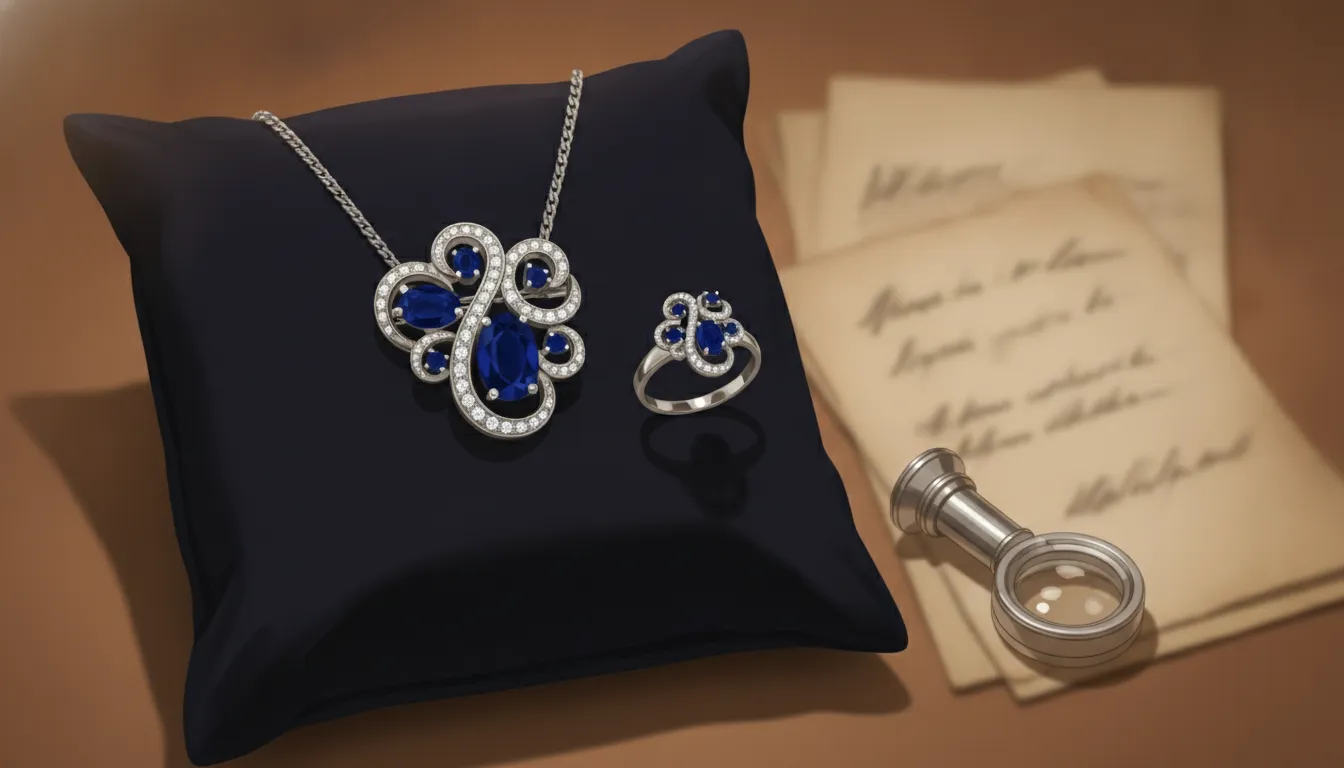
An antique ring, brooch, or necklace can carry clues that are easy to miss. These may include a maker’s mark, an unusual gemstone, an old repair, or a family story that places it in a specific period. Those details matter more than appearance alone when you need a defensible understanding of what you own.
Explore Lion & Unicorn’s antique appraisal services.
An antique jewelry appraisal near me should result in a formal, purpose-specific valuation based on the piece’s materials, workmanship, condition, provenance, and relevant market comparables. It is different from a quick estimate or a purchase offer, which is a bid made by someone seeking to buy the jewelry.
Whether you are settling an estate, arranging insurance, considering a sale, or documenting a family heirloom, start by identifying the evidence an appraiser should examine. Also clarify the independence the assignment requires. Lion & Unicorn helps families, collectors, executors, and sellers evaluate art, antiques, and jewelry through its Florida auction-house expertise. The guide below shows what to gather, what questions to ask, and how to keep an appraisal separate from a later decision to sell.
What an antique jewelry appraisal near me should examine
A purpose-specific antique jewelry appraisal should examine the complete piece, not just the weight of its metal or the estimated value of its gemstones. The appraiser should identify the item, document its characteristics, research relevant comparables, and state a value suited to the assignment. That is different from a quick estimate or a purchase offer, which may be useful for an initial conversation but does not provide the same independent, documented opinion.
For antique jewelry, the examination commonly considers:
- Maker marks and hallmarks: Stamps, signatures, numerals, and other marks can help identify the maker, country, metal content, and approximate period. Marks should be interpreted alongside the physical construction rather than treated as conclusive on their own.
- Materials and workmanship: The report may describe the metal type and fineness, gemstone identity and quality, setting, weight, construction methods, and hand-finished details. If a stone remains mounted or its treatment cannot be confirmed, the report should disclose the limitation or uncertainty.
- Design and period integrity: Style, motifs, proportions, and manufacturing details help establish whether the piece is consistent with a particular era. Antique jewelry value is not based solely on material cost. Gemstones, period integrity, style, motifs, and comparable examples all matter.
- Condition and repairs: Dents, deep scratches, missing stones, worn settings, replaced components, alterations, and previous repairs can affect both authenticity and value. Condition should be described clearly, without assuming that age-related wear automatically makes a piece undesirable.
- Provenance and documentation: Receipts, laboratory reports, previous appraisals, estate records, photographs, and a known ownership history may help support identification and value. They are evidence to evaluate, not substitutes for examination.
- Relevant market evidence: An appraiser compares similar items and explains how their similarities and differences support the conclusion. Market availability, local desirability, current fashion, and the intended use of the report may influence the final value opinion.
A quick estimate is usually a preliminary indication based on limited information. A purchase offer is different again: it is a buyer’s proposed price and may reflect the buyer’s costs, risk, and sales strategy. Neither should be presented as an independent appraisal.
How maker marks, gemstones, and metals establish identity
Jewelry identification begins with the physical evidence on the piece, not with a guessed date or a metal-content assumption. An appraiser examines the item as a whole and records details that help distinguish its maker, period, materials, and construction. The description may later support research into comparable pieces and a purpose-specific opinion of value.
Maker marks and hallmarks provide clues
A maker’s mark, signature, initials, or retailer stamp can connect a piece with a designer or manufacturer. Hallmarks may indicate metal fineness, a testing standard, or a country or assay system. Their position, font, wear, and relationship to the rest of the construction matter. A mark that appears genuine can still be incomplete, misread, or added during a later repair. So it should be evaluated alongside the setting, soldering, fasteners, and overall design.
Gemstones and cuts help describe a piece
Gemstones are assessed for identity, quality, treatment, condition, and how they are mounted. Cut style, facet arrangement, proportions, and wear can help place a piece within a design period, but no single feature proves age. A stone that remains mounted may not be weighed directly. Uncertainty about its identity or treatment should be recorded rather than presented as fact.
Construction and design context complete the picture
Prongs, bezels, hinges, clasps, links, engraving, motifs, and evidence of hand or machine manufacture all contribute to identification. The appraiser also considers whether the construction is consistent with the proposed period and whether later alterations affect the piece’s integrity. This combination of marks, materials, workmanship, and design context gives the appraisal a defensible description. It also helps separate an authentic period piece from a later reproduction or an altered jewel.
How condition and provenance change the assessment
Two pieces of antique jewelry can share a similar age and metal but receive very different professional opinions because their condition, history, and context are not the same. An appraiser looks at the whole object, not just the gold content or the apparent value of its gemstones. The examination typically considers condition, repairs, alterations, completeness, provenance, rarity, design, workmanship, and the type of collector or market most likely to respond to the piece.
Condition, repairs, and completeness
Condition includes more than whether jewelry looks attractive at first glance. The examination may note dents, deep scratches, missing stones, worn settings, weakened clasps, replaced components, and evidence of previous repairs. A careful repair may preserve the piece’s usefulness, while an alteration that changes its original construction or appearance can affect how collectors view it. Missing stones, mismatched replacements, and incomplete sets may also change the assessment.
Aggressive polishing can remove crisp engraving or soften design details that help identify a period. If you know that a ring was resized, a clasp replaced, or a stone reset, share that information. A responsible report should identify uncertainty or explain assumptions instead of presenting speculation as fact.
Provenance, rarity, and collector context
Provenance means the documented history of ownership or association connected to an item. A receipt, estate inventory, old appraisal, laboratory report, family photograph, maker correspondence. Or other credible record may help establish where a piece came from and how it has been described. Provenance does not automatically guarantee a higher value. Its usefulness depends on how reliable and relevant the documentation is.
Rarity and collector context matter alongside condition. A distinctive design, scarce maker, unusual motif, intact period construction, or complete suite may attract a different audience than a commonly available example. Appraisers use comparable items by weighing meaningful similarities and differences. Bring all relevant records and describe anything you know, including repairs or inherited history.
For broader context, see this guide to choosing a qualified appraiser. A jewelry-specific review should still address the marks, materials, condition, and provenance of the actual piece.
Which appraisal purpose fits your situation?
The right valuation depends on what you need the report to accomplish. An insurance document, an estate record, a donation file, and a sale-planning assessment may examine the same ring. Necklace, or brooch, but they do not necessarily answer the same valuation question. Explain the intended use before the examination begins so the appraiser can identify the relevant market and document the conclusion appropriately.
Insurance and replacement documentation
An insurance appraisal is generally prepared to support replacement coverage. Ask your insurer what value basis, report details, and update schedule it requires before commissioning the report. Keep photographs and a secure copy of the completed appraisal with your home inventory.
Estate settlement and tax documentation
Executors and heirs often need a documented opinion of value when organizing estate property, dividing assets, or preparing questions for a tax professional. If the valuation is being used for a charitable donation or tax filing, confirm the applicable requirements with a qualified tax adviser and the receiving organization. IRS Publication 561 explains general valuation principles for noncash property and charitable contributions.
Planning a sale
For sale planning, fair market value is an opinion of what a willing buyer would pay a willing seller. It can provide a useful baseline for deciding whether to pursue an auction, consignment, private sale, or another route. It is not the same as a purchase offer. A buyer’s offer reflects that buyer’s interests and proposed transaction. While an independent appraisal is a researched opinion supported by the item’s identity, condition, provenance, market context, and comparable pieces.
Personal information and family decisions
Sometimes the goal is simply to understand what you own before making a decision. A written report can help families discuss inherited jewelry, retain accurate records, and separate sentimental importance from market evidence. It should not promise a particular outcome. Before scheduling an antique appraisal, state whether your priority is coverage, estate administration, tax or donation documentation, sale planning, or personal records.
Appraisal vs. estimate vs. purchase offer
These terms describe different kinds of information. A formal appraisal is an independent, documented opinion of value prepared for a stated purpose. A preliminary estimate is an informed early view that may help determine whether further review is worthwhile. A purchase offer is a buyer’s proposed transaction amount, shaped by that buyer’s needs, costs, risk, and expected resale market. It is not an independent valuation.
| Service | Output | Independence | Use |
|---|---|---|---|
| Formal appraisal | Written description and researched opinion of value, with purpose identified. | The opinion should be independent of a purchase decision. | Estate planning, insurance documentation, or another situation requiring a documented valuation. |
| Preliminary estimate | An initial, less formal indication based on the information available at that stage. | It may help decide whether to pursue a formal appraisal, but it is not a completed report. | Early planning, sorting inherited jewelry, or considering a fuller review. |
| Purchase offer | A buyer’s bid for a specific piece or group of pieces. | The amount reflects the buyer’s business model, costs, demand, and intended resale route. | Exploring a direct sale, auction, or consignment route after understanding the alternatives. |
An auction house may offer an initial evaluation for potential consignors. But that conversation should not automatically be treated as a formal appraisal, an insurance replacement valuation, or a purchase offer. If your next step involves selling an estate, review the estate and consignment options guide to compare routes after the jewelry has been evaluated.
Explore antique appraisal guidance
How to prepare for an antique jewelry appraisal near you
A little preparation helps the appraiser separate what is known about a piece from what still needs research. It also protects delicate jewelry from avoidable handling or damage. Gather the following before your appointment:
- Collect records and history. Bring receipts, estate inventories, insurance documents, old photographs, letters, auction records, or notes from family members. Do not discard records simply because they seem incomplete.
- Take clear photographs. Photograph the front, back, clasp, setting, signatures, hallmarks, and unusual construction details. Include close views of damage or repairs, but do not rely on photographs as a substitute for an in-person examination.
- Bring certificates and laboratory reports. Include gemstone identification or grading reports, prior appraisals, metal-testing records, and documentation from a recognized independent laboratory. These materials support the review but do not eliminate the need to assess the complete item.
- Handle the jewelry conservatively. Keep each piece in a separate soft pouch or box. Avoid polishing, altering, repairing, or aggressively cleaning an antique piece before it is examined. Pack loose stones, detached components, and matching boxes separately and label them.
- Note the condition honestly. Write down anything you know about dents, scratches, loose settings, replaced stones, broken clasps, repairs, or restoration. Visible damage and evidence of repairs should not be hidden or minimized.
- State why you need the appraisal. Tell the appraiser whether the purpose is insurance, estate planning, charitable contribution, family division, a possible sale, or another decision. An appraisal is purpose-specific, so the intended use and relevant market affect the report.
If you are organizing several inherited items, related estate appraisal services guidance may help you plan the wider review. Keep photographs and the completed report in a secure location.
Frequently Asked Questions
What should I bring to an antique jewelry appraisal?
Bring the jewelry, receipts, prior appraisals, laboratory reports, photographs, insurance records, and paperwork showing family history or provenance. Keep the piece together with its documentation, but do not clean or repair it before the appointment unless an appraiser advises you.
What does an antique jewelry appraisal include?
A professional appraisal should identify the assignment’s purpose, describe the jewelry, and state an opinion of value. The examination may address maker marks, style, approximate period, metal and fineness, gemstones, workmanship, condition, repairs, provenance, and comparable items. The detail should match the report’s intended use.
How much does an antique jewelry appraisal cost?
The cost depends on the assignment, number and complexity of pieces, research required, documentation requested, and whether laboratory testing is needed. Ask what the fee covers before scheduling, and explain whether you need a written report for insurance, estate planning, tax documentation, or another purpose.
What is the difference between a verbal and written jewelry appraisal?
A verbal opinion is an informal discussion and may be useful for initial guidance. A written appraisal is documented, purpose-specific, and identifies the item and stated value. Insurers, estate administrators, and other institutions may require written documentation, so confirm their requirements before choosing a report type.
Can an appraiser also buy my antique jewelry?
Sometimes, but an appraisal and a purchase offer are different services. An appraisal is an independent, researched opinion of value, while an offer comes from a buyer deciding what to pay. Ask whether the person is independent or employed by the buyer, and request a clear explanation of which service you are receiving.
Ready to explore an antique jewelry appraisal?
Understanding the piece’s marks, materials, condition, and history can help you choose the right appraisal path and prepare useful information in advance. Lion & Unicorn can provide guidance on the next step for an antique jewelry appraisal based on your needs.
Explore Lion & Unicorn’s antique appraisal services.
Free Consultation
Ready to Sell Your Estate or Collection?
Lion & Unicorn's expert team offers free appraisals and nationwide pickup service.
Over 30 years of experience — Florida's most trusted auction house.