


Online Appraisal: A Guide to Reliable Values
Free Consultation
Ready to Sell Your Estate or Collection?
Lion & Unicorn's expert team offers free appraisals and nationwide pickup service.
Over 30 years of experience — Florida's most trusted auction house.
When an antique, painting, or collectible cannot be brought to an expert, an online appraisal can provide a useful starting point. Clear photographs, measurements, condition notes, and a well-documented history help an appraiser form a more informed opinion. The information you submit often determines the response’s quality.
Learn about professional antique appraisal services
An online appraisal can provide a preliminary value opinion from photographs, item details, provenance, and market research. It is not automatically the same as a formal appraisal, and rare, high-value, or authenticity-sensitive objects may require an in-person inspection.
That distinction matters whether you are sorting an estate, planning a sale, reviewing insurance needs, or simply trying to understand what you own. A careful service should explain its process, identify the limits of a remote review, and make clear what kind of result you will receive.
Here is what typically happens after you submit your request, and how the available evidence shapes the valuation.
How Does an Online Appraisal Work?
An online appraisal uses photographs, measurements, condition notes, provenance, and market research to form a preliminary value opinion. It can help you decide what to research or sell next, but rare, high-value, or authenticity-sensitive items may need a physical inspection and formal report.

An online appraisal begins with information you can provide remotely. You submit clear photographs, dimensions, materials, condition, markings, and known ownership history. These details help an appraiser identify the piece and assess factors that may affect its value. The Smithsonian notes that digital images and expert analysis can support remote opinions about antiques, art, and collectibles. Learn more about researching an object’s worth.
Photographs should show the item from multiple angles, with close views of signatures, maker’s marks, labels, construction details, and damage. Include photographs of areas that have been repaired or restored, even when the repair is not obvious at first glance. A description of size, weight, medium, and provenance can be just as important as the images. For example, a documented history of ownership may help establish context that cannot be seen in a photograph.
After reviewing the submission, the appraiser may research the maker, period, materials, and comparable objects. That research can include reference collections, historical records, and auction databases. Recent auction results may help establish market context, particularly when similar objects have sold under reasonably comparable conditions. However, a sale price reflects buyer demand and competition at a particular time, so it is evidence for analysis rather than a guaranteed outcome.
The appraiser may contact you with follow-up questions or request additional photographs. This exchange is useful when a mark, detail, or condition issue is not visible in the original submission. The final response might be a written preliminary evaluation, a value range, or guidance on whether the item warrants a more comprehensive appraisal.
Preliminary estimate versus formal appraisal
An online estimate is usually an informed starting point. It can help you decide whether to pursue a sale, obtain more research, or invest in a formal appraisal. It is not automatically a formal report for insurance, legal distribution, or authentication. High-value, rare, or authenticity-sensitive items may require physical inspection because photographs cannot reveal every material, construction, or condition detail.
If you need documentation for a specific purpose, ask what type of report is being provided and what standards it follows. A qualified professional can explain the scope, evidence, valuation approach, and any limits of a remote review. For an expert-led next step, explore reliable online appraisal services for remote antique valuation support.
What Makes an Online Appraisal Reliable?
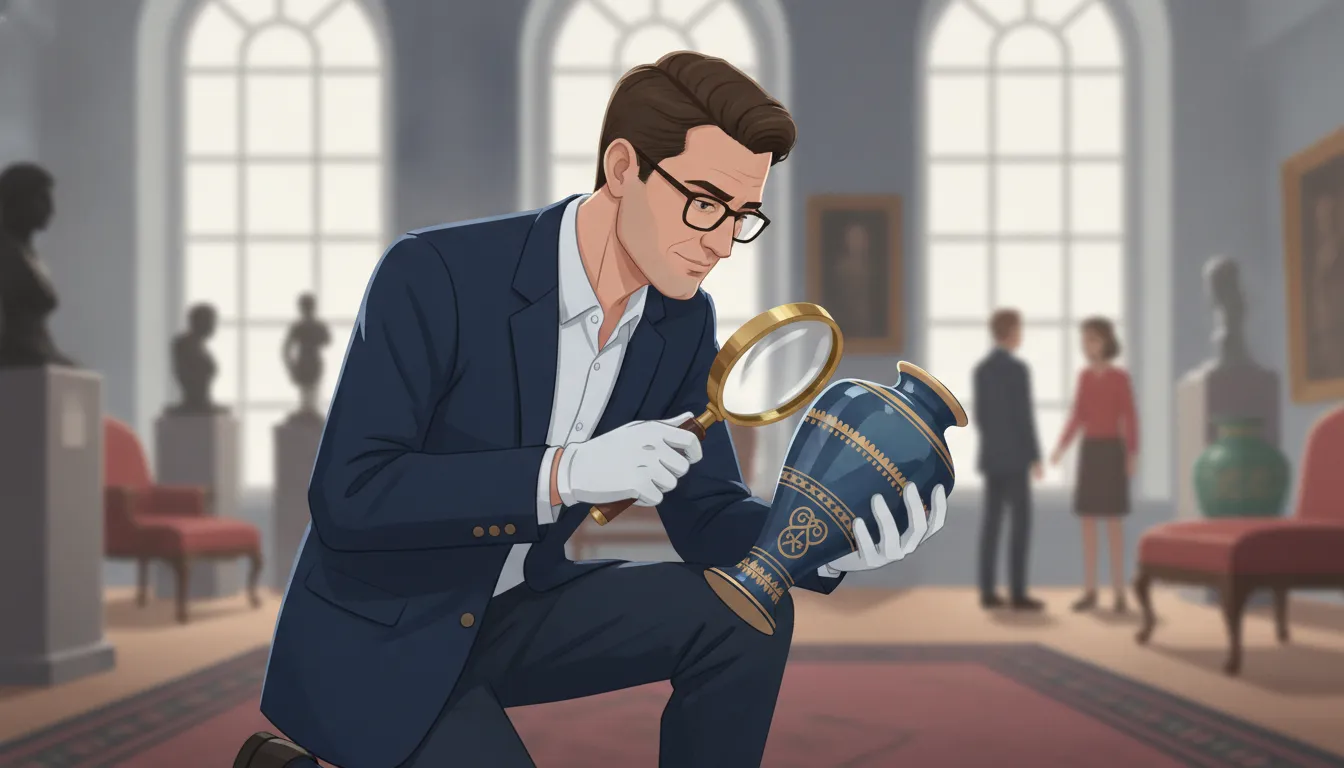
An online appraisal can be reliable when it is treated as a documented expert assessment, not a guess based on one attractive photograph. The quality of the result depends on the appraiser’s subject knowledge, the information you provide, and the method used to reach the conclusion. A remote review may be a practical first step for collectors, estate executors, and sellers, but it should also make its limits clear.
Expertise and a transparent method
Start by asking who will evaluate the object. A qualified appraiser should be willing to explain relevant experience, professional credentials, and membership in recognized appraisal organizations. The Smithsonian advises looking for professional qualifications when seeking appraisal help, rather than relying only on a service’s general claims. You can also review how to choose a qualified appraiser before submitting an item.
A reliable report or preliminary opinion should explain how the value was reached. That may include identification, specialty research, comparison with documented sales, and a stated type of value. Be cautious when a service gives you a number without describing its methodology. Transparency allows you to understand what the conclusion means and what additional evidence could change it. The Getty Research Institute recommends a detailed explanation of the appraisal approach. That may include market comparison or another appropriate valuation method. See Getty’s appraisal guidance.
Evidence beyond appearance
Photos help an expert assess an object’s construction, condition, marks, and visible restoration. They cannot always reveal everything that matters. Include the item’s dimensions, materials, maker’s marks, signatures, and known history. Provenance, meaning the documented history of ownership, can materially affect both authenticity and value. Receipts, inheritance records, exhibition history, or earlier appraisals may therefore be as useful as the images themselves. The Smithsonian notes that provenance is important to the authentication and valuation of art and antiques: research guidance from the Smithsonian American Art Museum.
Condition is equally important. Damage, repairs, fading, replaced parts, and professional restoration can significantly change market value. A careful reviewer will ask questions about these details instead of assuming an item is in excellent condition because it looks good from one angle. Comparable sales can provide helpful context, but auction prices fluctuate with buyer demand and competitive bidding at a particular sale. They are evidence, not a guaranteed selling price.
Know the photo-only limit
Photo-based review is less dependable when authenticity, hidden damage, materials, or exceptional value are central to the assignment. Digital images may support an informed preliminary opinion, but rare or high-value objects can require physical inspection. For insurance, legal distribution, authentication, or another purpose requiring a formal document, ask whether an in-person examination and formal appraisal report are necessary. A reliable professional will state that limitation plainly rather than promise certainty from photographs alone.
How Should You Prepare for an Online Appraisal?
A remote review is only as useful as the information supplied with it. Before submitting an item, take time to document what you can see, what you know, and what remains uncertain. Clear images support a preliminary evaluation, while accurate descriptions give the appraiser context that a photograph cannot provide. The Getty Research Institute recommends high-quality photographs and detailed views of marks, signatures, and damage when preparing appraisal material.
-
Photograph the item from every side. Take clear, focused images of the front, back, top, bottom, and each side. Include overall views that show scale and close-ups of important details. Avoid cropping out edges, hardware, feet, frames, or attachments. If the object has a separate component, photograph that as well.
-
Use neutral, indirect lighting. Soft daylight or another even light source can reveal surface details without creating harsh glare. Direct light may distort colors or hide flaws. Avoid strong flash and deep shadows. Keep the background simple and make sure the object is in focus. The Getty guidance identifies neutral, indirect lighting as preferable for high-resolution images: photography guidance for appraisals.
-
Capture marks and signatures. Photograph maker’s marks, stamps, labels, signatures, dates, serial numbers, and inscriptions separately. If a mark is difficult to read, describe its location and provide the clearest image available. Researching a maker’s mark can help establish an object’s possible origin, manufacturer, and production period, but do not assume an unidentified mark proves authenticity.
-
Document damage and restoration honestly. Include chips, cracks, dents, scratches, fading, repairs, replaced parts, stains, or areas of wear. Do not polish, repair, or alter the item simply to improve its photographs. Condition is a major factor in valuation, and an accurate record helps the expert interpret what is visible.
-
Record dimensions, materials, and weight when practical. Provide height, width, depth, and weight, using consistent units. Identify known materials, such as porcelain, crystal, silver, oil on canvas, or wood, and distinguish what you know from what you suspect. Detailed information about dimensions and materials helps an appraiser assess an object alongside its photographs.
-
Gather provenance and supporting records. Write down how and when the item came into your possession, including previous owners, family history, estate records, or purchase location. Attach receipts, catalogs, certificates, correspondence, prior appraisals, and relevant research. Organized records can help clarify ownership history and support later decisions about insurance, sale, or estate distribution.
Submit the original, unedited images when possible, along with a short description that answers these points. If a detail is unknown, say so. Honest uncertainty is more useful than a confident assumption and gives the appraiser a clear basis for follow-up questions.
What Items Are a Good Fit for Online Appraisal?
Remote review works best when photographs show an object’s identifying and condition details. You also need to provide context about its materials, history, and ownership. Antiques, fine art, porcelain, crystal, furniture, decorative objects, jewelry, coins, watches, and many other collectibles may suit an initial online appraisal. Digital image analysis can support the remote study of cultural heritage objects, but the quality and completeness of the evidence still matter.
For antiques and decorative objects, clear views of shape, construction, finish, marks, labels, signatures, and damage give an expert a useful starting point. Jewelry and coins may also suit remote review when photographs capture hallmarks, edges, settings, inscriptions, and surface condition. A specialist may combine those images with reference collections, provenance, and recent market research. For example, a sterling silver value guide can help you understand why marks and makers matter before submitting flatware for review.
Art can be reviewed remotely when images show the front, back, frame, signatures, labels, and visible condition. However, the medium can affect value and preservation needs. A photograph may not settle whether a work is oil on canvas, acrylic, or another material. Contemporary art can also require different research methods and more attention to current market activity than older works.
| Item type | Remote-review strengths | Common limitation |
|---|---|---|
| Antiques and decorative objects | Photographs can document form, materials, marks, construction, and wear. | Hidden repairs, alterations, or construction details may require hands-on inspection. |
| Art and works on paper | Images can establish subject, visible condition, signature, medium clues, and provenance questions. | Surface texture, pigments, backing, and authenticity may not be confirmed from photos alone. |
| Jewelry, coins, and watches | Marks, inscriptions, design, and visible condition can support identification and an initial value range. | Weight, testing, movement condition, stones, and metal authenticity may need physical examination. |
| Collectibles | Edition details, completeness, packaging, condition, and comparable sales may provide useful context. | Current demand can shift, while rarity and authenticity may remain uncertain without closer review. |
Photo-only review is therefore best treated as an informed starting point, not an automatic authentication. High-value, rare, fragile, heavily restored, or authenticity-sensitive pieces may need physical inspection. The Smithsonian American Art Museum explains that provenance and supporting information are important to understanding an object’s value. When the purpose involves insurance, legal distribution, or a significant sale, ask whether a formal in-person examination and written report are required.
When Do You Need a Formal In-Person Appraisal?
An online appraisal can be a sensible first step. A qualified specialist may review photographs, ownership history, and other details to help you decide whether a full appraisal is warranted. That preliminary guidance can be especially useful when you are sorting an estate, considering a sale, or deciding which objects deserve further research. It is not automatically the same as a formal appraisal report.
Insurance and legal documentation
Contact your insurer before relying on an online estimate for coverage. Insurance claims and scheduled-property policies may require a formal document from an accredited expert, with a stated valuation purpose and sufficient supporting detail. The Smithsonian notes that online-only valuations may not meet every insurer’s requirements. Ask what format, date, credentials, and level of inspection your policy requires before commissioning the work: review the Smithsonian’s appraisal guidance.
A formal report may also be appropriate for an estate, divorce, donation, probate matter, or other legal distribution. In these situations, the valuation needs clear documentation. Interested parties should understand what was examined, which value was determined, and how the conclusion was reached. A casual estimate may help with early planning, but it may not provide the impartial record a legal or fiduciary process calls for.
Authentication, high value, and difficult condition
Physical inspection deserves serious consideration when authenticity is central to the decision. It is also important when an item is rare or unusually valuable. It can help when the object is difficult to evaluate from images. An expert may need to examine construction, materials, surface details, repairs, alterations, or marks that photographs cannot resolve. Authentication is generally based on the convergence of visual evidence, provenance, and stylistic analysis, rather than one isolated feature. For a high-value object, a professional may therefore recommend an in-person examination before issuing a definitive opinion.
Condition can create the same need. Hidden damage, restoration, fragility, or changes in color and texture may materially affect value. If the photographs leave meaningful uncertainty, treat the online review as a screening step and ask what additional inspection is needed. This is particularly important when the result will guide insurance, legal distribution, or a substantial financial decision.
Confirm the scope and fee before work begins
Ask for the appraisal’s purpose, deliverables, inspection requirements, and fee structure in writing. Professional services may use an hourly rate or a set fee per object, and the charge should be disclosed in advance. Clarify whether research, travel, additional objects, or a revised report would cost extra. Clear expectations help you choose the right level of service without assuming that a preliminary online opinion includes a formal report.
How Can an Online Appraisal Help Before You Sell?
An online appraisal can give you a more informed starting point before you decide how to sell an antique, artwork, or collection. Reviewing photographs, descriptions, provenance, and available market evidence can help an appraiser understand what you own and identify questions that should be answered before the item is offered to buyers.
That early perspective helps when you are sorting an estate, downsizing, or deciding whether an object suits private sale, consignment, or auction. A remote review can help separate items that deserve individual attention from pieces that may be grouped with similar property. It can also help you organize a preliminary inventory before transporting anything or committing to a selling arrangement.
Use the estimate to compare selling options
Professional valuation research often includes comparisons with similar objects in auction databases and historical sales records. This market context can help you ask better questions of a dealer, consignee, or auction house. For example, you can discuss whether the item’s condition, maker, provenance, or current demand supports a specialized listing, a broader collection lot, or further examination.
A preliminary online valuation may also help determine whether an item merits a formal appraisal or physical inspection before sale. Auction results are useful indicators, but they are not fixed price lists. Realized prices can change with buyer demand, competition, timing, and the circumstances of a particular sale. An estimate therefore describes an informed opinion, not a promise that the item will sell for that amount.
Understanding how auction houses work can add useful context when you compare routes to market. Ask how the proposed selling method handles reserve prices, buyer demand, cataloging, marketing, commissions, and the item’s presentation. The right choice depends on the object and your goals, including timing, convenience, and the level of documentation needed.
Keep the records with the item
Save the appraisal response with clear photographs, measurements, receipts, provenance notes, prior appraisals, and any research you have completed. Organized records make it easier to evaluate offers, explain an item’s history, and revisit its value as market conditions change. They can also show a future buyer or selling professional which details have been verified and which remain uncertain.
If the item appears rare, authenticity-sensitive, unusually valuable, or difficult to assess from photographs, treat the online appraisal as a first step. A physical examination or formal report may be appropriate before you finalize a sale.
Explore professional antique appraisal services
Frequently Asked Questions
An online appraisal is most useful when you provide complete evidence and understand the purpose of the valuation. A remote opinion may support early research or sale planning, while insurance, legal, authentication, and high-value decisions may require a formal in-person appraisal.
How does an online appraisal work?
You submit clear photographs, dimensions, materials, marks, and any known history. An appraiser reviews the evidence, researches comparable objects and market data, and provides an initial valuation or written opinion. The result should identify its limitations, since a photo-based review is not always a formal appraisal.
Is an online appraisal reliable?
It can be reliable when the appraiser has relevant expertise and receives complete, accurate information. Condition, provenance, and image quality all affect the result. A trustworthy service should explain its valuation method and credentials rather than provide an unexplained number. For rare or high-value items, physical inspection may still be necessary. The Smithsonian notes that authentication may require more than digital images.
What photos are needed for an accurate online appraisal?
Take sharp photographs of every side, the underside, and any damage or repairs. Include close-ups of signatures, labels, maker’s marks, construction details, and unusual features. Use neutral, indirect lighting, and add the item’s dimensions, materials, weight when relevant, and ownership history. These details help an appraiser distinguish similar objects.
What items can I get an online appraisal for?
Common candidates include antiques, fine art, jewelry, coins, porcelain, decorative objects, and other collectibles. Online review is especially useful for an informed first assessment. Items with uncertain authenticity, complex condition issues, or significant value may require an in-person examination before a formal conclusion.
How much does an online appraisal cost?
Fees vary according to the item, the appraiser’s expertise, and the depth and intended use of the report. Some services provide preliminary opinions, while professional appraisers may charge an hourly rate or a set fee per object. Ask what you will receive and confirm the complete fee structure in advance, as recommended by the Smithsonian’s appraisal guidance.
Learn about professional antique appraisal services
Ready to Learn More About Professional Appraisal Services?
If you have antiques or collectibles that need a closer look, professional guidance can help you understand what information matters and whether a remote review is an appropriate next step. The right appraisal process may bring useful clarity while recognizing the limits of photographs and online research.
Learn about professional antique appraisal services for your next step.
Free Consultation
Ready to Sell Your Estate or Collection?
Lion & Unicorn's expert team offers free appraisals and nationwide pickup service.
Over 30 years of experience — Florida's most trusted auction house.