


Sell Sports Autographs: Authentication and Value
Free Consultation
Ready to Sell Your Estate or Collection?
Lion & Unicorn's expert team offers free appraisals and nationwide pickup service.
Over 30 years of experience — Florida's most trusted auction house.
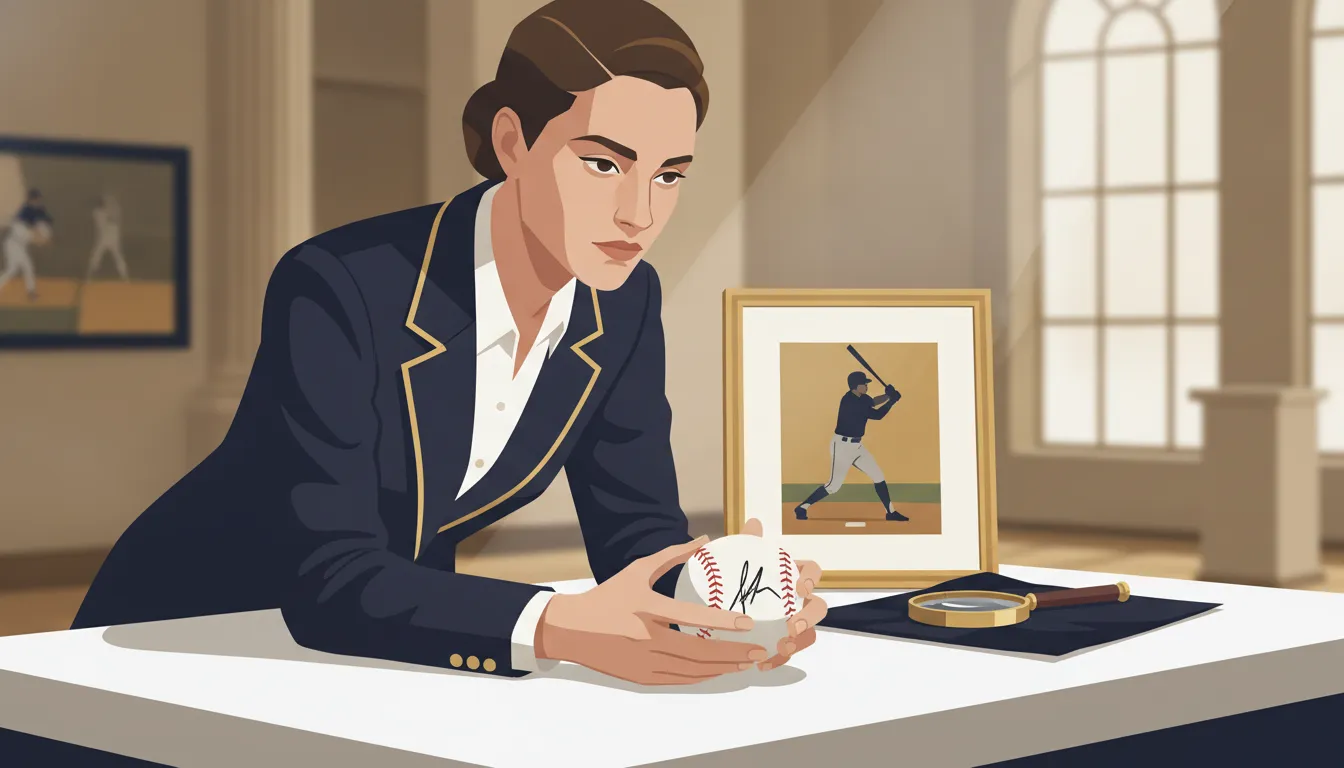
A signed jersey, ball, photograph, or card can carry personal meaning and collector interest. A signature alone does not determine what happens next. Authentication, provenance, condition, the athlete’s significance, and the selling route all affect whether an item is ready for the market.
Explore appraisal and selling options for sports autographs and collectibles.
To sell sports autographs responsibly, gather certificates, receipts, signing photographs, tickets, or dated notes. Protect each item from heat, moisture, and avoidable handling damage. Have its authenticity, condition, and market position reviewed before choosing an auction, consignment, direct buyer, or online route.
That preparation matters because forged sports memorabilia remains a serious problem, while documented provenance can support both legitimacy and value. Start by checking what evidence accompanies each autograph, what it actually proves, and where additional professional review may be useful.
How to Check Authentication and Provenance Before You Sell Sports Autographs
Before you sell sports autographs, separate what you know from what you assume. Match each item to its certificate, receipt, signing photograph, ticket, or dated note. Then ask a qualified specialist how the documentation, signature, and item’s condition should be reviewed together.
Start with two questions: what paperwork came with the autograph, and what independent evidence supports its story? A certificate of authenticity, or COA, can identify who issued the document and what item it covers. It is not automatically proof that every signature is genuine. Ask whether the certificate is tied to a recognized authenticator, includes an identifying number or description, and can be checked against the issuer’s records.
Third-party review may be appropriate when the original paperwork is unclear or absent. Professional services commonly referenced in the collecting market include PSA/DNA, JSA, and Beckett. Their review can provide a documented opinion, but it should not be presented as an absolute guarantee.
The Smithsonian National Postal Museum has documented forged sports memorabilia as a serious fraud problem. That is why a careful review matters before you describe an item as authentic. Its overview of forged autographs explains the broader risk.
Build a provenance file
Provenance means the record of where the item came from and how it reached you. Gather the evidence before an appraisal or auction consultation, and keep the original documents with the item rather than separating them during sorting. Useful records include:
- A receipt, invoice, or letter from the original seller or event organizer.
- Photographs showing the athlete signing the item, especially when the item itself is identifiable.
- An original ticket, dated note, program, or other record connecting the autograph to a specific event.
- Prior appraisal, authentication, auction, or insurance paperwork, including any matching reference numbers.
- Details from family members or previous owners, written down while the information is still available.
The National Postal Museum notes that signing photos, original tickets, and dated notes can support an autograph’s legitimacy and value. See its guide to investigating frauds in baseball for the provenance principle. Evidence is strongest when several records tell the same story, with consistent dates, names, and item details.
What if the proof is missing?
Do not fill gaps with assumptions. Label the item as lacking documentation, preserve any contextual information you do have, and ask an experienced appraiser or auction house how the item should be evaluated. A missing receipt does not by itself determine the outcome, but it may affect the review process, buyer confidence, or selling route. Likewise, do not promise authenticity or a sale price based only on a signature’s appearance. Present the available facts, let the specialist assess the evidence, and keep every certificate, receipt, photograph, and note available for potential buyers.
What Makes Sports Autographs Valuable Before You Sell?
The value of a signed sports item comes from more than the name on the signature. Collectors usually consider the athlete’s significance, the story behind the item, how scarce comparable examples are, and whether the autograph remains attractive and complete. These factors work together, and their importance can change as collector interest shifts.
Athlete significance and the moment
An autograph connected to a highly accomplished athlete may attract broader interest, especially when it relates to a notable career achievement or historic moment. The item can carry additional context when it was signed around a championship, record, landmark season, or other meaningful event. That does not make every signed item equally valuable. The quality of the connection, the documentation available, and the level of current demand all matter.
Signing frequency is another consideration. An athlete who signs regularly may have a more available signature, while a signature that appears less often can be more difficult for collectors to find. Research on sports autograph value identifies career success, signing frequency, and the condition of the signature as important factors. See the research on factors affecting autograph value for that discussion.
Item type, scarcity, and demand
A signature on a period-correct jersey, ball, photograph, card, program, or other meaningful object may appeal to a different group of buyers. The item’s connection to the athlete and sport is important, as is its scarcity. A common item with a clean signature can still be desirable. A rare item may need careful review if the signature is difficult to see or the object has significant damage.
Demand is not fixed. Collector interest can respond to a player’s legacy, a team’s history, a milestone, or broader trends in the hobby. Market value is therefore an estimate of what informed buyers may pay in a particular market, not a permanent number attached to the object.
Signature quality and completeness
Collectors may look at placement, contrast, legibility, fading, smudging, and whether the signature crosses an important image or design element. A well-positioned autograph that is easy to view is generally easier to present and evaluate than one hidden along an edge. Condition applies to the signed object too, including creases, stains, tears, surface wear, missing components, or alterations.
Completeness can add useful context. Original packaging, a display case, team or event materials, receipts, signing photographs, or other related records may help explain what the item is and where it came from. Keep these materials together rather than separating them during an initial review.
Market value versus sentimental value
Sentimental value is personal. It may come from meeting an athlete, inheriting a collection, attending the game, or remembering someone who owned it. Market value is different: it reflects condition, evidence, scarcity, demand, and the likely audience for the item. An appraisal can help separate those two ideas, identify strengths and risks, and clarify whether an item is ready for a sale, auction, or further authentication. For broader valuation context, review Lion & Unicorn’s Florida appraisal services. An appraisal gives you a more informed starting point before deciding how to sell sports autographs, without promising a particular result.
How Condition and Safe Handling Affect Value
Condition affects how easily a buyer can assess sports autographs. Record fading, smudging, stains, creases, tears, scratches, and repairs. Keep items away from direct light, heat, and moisture, and avoid cleaning or restoring them before professional review.
Condition is part of the autograph itself. A clear signature on a clean, undamaged item is easier for a buyer or auction house to assess. Fading, stains, creases, tears, or surface damage can complicate review. Before you sell sports autographs, record the condition as it is rather than trying to make the item look newer.
Protect the signature from everyday damage
Keep signed items away from direct sunlight, humidity, and heat. Light can fade ink, while damp or hot conditions can contribute to paper warping, discoloration, and other deterioration. The available preservation guidance recommends acid-free archival materials and UV-protective sleeves for autograph storage. Learn more about protecting autographs from fading and damage.
Use a sleeve or holder that fits without forcing the item into place. Do not stack heavy objects on top of signed photographs, cards, programs, or paper documents. Handle the edges with clean, dry hands, and support larger items from underneath. If the autograph is on a ball, bat, jersey, helmet, or another three-dimensional object, avoid rubbing the signed area against shelves, display cases, or packing materials.
Do not clean or restore an autograph yourself
A stain, crease, tear, or worn surface may be disappointing, but an amateur repair can make the problem worse. Avoid household cleaners, solvents, erasers, tape, glue, ironing, and attempts to lift stains. Research from the Smithsonian National Postal Museum warns that improper cleaning attempts can cause more damage than the original stain and may significantly reduce the item’s value. Review the guidance on investigating and preserving signed memorabilia.
Instead, photograph the condition in good, indirect light. Note any fading, smudging, missing material, tears, creases, water marks, scratches, or repairs. Keep existing certificates, receipts, signing photographs, and other paperwork with the item, but do not attach anything to the autograph itself.
Pack carefully for evaluation or shipping
- Place paper items in an acid-free sleeve, then use a rigid backing board to prevent bending.
- Wrap three-dimensional items so the signature cannot rub against the box or another object.
- Use a sturdy box with cushioning that limits movement without pressing on the signed surface.
- Keep paperwork in a separate sleeve or envelope so it does not scratch, crease, or transfer ink to the item.
- Photograph the packed item and retain tracking and insurance records when shipping.
Good preservation does not erase existing flaws, but it prevents avoidable damage while the autograph is being reviewed, photographed, transported, or offered to collectors.
Which Selling Route Fits Your Autographs?
The right route depends on your collection, documentation, timeline, and willingness to manage inquiries, shipping, and payment. Compare a direct buyer, online marketplace, specialist auction, and consignment arrangement by audience, workload, review process, fees, custody, and what happens if an item does not sell.
The best selling route depends on the control you want and the audience the item needs. Consider how comfortable you are handling authentication, photography, inquiries, shipping, and payment. Signed sports items need careful review because a buyer may evaluate both the object and the signature. A route that suits one autograph may be poorly suited to a group of signed jerseys, balls, photographs, or cards.
| Route | Best when | Tradeoff |
|---|---|---|
| Direct buyer | You want a defined transaction. | Less bidding exposure. |
| Marketplace | You want listing control. | More seller workload. |
| Specialist auction | You want collector reach. | Results depend on demand. |
| Consignment | You want help with marketing. | Terms and custody vary. |
Direct buyers and general marketplaces
A direct professional buyer can be practical when you value a straightforward evaluation and a defined transaction. Ask how the buyer assesses the signature, whether supporting documents will be retained, and what happens if the item cannot be authenticated. This route may involve less seller administration, but it gives you less exposure to competing bids.
A general marketplace gives you control over the listing, but that control comes with work. You must describe the item accurately, photograph the signature and any certificate, answer questions, protect the autograph in transit, and manage payment and disputes. A marketplace listing is not authentication. A certificate or third-party opinion may help, but the source and scope of that documentation should be clear.
Specialist auction and consignment
A specialist auction can be a strong fit for rare, well-documented, or multi-item collections that benefit from professional cataloging and collector-focused exposure. For background on the broader process, see our guide to selling sports memorabilia at auction. Autographs still require their own signature-focused review, even when they are grouped with other sports memorabilia.
Consignment means another party markets and sells the item for you under an agreed arrangement. Before handing over anything, confirm the commission structure, duration, reserve or minimum-sale policy, insurance, custody, payment timing, and treatment of unsold items. Fees and terms vary by item and arrangement, so get them in writing rather than relying on a general industry assumption. Our overview of how auction houses work can help you understand the roles involved. You can also review this auction consignment guide before comparing agreements.
Whichever route you choose, keep provenance with the item, avoid making unsupported authenticity claims, and compare the service terms as carefully as the projected audience.
What Should You Ask Before You Sell Sports Autographs?
Ask a buyer or auction house how it reviews authenticity, handles provenance, and calculates an estimate. Also ask about commissions and expenses, custody, marketing, payment, and unsold or returned pieces. Request the answers and final terms in writing.
A clear conversation before you hand over an autograph can prevent misunderstandings later. Ask for specific answers in writing, especially when the collection includes valuable signatures, inherited items, or pieces with uncertain history. A reputable buyer or auction house should be able to explain its review process without promising a guaranteed price or sale.
- How will you review authenticity? Ask whether the item will be examined in-house, sent to an independent specialist, or accepted with existing documentation. Clarify whether authentication means a visual opinion, a formal certificate, or a third-party grading service. If you already have a certificate, ask whether the firm recognizes the issuing service. Also ask how it will affect the evaluation. No review can remove every uncertainty, so be cautious of anyone who guarantees authenticity without examining the item.
- What evidence of provenance should I provide? Provenance means the ownership and history of an item. Ask whether signing photographs, original tickets, dated notes, receipts, or prior auction records would help. Keep copies of anything you submit, and ask how original documents will be returned.
- What is the valuation based on? Ask which factors drive the estimate, such as the athlete’s significance, the item’s type, signature condition, provenance, demand, and comparable sales. Also ask whether the figure is an expected auction range, a private purchase offer, or an insurance-style appraisal. These purposes are different and should not be treated as interchangeable.
- What commissions and expenses apply? Request a complete fee explanation before agreeing. Ask about seller commission, buyer premiums, authentication or cataloging charges, photography, storage, shipping, insurance, and any other expense. Commission is the portion retained from a transaction or sale proceeds. Ask when costs are deducted from the stated estimate.
- Will you set a reserve? A reserve is the minimum price at which an auction item may sell. Ask whether a reserve is recommended, who sets it, whether it carries a fee, and what happens if bidding does not reach it. A high reserve may protect expectations but can also leave the item unsold.
- How will the items be insured and kept? Ask when responsibility transfers, what coverage applies during transport and storage, and whether there are limits or exclusions. Confirm where the autographs will be held, who may access them, and how the firm records each item in your collection.
- What photography and marketing will be provided? Ask whether each autograph will receive clear, accurate photographs and what information will appear in the listing. Discuss how the athlete, item, provenance, and condition will be described. You should be able to review important errors before publication.
- When and how will I be paid? Ask what event triggers payment, such as a completed sale or cleared buyer funds, and request the expected payment schedule and method. Also ask who handles payment disputes, cancellations, or delayed funds.
- What happens if an item does not sell? Ask whether it may be relisted, offered privately, returned, or bundled with other items. Confirm any deadline, storage charge, reserve change, or additional approval required before that happens.
- Who handles packing, shipping, and returns? Confirm whether you or the firm arranges transport, how items are packed, who pays shipping, and how tracking is provided. Ask what happens if an item arrives damaged or a buyer requests a return. Do not ship irreplaceable autographs until custody, insurance, and return responsibilities are documented.
These questions let you compare offers on more than the headline estimate. They also create a record of what you agreed to before the autographs leave your hands.
How to Prepare a Sports Autograph Collection for Sale
Prepare sports autographs for sale by inventorying every item, photographing the signature and condition, matching records to each piece, and documenting any uncertainty. Keep the collection protected, organize the files, and give the reviewing specialist a clear account of its history.
A well-prepared collection gives an appraiser, auction specialist, or prospective buyer the information needed to evaluate each item. Start by creating an inventory. Assign every piece a simple reference number. Record the sport, athlete, item type, inscription, approximate date, and how the item came into your possession. Note whether it is a signed ball, jersey, photograph, card, program, ticket, equipment, or another object.
Photograph each item in good, even light. Take an overall image and a close view of the signature. Also photograph any label, serial number, manufacturer mark, certificate, or damage. Include a ruler or another neutral reference when size matters. Do not place stickers or adhesive labels directly on collectible surfaces. Record measurements separately, including the dimensions of framed pieces and the approximate size of bulky objects.
Build a provenance and authentication packet
Gather every document that may help establish history. Useful records can include signing photographs, original tickets, dated correspondence, receipts, prior appraisals, dealer information, authentication letters, and certificates of authenticity. These materials do not automatically prove that a signature is genuine, but they give an expert more context for review. Keep the records matched to the correct item by using the inventory number on a removable folder or digital file name.
If an item has already been reviewed by a recognized authentication service, include the service name, certificate number, and any online verification details. Do not remove an existing certificate or alter the item while preparing it. Authentication is a separate question from value, so document both the evidence supporting legitimacy and any uncertainty that remains.
Describe condition honestly and store items safely
Write brief condition notes for fading, stains, creases, tears, cracks, scratches, loose components, frame wear, or repairs. Mention whether the autograph is smudged, incomplete, unusually light, or placed on a difficult surface. Avoid amateur cleaning, polishing, erasing, or restoration. An improper attempt can cause additional damage and may affect the evidence an expert needs to examine.
Until review or shipment, keep items away from direct sunlight, heat, and high humidity. Use appropriate archival materials where possible, and avoid folding, stacking heavy objects on top of one another, or storing signed paper against acidic cardboard. Separate fragile, framed, and oversized items from smaller pieces. For transport, photograph the packed condition, use rigid support for paper, cushion corners, and keep the inventory with the shipment rather than loose inside a box.
Decide whether to sell one item or the whole group
Do not assume every autograph should be sold together. A specialist may recommend grouping related items by athlete, sport, era, or collector appeal, while separating unusually important or fragile pieces. An appraisal and collection review can help compare a single-item sale, consignment, or auction strategy. Lion & Unicorn can coordinate appraisal, curation, packing, transport, and nationwide pickup, including for estate and downsizing situations.
For more context on presenting sports memorabilia to serious collectors, focus on clear images, complete records, and honest condition notes. If the collection includes other inherited items, this guide to selling antiques and collectibles can help you organize the wider sale. For appraisal questions, you can also review the appraisal service guide.
Review your selling options before you commit and gather your autograph records for a more informed conversation.
Frequently Asked Questions
How do I sell sports autographs for the best possible result?
Start by documenting each item, including the athlete, signed object, purchase or inheritance history, condition, and any receipts or signing photos. Have authenticity reviewed before choosing a selling route. A specialist auction or consignment partner may be useful when the collection needs broader exposure. A direct offer can be simpler when speed and control matter more than competitive bidding.
Why is third-party authentication important when I sell sports autographs?
Authentication gives potential buyers an independent basis for evaluating the signature. Services such as PSA/DNA, JSA, and Beckett are among the professional verification firms commonly used for sports signatures. Provenance, such as an original ticket, dated note, receipt, or photograph from the signing, can also support the item’s history and credibility.
Do collectors buy autographed sports memorabilia directly?
Yes, collectors, dealers, and auction houses may consider direct purchases, depending on the athlete, item, condition, documentation, and current demand. Share clear photographs and complete details, then ask how the buyer reached the offer and whether any inspection or authentication condition applies. Comparing more than one route can help you understand the tradeoff between convenience and potential market reach.
What should I send to a professional buyer or auction house?
Send well-lit photos of the autograph and the entire item, close-ups of any certificates or damage, dimensions, identifying details, and everything you know about its history. Mention whether you need appraisal, consignment, auction, or a direct sale. Keep the original item protected, and do not clean stains or attempt restoration before review, since amateur cleaning can cause additional damage.
Ready to Explore Your Selling Options?
Authentication, provenance, and careful handling can help you present sports autographs clearly for review. If you are deciding between appraisal, auction, or consignment, a thoughtful next step is to learn how your collection may fit each route. Lion & Unicorn’s estate consultation overview also explains how broader collection needs can be discussed before a sale.
Learn about appraisal and selling options for sports autographs and collectibles.
Free Consultation
Ready to Sell Your Estate or Collection?
Lion & Unicorn's expert team offers free appraisals and nationwide pickup service.
Over 30 years of experience — Florida's most trusted auction house.