
Free Consultation
Ready to Sell Your Estate or Collection?
Lion & Unicorn's expert team offers free appraisals and nationwide pickup service.
Over 30 years of experience — Florida's most trusted auction house.
A David Yurman bracelet’s value depends on its exact design, materials, condition, completeness, and what buyers will pay for a comparable piece. If you are asking, “How much is my David Yurman bracelet worth?” begin by identifying the bracelet rather than relying on a general brand estimate. A cable design, a piece with precious-metal accents, and a documented variation can attract different interest. Retail prices and active listings offer context, but neither proves what a pre-owned example will sell for.
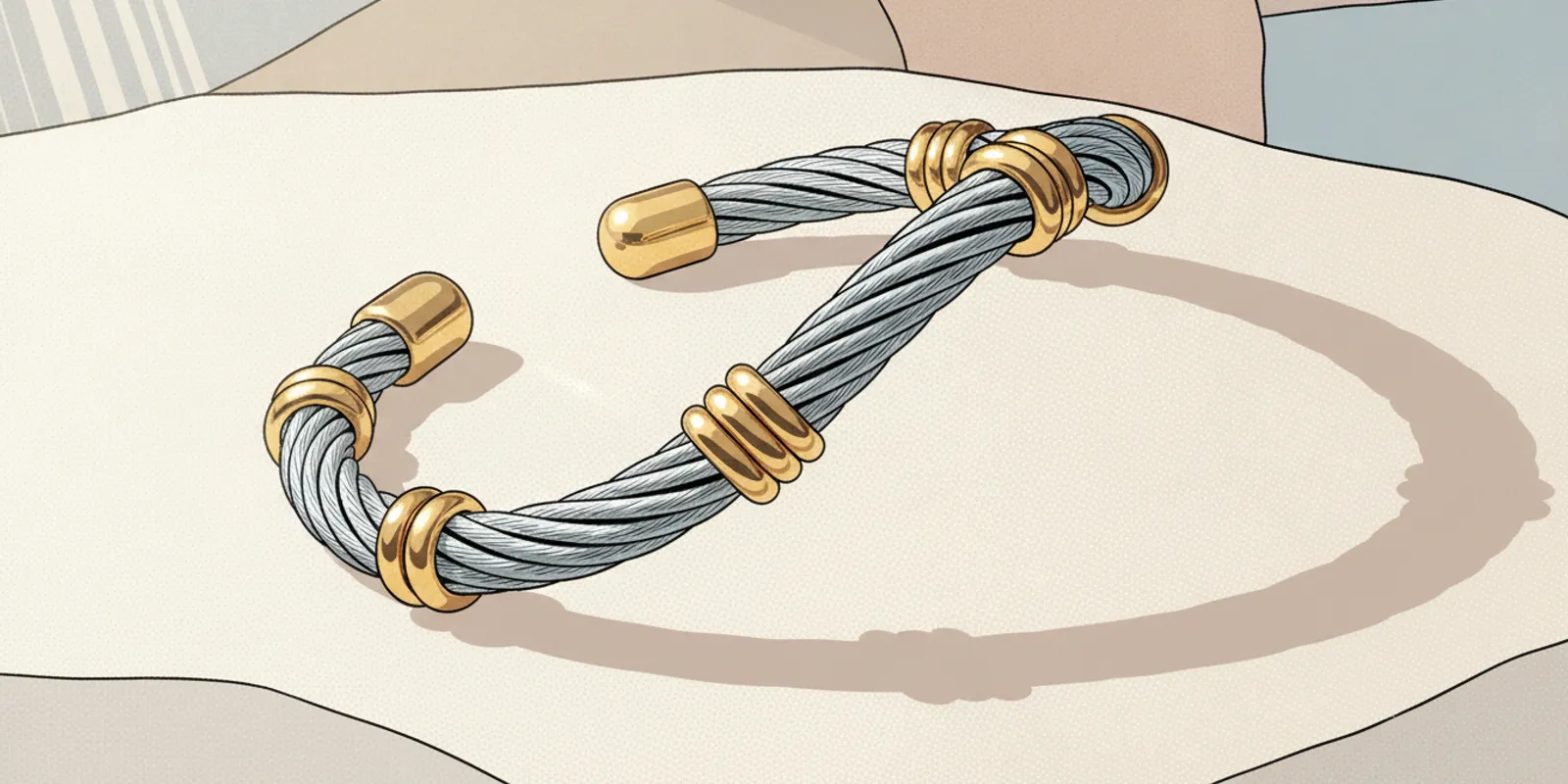
Ask about appraisal and selling options
For a bracelet-specific overview of preparing a piece and considering sale options, start with this guide to bracelet value and selling. It is a starting point, not a substitute for examining your particular bracelet.
What details influence a David Yurman bracelet’s value?
The designer name is one clue, not a value by itself. A sound estimate considers the object and the evidence that supports its identification. Record what you can verify, and keep uncertain details separate from confirmed facts.
- Design and collection: Note a style name, collection, model number, or other identifier only when you can verify it. “Silver cable bracelet” may describe pieces with different clasps, proportions, accents, and construction.
- Materials: Record visible metal colors, stones, and accents. Do not identify metal purity or gemstones from appearance alone. Marks, records, and examination may help establish what the piece contains.
- Condition: Scratches, dents, worn areas, loose elements, repairs, missing stones, and a faulty clasp can influence buyer interest. Surface wear and structural damage are not equivalent.
- Completeness and records: A box, receipt, certificate, or estate record may support the item’s history. Packaging alone does not prove authenticity, and the absence of a box does not determine value by itself.
- Current demand: Interest depends on the exact design and where it is offered. A seller’s requested price is not evidence that a buyer paid that amount.
Keep those factors distinct. Metal content alone may not reflect interest in a design, while a recognizable appearance cannot confirm uncertain materials. A useful evaluation explains what is known, what remains uncertain, and how those points affect its conclusion. The jewelry archive offers related reading, but it is not a price guide for your specific bracelet.
How can you identify the bracelet before estimating its value?
Make a simple record before requesting an opinion. Place the bracelet on a clean, stable surface. Photograph the entire piece, both sides, clasp, marks, and unusual details. Use even light and a plain background. Include a ruler in a separate image if size is not obvious, but do not bend or stretch the bracelet to measure it.
- Copy marks exactly. Record letters, numbers, symbols, and metal marks as they appear. If a stamp is faint or partly hidden, note that instead of guessing at characters or expanding an abbreviation.
- Describe construction. Note the shape, closure, approximate dimensions, visible stones or accents, and whether any part is loose, replaced, or missing. Avoid naming a metal purity unless a reliable mark or qualified examination supports it.
- Gather its history. Look for a receipt, box, certificate, gift note, or estate paperwork. Keep original documents together. Distinguish what you personally know from information passed along by someone else.
- Check possible matches carefully. Compare clasp, proportions, details, and materials, not just the overall silhouette. Save reference images and note differences rather than calling a similar piece an exact match.
This record makes it easier to ask focused questions and may prevent a look-alike comparison from misleading you. The site’s item preparation and valuation guidance can help you assemble information before asking for an opinion. Online information remains preliminary: photographs and a short description cannot always establish construction or authenticity.
How should you assess condition without changing it?
Describe what you see and avoid trying to improve the bracelet just before an appraisal or sale. Look for bends, breaks, missing stones, or loose components. Check the clasp gently to see whether it closes, but do not force a stiff mechanism. If a part shifts unexpectedly or seems fragile, stop handling it and mention the concern.
Do not polish the bracelet to make it look newer. Polishing and repair may change the surface or remove details that help with identification. Keep it dry and separate from other jewelry so pieces do not rub together. If cleaning or repair seems necessary, ask an appropriate professional before making changes, especially when materials or construction are unfamiliar.
Specific notes are more useful than a broad label. “Light scratches underneath; clasp closes; no visible missing stones” gives an evaluator something to assess. “Good condition” does not say where wear appears or whether the closure works. Note previous repairs and replacement parts honestly, even if the work was done years ago. An evaluator can consider disclosed information; an undisclosed alteration may complicate identification later.
Photographs should document, not disguise. Use close-ups of marks or flaws alongside an overall image, and avoid filters or heavy retouching. If a reflection hides a stamp, take another photograph from a different angle. Keep the original files so you can show consistent views to more than one prospective evaluator.
How can you compare value evidence without being misled?
Look for recent completed sales of the same design or a closely matched version. Compare material, size, condition, completeness, and sale date. Record the source and details for each comparison, along with why you believe it is relevant. A bracelet that resembles yours at a glance may be a different version, and an active listing may never sell.
| Evidence | What it may show | What to check |
|---|---|---|
| Current retail listing | Reference for a new or currently offered item | Whether it is the same design and whether the price is retail, not resale |
| Active resale listing | An asking price selected by a seller | Whether it sold, how long it has been listed, and differences from yours |
| Completed sale | A recorded transaction for one example | Date, condition, materials, sale format, and included charges |
| Written professional opinion | An assessment for a stated purpose and date | Scope, assumptions, evidence, and whether it is an appraisal, estimate, or sale recommendation |
Do not average unrelated listings and call the result a valuation. A good comparison is a reasoned match, not simply several prices for the same designer. If an auction result includes a buyer’s premium or other charges, confirm what the displayed figure represents before comparing it with seller proceeds. A result for a bracelet in excellent condition with complete records may not be fair comparison for a worn or altered example.
Use a short worksheet: write down the closest match, its reported sale date, what is known about condition and materials, and any difference that could matter. Then identify gaps. If a listing omits clasp type or material, mark the comparison as uncertain rather than filling in missing information yourself. The market-value topic archive provides related reading, but cannot replace a match to your specific piece.
How much could my David Yurman bracelet be worth?
“Worth” can mean different amounts. An insurance replacement figure, likely auction result, private-sale expectation, and direct dealer offer answer different questions. State your purpose before requesting a valuation so the evaluator can explain what the opinion does and does not represent.
- Insurance or personal records: Ask what type of written valuation suits the purpose, what assumptions it uses, and the date to which it applies. Keep the report with your records and check with your insurer about documentation requirements.
- A possible sale: Ask for a market-based estimate and clarify whether it is a range, asking recommendation, or projected auction result. An estimate is not a promise that a sale will happen at that amount.
- Estate administration: Explain that the bracelet belongs to an estate and ask what records or authorization are needed before an evaluation or sale. Keep the written opinion with estate documentation and confirm who can approve the next step.
Appraisal terminology and scope matter. For general background on professional appraisal standards, consult The Appraisal Foundation. Its general information does not determine the value of an individual bracelet. A valuation should make its purpose, effective date, and supporting information clear.
Before accepting a number, check that it answers the question you actually have. If you want to sell soon, an insurance replacement figure may not tell you what a buyer is likely to pay. If you need an insurance record, a quick verbal sale estimate may not provide the documentation you need. Ask whether the opinion is written, what examination it involves, and which assumptions could change the amount.
Which selling route may fit your bracelet?
Compare the likely process and net result, not just the most attractive headline figure. A private sale, auction, and direct offer involve different choices and responsibilities. Ask about timing, costs, risk, handling, and what happens if the bracelet does not sell.
- Private sale: You choose the asking price and handle the description, buyer questions, payment, and delivery. This route gives you control, but requires clear photographs, accurate disclosure, careful communication, and a safe transaction process.
- Auction: Bidding may bring interested buyers together, though a result depends on participation and sale terms. Ask about estimate, seller commission, timing, insurance, handling, and other seller-side costs before consigning. Confirm what happens if the piece does not sell and whether it can be offered again.
- Dealer or jewelry buyer: A direct offer may be straightforward. Ask whether it reflects anticipated resale, material content, or another basis. Compare the amount payable, conditions, and timing with other options rather than assuming every offer uses the same method.
For auction buyers, Lion & Unicorn’s current terms state a 30% buyer’s premium. Check the current conditions of sale for taxes and any other charges. Buyer charges are separate from seller-side costs: request the consignment agreement and applicable terms in writing. Do not assume an auction estimate is the amount you will receive.
To understand the auction setting, review the auction information for sellers and buyers and, for bidders, the bidder registration information. These pages explain auction context; they are not a valuation of your bracelet. The jewelry-specific bracelet appraisal and selling guide is a relevant starting point for considering next steps.
If you are comparing routes, write down the same questions for each: expected time, fees and charges, what evidence supports the estimate, who handles shipping or custody, and what happens if no sale results. Compare the amount you may receive after applicable costs, not an estimate in isolation. Get conditions in writing before handing over the bracelet.
What should you ask before accepting an estimate?
A few direct questions can reveal whether an opinion suits your needs. Ask the evaluator or prospective selling venue:
- How did you identify this bracelet, and which details remain uncertain?
- Does the opinion address a likely sale, insurance replacement, or another purpose?
- What comparable sales or other evidence informed the estimate?
- What fees, commissions, shipping, insurance, or additional charges might apply?
- How long could the process take, and what happens if it does not sell?
- What documents should I provide, and how will the bracelet be handled while in your care?
Request terms in writing and read them before transferring the bracelet. If you are acting for an estate or sharing ownership with family, confirm who can authorize an evaluation or sale. Keep copies of photographs, correspondence, records, and any agreement. The seller information page may be useful after you have reviewed the process and are ready to follow up.
Review bracelet appraisal and sale options
Frequently asked questions
Does every David Yurman bracelet have the same resale value?
No. Design, materials, condition, completeness, documentation, and current buyer interest all matter. Identify the exact bracelet and compare closely matched examples before drawing a conclusion.
Does a box or receipt prove authenticity?
No single box or receipt proves authenticity. These items may support a bracelet’s history, but identification should consider the piece, its marks, and reliable documentation together.
Should I clean or repair it before an appraisal?
Avoid polishing or making repairs just to improve its appearance before evaluation. Photograph its condition as it is and ask an appropriate professional whether any care is advisable.
Can I estimate its value from metal content alone?
Metal content can be one factor, but it does not account for design demand, gemstones, condition, completeness, or selling channel. Do not treat a visual guess about metal as a confirmed measurement.
Does an auction estimate guarantee a sale price?
No. An estimate is an informed opinion, not a guarantee. Participation, the bracelet itself, buyer interest, and sale terms affect the outcome, and seller-side costs affect proceeds.
Make your next step evidence-based
A useful answer to “How much is my David Yurman bracelet worth?” begins with accurate identification, clear condition notes, and comparisons that match the actual piece. Gather photographs, marks, and records; decide what kind of value you need; then compare written terms and costs before choosing how to proceed.
Discuss your bracelet appraisal or sale options
With a careful record and a clear purpose, you can evaluate an estimate more confidently and choose a route that fits your needs.
Free Consultation
Ready to Sell Your Estate or Collection?
Lion & Unicorn's expert team offers free appraisals and nationwide pickup service.
Over 30 years of experience — Florida's most trusted auction house.