


Value My Stuff: Free and Professional Options
Free Consultation
Ready to Sell Your Estate or Collection?
Lion & Unicorn's expert team offers free appraisals and nationwide pickup service.
Over 30 years of experience — Florida's most trusted auction house.
If you are searching for how to value my stuff, start by deciding why you need a value. Selling, insurance, estate planning, donation records, and probate can call for different estimates. A number useful for one purpose may mislead you in another situation. Photograph each item. Record its dimensions, condition, and identifying marks.
Request guidance for your antiques and collectibles when you want a knowledgeable next step.
Keep labels, provenance, and receipts with your notes.
To value my stuff responsibly, begin with clear documentation and recent comparisons from reputable auction results or dealer sources. For tax and estate purposes, review the IRS definition of fair market value in Publication 561. It describes a price agreed upon by an informed buyer and seller.
Free research can provide a useful starting point for common belongings. Rare, high-value, or legally significant items may warrant professional guidance. The first step is understanding what kind of value you are trying to establish.
What Does It Mean to Value My Stuff?
Valuing personal belongings does not produce one universal number. The useful value depends on your decision. A garage-sale estimate, an estate report, and an insurance valuation can describe the same object in different ways.
Before researching prices or contacting an appraiser, write down the purpose of the valuation. State whether it is for insurance, tax, estate planning, donation, or a sale. This helps a professional use the appropriate method.
It also prevents a casual online estimate from being mistaken for a formal report.
Fair market value is a defined concept used by the IRS. It generally means a price between a willing buyer and seller. Neither party is under pressure. Both understand the relevant facts.
That definition differs from the amount someone once paid.
It also differs from sentimental value or the highest asking price online.
See the IRS guidance for estate and donation terminology.
Different purposes call for different values
- Resale value: The amount an item might bring in its current market. Condition, authenticity, demand, timing, venue, and selling costs can all affect the result. A resale estimate helps you decide whether to sell and where to offer an item. It is not a promise of a final price.
- Insurance or replacement value: An estimate of replacement cost. This figure can be higher than what an older item would bring in a resale market. Do not use the two values interchangeably.
- Estate or tax documentation: A valuation for an estate inventory, probate process, or tax filing may require specific documentation and a defined valuation date. Requirements vary. Executors should confirm them with the appropriate attorney, tax professional, or authority.
- Donation value: A value used for a charitable contribution may have substantiation and reporting requirements. A personal estimate is not automatically enough for a tax filing. Ask a qualified tax adviser what documentation applies to your situation.
A formal appraisal is different from a casual opinion or online calculator. It is tied to a stated purpose, scope, method, and supporting records. That detail may be unnecessary for ordinary household decisions. It matters more when belongings are rare, insured, donated, divided among heirs, or part of a complicated estate.
The National Park Service distinguishes insurance, estate, and selling purposes in its appraisal guidance.
Identify the purpose first. Then describe the item accurately, including its condition and known history. A credible valuation should explain what the number represents and what assumptions were used. It should also state what the figure does not promise. That clarity is more useful than a flattering figure with no supporting evidence.
How Can I Value My Stuff for Free?
You can build a useful first estimate without paying for a formal appraisal. The goal is not to produce an exact number. Identify what you own and find genuinely comparable items. Then recognize which pieces deserve closer review.
- Photograph the item from several angles. Use clear, well-lit photos of the front, back, underside, interior, hardware, and areas of wear. Add close-ups of signatures, labels, stamps, inscriptions, and maker’s marks. Good images make online research more reliable. They also give an expert useful context if you later request an evaluation.
- Record measurements and identifying details. Write down height, width, depth, weight when relevant, materials, pattern name, model number, and construction details. A mark that seems minor can distinguish a common production item from a less frequently seen example. For silver, you can learn how to identify and value silver before comparing specific pieces.
- Research the item’s provenance. Provenance means its documented ownership history. Look for receipts, family records, exhibition labels, correspondence, estate documents, and acquisition details. Provenance does not automatically establish a price. However, credible ownership history can support authenticity and add context. The Smithsonian American Art Museum explains why an object’s history matters in its object-worth guidance.
- Assess condition honestly. Note chips, cracks, stains, scratches, missing parts, repairs, replacements, fading, restoration, and working problems. Do not clean or repair an object simply to make it look better before researching it. Even minor damage or restoration can affect how comparable buyers and specialists view an antique. The Getty Research Institute offers a useful appraisal research guide.
- Compare completed sales, not asking prices. Search reputable auction databases, specialist dealer sites, and library or museum resources for the same maker, model, pattern, period, material, and condition. Focus on completed auction results. Note the date, venue, condition, and whether the result includes a buyer’s premium. A current listing shows what someone hopes to receive. A completed sale shows what a buyer actually paid in that market.
- Check more than one reputable source. Compare several closely matched results and record the range rather than selecting the highest figure. If independent sources disagree substantially, treat that disagreement as a reason to pause. Preserve your documentation and seek qualified guidance rather than averaging the numbers into a false certainty.
Keep your photos, notes, source links, and comparable sales together. You can also review Lion & Unicorn’s past auction results for a practical example of how completed results are presented. These records help you decide whether free research is sufficient or whether the item’s purpose, rarity, or potential value calls for a formal opinion.
How Do I Prepare My Belongings for a Valuation?
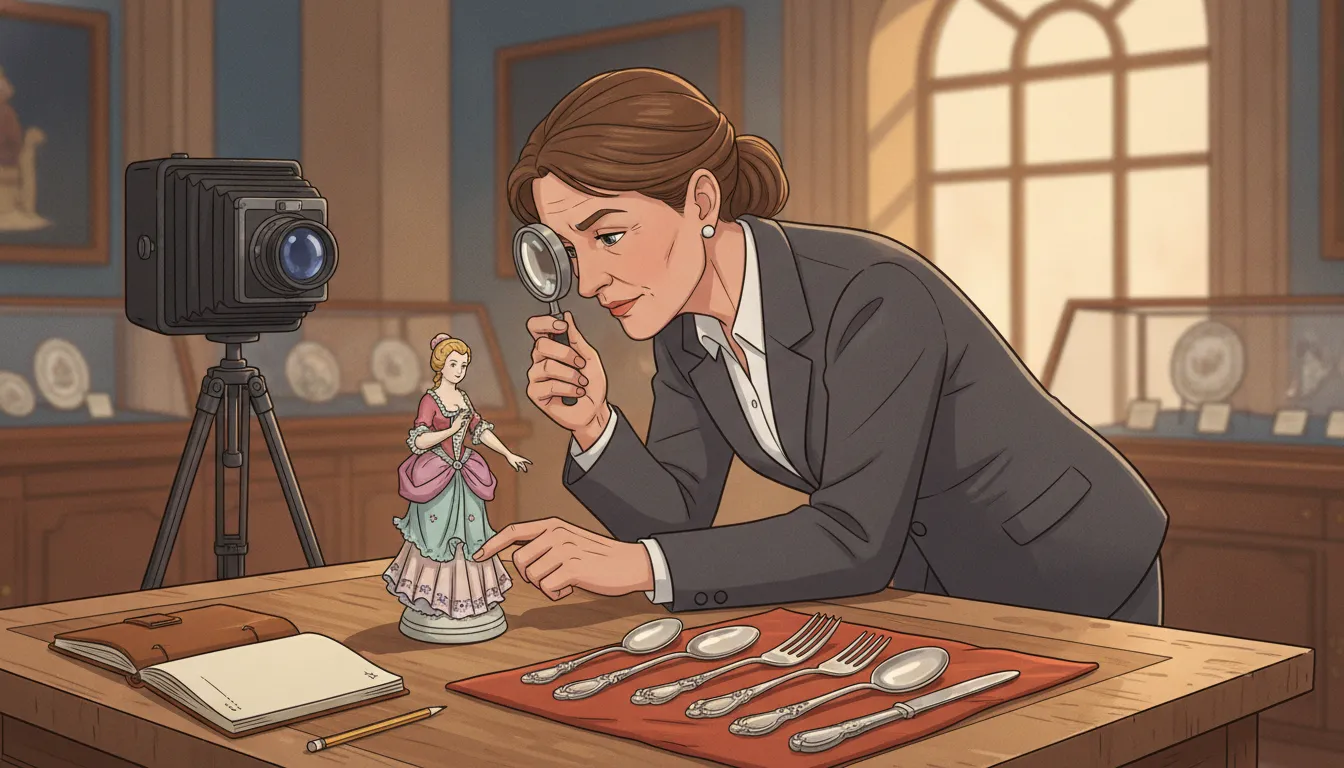
A little organization can make a remote estimate, auction-house conversation, or professional appraisal more productive. You do not need to know what everything is worth before you begin. Your goal is to give the evaluator a clear picture of the collection, preserve useful information, and identify pieces that deserve closer attention.
Start with a simple inventory
Walk through the home and create a basic list of the belongings being considered. Record a short description, quantity, location, and obvious identifying details. For an estate, a comprehensive initial inventory provides a useful baseline for the appraisal process and helps an executor track what has been reviewed. Group ordinary household items together, while listing distinctive or potentially important pieces individually.
Group related belongings when they belong together, such as a matched tea service, a set of flatware, a collection of porcelain figures, or artwork from the same owner. Keeping a group intact can provide context that is lost when pieces are separated. If you are downsizing, mark items that need more research instead of trying to document every possession in equal detail.
Take clear photos and preserve records
For each notable item, take well-lit photos of the front, back, sides, top, and underside. Include close-ups of maker’s marks, signatures, labels, inscriptions, model numbers, and unusual construction details. Keep the camera parallel to the object where possible, and avoid glare that obscures a mark or surface.
Measure height, width, depth, and diameter where relevant. Note the materials if known, along with the maker, artist, pattern, title, or estimated date. Do not discard old receipts, catalogs, certificates, exhibition records, family letters, or other ownership information. Photograph those records and identify the item to which each record relates.
Describe condition without guessing
Be candid about chips, cracks, stains, missing parts, fading, looseness, repairs, replaced components, and restorations. Do not clean, polish, repair, or reframe an item simply to make it look better before review. Condition is a major valuation factor, and even a minor repair can affect an item’s assessment. If you are unsure whether a mark is damage or part of the original design, describe what you see without guessing.
Prioritize before requesting a closer look
Set aside pieces that are signed, unusually well documented, part of a complete collection, visually distinctive, or associated with a recognized maker. Also flag items with family history or records that may matter to an executor. This priority list helps a professional focus attention where additional research or authentication may be most useful.
For a larger estate, Lion & Unicorn’s estate sales consultants page provides context on the type of planning that may be useful. Keep your inventory, photographs, and notes together. A calm, organized presentation makes it easier to explain whether you are seeking guidance for selling, estate administration, downsizing, or another purpose.
What Is the Difference Between an Estimate and an Appraisal?
An estimate and an appraisal can both help you understand what an item may be worth, but they answer different questions. An informal estimate is usually a practical market opinion based on photographs, a brief description, comparable sales, or an auction-house review. It can help when you are deciding whether to sell, consign, or research an item further.
A formal appraisal is a documented opinion of value prepared for a defined purpose. That purpose matters because the same object can have different values depending on whether it is being sold, insured, included in an estate, or considered for donation. Before requesting either service, explain what decision or documentation you need. Clear instructions help the professional select the appropriate type of value.
| Purpose | Best fit |
|---|---|
| Selling or consigning | Informal estimate or auction-house evaluation |
| Insurance | Replacement-cost appraisal |
| Estate or probate | Formal appraisal |
| Donation or tax questions | Appraiser and tax guidance. |
For insurance, the result may address replacement cost new. That figure differs from what an older item might bring in a resale market.
The National Park Service distinguishes appraised value used for insurance or estate purposes from resale value used in a sale. The IRS defines fair market value as the price between a willing buyer and willing seller who are not under compulsion and have reasonable knowledge of relevant facts.
For an estate, an initial inventory can make the valuation process more organized. A formal appraisal may be appropriate when reliable documentation is required. For a high-value or unusual object, condition, provenance, and comparable sales may need closer review than an informal estimate provides. If you are still comparing options, read what an antique appraisal is and what it may cost.
When Should I Ask an Auction House to Value My Stuff?
DIY research is a useful first pass, but an auction house can add perspective when you have a broad collection. This is especially helpful when you have an estate to organize or items whose value depends on more than appearance. A specialist may help assess a collection, prioritize notable pieces, group related belongings, and discuss whether an auction route fits your goals.
An auction-house review is not the same as a guaranteed selling price. It is an informed assessment based on condition, provenance, comparable auction activity, and current demand. The eventual result can vary with timing, presentation, bidder interest, and other market conditions. Public auction results are useful indicators because they reflect competitive bidding, not promises about what another item will bring.
What an auction house looks at
Bring clear photographs and any information you have about the item’s history. Specialists may examine maker’s marks, materials, dimensions, damage, repairs, restoration, and completeness. Condition matters greatly, even when an object appears attractive at first glance. Receipts, exhibition records, family correspondence, and prior appraisals may all be worth preserving.
The specialist will compare the object with relevant auction activity. The best comparisons consider maker, model, period, size, condition, provenance, and whether the item was offered through a market that attracts comparable buyers. Demand can differ by category and location, so regional knowledge may reveal practical opportunities that a general online estimate misses. You can learn how auction houses work before making that decision, or review how bidding works if you may participate as a buyer.
When estate logistics are part of the decision
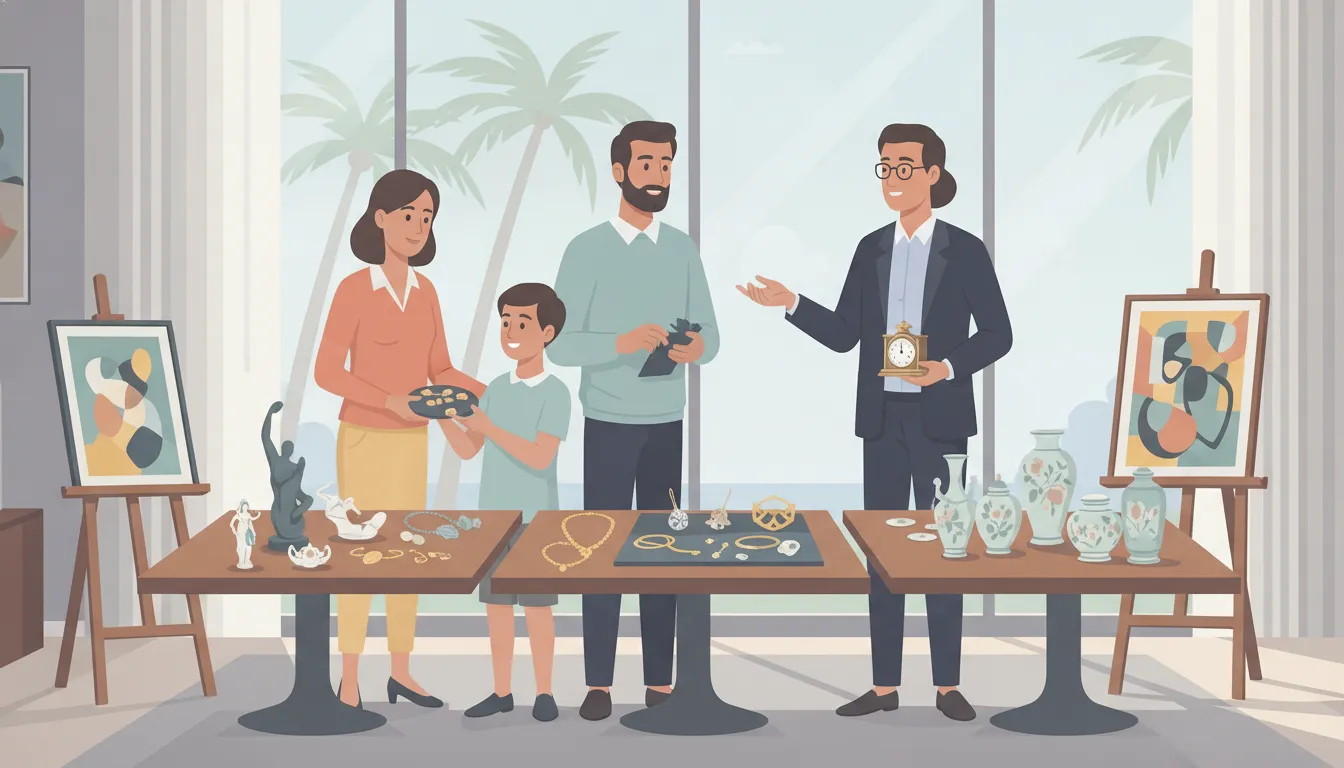
For executors and families downsizing, the question is often larger than what one item is worth. A local, experienced auction house may help assess a collection, prioritize notable pieces, group related belongings, and discuss practical estate liquidation steps. Start with an inventory and separate items that may need specialist review from ordinary household contents.
Before proceeding, ask what information the estimate uses, whether the review covers the complete collection. How condition and provenance will be handled, and what services or fees apply if you consign. Keep any estimate in context. It is a reasoned market indication, not a guaranteed sale or final hammer price. For another selling perspective, compare who buys antiques near you and the questions to ask before accepting an offer.
When Is a Professional Appraisal Worth the Cost?
Paying for an appraisal makes the most sense when the consequences of being wrong are significant or when the item is difficult to identify from photographs and online comparisons alone. A formal opinion may be worthwhile for rare or potentially high-value art, jewelry, coins, porcelain, crystal, and other collectibles. Professional help is not necessary for every household object. The question is whether the purpose and complexity of the valuation justify a closer review.
When documentation matters
Insurance is one common reason to seek professional help. An insurance valuation may address replacement cost, which is different from the amount an older item might bring in a resale market. Explain the intended use before the work begins so the appraiser prepares the appropriate type of report. The National Park Service distinguishes insurance values from values used for selling or tax reporting in its appraisal guidance.
Estate and probate matters are another situation where a documented valuation can be more useful than an informal estimate. Executors may need an organized inventory and support for estate administration or tax reporting. The IRS defines fair market value as the price at which property changes hands between a willing buyer and seller who are not under pressure and are aware of relevant facts. A quick online estimate should not automatically replace documentation requested by an attorney, court, or tax professional.
When expertise can resolve uncertainty
Consider an appraisal when online estimates conflict, one source seems unusually optimistic, or you suspect an item may be authentic, rare, or historically important. Online results can overlook repairs, reproductions, incomplete sets, and differences between similar makers. Authentication may require stylistic, technical, or provenance research that a general price database cannot provide.
Complex collections deserve a broader conversation than item-by-item guessing. A large estate, inherited collection, or group of mixed objects may need inventory, prioritization, condition review, and advice about whether to sell privately, consign, or auction. No appraisal guarantees a sale price or auction result. The report should clearly state its intended use and limitations.
Lion & Unicorn provides USPAP-compliant appraisals by ISA-certified members for collectors, families, and estate executors. If you need help assessing a significant item or complicated collection, review how to choose a qualified appraiser and gather photographs, ownership history, marks, dimensions, and condition notes before requesting an evaluation.
Talk with Lion & Unicorn about your valuation needs when you need a purpose-specific opinion.
Frequently Asked Questions
How can I value my stuff for free?
Start by photographing each item, recording its dimensions, and noting maker’s marks, labels, provenance, and condition. Then compare it with recently sold examples in reputable auction databases or dealer resources, rather than relying only on asking prices. For unusual objects, document identifying marks and research comparable sales before seeking an appraisal. The Library of Congress research guidance can help you develop a careful starting process.
Is valuing my stuff the same as an appraisal?
No. A general estimate may help you decide whether to sell, consign, donate, or research further. An appraisal is a formal, purpose-specific opinion of value prepared for a defined use, such as insurance, estate administration, or tax documentation. The appropriate value can change with the purpose, so explain that purpose before requesting professional work.
Should I get an appraisal to value my stuff?
Consider a professional appraisal when an item may be rare or significant, when you need documentation for insurance or an estate, or when informal estimates conflict. It may be less practical for ordinary household belongings whose likely resale value would not justify a formal report. For estate or tax matters, review the IRS explanation of fair market value and qualified appraisal considerations in Publication 561.
How do auction houses value my stuff?
An auction house reviews condition, authenticity clues, provenance, regional demand, and comparable auction results. It may provide an estimate for a potential sale or recommend consigning items if the collection fits its market. Ask what value is being discussed, which costs apply, and whether the estimate is preliminary. No estimate guarantees a final sale price or auction result.
Ready to Get a Professional Appraisal?
Free research can help you organize your belongings, but a clear purpose or a complicated collection may call for experienced guidance. Lion & Unicorn can help you take the next step with a professional evaluation suited to antiques, art, collectibles, or estate belongings.
Request a professional appraisal or evaluation.
Share the valuation purpose. List the items involved.
Provide your gathered documentation so the specialist can understand the items and the purpose of the valuation.
Free Consultation
Ready to Sell Your Estate or Collection?
Lion & Unicorn's expert team offers free appraisals and nationwide pickup service.
Over 30 years of experience — Florida's most trusted auction house.