
Free Consultation
Ready to Sell Your Estate or Collection?
Lion & Unicorn's expert team offers free appraisals and nationwide pickup service.
Over 30 years of experience — Florida's most trusted auction house.
Is my Tiffany Studios antique worth anything? It may be, but age and a familiar name do not establish a value by themselves. The answer depends on the specific object, the evidence supporting its attribution, the originality of its components, condition, ownership history, and the selling route you choose. A careful first step is to document the piece as it is rather than cleaning, repairing, or pricing it from a quick online comparison.
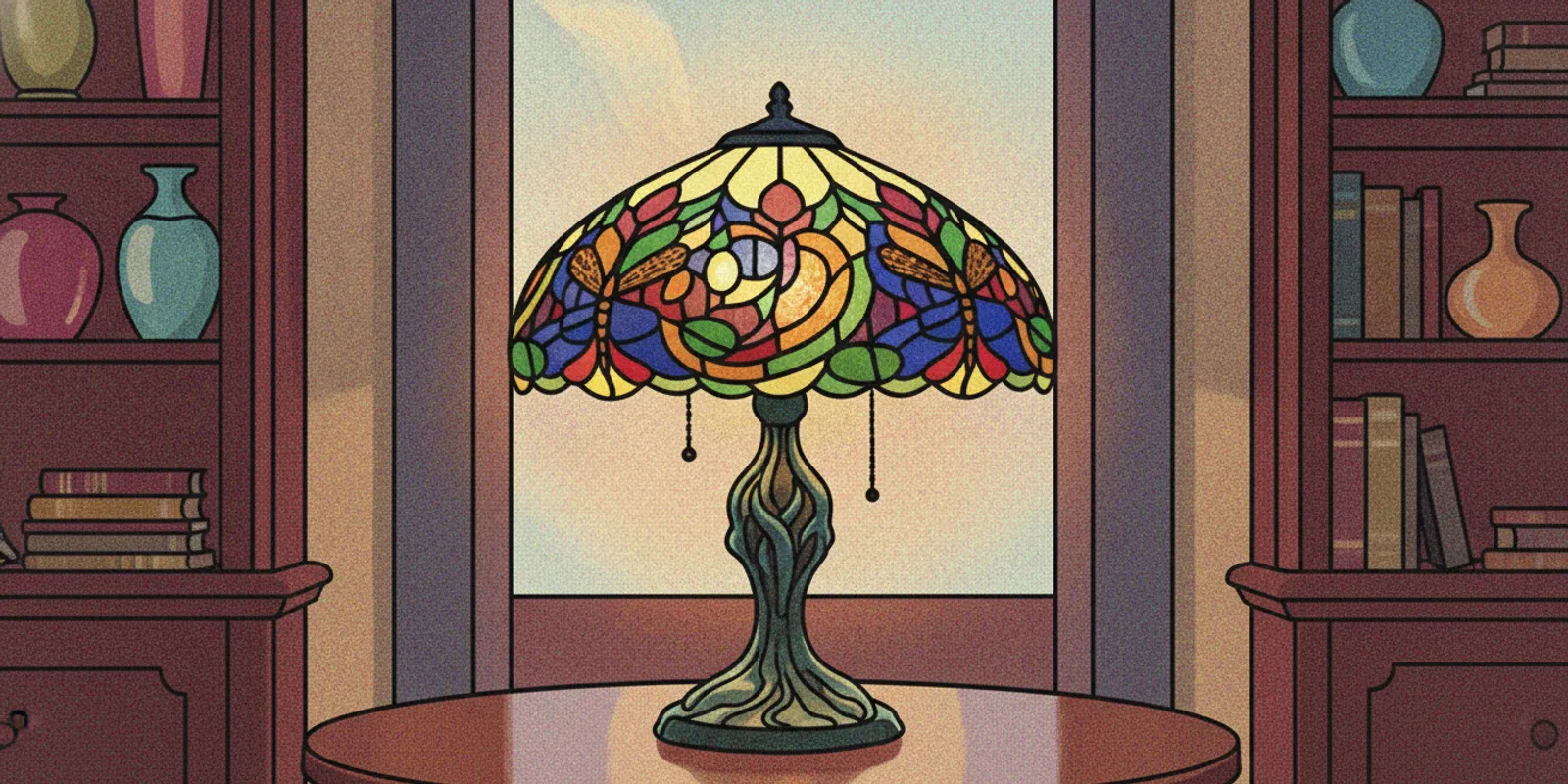
Request a review of your Tiffany Studios piece
What determines whether a Tiffany Studios antique has value?
There is no single value for every object associated with Tiffany Studios. A leaded-glass lamp, a shade without its base, a vase, and a small desk accessory are different objects with different audiences. Even within one category, a particular form, pattern, color, scale, and state of preservation can affect collector interest. A sound valuation addresses the specific piece in front of the reviewer, not just the name attached to it.
Several factors usually matter together:
- Identification: The form, materials, construction, and marks should be consistent with the proposed attribution. No single stamp or label proves the entire case.
- Design and demand: Recognizable patterns, appealing color, and a well-preserved design may attract interest, but collector preferences and market conditions change.
- Originality: A lamp’s shade, base, fittings, and other components should be assessed as a group. A later replacement or combination of pieces may affect how it is described.
- Condition: Breaks, repairs, missing elements, distortion, surface wear, and electrical alterations can influence desirability and price.
- Provenance: Receipts, old photographs, family records, or previous reports can add context when considered alongside the object itself.
- Sale circumstances: An appraisal, auction result, and direct offer answer different questions. Fees, timing, audience, and sale terms matter too.
These factors are not a checklist in which one strong point cancels out a weakness. A compelling design does not resolve questions about originality, and an old family story does not by itself establish authorship. The most useful conclusion weighs the available evidence and clearly describes what remains uncertain. Related reading is available in the market value resources and the antiques archive.
How should you document the object before seeking an opinion?
Make a record while the object is still in its present condition. Photograph the complete piece from the front, back, and sides. Then take close views of marks, fittings, joins, the underside, and every visible area of damage. Use even light and avoid reflections that hide surface details. Include a ruler or another size reference in a separate image when it helps show scale. Keep the original-resolution photographs; cropped details are useful, but they should not replace views that show where each detail appears.
Write down the basic facts you know. Include measurements, materials, colors, pattern descriptions, and the exact wording and location of every stamp or label. Record how the object came into your possession and what you know about prior ownership. If a family member remembers a purchase or repair, note who told you and when. Separating direct records from recollection makes the history easier to assess.
Collect documents that may provide context, such as receipts, correspondence, estate inventories, prior reports, insurance schedules, or photographs showing the item in an older setting. Preserve originals and share copies when possible. A document can be useful without being conclusive. For example, a previous valuation may have addressed a different purpose or may no longer reflect the question you need answered.
Do not polish metal, clean glass aggressively, rewire a lamp, or separate components just to prepare for a review. A well-intended change can damage fragile material or conceal evidence about wear and construction. If the item is unstable, cracked, or difficult to move, ask for handling advice before transporting it. The guide to choosing an appraiser in Florida offers questions to consider before a professional discussion.
What can marks, materials, and construction tell you?
Marks can help identify an object, but they need interpretation. Record the mark exactly, including punctuation, numbers, and lettering, and photograph it with enough surrounding area to show its placement. A close-up alone may hide whether a mark is on an original component, a later fitting, or a part that has been replaced. An image that looks similar to one found online is a lead for further research, not conclusive proof.
Construction details provide another line of evidence. On leaded glass, a reviewer may consider the glass, leading, solder, frame, and how the shade is assembled. On metal, the casting, finish, fasteners, and wear can provide context. A lamp’s fit between shade and base may also be relevant. These observations do not create a do-it-yourself authentication formula; they help an informed review ask better questions and identify areas needing closer examination.
Look for inconsistencies, but do not assume every difference means a piece is inauthentic. Objects can be repaired, adapted, or assembled from components made at different times. The practical approach is to disclose what is known and let the reviewer distinguish original material from later work where possible. The result may be a qualified description rather than a simple yes-or-no answer.
How does condition affect a Tiffany Studios piece?
Condition can have a substantial effect, though the consequence depends on the type of object and the extent of the issue. A small stable flaw is not the same as a large crack, missing glass, structural instability, or extensive restoration. Buyers may also respond differently to a visible repair than to one that is hard to see. Concealing a problem, however, creates risk and makes an accurate description more difficult.
Describe condition in plain terms. Note cracks, chips, losses, loose or sagging areas, replaced glass, repaired solder, discoloration, missing fittings, bent metal, surface changes, and electrical work. If you do not know when a repair was made or who performed it, say so rather than guessing. Clear information allows a specialist to consider the effect and helps prevent confusion during a sale.
Handle the item carefully. Support a lamp by a stable structural area, not by the shade, and avoid setting it on an unpadded surface. Do not lift a fragile shade by its rim or test loose joints. If components can be separated without force, protect each separately; if they cannot, do not force them apart. Photograph the item before moving it and ask for packing guidance when its condition makes ordinary handling risky.
How can you distinguish an appraisal from a sale estimate?
Start by identifying the decision you need to make. An appraisal is a valuation opinion prepared for a stated purpose. An auction estimate is a guide used to position a lot for a sale, not a guaranteed result. A direct offer is the amount a specific buyer is prepared to pay under particular terms. A private listing puts the owner in control of presentation and negotiations, but also leaves the owner responsible for reaching buyers and managing the transaction.
The same Tiffany Studios object can therefore receive different numbers without anyone necessarily making an error. An insurance-related assignment may use different assumptions from an auction estimate. A direct offer reflects one buyer’s needs, risk assessment, and costs. A public auction result reflects the bidders present at a particular time. Ask what each figure means before comparing them.
| Route | What it can answer | What you should confirm | Best suited to |
|---|---|---|---|
| Appraisal | A documented opinion for a defined purpose, based on the evidence reviewed | Purpose, scope, inspection method, fee, and report delivery | Owners who need a reasoned valuation starting point or documentation |
| Specialist auction | What bidders may offer at a particular sale under stated terms | Seller commission, reserve, catalog description, timing, insurance, and shipping | Pieces that may benefit from reaching multiple interested bidders |
| Direct sale | What a particular buyer is prepared to pay now | How the offer was formed, payment, transfer, and any conditions | Sellers who value a more direct and potentially simpler transaction |
| Private listing | Whether an owner can find and negotiate with a buyer independently | Advertising, inquiries, payment security, packing, and delivery | Owners comfortable managing the entire selling process themselves |
Compare the net outcome, not only the headline number. For an auction, ask which seller charges apply, whether a reserve is appropriate, what happens if the lot does not sell, and when proceeds are paid. For an offer, confirm whether it is final, what it includes, and how payment and pickup work. For an appraisal, confirm the report’s intended use and whether an in-person examination is needed.
Which selling route may fit your situation?
Your priorities should guide the next step. If you need documentation for an estate, insurance record, or planned decision, begin by defining the appraisal purpose. If you want to expose a desirable object to several bidders, ask about specialist auction placement and the costs that affect proceeds. If speed and simplicity matter most, a direct offer may be worth comparing, but it should be evaluated against the object’s potential audience and the terms offered.
Consider a hypothetical inherited lamp with a shade and base that have stayed together, several family photographs, and a documented repair. The photographs and records may support the history, while the repair still needs to be described. A preliminary review could determine whether the piece merits a closer examination, an appraisal for a defined purpose, or a sale discussion. By contrast, a shade with an uncertain base, no records, and visible damage may require more identification work before any selling route can be compared fairly.
For an overview of the company’s auction services and its valuation and appraisal information, review those pages before choosing a route. If the object is glassware, the glassware archive may provide related reading. A general resource is not a substitute for an assessment of your particular piece.
What should you ask before agreeing to a sale?
Ask how the object will be examined, researched, photographed, and described. Find out what records are useful and whether an in-person inspection is recommended. If a specialist gives a preliminary view from photographs, ask what cannot be established remotely. A careful explanation of limits is more useful than a confident figure with no clear basis.
Before signing an agreement, get the financial and practical terms in writing. Ask about seller commission and any insurance, transport, storage, or administrative charges. Clarify whether there is a reserve, how it is set, and who must approve a change. Confirm the sale schedule, payment timing, responsibility for packing and shipping, and what happens if the object remains unsold.
Buyers should also read the current sale terms. Lion & Unicorn identifies a 30% buyer’s premium in its conditions of sale; confirm current terms for taxes and any other charges. That buyer charge is not the same as a seller’s net proceeds, so it should not be used to calculate what a consignor will receive.
Professional appraisal practice includes standards and guidance that help explain why purpose and scope matter. The Appraisal Foundation provides information about appraisal standards and the appraisal profession. Readers should still confirm the qualifications and scope relevant to the particular assignment rather than assuming one report serves every purpose.
When is an appraisal a useful next step?
An appraisal can be useful when you need a documented opinion for an estate, insurance records, a planned sale, or another defined purpose. State that purpose before the work begins. Different valuation questions may call for different assumptions and approaches, so an insurance value should not automatically be treated as the amount likely to be realized at auction.
Bring photographs, measurements, provenance records, and a candid condition description. Tell the reviewer whether the shade and base have always been together, whether the object has been repaired, and whether you have received any offers. Those details help clarify the question you want to answer. If the object is part of a collection, mention related pieces and shared documentation; a larger context can affect how the group should be reviewed.
For a possible auction or consignment discussion, ask what evidence is needed and what would happen next. A preliminary conversation can help determine whether a specialist review or an in-person examination is appropriate. It should not be confused with a completed appraisal or a promise about a future sale price.
Discuss appraisal or consignment options
Frequently asked questions
Does a Tiffany Studios mark prove that a piece is authentic?
No. A mark is one clue that should be considered with construction, materials, form, condition, and provenance. Its location and the component bearing it matter, too. A qualified review is safer than relying on a stamp in isolation.
Can a damaged piece still have value?
It can. The effect depends on the damage, the surviving original material, the design, and buyer interest. Disclose all known repairs and flaws so the object can be described accurately and the likely selling route can be considered.
Should I clean or rewire a lamp before seeking a valuation?
Do not make changes before asking for guidance. Cleaning, polishing, repair, or rewiring can affect fragile material or remove evidence. Photograph the lamp as it is and ask how to handle it safely.
Is an auction estimate the amount I will receive?
No. An estimate is not a guarantee. The final hammer price depends on bidding, and seller charges and other written terms affect proceeds. Ask for a clear explanation of both the estimate and the expected transaction terms.
What is the first step if I inherited a Tiffany Studios object?
Secure it, photograph it, gather family records, and avoid alterations. Then request a review that considers identification, condition, and the purpose of your valuation question before you choose whether to keep, insure, or sell it.
Ready to evaluate your Tiffany Studios antique?
Start a conversation about your piece
The most dependable way to learn whether a Tiffany Studios antique is worth pursuing is to document it carefully, assess the evidence and condition, and compare a suitable valuation with the terms of the selling route you are considering.
Free Consultation
Ready to Sell Your Estate or Collection?
Lion & Unicorn's expert team offers free appraisals and nationwide pickup service.
Over 30 years of experience — Florida's most trusted auction house.