


Sell Fine Art and Collectibles in Vero Beach FL
Free Consultation
Ready to Sell Your Estate or Collection?
Lion & Unicorn's expert team offers free appraisals and nationwide pickup service.
Over 30 years of experience — Florida's most trusted auction house.
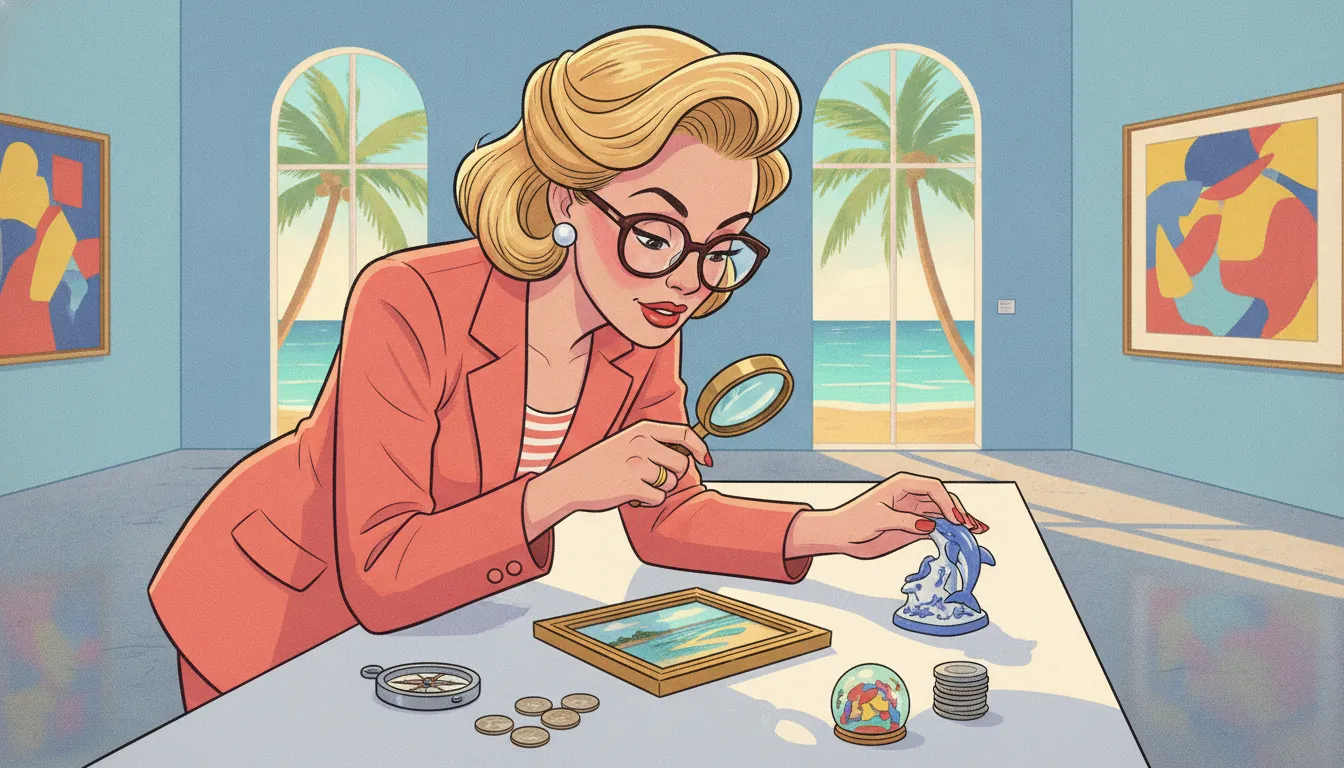
Selling an inherited painting, a collection of ceramics, or a single valuable object is easier when you begin with information rather than assumptions. Before choosing an outlet, document what you own, note its condition, and ask how the proposed route would reach suitable buyers.
Discuss your art or collection with Lion & Unicorn at (954) 866-8044 to confirm whether its auction and logistics services fit your needs.
To sell fine art and collectibles in Vero Beach FL, start by gathering provenance, measurements, photographs, and condition details, then speak with an auction house about specialist fit, consignment terms, pickup, and transport. The right choice depends on the items, your timeline, and the selling support available for your location.
With those basics in hand, you can compare your collection with the practical requirements an auction house uses to assess and prepare property for sale.
How to Sell Fine Art and Collectibles in Vero Beach FL
If you are deciding how to sell fine art and collectibles in Vero Beach FL, begin by matching the selling route to the items, your documentation, and the practical needs of everyone involved. A painting, sculpture, estate collection, or inherited group of objects may need specialist review before you decide whether an auction, consignment arrangement, or another method is appropriate.
Lion & Unicorn is a full-service auction house serving Florida sellers and clients across the United States. Its main gallery and production studio are in Hollywood, Florida, so this is a service inquiry rather than a claim of a Vero Beach office. Ask specifically whether your items are suitable, and confirm the available arrangements for pickup, packing, transport, and consignment from your location. You can learn more about selling through South Florida auctions before making that conversation.
Start with the collection, not just the location
Make a short inventory of the art and collectibles you want to sell. Include the artist or maker when known, category, condition, dimensions, signatures or labels, and any purchase records, estate documents, or other provenance. Clear photographs can help a specialist understand what you have before discussing next steps. Keep related pieces together rather than separating a collection prematurely.
Compare the selling path with your circumstances
An auction may be worth exploring when specialist knowledge and access to interested bidders matter. Other items may call for a different route, especially when condition, documentation, or family decisions are still unclear. If the property comes from an estate or downsizing project, consider whether you need coordinated help with more than individual lots. Lion & Unicorn also provides estate appraisal services. Learn more about these services to understand the planning stage.
The next step is a focused discussion about the objects, their condition, your timeline, and the logistics of moving them from Vero Beach. That conversation can clarify which information is still needed before you choose a selling plan.
Build a Clear Inventory Before You Ask for a Selling Plan
A well-organized inventory gives a specialist useful information before seeing the piece in person. It also helps heirs, executors, and collectors keep track of individual works when several items may be reviewed together. Create one record for each painting, sculpture, ceramic, crystal piece, coin group, or other collectible.
Record the identifying details
- Title and creator: Write down the title and artist, maker, designer, or known brand.
- Date and edition: Include the creation year when known. For prints or multiples, record the edition number and total edition size if shown.
- Medium and dimensions: Note whether the work is an oil, watercolor, photograph, print, sculpture, ceramic, or another medium. Measure the object and, when relevant, record both the art and framed dimensions.
- Signature: Record whether the piece is signed, where the signature appears, and whether it is dated or numbered.
Document condition and history
Take good-quality photographs of the front, back, signature, labels, marks, frame, and any certificates or supporting paperwork. Photograph damage rather than hiding it: note chips, cracks, tears, fading, stains, repairs, scratches, loose components, or frame wear. Include the framing cost or describe the frame clearly, since framing can be relevant to the inventory record.
Gather receipts, exhibition records, prior appraisals, certificates, correspondence, and family notes that may establish provenance. Keep the original documents together and identify which item each belongs to. For additional preparation ideas, see this guide on how to prepare a collectible for sale.
How Does Appraisal and Market Research Shape a Selling Decision?
A value is not a permanent label attached to a painting, sculpture, or collection. The Smithsonian notes that fixed values are difficult to establish for artworks and collectibles because several factors affect what someone may ask or offer. Condition and current market trends are two of them, alongside the interests of sellers and buyers.
That distinction matters when you are deciding whether to consign, sell privately, retain an item, or plan an estate. An appraisal can provide a documented opinion for a specific purpose, while an auction estimate or selling discussion may focus on how an item could perform in a particular market. Those are related questions, but they are not interchangeable promises of a final result.
When a specialist appraisal may help
A written valuation may be useful for estate administration, insurance, tax documentation, division among beneficiaries, or simply establishing a research baseline before you choose a selling route. Appraisers are trained specialists who work for a fee, so select one with expertise in the type of artwork or collectible you own. The Smithsonian specifically recommends matching the appraiser’s knowledge to the category involved. You can also review this guide to qualified art appraisers before requesting a service.
If your needs involve an estate or a group of inherited items, estate appraisal services may help clarify which pieces require deeper specialist attention. Ask what the written statement covers, the intended use of the valuation, and whether the specialist has relevant experience with the artist, period, medium, or category.
Researching auction records carefully
For a preliminary market view, compare recent sale and auction records for genuinely comparable works. Look beyond an artist’s name: examine medium, size, edition, condition, provenance, and date of sale. Price guides and auction indexes can provide useful context, but a similar-looking result does not guarantee that your item will achieve the same outcome. Use the research to ask better questions, then have the item assessed in its actual condition and market setting.
For a concise starting point on value research, see the Smithsonian’s guidance on determining an object’s worth.
Auction, Private Sale, or Consignment: Which Route Fits?
The right selling route depends on the kind of property, the audience it needs, and how much support you want with presentation and logistics. For a Vero-area owner, an auction house may be worth considering when several works or categories need to reach specialist buyers. Lion & Unicorn combines live and digital auction formats, and its coordinated logistics may support Florida sellers. But confirm pickup, transport, and consignment suitability for your address before committing.
| Route | Good fit | Strengths | Questions to ask |
|---|---|---|---|
| Auction | Distinctive art, collections, or property that may attract competitive interest | Can combine specialist presentation with live and online buyer reach | Which specialists will review the property? How will it be cataloged, marketed, and scheduled? |
| Private sale | A single work or collection with a clearly defined potential buyer | May allow a more targeted conversation and controlled presentation | Who is the intended market? How will authenticity, condition, provenance, and offers be assessed? |
| Consignment | Owners who want professional handling while placing items into an established sales process | Can be practical for inherited property, downsizing, or multiple items requiring coordination | What are the written terms, responsibilities, timeline, reporting process, and arrangements for unsold property? |
A private sale is not automatically better for a high-value piece, and an auction is not automatically right for every object. Condition, provenance, category expertise, and current buyer interest all affect the strategy. An estate, trust, or group of beneficiaries may also need a process that keeps item records and decisions clear.
Before choosing, compare the proposed route, services, and written terms rather than focusing only on a headline estimate. This guide to selling antiques and collectibles can help you frame that conversation and identify the questions that matter for your collection.
What Should You Ask an Auction House Before Consigning?
A first conversation should help you understand whether the auction house is a suitable partner for your artwork or collection. Bring photographs and whatever provenance or condition information you have, then ask specific questions before agreeing to consign.
- Do you have specialists for this category? Ask about experience with the artist, medium, period, or collectible category represented in your property. The right expertise matters more than a broad claim to handle everything.
- What kind of valuation am I receiving? Clarify whether the opinion is an auction estimate, a suggested reserve, or a formal written appraisal for another purpose. A specialist may evaluate a piece and provide a written statement of value, while a sale estimate reflects the anticipated market setting. The Smithsonian advises owners to seek an appraiser with expertise in the type of artwork they own.
- What qualifications support the appraisal work? If you need documentation for an estate, donation, tax, or insurance matter, ask who prepares it and whether the work is appropriate for that purpose. The IRS Art Appraisal Services page identifies appraisal methodology, USPAP training, and experience in fine art, decorative arts, and collectibles as relevant qualification areas.
- How will you market the property? Ask which auction format, catalog description, photography, specialist outreach, and digital channels may be used. Request to understand how the likely buyer audience is identified.
- How do reserves and agreement terms work? Ask whether a reserve is appropriate, who approves the listing details, what happens if an item does not sell, and which responsibilities are set out in writing. Review all seller terms carefully rather than relying on a verbal summary.
- How will I receive updates and results? Confirm how you will receive catalog approval, bidding or sale information, settlement reporting, and any post-sale communication.
- Who handles pickup, packing, and timing? For a Vero Beach consignment, ask whether pickup or transport can be arranged, how fragile pieces are packed, what insurance applies in transit, and what deadlines affect inclusion in an auction. You can also review this guide to selling antiques and collectibles before comparing your options.
How Do Pickup, Packing, and Online Auction Logistics Work?
For Vero Beach sellers, the practical details can matter as much as the valuation. Before you commit to a selling plan, confirm how the artwork or collection would move from its current location to the auction house. Ask who coordinates each handoff and which services are available for your address. Lion & Unicorn identifies pickup, packing, and transport among its services, but availability and the right arrangement should be confirmed for each consignment.
Ask how the collection will be protected
Ask whether the team will inspect the items before moving them, what packing method is appropriate for framed art, sculpture, ceramics, crystal, or other fragile pieces, and who handles loading and delivery. If a third-party carrier is involved, request clarity about responsibility during transport. Also ask how insurance or loss and damage procedures apply, rather than assuming that every item has identical coverage. Keep photographs of condition, signatures, frames, and any existing wear before packing.
Confirm the auction and communication plan
Online reach can help connect a Florida collection with interested buyers beyond the immediate area. Ask where the items will be presented, how descriptions and images will be prepared, and whether your contact will receive updates as the consignment moves through the process. If you are an executor, heir, or managing multiple beneficiaries, agree in advance on who can authorize transport, approve terms, and receive reports.
For a larger household, inherited collection, or downsizing project, ask whether estate-sale and liquidation services are appropriate alongside an auction. The company identifies its main gallery and production studio in Hollywood, Florida, and describes service for Florida sellers. So Vero Beach readers should confirm pickup range, transport arrangements, packing, insurance, timing, and consignment suitability before making plans.
A Vero Beach Seller Checklist Before the First Conversation
A little preparation helps a specialist understand what you own, what matters to you, and which selling route may be appropriate. Before you call, work through these steps:
- Gather the inventory. List each painting, print, photograph, sculpture, ceramic, crystal piece, coin, or related collectible. Group items that belong together, and note whether the list covers one item, a collection, or an inherited estate.
- Record identifying details. For each piece, write down the title, artist or maker, medium, dimensions, creation year if known, edition number, and whether and where it is signed. A good-quality photograph of each item will make the first review more useful.
- Document condition honestly. Note chips, cracks, tears, fading, repairs, missing parts, loose frames, stains, or other visible issues. Photograph those details rather than cleaning or repairing an item before receiving guidance.
- Collect provenance. Set aside receipts, certificates, previous appraisals, exhibition records, correspondence, family history, and purchase information. Keep paperwork with the item it describes, but do not discard an object because its documentation is incomplete.
- Clarify your goals. Consider whether you are downsizing, settling an estate, dividing property among beneficiaries, or planning a collection sale. Mention any important deadline, location, access limitation, or need to coordinate with other decision-makers.
- Prepare practical questions. Ask about category expertise, valuation, marketing, consignment terms, pickup or transport from Vero Beach, packing responsibilities, timing, insurance, and seller reporting. Availability and logistics should be confirmed for your specific situation.
- Plan the next conversation. Keep the inventory, photographs, condition notes, and documents together. You can also review this art and antiques appraisal information before discussing the collection with an auction house.
Discuss your Vero Beach art or collectibles with Lion & Unicorn at (954) 866-8044.
Frequently Asked Questions
What information should I gather before contacting an auction house?
Prepare a basic inventory for each item, including the title or maker, creation year if known, medium, dimensions, edition number, signature details, and clear photographs. Note visible condition issues, repairs, provenance, and whether the piece has original documentation. For a collection, organize the information by category so a specialist can understand its scope and identify priority items.
Should I get an appraisal before deciding how to sell?
It depends on your purpose. A specialist can help assess an item’s likely market position. A formal appraisal is a separate service that may be appropriate for insurance, tax, estate, or legal needs. Because condition and current market trends affect value, avoid treating an old purchase price or online asking price as a guaranteed sale result. Choose an appraiser with expertise in the type of art or collectible you own.
How do I choose an auction house for a Vero Beach collection?
Ask whether the team regularly handles your categories, how it evaluates condition and provenance, where the auction will be marketed, and which sale format fits the property. Confirm the written consignment terms, seller costs, reserves, reporting, and timing before agreeing. Also ask how the house serves Vero Beach sellers and whether pickup or transport can be coordinated, rather than assuming it has a local office.
What should Vero Beach sellers ask about pickup and shipping?
Confirm who handles packing, pickup, transportation, storage, insurance, and communication at each stage. Share access details, fragile or oversized items, stairs, deadlines, and any restrictions at the property. If an estate has multiple beneficiaries or an executor, identify the authorized decision-maker and agree on how approvals and sale updates will be documented.
Ready to Discuss Your Collection?
Discuss your Vero Beach art or collectibles with Lion & Unicorn or call (954) 866-8044 to organize the next conversation about your collection and selling goals.
Free Consultation
Ready to Sell Your Estate or Collection?
Lion & Unicorn's expert team offers free appraisals and nationwide pickup service.
Over 30 years of experience — Florida's most trusted auction house.