
Free Consultation
Ready to Sell Your Estate or Collection?
Lion & Unicorn's expert team offers free appraisals and nationwide pickup service.
Over 30 years of experience — Florida's most trusted auction house.
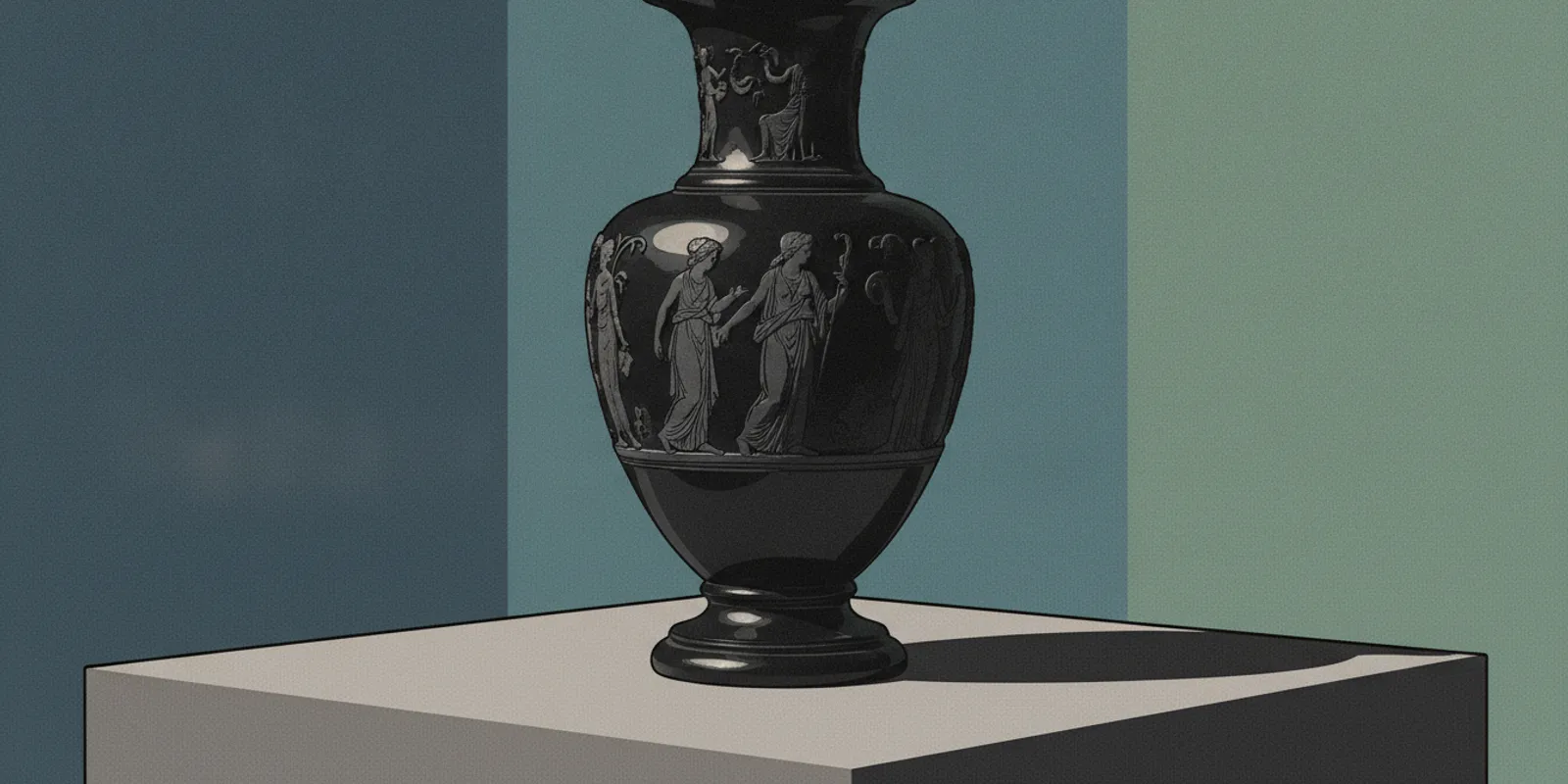
Is my Wedgwood Black Basalt vase worth anything? It may be, but the name alone cannot establish a reliable value. Form, age, decoration, condition, marks, completeness, and current buyer interest all matter. The useful first step is not guessing a price; it is identifying the vase and gathering evidence that allows a fair comparison. A documented, distinctive example may merit closer attention, while damage or uncertain attribution can affect interest and sale prospects.
Request an appraisal discussion
What is Wedgwood Black Basalt?
Black Basalt is a dark, fine-grained stoneware associated with Josiah Wedgwood. Its deep surface can resemble carved stone. Pieces may feature classical figures, relief decoration, or restrained forms. Not every dark vase is Wedgwood, however. Material, workmanship, marks, proportions, and construction should be considered together rather than treating color as proof.
Historical references can help establish context, though they do not set a price for an individual vase. The Maryland Archaeological Conservation Laboratory’s diagnostic guide to painted earthenware notes Egyptian black, also called black basalt, in its discussion of earthenware identification. The Alexandria History Museum identifies a Wedgwood Black Basalt commemorative bust in its George Washington collection. These sources offer background, not an appraisal or a direct comparison for a vase.
What can make my Wedgwood Black Basalt vase worth anything?
There is no single value for all Wedgwood Black Basalt vases. Two pieces with similar color may differ in form, decoration, date, completeness, condition, or documentation. An estimate begins with a precise description and then compares evidence for similar objects. The following factors are useful to record:
| Factor | What to examine | Why it matters |
|---|---|---|
| Form and size | Profile, proportions, handles, foot, and height. | Specific forms may attract different collector interest; size helps separate close from weak comparisons. |
| Decoration | Relief figures, applied details, bands, and surface finish. | Distinctive decoration can help identify a model and distinguish it from a plain or related piece. |
| Marks | Impressed or printed marks, initials, and numbers. | Marks can support attribution, but need interpretation alongside construction and design. |
| Condition | Cracks, chips, losses, wear, restoration, and repairs. | Condition can affect buyer confidence, description, and sale prospects. |
| Completeness | Lid, associated parts, and whether elements appear original. | A missing or replaced part can change how closely the vase matches another example. |
| Provenance | Receipts, old catalog entries, family records, or collection history. | Documentation may clarify the object’s history or help explain how it was identified. |
| Market evidence | Completed results for closely matched examples. | Realized prices offer context, while still varying by sale, timing, and exact condition. |
How can you identify and document the vase?
Start with observation, not cleaning or repair. Record the height and widest diameter. If the shape is irregular, note where the measurement was taken. Photograph the vase from several angles in even light. Include the base, rim, handles, decoration, and each visible mark. Take a full-object image as well as close views so that a reviewer can understand both the details and the overall silhouette.
- Photograph the front, back, and sides, keeping the camera level where possible.
- Take a clear image of the base and each mark. Avoid glare that can hide impressed details.
- Record height, widest width, and any other measurement that helps describe the profile.
- Note whether a lid or other associated part is present, and whether it fits securely without forcing it.
- Describe visible damage plainly, including chips, hairlines, cracks, losses, and previous repairs.
- Gather documents or family information that came with the vase, keeping originals safe.
Use neutral descriptions rather than conclusions. “Small chip at the foot” is more useful than “minor issue,” and “possible repair near the rim” is more careful than declaring restoration without expertise. If you do not know whether a line is a crack or a firing feature, say so and provide a close photograph. A reviewer can ask for another angle if a detail remains unclear.
Do not assume one mark proves a particular date or authenticity. Marks can be faint, partial, copied, or difficult to interpret. Nor should you aggressively clean a surface to expose a mark: abrasive products, soaking, or adhesive repairs may harm a finish or obscure evidence. Photograph the vase as found and ask for guidance before intervening.
For a general overview of preparing information for an opinion, consult Lion & Unicorn’s valuation and appraisal guide. Reference material and online listings may help you form questions, but a listing’s requested price is not evidence that a buyer paid it.
How should you assess condition?
Condition is more than whether the vase looks attractive from across a room. Examine it in bright, indirect light, and do not force or twist any parts. Check the rim and handles, which can be vulnerable, as well as the body, foot, and interior. Look for lines that may indicate a crack, small losses to raised decoration, uneven areas of sheen, and differences in color or texture that may suggest repair or restoration.
Turn the piece only if you can support it securely with both hands. Avoid lifting it by a handle, rim, or applied ornament. If it is large, unstable, or already damaged, do not move it solely to inspect the base. Use available photographs and ask an experienced person how to proceed. Safety and preservation are more important than completing every check at home.
Make a condition note in separate observations: location, approximate size, and what you can see. For example, “small loss on the left handle; faint line inside the rim, uncertain whether crack” communicates more than “good condition.” Include an overall photograph and close views of each concern. If an old receipt or repair note exists, keep it with the records rather than relying on memory.
A condition concern does not automatically make an object unsalable or without interest. Its effect depends on the location and extent of the issue, the distinctiveness of the vase, and the audience for it. Concealing a repair or attempting to make the vase look better before a review can create more uncertainty than an honest description.
What does a realistic comparison look like?
Useful comparisons match several details, not merely the word “Wedgwood.” Seek the same or closely related form, comparable dimensions, similar decoration, and a similar condition level. Prefer completed auction results where the sale price is shown. Record the date and whether the reported total includes fees, because platforms may present hammer prices and buyer totals differently. If you cannot confirm that a sale was completed, treat the figure as an asking price rather than a result.
| Record | What to write down | How to use it |
|---|---|---|
| Object match | Vase profile, approximate height, handles, and relief design | Decide whether the example is close enough to be informative. |
| Condition match | Intact, chipped, repaired, restored, or incomplete | Separate examples that are not condition-equivalent. |
| Sale evidence | Completed sale date and reported result | Distinguish a realized result from an unsold listing or asking price. |
| Sale terms | Whether the amount includes fees or is a hammer price | Compare like totals and avoid treating different figures as equivalent. |
| Differences | Unusual details or missing features on either piece | Explain why a comparison may overstate or understate relevance. |
For example, a similarly colored Wedgwood object is a weak comparison if it is a different material or a different object type. A small, plain vase is also not a close match for a larger relief-decorated example simply because both have a dark finish. Better evidence would share the vase’s shape, approximate scale, decoration, and condition. If one or more of those details are unknown in the listing, mark the comparison as uncertain instead of treating it as equal.
Keep a short list of the best matches rather than collecting dozens of unrelated asking prices. Note why each example is relevant and where it differs. A few imperfect comparisons do not create a dependable valuation. If no close result appears, that is a reason to seek informed review rather than extrapolate from a different Wedgwood material or object type. Auction outcomes can vary with presentation, audience, timing, and demand.
How can you think through an estimate?
An estimate is an opinion based on available evidence and a stated purpose; it is not a promise that a particular amount will be realized. Before relying on a figure, find out whether it refers to likely auction proceeds, a private asking price, replacement for insurance, or another purpose. Those figures answer different questions. Ask what comparisons and condition assumptions support the opinion, and whether sale-related fees or expenses are separate.
Imagine two hypothetical vases with the same maker attribution. One has a clearly documented form, visible decoration, intact handles, and several close completed comparisons. The other has uncertain marks, a repaired rim, and no closely matched results. It would not be sensible to transfer the first vase’s result directly to the second. The difference is not a mathematical deduction that can be made from a generic percentage; it is a reason to have each object assessed on its own evidence.
When a specialist explains a range, ask which assumptions could move the opinion. Would a clearer photograph of the base help? Does a possible repair need closer inspection? Are the comparisons for the same form or only the same material? Which costs might affect your net proceeds? Answers to these questions help you understand both the estimate and its limits.
Should you keep, sell, or request an appraisal?
Your next step depends on your purpose. If the vase has personal meaning, an opinion may help with documentation without requiring you to sell. If you are considering a sale, ask how an estimate is formed, what condition details are needed, what selling route is proposed, and what fees or expenses apply. Request written terms before committing.
A private sale gives you control over the asking price and timing, but you handle inquiries, negotiation, and delivery. An auction places the result in the hands of bidding, so the final amount is not guaranteed. A specialist review can help determine whether the vase is suitable for a sale and what information would improve a catalog description. Lion & Unicorn offers auction services and accepts appraisal and consignment inquiries through its contact page.
| Route | What you manage | Questions to ask |
|---|---|---|
| Keep or document | Safe storage, records, and any documentation you need | What purpose should the opinion serve, and what documentation is appropriate? |
| Private sale | Presentation, inquiries, negotiation, payment, and delivery | How will you handle buyer questions, shipping, and a return or dispute? |
| Auction | Reviewing consignment terms and preparing the item for transfer | What are the fees, sale schedule, reserve terms, and process if unsold? |
For a collection or estate, logistics may matter as much as the vase itself. Ask who is responsible for packing, transport, and insurance, and when responsibility changes hands. If multiple objects are being considered, determine whether they should be reviewed together or individually. Lion & Unicorn’s estate sale organizer guide describes broader planning considerations. For an initial appraisal or consignment conversation, share the measurements, clear images, and candid condition notes rather than a guessed price.
What should you ask before choosing a selling route?
A proposed estimate is only one part of the decision. Ask how the identification was reached and whether the estimate assumes that the vase is undamaged, unrestored, or complete. Request an explanation of the closest comparisons, including their dates and condition. If the evidence is limited, ask what further information would make the opinion more useful.
- What features support the identification and estimate?
- What condition concerns should be recorded in the description?
- Which completed sales are relevant, and how closely do they match?
- Is the estimate for auction, private sale, insurance, or another purpose?
- What commission, fees, shipping, insurance, or other costs could apply?
- What happens if the vase does not sell or does not meet a reserve?
- Who will handle packing and transport, and under what written terms?
These questions make it easier to compare a valuation with a proposed plan. A high suggested figure alone is not enough: understand the assumptions, costs, and what happens after you accept an arrangement. Keep copies of correspondence and signed terms. If you are not ready to decide, ask whether you can take time to review the information before proceeding.
Readers who are still organizing their research can also review Lion & Unicorn’s guide to choosing an appraiser. It is sensible to compare the appraisal’s purpose, supporting evidence, and any proposed selling terms rather than relying only on a single number. For Florida estate representatives, clarify whether the service being discussed fits the documentation or sale need at hand.
Share photos and request a review
Frequently asked questions
Is every black Wedgwood vase Black Basalt?
No. Color alone does not establish the material or maker. Form, surface, construction, decoration, and marks should be considered together.
Can I determine value from the mark?
A mark is useful evidence, but it rarely answers every question by itself. Interpret it alongside the vase’s design, condition, and comparable sale information.
Do chips or repairs make the vase worthless?
Not necessarily. Their effect depends on location and extent, the vase’s other qualities, and buyer interest. Disclose concerns clearly and include photographs when requesting an opinion.
Should I clean the vase before asking for an appraisal?
Do not use abrasive cleaners or attempt repairs. Photograph the vase as it is and ask whether additional documentation or gentle handling is needed.
Are online asking prices useful?
They can show what sellers are requesting, but they do not establish what a buyer paid. Give more weight to verifiable completed sales and consider how closely each example matches your vase.
Ready to take the next step?
A Wedgwood Black Basalt vase may have collector interest, but a sound opinion depends on specific evidence rather than its name alone. Document its details, note condition honestly, compare like with like, and ask questions about the estimate and sale terms before deciding whether to keep it or pursue a sale.
Free Consultation
Ready to Sell Your Estate or Collection?
Lion & Unicorn's expert team offers free appraisals and nationwide pickup service.
Over 30 years of experience — Florida's most trusted auction house.