


Identifying Valuable Lalique Glass: A Collector’s Appraisal Guide
Free Consultation
Ready to Sell Your Estate or Collection?
Lion & Unicorn's expert team offers free appraisals and nationwide pickup service.
Over 30 years of experience — Florida's most trusted auction house.
Ready to find out what your Lalique glass is worth? Contact our ISA-certified appraisers for a free valuation and expert authentication today.
Lalique glass is a luxury crystal and art glass brand known for frosted patterns and nature themes like birds, fish, or female figures. To find truly valuable pieces, you must check for marks like “R. LALIQUE” for pre-1945 items or the modern “LALIQUE” script for later works. Market value is set by the rarity of the model, having the first box, and the total lack of chips or deep marks on the glass. According to the Christie’s Lalique collecting guide, a personal collection can range from 500 pounds to over 50,000 pounds depending on the specific items found. Expert price checks from a team with a 30-year sales record help ensure you get the most money when you sell your collection.
The Legacy of Rene Lalique: From Jeweler to Glassmaker
A direct answer for collectors: Rene Lalique started as a jeweler for Cartier and Boucheron before pioneering art glass in the early 1900s. His shift from jewelry to glassmaking created the Art Deco masterpieces that collectors prize today.
Rene Lalique was a French artist who changed the world of design. He started his work in the late 1800s as a jeweler in Paris. Before he became known for glass, he worked for big names like Cartier and Boucheron. In 1888, he started his own brand to focus on fine art and jewelry. You can find out more about identifying authentic Lalique glass through our expert guides.
A turn toward glass art
Lalique began to move away from jewelry around 1905. He wanted to use glass to make nice things for daily life. In 1907, he started a famous project with the perfume maker Coty. He made glass bottles that made perfume look as good as it smelled. This win led him to open his first glass factory in 1909.
The rise of Art Deco
By the 1920s, Lalique was a leader in the Art Deco style. He made many types of art glass, such as vases and bowls. From 1925 to 1931, he made 29 types of car hood ornaments. These car mascots are now very rare and prized by people who buy Lalique glass at auction. His work often showed nature themes like birds, fish, and plants.
From glass to crystal
Rene Lalique died in 1945, but his family kept the brand going. In the 1950s, his son Marc Lalique took over the firm. He made a big change by switching from glass to lead crystal. Crystal is heavier and shines more than plain glass. This move helped the brand stay at the top of the market. Most pieces people find now come from this later crystal era or the early glass days.
How Can You Tell If Glass Is Authentic Lalique?
A direct answer for collectors: You can authenticate Lalique glass by checking the maker’s mark, examining the frosted finish for quality, and verifying the weight. Real pieces have crisp “R. LALIQUE” or “LALIQUE” stamps and smooth acid-etched surfaces with no visible mold lines.
Finding real pieces requires a close look at small parts. Many people want to know how to spot true lalique glass in a packed shop. Experts use a few key steps to tell if a piece is old or new. You should start by looking at the base and the rim for marks. This helps you see if the work comes from the right time or shop. Our team of estate sales consultants uses a large list of sales to find the true market value of fine glass.
Checking the Maker’s Marks
The first step in finding real Lalique glass is checking the maker’s mark. Here are the key signatures to know:
- “R. LALIQUE” Molded or engraved on pieces made before 1945 while Rene Lalique was alive.
- “LALIQUE” in all caps Used after 1945 under Marc Lalique’s leadership.
- “RL” monogram Found on items dating back to 1888, the earliest mark.
- “Lalique France” Sand-etched post-war marks from the 1950s onward.
- “Lalique (R) France” Modern mark in clean font used for current production.
These marks can be molded into the glass or cut into the surface with a tool. Knowing these changes helps you see the split between early works and later items.
Look for signs that a mark is fake or modern. Real old marks are often small and fit the style of the piece. Newer marks often use a simple font with straight lines. You should be careful if the mark looks too perfect or too large for the item. Fake pieces may try to copy the old script but often fail to match the depth and feel of the real thing.
Visual Details and Motifs
Themes based on nature are a big part of the brand’s style. You will often see plants, birds, or human forms in the glass. Most pieces use a mix of clear and frosted glass to create a soft look. This frosted style was a key part of the Hagueneau pattern and other famous works. The way the light hits these shapes makes them stand out from cheap copies. If the design looks flat or lacks fine detail, it may not be real.
True pieces also show the shift from Art Deco styles to modern looks. You should check the weight and the way the glass feels in your hand. Real lead glass is heavy and has a deep ring when you tap it gently. Each piece should show a high level of skill that cheap shop glass cannot match.
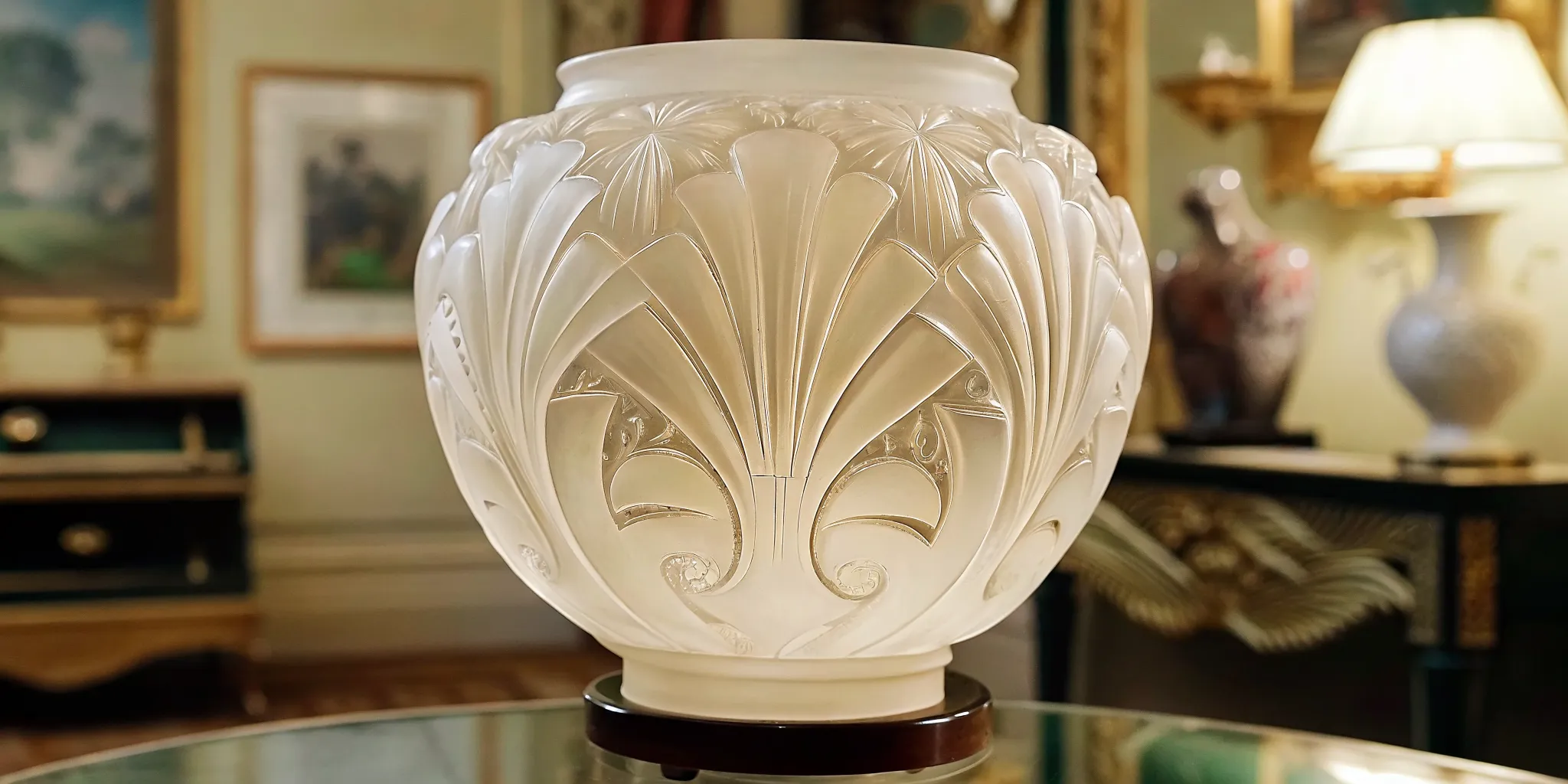
Lalique Signatures and Marks: Dating Your Piece by Era
A direct answer for collectors: Signature marks tell the story of when a piece was made. Pre-1945 pieces have “R. LALIQUE” with the first initial for Rene. Post-1945 pieces drop the “R” and use “LALIQUE” alone. Modern pieces add the registered symbol.
Finding a mark on your glass is the first step in dating a piece. Rene Lalique first registered his “RL” mark in 1888, based on records at Wikipedia. Most marks appear on the base, around the outer rim, or hidden in the design. Over the years, the style of the sign changed to reflect new eras for the brand.
Pre-1945 signatures and markings
Before 1945, pieces often feature an “R” for Rene. You may find a molded “R. LALIQUE” on items made while the founder was still alive. These vintage marks are usually small and hard to find. Some pieces from the 1920s might only have a simple hand-cut script. Since Rene Lalique died in 1945, any mark with the “R” shows an early date. These older items are often rare and hold more value for many people.
Post-war changes under Marc Lalique
After the death of Rene Lalique, the firm dropped the “R” from the mark. Pieces made after 1945 under his son, Marc Lalique, simply say “Lalique France.” During this time, the group also moved toward lead glass, which is known as crystal. According to Wikipedia, the shift to lead glass took place in the 1950s. A mark without the “R” is a clear sign the piece was made after the war.
Modern marks and reproduction alerts
Modern pieces use a clean font for the sign. You will often see “Lalique (R) France” in all caps on items made now. Be careful when you look at these marks, as some fakes use similar stamps. Expert specialists perform multi-level authentication to find these small gaps. Real marks are usually very crisp and well-placed. If a mark looks sloppy or is in a strange spot, it may be a copy.
Frosted vs. Clear: Understanding Lalique’s Signature Design Styles
A direct answer for collectors: Lalique glass is defined by its satin frosted finish, created through acid etching. Clear glass sections provide contrast, while opalescent glass shifts color with light. The mix of frosted and clear surfaces is a hallmark of authentic pieces.
Lalique glass is most famous for its contrast between frosted and clear finishes. The famous frosted look is made by acid etching to create a soft, satin feel. Clear pieces often feature layers or a shimmer that plays with light. These styles highlight Art Deco patterns and nature themes like plants and women.
The iconic frosted finish
The satin or frosted finish is the hallmark of lalique glass. This feel is made through a slow acid-etching process that dulls the surface of the glass. It creates a soft glow that makes the fine details of a piece stand out. High-grade frosted pieces will feel smooth to the touch, not rough or gritty. If the frosting looks not smooth, it might be a sign of a fake item or poor repair work.
The frosted style was a big change from the shiny glass of that time. Rene Lalique used it to mimic the look of carved stone or ice. This choice helped his work lead the Art Deco style during the 1920s and 1930s. Today, the grade of this finish is a key way to tell if a piece is real or a cheap copy.
Clear glass and opalescent layers
While frosted glass is famous, Lalique also mastered clear and plain designs. Many of these pieces use cased or layered glass to create unique looks. Opalescent glass is a top pick for buyers because it changes color based on the light. It can shift from a milky white to a soft blue or bright orange.
Clear glass is often used for items that need to shine, such as wine glasses and plates. According to the Metropolitan Museum of Art, the brand shows skill across many types of glass use. These clear designs often feature simple lines that show the look of the glass. They provide a sharp contrast to the frosted pieces found in many estates.
Art Deco and nature themes
The look of Lalique glass comes from the things it shows. Most designs focus on three main themes:
- Plants and flowers Detailed botanical patterns carved into vases and bowls.
- Animals and birds Fish, birds, and insects featured in raised relief designs.
- Female figures Classic Art Deco silhouettes in frosted glass panels.
Beyond nature, the brand is known for its Art Deco shapes. These became very well liked in the 1920s and 1930s. This era saw the rise of the car mascot, or hood piece. Pieces like the ‘Grenouille’ car mascot are now worth a lot to buyers. Other famous models like the ‘Vitesse’ car mascot also reach high prices at auction.
Whether it is a small perfume bottle or a large vase, identifying authentic Lalique glass requires looking at these design details. For any estate seller, knowing these styles is the first step to finding value.
Why Is Lalique Glass So Valuable?
A direct answer for collectors: Lalique glass derives its value from three factors: rarity of the model, condition of the piece, and provenance. A single chip can cut value by 50% or more. Original boxes add 20% to 40%. The Palestre vase sold for $362,500, proving the upper end of the market.
The high market prices for Lalique glass stem from a unique mix of art and scarcity. Collectors look for pieces that show how the brand moved from jewelry to fine art glass. Many factors drive the final price, but the most vital parts form a value triangle. This includes rarity, condition, and the history of past owners. While simple items might start near 500 pounds, top collections often reach values over 50,000 pounds as noted by experts at Christie’s.
The value triangle for glass art
- Rarity Items with low build numbers or rare colors get the most interest from buyers.
- Condition A single chip or crack can cut the worth of a vase by more than half.
- Provenance Pieces from famous collections often command higher prices at auction.
Early works by Rene Lalique himself are usually the most prized. You can find more detail on these times in our lalique crystal value guide to see how age affects price. The market stays strong for items that keep their original finish and clear look.
Recent sale results at auction
Big sales show how much buyers will pay for the best Lalique art. In 2012, a rare ‘Palestre’ vase sold for $362,500 in New York. Other items like perfume bottles also see high demand. These small bottles often sell for between 2,500 and 7,500 pounds. These results prove that fine glass is both an art form and a real asset for those who buy it.
| Model Name | Design Year | Sale Price | Sale Year |
|---|---|---|---|
| Palestre Vase | 1928 | $362,500 | 2012 |
| Cluny Vase | 1925 | 121,250 pounds | 2012 |
| Poisson Vase | 1921 | 79,250 pounds | 2012 |
| Grenouille Car Mascot | 1928 | 7,500 pounds | 2018 |
| Vitesse Car Mascot | 1929 | 5,625 pounds | 2018 |
Market demand and trends
Demand for Lalique glass stays high because the brand is the peak of Art Deco style. Modern buyers look for pieces that fit well in both old and new rooms. Vases are the most famous items, but car mascots also have many fans. This wide appeal helps keep prices steady for many types of glass art. If you need help with a price, Lion and Unicorn offers expert help to find the current worth of your items.
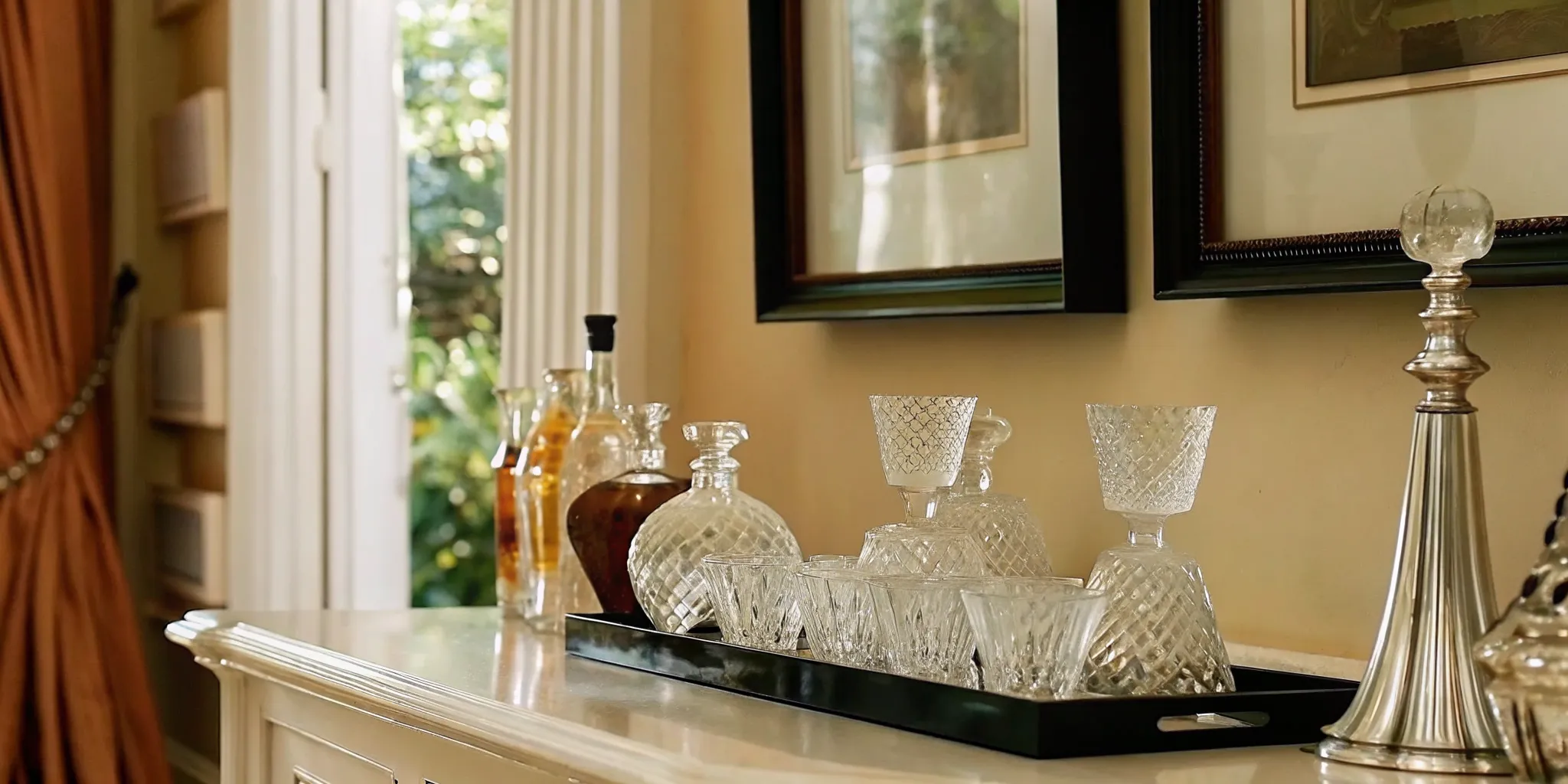
Condition Assessment: What Collectors and Estate Sellers Need to Know
A direct answer for sellers: Condition is the single biggest factor in Lalique glass value. Chips cut value by 50% to 90%. Repairs can reduce it by 30% to 70%. Original boxes add 20% to 40%. Always inspect under bright light and disclose any damage honestly.
When you find a piece of Lalique glass in an estate, the first thing to check is its state. Fine glass buyers look for the best quality in every detail. Even a small flaw can change the price by a huge amount. For home sellers, knowing how to spot these issues is the first step in a good sale. Accurate identifying authentic Lalique glass starts with a close look at the surface and edges.
The Impact of Physical Damage on Value
Physical damage is the biggest threat to the worth of your glass. Here is how different types of damage affect price:
- Chips on rim or base Common but costly, can drop value by 50% to 90%.
- Deep scratches Visible damage you can feel with a fingernail reduces value significantly.
- Cracks and hairline fractures Almost total loss of market value, often unsalable.
- Cloudy or worn frosting Sign of poor storage or cleaning, lowers desirability.
You should use a bright lamp to check for these flaws. Clear and frosted glass shows wear in different ways. For example, the Hagueneau pattern from the mid 1920s relies on clean lines. A single chip can ruin the look of the whole piece. Buyers want items that look like they just left the shop many years ago.
Restoration and Expert Repairs
Many people think a good repair saves the value of the piece. This is not true for high-end glass art. Even an expert fix can cut the price by 30% to 70%. Sellers should always tell the buyer about any work done to the glass. Clear and honest notes are the best way to get a fair price for your set. You can get expert appraisals from ISA-certified experts to find hidden repairs before you sell.
Provenance and First Box Premiums
What comes with the glass can be just as important as the glass itself. First boxes and papers add a large premium to the final sale price. If you have the first boxes, the price can go up by 20% to 40%. This proof is known as provenance in the art world. For pieces by Rene Lalique (1860-1945), having the right box can be the difference between a good sale and a great one.
Where to Sell Your Valuable Lalique Glass Collection
A direct answer for sellers: Professional auction houses reach global collectors and achieve market prices. Lion and Unicorn holds 5 to 7 weekly auctions with 380 to 450 lots, using a 30-year sales database for accurate pricing. Private sales offer quick cash but rarely match auction returns.
Choosing the right path to sell your collection can change your final return by thousands of dollars. Many people try to sell through local shops or online sites, but these venues often lack the reach to help you sell your Lalique glass to serious collectors. Professional auction houses offer a better way to reach a global market of buyers who know the true value of identifying authentic Lalique glass and its rarity.
Auction sales vs private buyers
Private sales and local dealers might offer quick cash, but they rarely pay full market value. They must buy low to ensure they make a profit when they resell the item later. An auction house works for you to get the highest bid from many competing buyers. At Lion and Unicorn, we hold 5 to 7 weekly auctions with 380 to 450 lots each to keep demand high. Our team uses a 30-year proprietary sales database to set accurate prices for every piece in your estate. According to auction records at Christie’s, rare items like the Palestre vase can sell for over $300,000 when the right buyers compete.
Certified appraisals and estate services
Trust is the most important part of any sale involving high-value glass. You should work with experts who have ISA-certified appraisers and follow USPAP rules. This ensures your valuation is fair and follows official standards. We provide full estate services that include expert valuation and professional packing for your items. If you are ready to sell, you can contact our estate consultants for a free review of your items. We handle everything from single pieces to full collections with nationwide pickup and safe transport.
How to start the selling process
Taking the first step is simple with the right partner. Start by gathering clear photos of each piece from multiple angles. Write down any marks you find on the base or hidden in the design. Collect any boxes or papers you still have for the item. Send these details to our team for a fast initial review. Getting a free appraisal is the best way to learn what your collection is worth today.
Frequently Asked Questions
Why is Lalique glass so expensive?
High prices for Lalique glass come from its rarity and its status as fine art. Many early pieces were made in small lots or for very short periods of time. For example, some rare vases have sold for more than $300,000 at a recent auction. According to Christie’s, serious collections often range from about 500 pounds to over 50,000 pounds. These values reflect the expert craft and global demand for authentic French crystal.
How can you tell if glass is authentic Lalique?
True Lalique glass usually has a fine frosted finish and no visible mold lines. You should look for the signature near the base or along the lower rim of the piece. Modern items often use a laser mark, while older vintage pieces are hand-engraved into the glass. Experts at Lion and Unicorn use a large database of past sales to check marks. They look at the weight of the glass and the fine detail of the design to confirm it is real.
What is the difference between Lalique and Rene Lalique signatures?
The main difference is the time and the era when the piece was first made. Pieces signed with an “R” were made before Rene Lalique passed away in 1945. These older items are often much more valuable to serious glass collectors today. After 1945, his son Marc took over the shop and dropped the “R” from the mark. As stated by the Met Museum, these marks help pros trace a piece back to its style.
Which Lalique glass pieces are most collectible?
Collectors often seek out Art Deco vases and car mascots from the early 20th century. Designs like the ‘Palestre’ or ‘Cluny’ vases are very rare and highly prized by buyers. Perfume bottles made for top brands are also quite popular in the global market. Pieces with nature themes like birds or fish are staples of the brand. Rare hood ornaments in good shape can bring top prices from serious collectors.
How do I get an appraisal for Lalique glass?
You should seek an appraisal from a certified specialist who knows fine art glass. A skilled pro will check for chips or cracks that can lower the market value. According to Lion and Unicorn, expert valuations are based on rarity and current market trends. You can schedule a free review to find out what your collection is worth today. This helps estate sellers get the best return on their assets through a trusted auction house.
Are You Ready to Schedule Your Free Lalique Glass Appraisal?
Schedule a free Lalique glass appraisal with our ISA-certified experts today. Getting a clear valuation protects your collection and ensures you receive full market value when you decide to sell. Our team has 30 years of sales data and holds weekly auctions reaching global collectors who pay top prices for authentic Lalique pieces.
Ready to sell your Lalique glass at auction? Contact our estate appraisal team today to book your free consultation and discover the true value of your collection.
Free Consultation
Ready to Sell Your Estate or Collection?
Lion & Unicorn's expert team offers free appraisals and nationwide pickup service.
Over 30 years of experience — Florida's most trusted auction house.