


Martin Brothers Pottery Value Guide: Marks, Birds & Prices
Free Consultation
Ready to Sell Your Estate or Collection?
Lion & Unicorn's expert team offers free appraisals and nationwide pickup service.
Over 30 years of experience — Florida's most trusted auction house.
Do you own a grotesque bird jar or other piece of Martinware? Contact Lion and Unicorn today to schedule a professional appraisal.
Martin Brothers pottery value is driven by the scarcity and carved detail of the famous Wally Birds and odd stoneware figures. While small vases sell for about two hundred dollars, the best birds reach seventy thousand dollars, and some fine pieces fetch over two hundred thousand dollars. Experts look for clear marks like “Martin Southall” or “R.W. Martin & Bros” to confirm that a piece of pottery is real. According to Antiques Trade Gazette, these salt-glazed pieces from the Southall kiln remain famous objects in the history of British fine arts. The mix of dark humor and expert skill keeps prices high for any piece that is still in good condition.
History and Origins of Martin Brothers Pottery
The Early Years in Fulham
The story of Martin Brothers pottery began in 1873. Four brothers named Robert Wallace, Charles, Walter, and Edwin Bruce Martin started the firm as a group. They set up their first shop at the family home in Fulham. Before they went out on their own, the brothers worked for Henry Doulton. There, they learned how to use salt-glaze and high heat to make strong art pieces.
The brothers had a clear goal from the start. They wanted to make unique art that stood out from mass-made items. This focus on craft is a big reason for the appraising your Martin Brothers collection seen at auction today. Each brother had a set role in the shop. Robert Wallace was the lead sculptor, while the others managed sales and the kiln.
- Robert Wallace Martin: Lead artist and sculptor
- Charles Martin: Managed the shop and sales
- Walter Martin: Expert in firing and the kiln
- Edwin Bruce Martin: Handled detail work and painting
The Move to Southall
In 1877, the brothers needed more space for their work. They moved the shop to a disused soap plant in Southall. This new spot was next to a canal. It gave them the room they needed to grow. This British stoneware studio stayed in Southall for many years. They kept making art there until 1923.
Life at the Southall studio was not always easy. The brothers often made just enough money to get by. Robert Wallace Martin once said they earned the same as a common lab worker. But they did not stop their work. They stayed true to their art even when times were hard. Today, many of these pieces sit in museums like The Box in Plymouth. Collectors value these items for their skill and history.
A Legacy of Salt-Glaze Stoneware
The brothers are most famous for their salt-glaze stoneware. This style uses salt in the kiln during the firing process. The salt turns into a hard, glass-like skin on the clay. It gives the art a unique look and feel. Many of their most famous designs were based on Alice in Wonderland and other fun books. These designs often showed silly birds and strange faces.
These “Wally Birds” are now icons of British art. They take their name from Robert Wallace Martin. Some of these birds show the faces of real people from the era. Collectors now pay high prices for these rare items. While simple pieces may start at a low price, the best birds can sell for very large sums. Getting an expert appraisal is the best way to find the true worth of a piece.
Wedgwood Jasperware provides a useful contrast in British ceramics; see the Wedgwood Jasperware value guide.
For another studio-pottery identification and value resource, see the Newcomb College pottery value guide.
Authentic Marks and Signatures: How to Identify Real Martinware
The Martin brothers built their name on rare skill. They did not just make pots. They made art. The brothers learned their craft at Lambeth Art College under the eye of Henry Doulton. Doulton helped them learn the art of salt-glaze stoneware. This early work set the stage for their famous shop. To know if a piece is real, you must look at the marks they left behind.
Finding the truth is the first step to know the evaluating antique British ceramics. The brothers signed their work by hand. They used a sharp blade to cut their names into the wet clay. This is an incised mark. Most real pieces show the name of the lead brother, Robert Wallace Martin. The mark often reads “R. W. Martin” or “R. W. Martin & Bros.” These marks are mostly on the bottom of the piece.
Reading the Hand Marks
Real marks tell a story of where and when the piece was made. The brothers moved their shop a few times. Early items from 1873 may mention Fulham. Pieces made after 1877 often say Southall. The script is often fine and wavy. It should look smooth, not stiff or stamped. Fake pieces may have marks that look too perfect. Real marks vary because the brothers signed them in many moods and years.
- Look for the name “R. W. Martin” or “Martin Bros” cut into the base. The brothers mostly signed their carved work by hand.
- Find the place of the shop. Check for names like London, Southall, or Fulham written in the clay.
- Check the date. The brothers often added a month and a year to their marks. Most real pieces date from 1873 to 1923.
- Feel the surface of the mark. Real signs are cut into the clay before firing. They should feel a bit rough to the touch.
- Look at the style of the script. The writing of the brothers is well known. It should match the wavy style found in art sets.
Spotting the Salt Glaze
The finish of the piece is just as key as the mark. The Martin brothers used a salt-glaze way they learned at Doulton’s shop. During firing, they threw salt into the hot kiln. The salt turned into a gas and coated the clay. This made a thin, hard glaze with a feel like an orange peel. Real pieces have a soft, earthy look. The colors are mostly browns, greens, and blues.
Past life helps prove a piece is real. A clear path of past owners adds to the value and trust. Many great pieces come from estates where they sat for years. If you find a piece at an estate sale, ask for any old papers or receipts. These papers can back up the marks you see on the clay. Experts at Lion and Unicorn can help you check these facts to find the true worth of your art.
Wally Birds and Grotesque Face Jugs: Key Collector Categories
The Martin Brothers made many types of art during their lives. Their most famous work is the Wally Bird. These birds are salt-glaze stoneware jars that hold a lot of charm.
They look like real birds but they also show human moods. Robert Wallace Martin made most of these bird jars by hand. People now call them Wally Birds after him. These pieces are a big reason why the fine porcelain and pottery valuation stays so high in the art world.
The Legend of the Wally Bird
The Wally Bird first appeared as a unique kind of tobacco jar. These jars had heads that you could lift off to find the opening. The brothers got many of their best ideas from classic books of the time. Lewis Carroll’s book Alice Through the Looking Glass was a very large source of help.
The drawings for the Jabberwocky by John Tenniel inspired their strange birds. They used salt glazing and firing tricks they learned from Henry Doulton. Each bird had a look that was all its own. Some birds looked wise and calm while others looked grumpy or shy.
The brothers used clay to tell stories. They made each bird by hand, so no two are ever the same. This hand work is what makes them so special to people who buy art.
Some birds are small and fit in your hand. Others are large and stand on their own. The colors are often earthy, like brown, grey, and blue. The salt glaze gives the clay a pitted look like an orange peel.
Caricatures and Social Commentary
The brothers did not just make pretty things to look at. They used their art to poke fun at the world around them. Many Wally Birds look like real people from the Victorian era.
These birds were often caricatures of famous public figures of the day. They might show a judge with a sharp beak or a clerk with a small face. The birds also showed local people and poor folks from London.
This social wit adds to the worth of each piece. Buyers like to find out who a bird might represent. It could be a famous leader or a local man from the street.
The birds have a way of looking back at you. Their eyes are often full of life. This makes them more than just jars. They are like small statues with a lot of soul.
Grotesque Face Jugs and Jars
Along with the birds, the brothers made grotesque face jugs. These jugs have human faces that look stretched or weird. Some look like they are laughing, while others look like they are in pain.
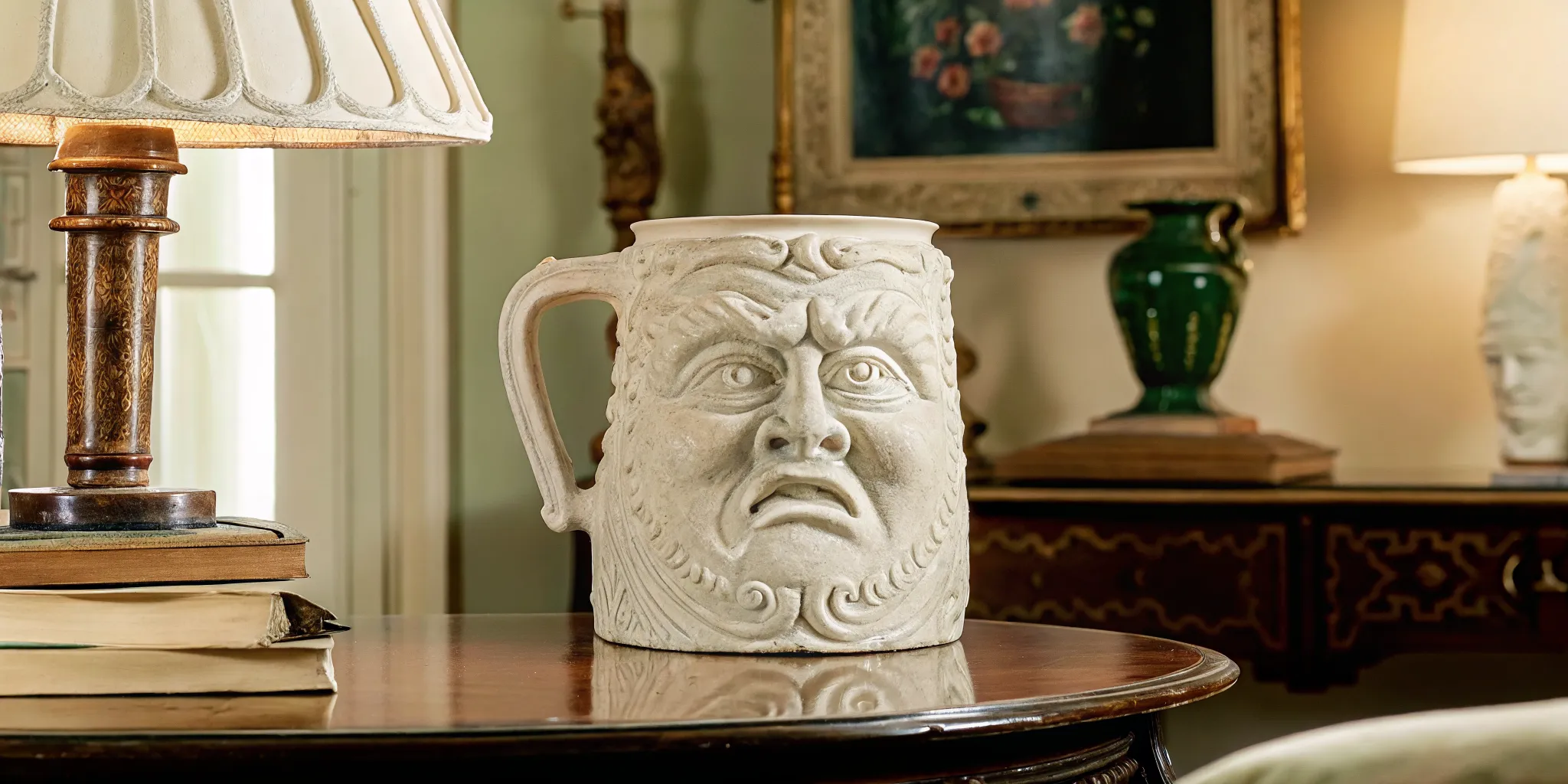
They are also made from salt-glaze stoneware which gives them a rough and tough feel. These face jugs show the dark and strange side of their art. They are a big hit with buyers because they are so odd and bold.
A rare piece like this can sell for a very high price. Some pieces have sold for more than 180,000 GBP at large auctions. Buyers love them because they show the skill of the artist.
Each line on a face was put there for a reason. The Martin Brothers were masters of making things look real and fake at the same time. Their face jugs are a key part of their legacy.
What is the Value of Martin Brothers Pottery?
The market for Martin Brothers pottery is broad and covers a wide range of price points. Some collectors start with small, simple items while others compete for rare, complex sculptures. Because of this range, it is hard to give one price for their work.
Pieces can sell for as little as 150 GBP or reach heights well over 180,000 GBP in major auctions. Knowing where a piece falls in this range needs a look at its design, age, and who owned it before.
Factors That Set Pottery Prices
Several things change the where to sell Martin Bros pottery when an item goes to sale. The skill used to make the piece is a top factor. The brothers were known for their salt-glaze stoneware which they made by hand in their own studio. Collectors look for these key details:
- Fine details and unique shapes.
- Good shape without cracks or chips.
- Clear marks on the base of the pot.
Provenance and proof of origin are also vital for high-end items. A clear history of who owned the pot can prove it is real and add to its story. If you have an old piece, an expert appraisal can help you find its fair market value before you decide to sell. You can Contact Us to speak with an expert about your collection.
The High Cost of Sculpted Birds
The most famous and costly works from the Martin brothers are the Wally Birds. These are tall, hollow jars shaped like birds with human features. Robert Wallace Martin modeled these grotesque figures to look like people from the Victorian era. Since each bird is unique and has its own charm, they are very popular at high-end auctions.
Some of these large sculpted birds have sold for large sums because they are so rare. Their value comes from the high level of craft and the limited number of pieces made. These birds are often seen as the peak of the studio’s output. Because they are so rare, they often draw a lot of interest from serious art collectors around the world.
Finding Starter Pieces
Not every piece of Martinware costs a fortune. The brothers also made many smaller, less complex items for everyday use. These include simple vases, jugs, and bowls with floral or leaf patterns. You can often find these starter pieces for around 150 GBP.
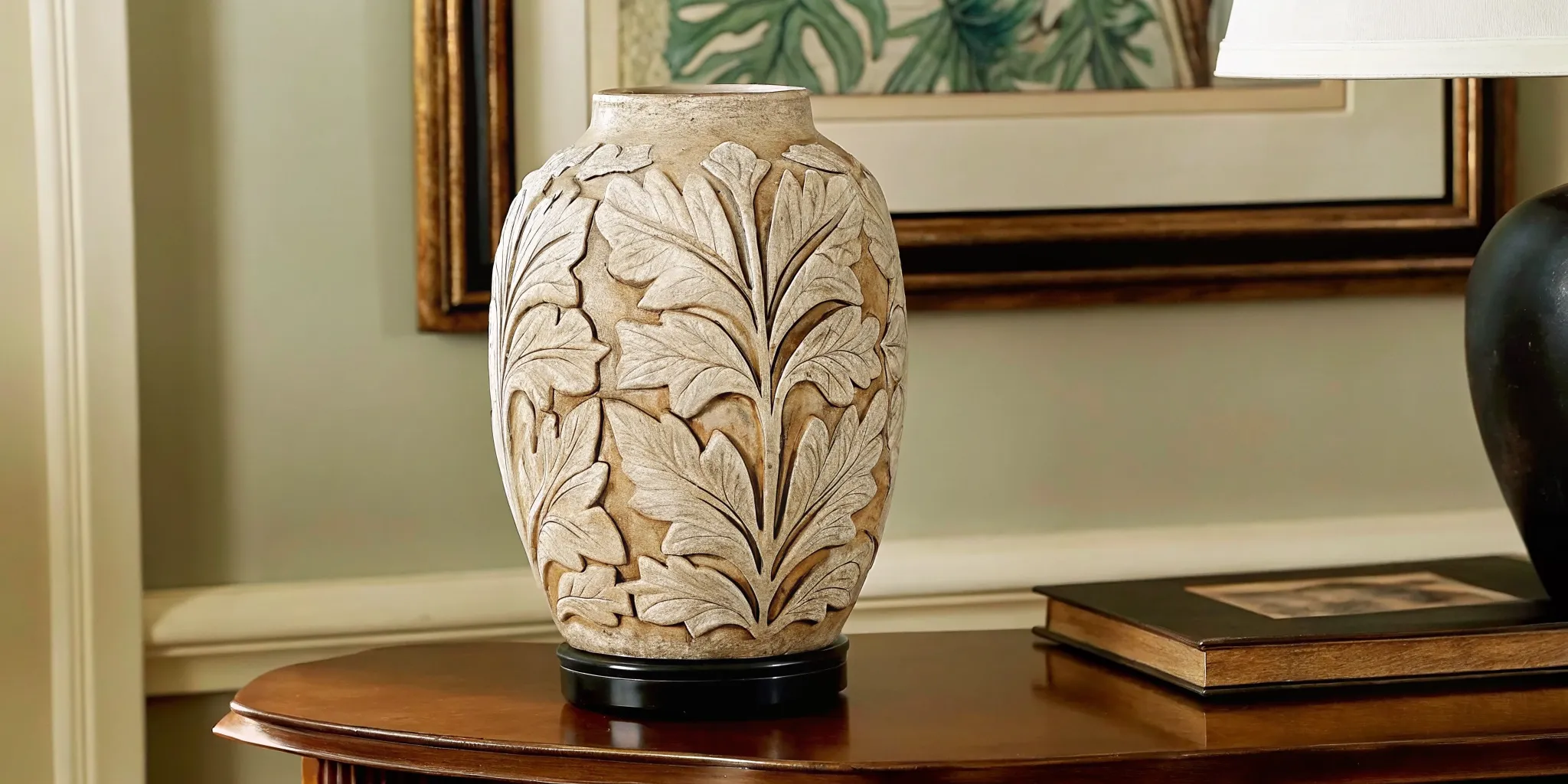
Even though these pieces are cheaper, they still show the brothers’ unique style and skill. They use the same salt-glaze finish and earth tones as the more costly works. Many of these items were made in larger groups, which keeps the price low. No matter the price, owning a piece of this pottery means owning a part of British art history.
Which are the Most Valuable Martin Brothers Pottery Pieces?
The market for Martinware has seen a big rise in care over the last fifty years. Many people now look for these rare items at auction. The value of a piece often depends on how rare it is and who made it. While the four brothers worked as a team, their most famous works came from Robert Wallace Martin. These pieces show a high level of skill that keeps prices strong today. Most people know them for their odd and dark style that stands out from other work of the time.
The brothers started their work in 1873 with a kiln at their home. Later, they moved to a larger site in Southall in 1877. This move helped them make more pieces, but they still kept their high standards. Even though they worked hard, they did not make much money in their own time. Robert once said they never earned more than a basic wage. Today, but, their work is worth a great deal. The jump in price shows how much the world now values their art.
High-Value Wally Birds and Sculptural Works
The most prized items in any set are the large birds. These are the famous “Wally Birds” named after their maker. Robert Wallace Martin made these birds with faces that look like people. Some were sketches of public figures from the late 1800s. You can often see human traits in their eyes and beaks. These unique bird groups and single figures are the stars of the auction room. They show a mix of nature and human wit that is very rare.
Because they are so rare, these birds get the highest prices. Some large sculptural birds have sold for more than 180,000 GBP. This high determining antique collectible values shows how much people love their odd style. Even smaller birds or those in groups are very hard to find today. Groups of three birds on one base sell for a high price at auction. Most collectors want these pieces because they are the peak of the studio’s art. The detail in each bird shows the time and care the brothers took.
Factors That Set the Market Price
Not every piece of Martinware will sell for a record price. The studio made many types of items from 1873 until 1923. Early work from their first kiln in Fulham is very rare. Later pieces from the Southall site are more common but still liked by many. The type of glaze also plays a role in the price. The brothers were masters of salt-glaze stoneware. This process gives the pottery a tough, pitted surface that collectors want. It was a method they learned while working with Henry Doulton.
The detail of the work is another key factor. Pieces with deep carvings and many colors tend to sell for more. Collectors also look for the human features that made the Wally Birds so famous. If a piece shows a clear face or a known person, the price goes up. Some buyers even look for pieces based on the drawings in Alice Through the Looking Glass. These odd designs add charm that drives up demand. Pieces that show this link to books often have a special place in the market.
| Piece Type | Key Features | Market Value Estimate |
|---|---|---|
| Large Wally Birds | Rare birds with human traits | Over 180,000 GBP |
| Triple-Bird Groups | Small birds on a single base | High-End Premium |
| Grotesque Vases | Vases with faces or animals | Mid-Range to High |
| Utility Items | Simple jugs or small tiles | About 150 GBP |
History and Expert Appraisal
If you own a piece of Martin Brothers pottery, you should have it checked. It is vital to know that the piece is real before you try to sell it. Knowing the history of a piece can also add to its worth. Experts look for specific marks and signs of the salt-glazing process. These marks help to prove that the item came from the brothers’ studio. A real mark from Robert or his brothers is a sign of true quality. Without these marks, it can be hard to show the value of your item.
Getting a pro to look at your set is a smart move. An expert can tell you the fair market price based on what has sold recently. They can also help you find the right buyers for rare items. Since the market can change, a fresh look at your items is helpful. This ensures you get the best price if you choose to sell a set. High-end ceramics need the right care and a good eye to value them well. A good appraisal gives you a clear path to a sale.
Factors Influencing Martin Brothers Pottery Value: Condition, Provenance, and Rarity
When assessing the true worth of Martinware, seasoned collectors and specialists look far beyond simple aesthetic appeal. Because the four brothers worked in a highly experimental and hands-on studio environment from 1873 to 1923, each piece is entirely unique. This level of individual craftsmanship means that determining the exact European art pottery appraisal requires analyzing several critical factors, most notably condition, provenance, and rarity.
The Impact of Condition on Value
Due to the experimental nature of the salt-glazing process, many Martinware pieces emerged from the Southall kiln with firing flaws, warpage, or glaze irregularities. While original manufacturing imperfections are accepted by some collectors as part of the studio’s charm, subsequent damage can severely impact market value. Chips, hairline cracks, and poorly executed restorations on high-end sculptural pieces like Wally Birds can diminish their auction pricing by 50% or more. Conversely, pristine stoneware examples that have survived intact for over a century command a significant premium at auction.
Provenance and Historic Significance
Provenance refers to the documented history of ownership for a specific work of art. For prestigious antiques like Martin Brothers pottery, a clear and prestigious chain of ownership is an invaluable asset. Pieces that can be traced back to famous 19th-century patrons, early gallery exhibitions, or legendary estate collections always generate higher auction excitement. Solid documentation not only proves the piece’s history but also provides vital support for authentication. This is essential to secure the trust of high-end buyers in today’s competitive antiques market. Learn more about selling fine art at auction to see how provenance can impact final prices.
Rarity and Design Appeal
The final pillar of valuation is design rarity. While the brothers produced functional domestic items like small vases, jugs, and tiles, their highly sculptural and grotesque designs are the most sought-after categories. Whimsical pieces modeled directly by Robert Wallace Martin, particularly individual birds, face jugs, and character-driven tobacco jars, represent the pinnacle of rarity. Because these intricate figures were produced in very limited numbers. They represent a small fraction of the studio’s total output and routinely achieve six-figure hammer prices at major estate sales.
The Necessity of Professional Appraisal
Because the market for Victorian art pottery is complex and subjective, self-valuation can lead to costly mistakes. Relying on generic online price lists often ignores the nuance of condition and provenance. To discover the true market value of your collection, a formal appraisal from a specialized auction house is essential. Determining whether to use an estate sale vs. auction house is key to a successful liquidation. Lion and Unicorn provides comprehensive appraisal, consignment, and global auction services, helping collectors and estate executors accurately authenticate and value these rare masterpieces.
Frequently Asked Questions About Martin Brothers Pottery Value
What is the typical value of Martin Brothers pottery?
The market value of Martin Brothers pottery varies widely depending on the piece’s design, size, and level of detail. Simple utility wares, such as small domestic vases, functional jugs, or decorative tiles, generally start at around £150 (approximately $190 USD). However. Highly sculptural or grotesque pieces crafted by the brothers are highly sought after by collectors and routinely command thousands or even hundreds of thousands of dollars at specialist auctions.
What is the value of Martin Brothers birds?
The iconic “Wally Birds”, grotesque avian tobacco jars modeled by Robert Wallace Martin, are the most valuable category of Martinware. Depending on the size, character expression, date, and condition, individual Wally Birds regularly sell for £10,000 to over £80,000 at auction. The most exceptional and rare sculptural birds have even surpassed £180,000 in premier auction sales, reflecting their status as legendary masterpieces of British decorative art.
Which are the most valuable Martin Brothers pottery pieces?
The most valuable Martin Brothers pieces are those showcasing the highest levels of sculptural detail and whimsical characterization. This includes large, freestanding Wally Birds with distinct human caricatures, triple-bird groups mounted on a single base, and oversized grotesque face jugs. Works bearing the clear incised signatures of Robert Wallace Martin or Walter Martin from the Southall period (particularly between 1880 and 1910) consistently command the highest premium prices.
Are Martin Brothers Wally Birds currently for sale?
Because of their extreme rarity and high demand, authentic Victorian Martin Brothers Wally Birds are rarely found on the open retail market. Instead, they are typically offered through specialized fine art auctions, premier estate sales, or high-end antique dealerships. If you are looking to buy or sell an authentic piece. Working with an established auction house like Lion and Unicorn is the safest and most reliable way to navigate the market.
Is there a specific Martin Brothers pottery value guide?
There is no fixed or static price guide for Martinware because market demand and auction results fluctuate based on condition and historical significance. The most reliable “value guide” is the recent hammer price database from reputable auction houses. For an accurate and up-to-date valuation of a specific piece. It is highly recommended to seek a professional appraisal from an expert team that specializes in European art pottery.
Free Consultation
Ready to Sell Your Estate or Collection?
Lion & Unicorn's expert team offers free appraisals and nationwide pickup service.
Over 30 years of experience — Florida's most trusted auction house.