


Oriental Rug Value Guide: Identify, Value and Sell
Free Consultation
Ready to Sell Your Estate or Collection?
Lion & Unicorn's expert team offers free appraisals and nationwide pickup service.
Over 30 years of experience — Florida's most trusted auction house.
A faded rug inherited with an estate may still carry serious market value. This oriental rug value guide shows what to inspect before cleaning or selling so you can protect both the textile and your return.
Request a professional rug appraisal from Lion & Unicorn
To estimate an Oriental rug’s value, first confirm whether it is handmade, then assess origin, materials, age, design, size, condition, rarity, and provenance. Inspect both sides for irregular knots, wear, repairs, stains, fading, and altered edges. Compare recent sales of closely similar rugs, but seek a professional appraisal before cleaning or selling a promising piece.
The central question is not simply whether a rug looks old, but which evidence supports its value and the right sales route. The next section is Oriental rug value guide: what determines worth?, where we examine the factors buyers and appraisers weigh most closely. The path begins with
Oriental rug value guide: what determines worth?
An Oriental rug’s worth depends on construction, origin, materials, age, design, size, condition, rarity, provenance, and buyer demand. The most useful valuation compares recent sales of closely similar rugs and matches the estimate to its purpose, such as auction, insurance, or estate planning.
An Oriental rug value guide begins with the object, not a broad price chart. A credible review studies how the rug was made, where it likely came from, its age, condition, design, size, and ownership history.
The rug itself
Hand knotting can help separate a collectible textile from a machine-made decorative rug. Yet knot count alone does not settle value. An examiner looks for wear, fading, repairs, altered ends, and weak foundation areas. These signs may confirm or challenge a claimed origin.
Rare design details and sound provenance can matter, but only when the rug supports the story. Labels, receipts, old photographs, and family records may help trace ownership. They do not replace a close look at the weave, dyes, materials, and condition.
Condition must be judged across the whole rug, since a clean front can hide weak areas or later repairs. Clear photographs can support an initial review. For a formal opinion, Lion & Unicorn’s options for selling antiques and collectibles connect the rug’s physical traits with the appraisal’s stated purpose.
Four meanings of value
The word value changes with the question being asked. The Smithsonian’s guidance on textile estimates explains that retail replacement value, selling price, and estate-distribution value can produce different answers. That distinction prevents a common mistake: treating one number as the rug’s single, permanent worth.
Retail asking price is the amount a dealer requests, which may include business costs and room for negotiation. An insurance appraisal usually seeks the cost to replace a comparable rug in the right market. Fair market value considers a willing buyer and seller under the stated conditions. An auction estimate is a reasoned range for an upcoming sale, not a promised result.
None of these figures is automatically wrong. Each serves a different need, such as insurance coverage, estate planning, division, donation, or sale. The appraiser should state the intended use, relevant market, effective date, and key assumptions before assigning a figure.
Evidence behind the estimate
Comparable auction results are often the strongest starting point for a sale-focused estimate. The best comparisons involve rugs with a similar origin, period, size, weave, design, condition, and quality. A famous name or attractive pattern means less when the comparison differs on several of those points.
Recent sales also need careful reading. An estimate is not the same as the hammer price, and an asking price does not prove demand. Review the applicable auction terms and conditions so you understand how the sale is reported and what costs may apply.
A professional examination tests whether the rug truly matches the examples used as comparisons. The specialist can inspect structure, materials, repairs, wear, and signs of age before selecting suitable sales. This process helps explain both the estimate and the factors that could move the final result.
How can you tell if an Oriental rug is handmade?
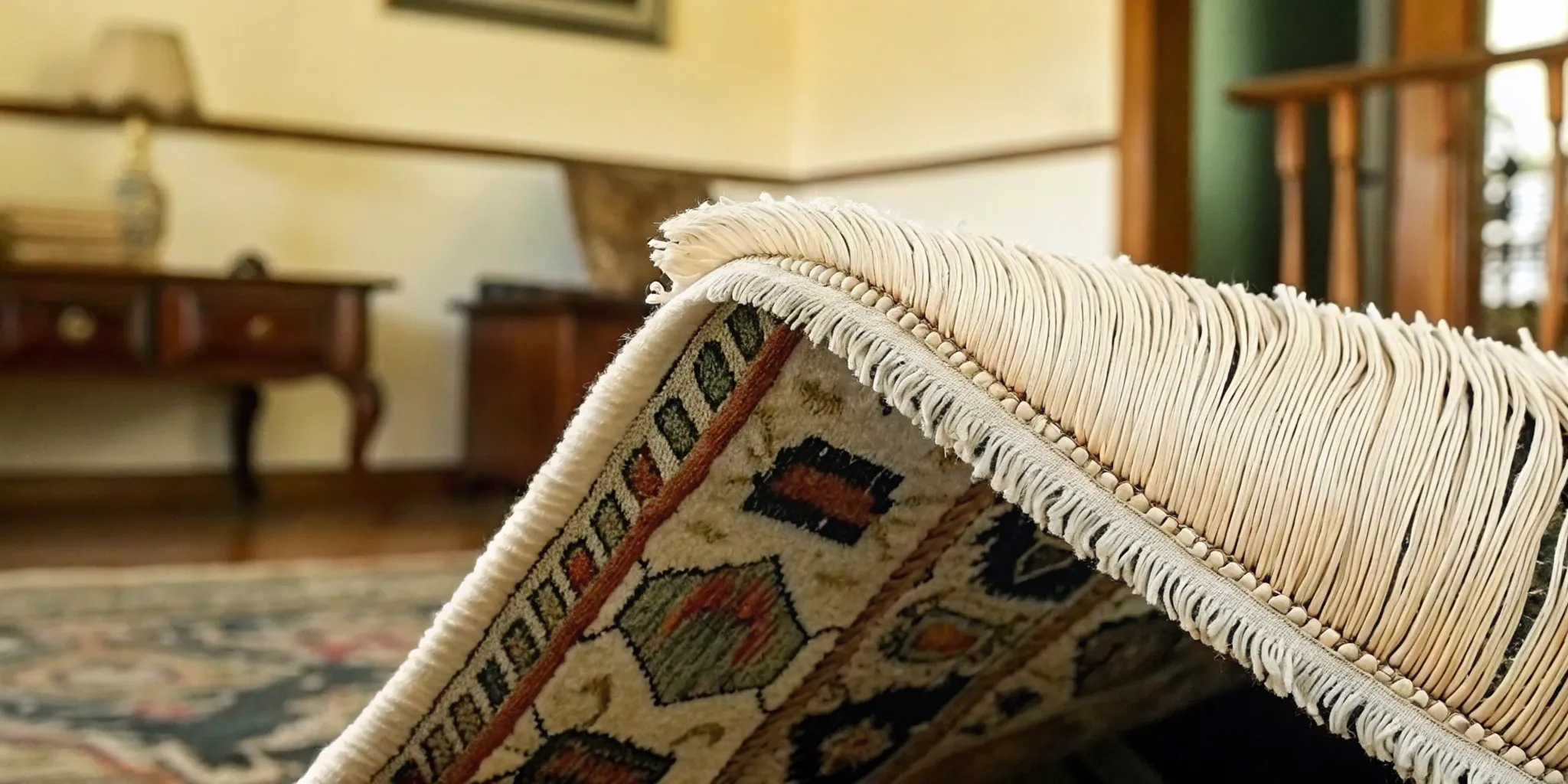
Turn the rug over and study its structure. Handmade rugs usually show individually tied, slightly irregular knots, a visible design on the back, and fringe that continues from the foundation. Machine-made rugs often show uniform construction, an applied fringe, or backing that hides the weave.
A handmade rug reveals its construction through small details rather than one decisive sign. Inspect the back, fringe, edges, pile, and design together. Irregular individual knots and fringe that continues from the foundation support handmade construction, but they do not establish market value by themselves.
A six-step inspection
Lay the rug on a clean, flat surface with good light. Handle worn or brittle areas with care. Work through these checks before drawing a conclusion.
-
Study the back. Hand-knotted rugs usually show the design on the reverse, with individual knots visible in the weave. A machine-made back may look highly uniform or have a covering that hides its structure.
-
Check the fringe. On many hand-knotted rugs, the fringe continues from the foundation threads that run through the rug. Fringe sewn onto a finished edge can point toward machine production, though repairs may also alter it.
-
Compare the weave. Examine several parts of the back, not just one corner. Slight shifts in knot size, spacing, or alignment can reflect hand work. Perfectly repeated rows suggest machine production, but neat hand weaving can also look regular.
-
Look at the materials. Wool, silk, and cotton often appear in handmade rugs, yet material alone proves little. Inspect the pile and foundation separately because they may use different fibers.
-
Notice small irregularities. Minor changes in pattern, border width, or color can support a handmade identification. Damage, fading, and past repairs may create similar changes, so compare both ends and several design repeats.
-
Read every label. Labels may name the country, fiber, maker, or production method. Keep them attached and photograph them clearly. Treat broad terms such as “Oriental” or “Persian style” as descriptions, not proof of hand knotting.
What knot count can tell you
Knot count describes weave density, usually by counting knots within a set area on the back. A dense weave can support fine detail, but more knots do not guarantee age, rarity, condition, or value. Origin and intended design also affect how dense a rug needs to be.
Count in more than one area because density can shift across a hand-knotted rug. Record the method and area measured, then take clear reverse-side photographs. For useful documentation, the Smithsonian advises keeping the camera parallel to a textile and including a scale in the image.
When inspection is not enough
Repairs, replacement fringe, backing, or heavy wear can hide the clearest signs. In those cases, avoid pulling threads or removing fabric. Photograph the front, back, corners, fringe, labels, stains, and repaired sections instead.
The Smithsonian recommends sending photographs, history, and a description rather than carrying an heirloom around while seeking advice. Its textile estimate guidance also explains how to document a piece safely. For a rug that may be important, estate sale consultation services can assess construction alongside condition, age, provenance, and current market context.
Origins and styles that collectors look for
Collectors often evaluate Persian, Turkish, Chinese, and Caucasian rugs by region, weaving tradition, pattern, materials, dyes, and weaving quality. A geographic label alone does not establish value. The rug’s construction and design must support the attribution, and rarity must be considered alongside condition and demand.
Origin can shape collector demand, but regional names are starting points rather than proof. Construction, materials, colors, design, age, and condition must support any attribution before it influences a value estimate.
Persian weaving centers
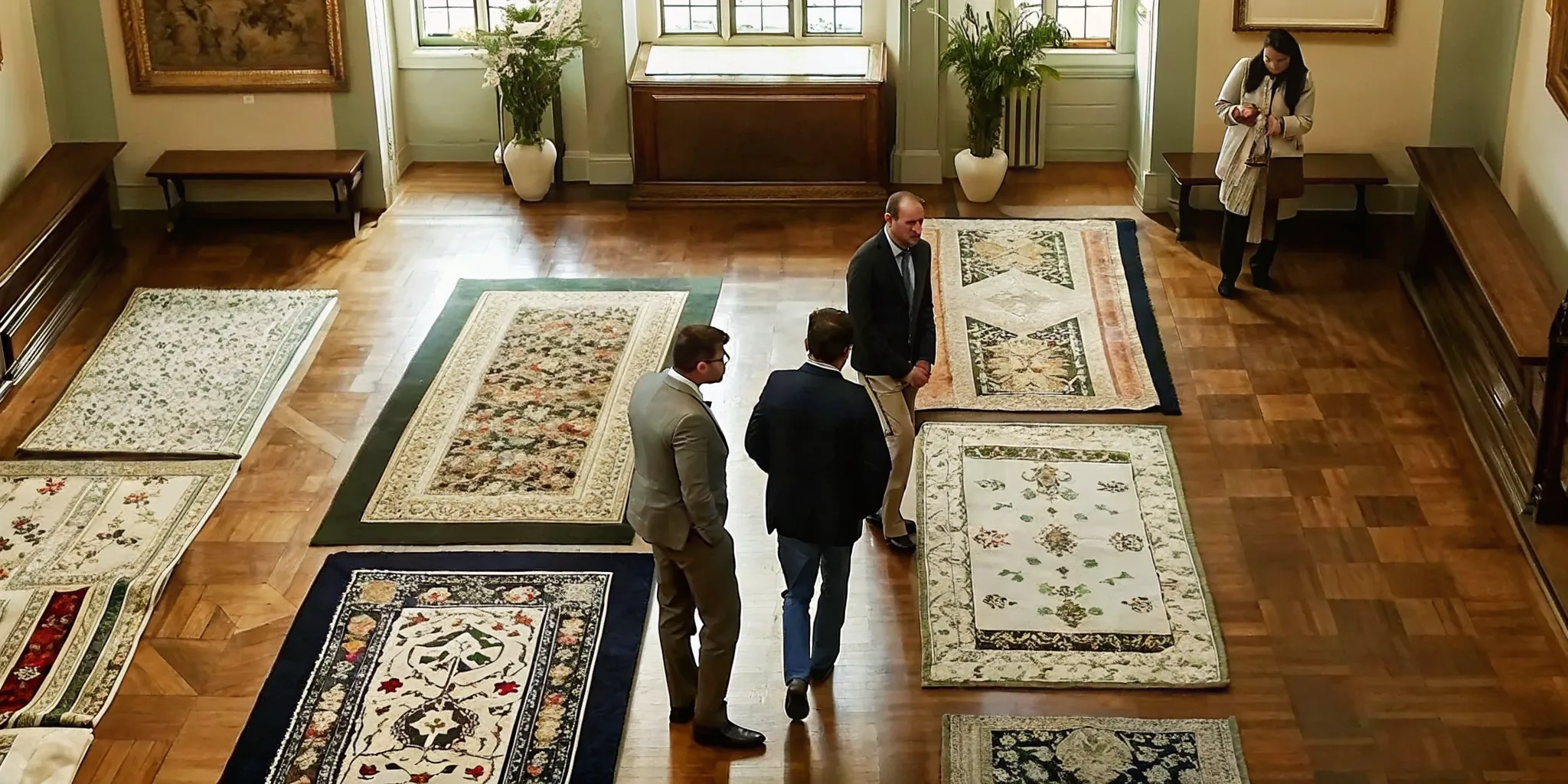
Collectors often use regional names as a first clue, not a final answer. Persian rugs from Tabriz, Isfahan, and Kashan may share fine knotting and balanced layouts. Yet each weaving center developed traits that can help guide closer study.
Tabriz rugs often feature a central medallion, floral fields, or detailed scenes. Isfahan examples tend to show precise drawing, fine floral work, and graceful curves. Kashan rugs are known for rich fields, formal medallions, and dense floral designs.
These traits can narrow the search, but pattern alone cannot confirm where a rug was made. Designs traveled through trade, and later makers copied popular styles. A useful oriental rug value guide treats origin as a conclusion built from several signs.
Traditions beyond Persia
Turkish rugs often use bold geometry, clear borders, and a symmetrical knot structure. Caucasian rugs are widely recognized for strong geometric forms, stepped medallions, and vivid contrast. Chinese rugs may have open fields, restrained motifs, and a softer visual balance.
The table shows common traditions worth noting during an initial review. These are broad tendencies, not rules. Age, repairs, dyes, materials, and weaving structure can change how a rug looks and how collectors assess it.
| Tradition | Design clues | Construction clues |
|---|---|---|
| Tabriz | Medallions, florals, or detailed scenes | Often fine, closely worked knotting |
| Isfahan | Graceful curves and precise floral drawing | Fine weave with careful detail |
| Kashan | Formal medallions and dense floral fields | Closely packed, even weave |
| Turkish | Bold geometry and clear borders | Often associated with symmetrical knots |
| Caucasian | Stepped forms and vivid contrast | Firm weave with geometric emphasis |
| Chinese | Open fields and restrained motifs | Often softer in look and handle |
How to test an origin claim
Turn the rug over and study the back, edges, fringe, and knot layout. Then compare those signs with its dyes, materials, design, and known history. A seller’s label can be useful evidence, but it should not settle the question by itself.
Good photographs make that review easier. The Smithsonian’s textile guidance says to keep the camera parallel to the textile and include a scale. It also advises sharing photographs and a detailed description before taking an heirloom elsewhere. Follow those textile photography and estimate steps when gathering evidence.
For a rug with a possible regional attribution, seek guidance on selling valuable estate furnishings before relying on the pattern or an online match. An appraiser can weigh construction, condition, provenance, and comparable sales together. That fuller review gives an origin claim proper context and supports a more credible value opinion.
How condition, age, provenance, and size affect value
Condition can raise or sharply reduce a rug’s sale potential. Age matters most when paired with quality, rarity, and demand. Provenance can strengthen attribution when records are credible. Size affects the buyer pool, but a large rug is not automatically more valuable than a smaller, finer example.
An Oriental rug’s asking price and likely sale price depend on more than its design. Condition shapes buyer confidence, while age matters only when it supports rarity, quality, and appeal. A practical oriental rug value guide should weigh these factors together, not treat any one feature as proof of value.
Condition and past restoration
Start by checking the rug in even light from both sides. Note fading, uneven color, worn pile, stains, holes, moth damage, and brittle areas. Also record missing fringe, damaged edges, old patches, and any place where the foundation shows through.
Wear is not always disqualifying. Some collectors accept honest age-related wear when the rug remains attractive and sound. Large stains, active moth damage, weak foundations, or broad repairs can narrow the buyer pool. They can also raise doubts about future care costs.
Restoration deserves clear disclosure. A skilled repair may improve stability and appearance, but extensive reweaving can reduce interest among buyers seeking original material. Photograph repaired areas closely and describe what is known. Do not guess about when or how the work was done.
Age, provenance, and buyer confidence
Age can add interest, but an old date alone does not set value. Buyers also look at origin, weaving quality, design, color, condition, and current demand. A well-kept later rug may be more marketable than an older example with severe damage.
Provenance is the documented history of ownership and origin. Useful records include dated receipts, estate inventories, labels, old photographs, exhibition records, and family notes. Keep originals safe and provide clear copies. A detailed story helps only when records or other evidence support it.
If the rug may have strong value, seek auction bidding guide before setting expectations. The intended use also matters because sale, estate, and insurance values can differ.
Size, documentation, and safe handling
Size affects both usefulness and marketability. Room-size rugs may attract different buyers than runners, prayer rugs, or small decorative pieces. Record the full length and width, then measure fringe separately. Note whether the shape is square, uneven, or altered.
Create a photo set before cleaning or repair. Include the full front and back, corners, fringe, edges, labels, damaged areas, and close views of the weave. The Smithsonian advises keeping the camera parallel and adding a name, date, and scale card when photographing textiles for review.
Do not wash, trim fringe, remove stains, or repair the rug before expert advice. An unsuitable treatment may change the rug or hide details needed for review. Leave it in place when possible. Share photographs, measurements, known history, and a plain description of every issue.
How much can an antique Oriental rug sell for?
There is no dependable flat price per square foot for antique Oriental rugs. A realistic sale estimate comes from completed sales of rugs that closely match origin, age, size, weave, design, condition, quality, and provenance. The expected result also changes with the chosen sale venue.
An antique Oriental rug has no reliable flat price per square foot. Likely sale value depends on origin, age, craftsmanship, design, size, condition, provenance, rarity, and current demand. A defensible estimate uses several closely comparable completed sales and matches the figure to the intended sale channel.
Learn how Lion & Unicorn helps owners sell antiques and collectibles
Recent comparable sales
A realistic sale estimate starts with recent results for rugs that closely match yours. Search auction archives by region, age, size, weaving method, design, and condition. Focus on completed sales rather than dealer listings or active auction estimates. Those figures show what buyers paid, while asking prices only show what a seller hopes to receive.
Compare several similar rugs instead of relying on one result. Note the sale date, auction house, stated condition, and whether the price includes a buyer’s premium. Review the relevant auction terms and conditions before comparing totals. Different auction houses may present sale prices in different ways. Also check how often comparable rugs sell and whether repeated examples cluster within a clear range.
Why sale prices vary
Two rugs of the same size can sell for very different amounts. Age and origin matter, but so do provenance, weaving skill, color, pattern, rarity, and current demand. Condition can shift the result as well. Fading, stains, worn pile, repairs, and altered edges may affect buyer interest. Labels and family stories can offer clues, but buyers tend to respond more strongly to details they can verify.
An exceptional auction record is not a useful baseline for most rugs. A rare example with strong provenance may draw several determined bidders and produce an unusual result. Treat that sale as an outlier unless your rug shares the same key traits. A sound Oriental rug value guide uses a range supported by several close matches. Regional taste and the number of active bidders can also change the outcome from one sale to another.
The right value for your purpose
Value also depends on why you need the figure. The Smithsonian explains that retail replacement value, sale price, and estate distribution value can produce different answers. A current auction estimate should reflect the likely market for that rug, not its original purchase price or sentimental value.
Online research can help you form a starting range, but it cannot confirm every detail. Clear photos and any records of origin or ownership will help a specialist assess the piece. For an estate, insurance need, or possible sale, consider professional appraisal services. Ask the appraiser to state the valuation purpose and explain the comparable sales used. The resulting opinion can help you choose a sensible reserve or next step.
Mistakes that can reduce a rug’s sale potential
Avoid cleaning, trimming fringe, repairing, folding, or discarding records before a specialist reviews the rug. These actions can damage fibers, remove evidence of construction, or weaken provenance. Photograph the front, back, edges, labels, and damaged areas, then store the rug safely while seeking advice.
Improper cleaning, undocumented repairs, overstated family stories, and asking prices based on weak comparisons can reduce buyer confidence. Preserve the rug as found, disclose known condition issues, gather records, and choose a sale channel suited to the piece.
For broader estate planning, review how Lion & Unicorn’s estate sale consultants organize and market collections. Buyers preparing for an auction can also read the guide on how to bid at auction.
Stories, age, and knot count
An inherited rug may come with a family story, but memories alone do not prove its origin. Present the story as family history, then separate it from facts supported by labels, receipts, photographs, or other records. This approach gives buyers useful context without making claims that cannot be checked.
Age does not guarantee value. An older rug may have weak demand, heavy wear, fading, or poor repairs. A newer example may attract more interest because of its design, origin, condition, and workmanship. Knot count also needs context; a dense weave cannot make up for damage, weak materials, or limited buyer demand.
Cleaning and condition disclosures
Cleaning a rug before appraisal can cause fresh damage or erase clues that help an expert assess it. Strong chemicals, excess water, and rough handling may affect dyes, fibers, fringe, or foundation. Seek advice before arranging any treatment, especially when the rug’s age and materials are unknown.
Begin with clear photographs and a written description instead. The Smithsonian’s textile guidance says owners should send photographs, history, and a description rather than carry an heirloom around while seeking estimates. Show the front, back, edges, fringe, labels, stains, worn areas, and repairs.
Hiding repairs is another costly mistake. Reweaving, patched areas, replaced fringe, and color touch-ups may change how bidders judge condition. Clear disclosure helps an appraiser describe the rug accurately and lets buyers bid with confidence. Undisclosed work can create doubt about the rest of the description.
- Do not trim fringe, patch holes, or add dye before an expert review.
- Keep receipts, old photographs, and prior condition reports with the rug.
- Photograph flaws in even light instead of hiding them through staging.
Price research and the right sale channel
An online asking price shows what a seller hopes to receive, not what a buyer paid. Compare completed sales for rugs with a similar origin, size, age, design, and condition. Even then, the result is a starting point because small differences can change bidder interest.
Value also depends on the purpose of the appraisal. Smithsonian guidance notes that retail replacement value, sale price, and estate distribution value can produce different answers. State your goal at the start, so the appraiser uses the right market and value type.
A general marketplace may expose a specialist rug to many shoppers, but few may understand its features. Thin descriptions and poor photographs can make a notable piece look ordinary. For a rug that may have strong collector interest, consider professional appraisal services before choosing where and how to sell.
Use an oriental rug value guide to learn the main factors, not to set a final price from one detail. Then provide full records, disclose condition, and select a sale channel suited to the piece.
Frequently Asked Questions
These quick answers cover the questions owners ask most often about identifying, valuing, and selling Oriental rugs. They can help with an initial review, but an in-person inspection and relevant comparable sales are the strongest basis for a professional valuation.
How do I find out how much my Oriental rug is worth?
Start by recording dimensions, construction, materials, condition, repairs, design, and any ownership history. Photograph both sides, fringes, labels, and damaged areas. The Smithsonian recommends sending photographs and a detailed description instead of carrying an heirloom from dealer to dealer. A qualified rug appraiser can then compare relevant sales and explain whether the estimate reflects auction, estate, or insurance replacement value.
How do I know if my Oriental rug is valuable?
A valuable Oriental rug is usually hand-knotted and distinguished by its age, origin, materials, weaving quality, rarity, condition, and provenance. Check the back for individually tied knots and inspect the pile for wear, fading, stains, holes, and repairs. Knot density can support an assessment, but it does not determine value alone. A professional appraisal is the safest way to confirm authenticity and current market demand.
Do Oriental rugs hold their value?
Some Oriental rugs hold value better than others. Handmade, rare, well-documented examples in strong condition may remain desirable, while common machine-made or heavily damaged rugs often lose value. Market taste also changes, so age alone does not guarantee appreciation. Keep records, avoid improper cleaning or repairs, and request an updated appraisal before insurance, estate planning, or sale decisions.
How much can you sell an Oriental rug for?
There is no reliable flat price per square foot for an Oriental rug. A likely sale price depends on origin, age, craftsmanship, size, condition, provenance, rarity, and current buyer demand. It can also differ sharply from retail replacement value. The Smithsonian notes that insurance, selling, and estate-distribution appraisals may produce different answers. For a realistic sale estimate, request an appraisal based on the intended selling method and recent comparable sales.
Ready to Learn What Your Oriental Rug Is Worth?
A professional appraisal can connect your rug’s construction, origin, condition, and provenance with current market evidence. Lion & Unicorn can help owners understand the appropriate type of value and decide whether auction is the right next step.
Waiting to assess an Oriental rug can make the next decision harder, especially when condition, records, or family knowledge may change over time. Starting now gives you time to gather its history, understand its condition, and choose a sale plan without rushing. A professional appraisal can replace uncertain estimates with clear guidance for keeping, insuring, dividing, or selling the rug.
Ready to make an informed decision? Request a professional rug appraisal to get expert guidance on value and practical next steps for your antique or vintage rug. If selling is your goal, review how to sell your antiques and collectibles through Lion & Unicorn. Starting the conversation now gives you more time to prepare for a future sale and decide what works for your needs with greater confidence.
Free Consultation
Ready to Sell Your Estate or Collection?
Lion & Unicorn's expert team offers free appraisals and nationwide pickup service.
Over 30 years of experience — Florida's most trusted auction house.