


Rosenthal Porcelain Value Guide: Marks and Worth
Free Consultation
Ready to Sell Your Estate or Collection?
Lion & Unicorn's expert team offers free appraisals and nationwide pickup service.
Over 30 years of experience — Florida's most trusted auction house.
A single hairline crack on a Rosenthal figurine can cut its resale price by more than half. Collectors and estate owners must know how to spot these flaws and find the design era before they set a price.
Request a free, no-obligation auction evaluation for your Rosenthal porcelain.
This Rosenthal porcelain value guide helps you find the market price of your fine china by looking at marks, patterns, and condition. To find the age of a piece, you must check the factory logo on the base, as these stamps changed many times since 1879. Collectors often pay more for famous designs like “Maria” or pieces made by famous artists. You should also check for chips and cracks because even small flaws can lower the final price. As stated in official collector tips, knowing these marks is the best way to find the age and worth of your items. This guide helps you tell if your porcelain is a common item or a rare treasure worth thousands.
You might feel lost among the many stamps and signs found on the bottom of your plates. This article explains how to read those symbols and what they mean for your collection. Start with the identification process below, then compare the factors that affect market value.
How to use this Rosenthal porcelain value guide
Finding the true worth of your items takes a clear plan. This Rosenthal porcelain value guide helps you look at the most vital parts of your piece. You must check the mark, the shape, and the state of the item at the same time. No single fact tells the whole story. Instead, you need to see how all these parts work together to set the price. This guide gives you the steps to start your own check before you talk to an expert.
Start with the factory mark
The first step is to find the mark on the base of your piece. Philipp Rosenthal started his shop in 1879 in Selb, Germany. Over time, the company used many stamps to mark their work. These old marks help you find out just when the piece was made. Some marks show a set year, while others show a range of time. Knowing the date is a key part of identification for any collector. A mark from the early 1900s might be worth more than a newer one.
You should also look for names of other firms. Rosenthal grew by buying other shops like Thomas or Krister. If you see these names, it tells you more about the past of the piece. Some marks are small and hard to read. You may need a strong glass to see the fine lines of the crown or the name. Clear marks often help keep the value high because they prove the piece is real.
Check for damage and wear
The state of the item is a huge part of its price. Even rare pieces lose worth if they have chips or cracks. You should check the edges of plates and the lids of jars very closely. A small crack on a cover or a chip on the base can cut the price in half. Look for “fire cracks” too. These are small lines that happen when the piece is made. They are not as bad as a crack from a fall, but they still matter.
Look at the paint and the gold trim. If the gold is rubbed off, the piece has “wear.” This happens when people use the item for many years. Collectors want items that look like new. High wear means the item was used too much for daily tasks. Items in perfect state will always bring the best return when you sell them. Even tiny flaws can change what a buyer will pay.
Look at the shape and pattern
The shape and the art on the piece also drive the price. Rosenthal made many famous patterns like “Maria.” The type of art matters just as much as the age. Some artists were very well known and their work is in high demand. You should look for a name or a signed name near the main art. This shows a famous person may have helped design or paint the piece.
Common items like plain white plates often have a lower price. Rare shapes or small runs of art are worth much more to a buyer. When you use this guide, match your item to known patterns and forms. See if the item was part of a large set or a small run. This data helps you get a better sense of what people will pay. While we do not give firm prices, these steps help you know what you have. You can then use these facts to find the best market for your collection.
How do Rosenthal marks date a piece?
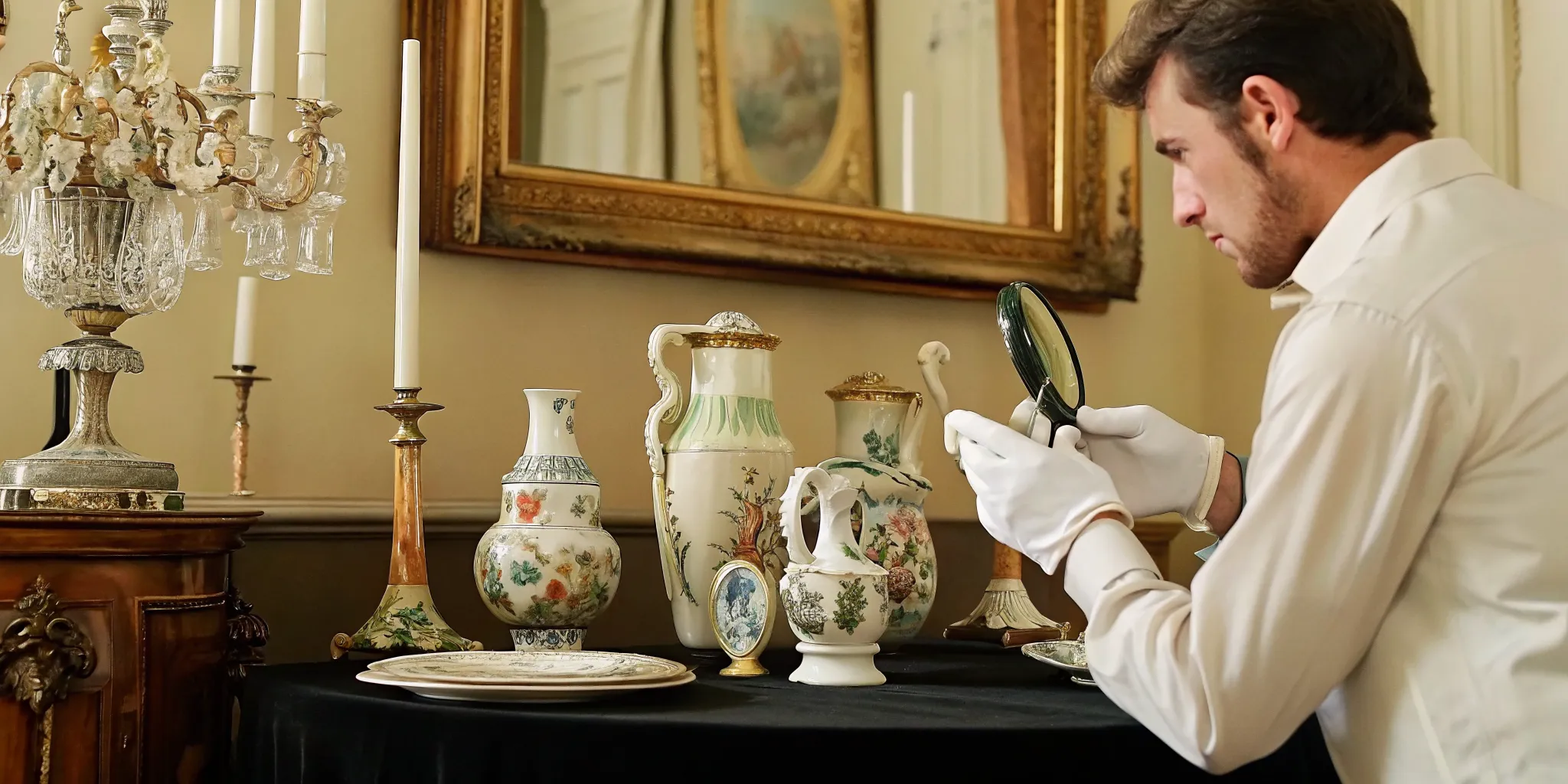
To find the age and worth of your items, you must look at the base. Most pieces have a backstamp or factory mark. These marks changed over time as the company grew. Philipp Rosenthal started the brand in 1879 at Erkersreuth Castle in Selb, Germany. Early marks often show the full name or where the factory was. Seeing these details helps you start your Rosenthal backstamp research. You should check the mark for clear lines and a sharp crown.
Common factory marks
Rosenthal marks often show a crown and crossed lines. In the early 1900s, the company bought other firms like Thomas and Krister. These buys led to new marks that joined factory names. For example, some pieces might say “Rosenthal” above “Thomas.” Knowing these changes is vital for fine German porcelain collectors. A clear stamp usually points to high quality. If a mark looks blurry, it might be a later copy or a lower grade of work.
Place names and words
The words on the base tell a story of where the item was made. You will often see “Selb” or “Germany” on the bottom. After 1945, the words changed to show new borders. Some marks might say “US Zone” or “Germany” in a style of their own. These small text shifts are key when you use a Rosenthal porcelain value guide to date a set. Pieces made for sale abroad may also have clear labels or stamps that differ from those sold at home.
Dots and production marks
Look closely at the backstamp for tiny dots or dashes. These marks often show the year or the artist. Rosenthal used a system of dots under the letters to mark when a piece was made. A single dot might mean one year, while two dots mean the next. This level of detail is common in dating Meissen porcelain of this type. You must also look for chips or cracks on the lid and base. Even small chips impact the value and help date the piece based on wear and style.
Designers and patterns collectors look for
Famous artists and Studio-Line
Rosenthal has a long past of working with top artists to make new looks. Names like Raymond Loewy and Hans Guenther Reinstein helped shape the brand in the early days. Their work often sells for more in the world of Herend porcelain values. Fans love the Studio-Line because it brings modern art to your dining room. Each piece shows a style that sets it apart from plain plates and cups.
The brand started to work with many names in the 1900s. These teams made items that people still want today. When a big name makes a set, the price can go up fast. For collectors comparing German porcelain makers, the Meissen marks and prices guide offers a useful reference point since both Rosenthal and Meissen produced fine German porcelain. You can find more about these famous artists and their work in art files. Knowing which name is on the base of your dish is a good first step to finding its worth.
Artist-made pieces are often rare because the plant made fewer of them. Some lines were only for a short time. This makes them hard to find for some buyers. If you have a piece from a famous person, it might be worth a lot more than a common set. Always check the mark on the bottom to see who made it.
Popular patterns to know
One of the most loved lines is the Maria White pattern. It has been around for a long time and the shop still makes it today. The look is clean and classic, which makes it a top pick for many homes. Knowing the name of the pattern is key when you want to find the price. Most guides will list items by their pattern name and the year they were made.
To find the name of your dish, look at the series numbers and the marks. These small signs help you tell one line from another. Some looks are common and easy to find. Other patterns are rare and only a few exist now. A rare pattern will often fetch a high price at a sale or shop.
Prices can change based on how many people want a certain look. Some old styles go out of fashion, while others stay in high demand. If a pattern is both rare and in demand, the value will be the best. Always use a good guide to see how your pattern ranks in the market.
Full sets and rare pieces
Most people like to buy full sets for tea or coffee. A set of 18 pieces might be worth more than each piece sold on its own. It can be hard to find a whole set that has no broken parts. This is why a complete group of dishes is such a big find for a buyer. It looks great on a shelf and is ready to use for a meal.
Having all the parts is key for the price. This includes things like the lid for a teapot or a sugar bowl. If a piece is missing its cover, the value can drop by a lot. A pot with its lid will always be worth more than one without it. Check each piece to make sure it has everything it should have.
Also, look for chips and cracks in the glaze. Even small marks on the base or the rim can hurt the value. It is best to keep your dishes in a safe spot where they will not get hit. A piece in great shape is worth a lot more than one with damage. Take your time to look at each dish before you try to sell it.
What are representative Rosenthal porcelain price ranges?
Common market price tiers
The market for Rosenthal porcelain stays busy for both buyers and sellers. Prices shift based on style, age, and the number of items up for bid. A single plate may sell for just $20. A full set can bring in $2,000 or even more. You must find the exact pattern name to get a clear sense of the price. Many Meissen porcelain auction results items at auction show how the market moves today.
The table below shows common price ranges for varied item types. These sums are just a guide and do not promise a final sale price. The state of each piece is the main driver of its worth. Even tiny chips on a lid will lower the price. High-quality pieces must be clean and free of any cracks to reach the top tier.
| Item Group | Common Examples | Price Range (USD) |
|---|---|---|
| Small Tableware | Single cups, saucers, side plates | $15 – $75 |
| Standard Sets | Coffee or tea sets (15-20 pieces) | $250 – $800 |
| Figurines | Animal or human figures | $100 – $1,500 |
| Designer Pieces | Vases or bowls by famous artists | $300 – $3,000+ |
Factors that drive value
The past also plays a big role in price. Pieces made before 1900 are often more rare. The firm moved to a new spot in 1879, which changed the marks they used. Knowing when a piece was made helps you set a fair price. You should check for damage like cracks that might not be easy to see.
The name of the artist adds a lot to the price. Rosenthal worked with many top artists. Lines like “Maria” are easy to find, but pieces by known artists are rare. Buyers often wait a long time to find these works. This high demand leads to high bids at live sales.
Age is not the only thing to check. The type of paint and the depth of the color matter too. Early pieces show high skill in the hand-painted parts. If the paint is dull or worn, the piece will not sell for as much. Always look at your items in good light to check the surface.
Managing a large estate
If you have a large set of items, the total worth can be hard to find. A full set usually sells for more than the sum of its parts. Buyers prefer to have every matching piece in one go. If a set lacks one cup, the price can drop fast. Try to keep all parts together when you ask for a price.
Lion & Unicorn helps you find the true worth of your goods. They offer an expert price check for estates. This help is vital for those who must sell many items at once. They know how to spot the gems in a large group of goods. They can help you get the best price for your whole set.
How does condition change Rosenthal porcelain value?
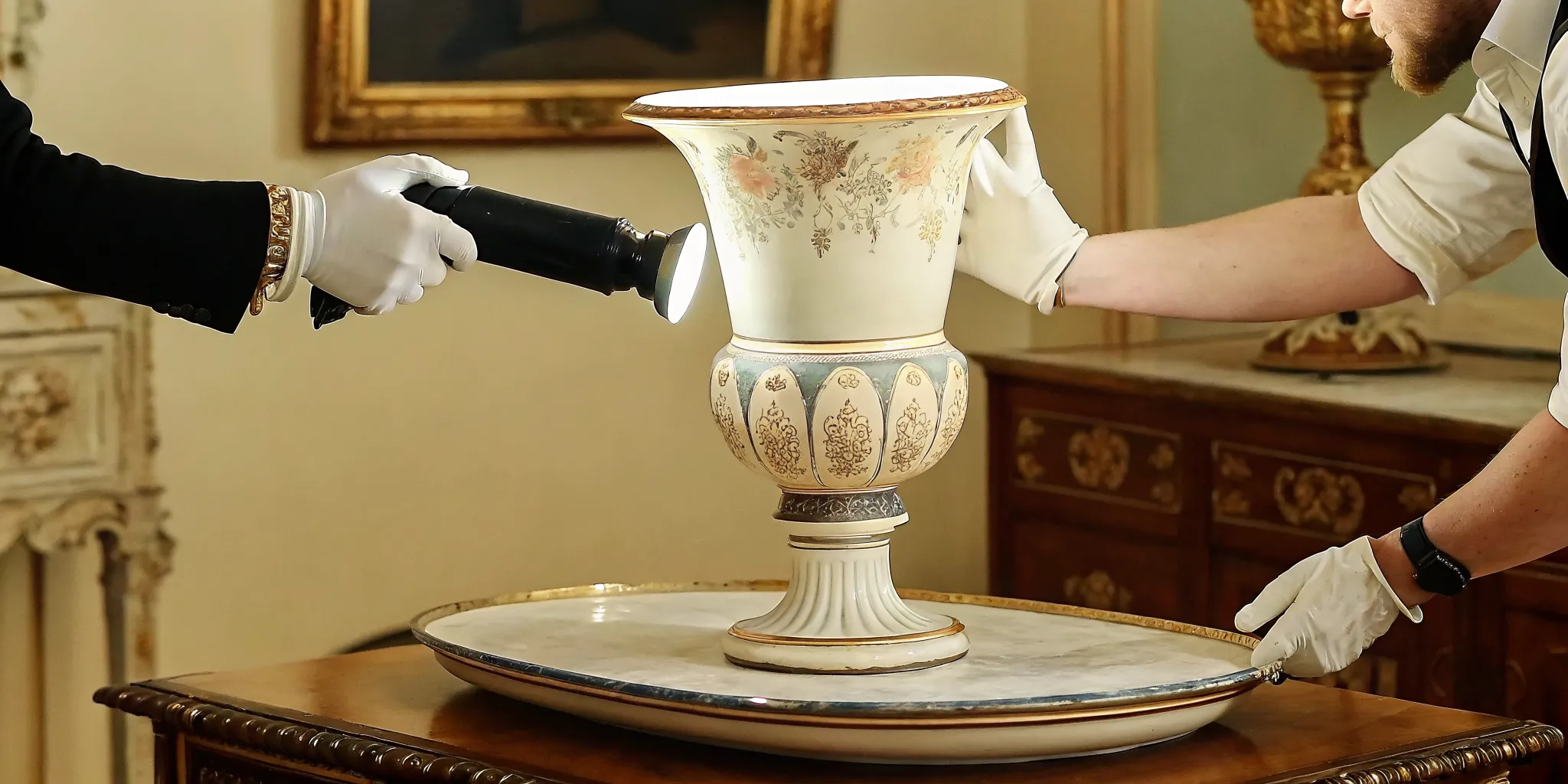
The physical state of a piece is a top factor in any Rosenthal porcelain value guide. Collectors look for items that have no flaws. Even a small mark can lower the price by half or more. High-end buyers want pieces that look new, even if they are old. When you check your items, look for any sign of use or age. A piece in top shape will always fetch the best price at auction. Similar condition factors apply to Hungarian porcelain, as noted in the Herend porcelain collector pricing guide, where restoration and wear have comparable effects on value.
Finding chips and cracks
Chips and cracks are the most common issues that hurt value. A chip on a rim or base is easy to spot but can be a big turn-off for a buyer. Hairline cracks are thin lines that stay inside the glaze. They can be hard to see without a bright light. Some lines may be “fire-cracks” that happened during the firing process. While these are from the factory, they still impact how much a person will pay. Porcelain identification experts also look for crazing. This is a web of fine lines on the surface that happens when the glaze and body age.
Deep cracks are more major than surface marks. If a crack goes through the body of the porcelain, the piece is much weaker. This can lead to the item breaking apart later. A piece with a major crack is often worth very little to a real collector. Always run your finger along the edges to feel for small nicks that the eye might miss. These small flaws can add up and cut the final value of a set in half.
Checking surface and paint quality
Wear to the gold trim or paint can also drop the price. This wear often happens if the piece was washed too often or with harsh soap. Collectors call this “gilding wear.” Stains from tea or smoke can seep into the clay and leave marks that stay for good. These stains dull the bright white of the porcelain. The museum collection record says that chips on a lid or base are key parts of a full check. A clean surface with bright colors and intact gold is what brings the most money.
You should also look for missing parts. A teapot without a lid or a sugar bowl with a broken handle has much less value. For many sets, the lid is just as vital as the bowl itself. If you find a piece that is missing its cover, it may be hard to sell. Collectors want full, working sets that they can show off in a home. Even a small missing piece can ruin the look of a fine display.
Repairs and factory seconds
Old repairs can hide damage, but they do not bring back the full worth. A good fix might look great, but you must tell any buyer about it. If you do not share this info, it can hurt your name as a seller. Modern restoration methods can fix many chips, but the repair is often easy to find with a black light. When inspecting antique porcelain repairs, always check for hidden glue or paint that does not match.
Some items were sold as “seconds” because they had flaws from the start. You can often find a slash mark through the logo on these pieces. This means the factory knew the piece was not perfect. These items were sold at a lower price when they were new. Today, they still sell for less than first-quality items. Finding these marks is a key step in knowing what your Rosenthal items are worth.
How can you research what your Rosenthal is worth?
Finding the true market price for your items takes a clear plan. You must look at what buyers pay now, not just what sellers ask. This help guide shows you how to find real data for your collection.
Identify the piece and its marks
First, find the exact name of your item. Look at the base for a stamp or a signature. Historical porcelain marks show when and where the factory made the piece. Match these marks to a specific era to see how old it is. If you find identifying your items hard, read our guide on porcelain identification to learn more about backstamps.
Check for damage and wear
The state of your porcelain is a huge part of its price. Look for small chips or cracks on the edges and lids. Even tiny marks or fire-cracks can lower the price a lot. High-quality European porcelain condition standards must be in top shape to reach its best price in an auction. Check every surface in bright light before you start your search.
Search for sold results
Do not rely on active listings for your price check. Most sellers ask for more than they will get. Look for sold results on auction sites or price guides instead. Compare your piece to items that sold in the last six months. If you are researching Meissen sale results, check more than one site to find a good range of prices. This helps you see what the market wants now.
- Find the mark: Take a clear photo of the stamp on the bottom.
- Name the pattern: Use the name or number on the piece to search.
- Filter by sold: Look only at items that buyers have paid for.
- Check the state: Only compare your item to pieces in the same state.
- Take off fees: Keep in mind that auction sites and shipping take a cut of the final price.
Get an expert opinion
Some items are rare or have a rich past that is hard to find on your own. For large estates or rare sets, you may need a pro to look at them. A specialist can spot tiny details that change the price by a large amount. This step is key if you plan to sell through a high-end auction house or a shop.
When should you request a professional appraisal?
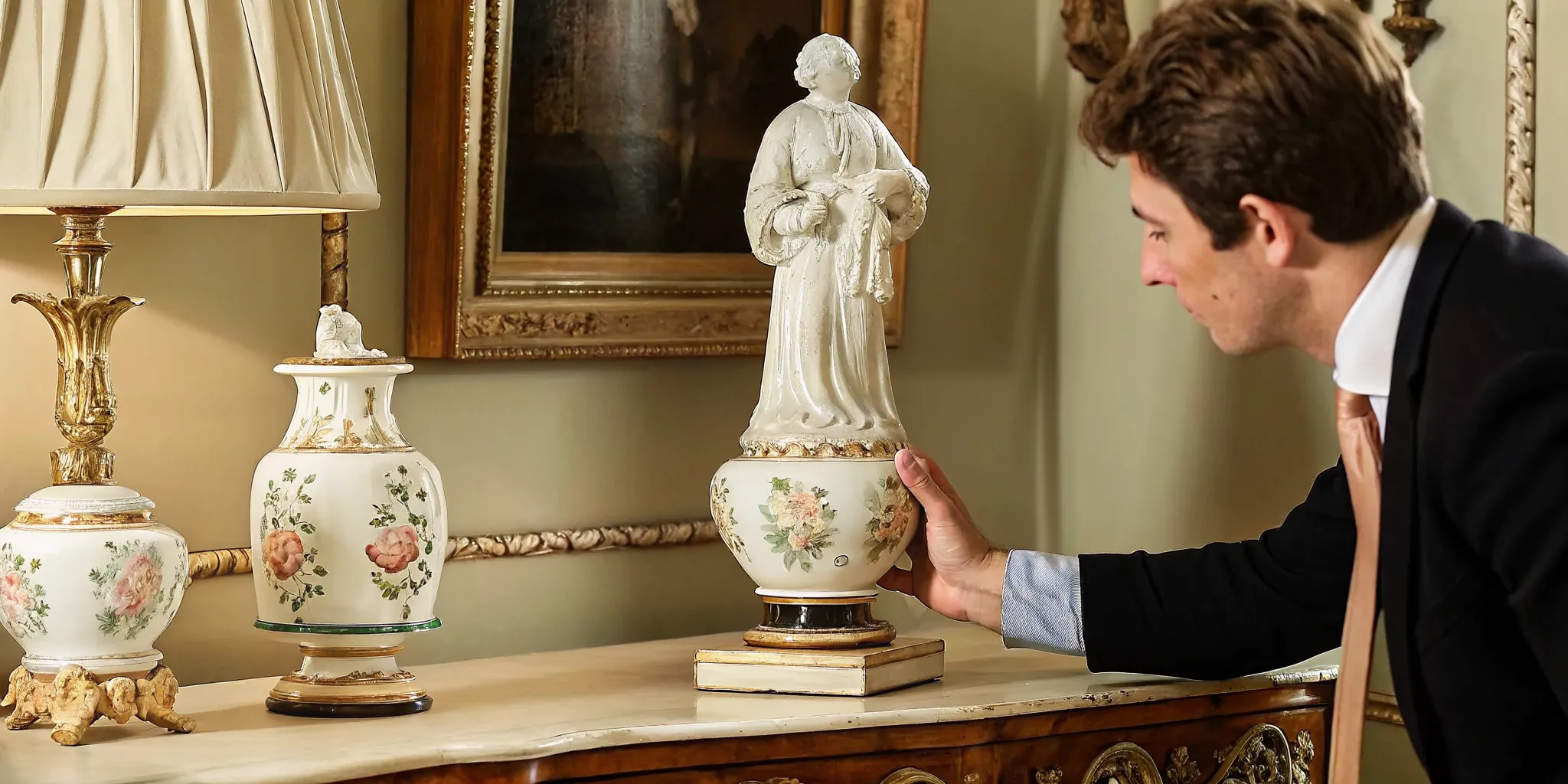
Many people own old sets but do not know their real worth. You may need a formal look if you are settling an estate or updating your insurance. A Rosenthal porcelain value guide helps for quick checks, but a pro gives a signed report. This is needed for legal proof of value. A formal paper is best if you want to sell a collection for a fair price.
Signs you need a specialist
If you have rare pieces or whole sets, a pro can help find the true age. Items with unique marks or designer names often fetch high prices at auction. You should seek help if you plan to sell high-value items or donate them for tax gains. Specialists know how to spot the small details that change the price. They can also tell if a mark is from an early date or a new line.
A specialist will also look at the history of the piece. Provenance can play a big role in how much a collector will pay. If you have old papers or receipts from the first owner, keep them. These files show where the item came from and prove it is real. Experts use these facts to build a full story for the piece.
Details to prepare for a meeting
Before you meet an expert, you should gather all parts of the set. The presence of original lids or small parts can impact the total value of a piece. Clean each item with care to show its true state. Use a soft cloth and mild soap to remove dust or grime. Avoid harsh soaps that might hurt the glaze or paint.
Take clear photos of the marks on the bottom of each dish. Note any chips, cracks, or surface wear you find. Good photos help an appraiser give a better guess before they see the items in person. List any facts you know about when the piece was bought. This helps the pro work faster and give you a clear report.
Types of porcelain value
A pro will explain the different ways to price your goods. Replacement value is the cost to buy a new item if yours breaks. This is the price most insurance companies use. Fair market value is what a willing buyer pays a willing seller. This is used for tax forms and estate plans. It reflects the price in a common sale between two people.
Auction value is the price a piece brings in a live sale. Most secondary market prices are lower than full retail costs. High demand at a sale can drive the price up for rare patterns. Understanding Herend porcelain market values values helps you set a fair goal. A pro will help you pick the right value for your needs.
Frequently Asked Questions
What is the best way to clean vintage Rosenthal porcelain?
To keep your porcelain in good shape, you must clean it with great care. Use a soft cloth and mild soap to wash each piece by hand. Avoid using a dishwasher, as high heat can hurt the old glaze and paint. According to Rosenthal, proper care helps keep the value of your set high. Never use harsh cleaning implements that could scratch the surface of the dish.
What are fire-cracks on antique porcelain pieces?
A fire-crack is a small line that forms while the porcelain is being made in the oven. While it is not a chip from use, it can still lower the total price of a piece. Experts look for these marks on the lid or base of the item. As shown by the formal condition record, any flaw is noted during a formal look. Knowing the cause of a crack helps you understand the state of your set.
Why is provenance important for porcelain value?
Provenance is the story of who owned a piece in the past. If a rare item was owned by a famous person, its price can go up. Collectors often look for old sales papers or receipts to prove where a piece came from. As shown by the provenance documentation, these records are vital for proving that an antique is real. Good proof of ownership helps a piece sell for the best price.
What happened to the Rosenthal firm after the founder died?
Philipp Rosenthal passed away in 1937, but his shop continued to grow. Before and after his death, the firm bought many other porcelain makers across Europe. For example, they held a strong interest in the Bohemia Ceramic Works between 1922 and 1945. According to WorthPoint, these many changes help experts date each item. Understanding these shifts is key to finding the real worth of your collection.
Request a Professional Rosenthal Porcelain Auction Evaluation
If you do not act now to sell your fine Rosenthal porcelain, you run a high risk of losing out on the best market price today. When you start the sales process today, you can be sure that your items will be ready for the very next big auction event very soon. A pro review gives you the facts you need to make the right choice when evaluating antique porcelain or selling your estate items now.
Ready to request a complimentary auction evaluation? Call 954-866-8044 to talk to a porcelain expert today so our expert team can help you. We will work hard to get you the best price and make the process easy for your whole family.
A single hairline crack on a Rosenthal figurine can cut its resale price by more than half. Collectors and estate owners must know how to spot these flaws and find the design era before they set a price.
Request a free, no-obligation auction evaluation for your Rosenthal porcelain.
This Rosenthal porcelain value guide helps you find the market price of your fine china by looking at marks, patterns, and condition. To find the age of a piece, you must check the factory logo on the base, as these stamps changed many times since 1879. Collectors often pay more for famous designs like “Maria” or pieces made by famous artists. You should also check for chips and cracks because even small flaws can lower the final price. As stated in official collector tips, knowing these marks is the best way to find the age and worth of your items. This guide helps you tell if your porcelain is a common item or a rare treasure worth thousands.
You might feel lost among the many stamps and signs found on the bottom of your plates. This article explains how to read those symbols and what they mean for your collection. Start with the identification process below, then compare the factors that affect market value.
How to use this Rosenthal porcelain value guide
Finding the true worth of your items takes a clear plan. This Rosenthal porcelain value guide helps you look at the most vital parts of your piece. You must check the mark, the shape, and the state of the item at the same time. No single fact tells the whole story. Instead, you need to see how all these parts work together to set the price. This guide gives you the steps to start your own check before you talk to an expert.
Start with the factory mark
The first step is to find the mark on the base of your piece. Philipp Rosenthal started his shop in 1879 in Selb, Germany. Over time, the company used many stamps to mark their work. These old marks help you find out just when the piece was made. Some marks show a set year, while others show a range of time. Knowing the date is a key part of identification for any collector. A mark from the early 1900s might be worth more than a newer one.
You should also look for names of other firms. Rosenthal grew by buying other shops like Thomas or Krister. If you see these names, it tells you more about the past of the piece. Some marks are small and hard to read. You may need a strong glass to see the fine lines of the crown or the name. Clear marks often help keep the value high because they prove the piece is real.
Check for damage and wear
The state of the item is a huge part of its price. Even rare pieces lose worth if they have chips or cracks. You should check the edges of plates and the lids of jars very closely. A small crack on a cover or a chip on the base can cut the price in half. Look for “fire cracks” too. These are small lines that happen when the piece is made. They are not as bad as a crack from a fall, but they still matter.
Look at the paint and the gold trim. If the gold is rubbed off, the piece has “wear.” This happens when people use the item for many years. Collectors want items that look like new. High wear means the item was used too much for daily tasks. Items in perfect state will always bring the best return when you sell them. Even tiny flaws can change what a buyer will pay.
Look at the shape and pattern
The shape and the art on the piece also drive the price. Rosenthal made many famous patterns like “Maria.” The type of art matters just as much as the age. Some artists were very well known and their work is in high demand. You should look for a name or a signed name near the main art. This shows a famous person may have helped design or paint the piece.
Common items like plain white plates often have a lower price. Rare shapes or small runs of art are worth much more to a buyer. When you use this guide, match your item to known patterns and forms. See if the item was part of a large set or a small run. This data helps you get a better sense of what people will pay. While we do not give firm prices, these steps help you know what you have. You can then use these facts to find the best market for your collection.
How do Rosenthal marks date a piece?
To find the age and worth of your items, you must look at the base. Most pieces have a backstamp or factory mark. These marks changed over time as the company grew. Philipp Rosenthal started the brand in 1879 at Erkersreuth Castle in Selb, Germany. Early marks often show the full name or where the factory was. Seeing these details helps you start your Rosenthal backstamp research. You should check the mark for clear lines and a sharp crown.
Common factory marks
Rosenthal marks often show a crown and crossed lines. In the early 1900s, the company bought other firms like Thomas and Krister. These buys led to new marks that joined factory names. For example, some pieces might say “Rosenthal” above “Thomas.” Knowing these changes is vital for fine German porcelain collectors. A clear stamp usually points to high quality. If a mark looks blurry, it might be a later copy or a lower grade of work.
Place names and words
The words on the base tell a story of where the item was made. You will often see “Selb” or “Germany” on the bottom. After 1945, the words changed to show new borders. Some marks might say “US Zone” or “Germany” in a style of their own. These small text shifts are key when you use a Rosenthal porcelain value guide to date a set. Pieces made for sale abroad may also have clear labels or stamps that differ from those sold at home.
Dots and production marks
Look closely at the backstamp for tiny dots or dashes. These marks often show the year or the artist. Rosenthal used a system of dots under the letters to mark when a piece was made. A single dot might mean one year, while two dots mean the next. This level of detail is common in dating Meissen porcelain of this type. You must also look for chips or cracks on the lid and base. Even small chips impact the value and help date the piece based on wear and style.
Designers and patterns collectors look for
Famous artists and Studio-Line
Rosenthal has a long past of working with top artists to make new looks. Names like Raymond Loewy and Hans Guenther Reinstein helped shape the brand in the early days. Their work often sells for more in the world of Herend porcelain values. Fans love the Studio-Line because it brings modern art to your dining room. Each piece shows a style that sets it apart from plain plates and cups.
The brand started to work with many names in the 1900s. These teams made items that people still want today. When a big name makes a set, the price can go up fast. Compare the Meissen marks and prices for German porcelain. You can find more about these famous artists and their work in art files. Knowing which name is on the base of your dish is a good first step to finding its worth.
Artist-made pieces are often rare because the plant made fewer of them. Some lines were only for a short time. This makes them hard to find for some buyers. If you have a piece from a famous person, it might be worth a lot more than a common set. Always check the mark on the bottom to see who made it.
Popular patterns to know
One of the most loved lines is the Maria White pattern. It has been around for a long time and the shop still makes it today. The look is clean and classic, which makes it a top pick for many homes. Knowing the name of the pattern is key when you want to find the price. Most guides will list items by their pattern name and the year they were made.
To find the name of your dish, look at the series numbers and the marks. These small signs help you tell one line from another. Some looks are common and easy to find. Other patterns are rare and only a few exist now. A rare pattern will often fetch a high price at a sale or shop.
Prices can change based on how many people want a certain look. Some old styles go out of fashion, while others stay in high demand. If a pattern is both rare and in demand, the value will be the best. Always use a good guide to see how your pattern ranks in the market.
Full sets and rare pieces
Most people like to buy full sets for tea or coffee. A set of 18 pieces might be worth more than each piece sold on its own. It can be hard to find a whole set that has no broken parts. This is why a complete group of dishes is such a big find for a buyer. It looks great on a shelf and is ready to use for a meal.
Having all the parts is key for the price. This includes things like the lid for a teapot or a sugar bowl. If a piece is missing its cover, the value can drop by a lot. A pot with its lid will always be worth more than one without it. Check each piece to make sure it has everything it should have.
Also, look for chips and cracks in the glaze. Even small marks on the base or the rim can hurt the value. It is best to keep your dishes in a safe spot where they will not get hit. A piece in great shape is worth a lot more than one with damage. Take your time to look at each dish before you try to sell it.
What are representative Rosenthal porcelain price ranges?
Common market price tiers
The market for Rosenthal porcelain stays busy for both buyers and sellers. Prices shift based on style, age, and the number of items up for bid. A single plate may sell for just $20. A full set can bring in $2,000 or even more. You must find the exact pattern name to get a clear sense of the price. Many Meissen porcelain auction results items at auction show how the market moves today.
The table below shows common price ranges for varied item types. These sums are just a guide and do not promise a final sale price. The state of each piece is the main driver of its worth. Even tiny chips on a lid will lower the price. High-quality pieces must be clean and free of any cracks to reach the top tier.
| Item Group | Common Examples | Price Range (USD) |
|---|---|---|
| Small Tableware | Single cups, saucers, side plates | $15 – $75 |
| Standard Sets | Coffee or tea sets (15-20 pieces) | $250 – $800 |
| Figurines | Animal or human figures | $100 – $1,500 |
| Designer Pieces | Vases or bowls by famous artists | $300 – $3,000+ |
Factors that drive value
The past also plays a big role in price. Pieces made before 1900 are often more rare. The firm moved to a new spot in 1879, which changed the marks they used. Knowing when a piece was made helps you set a fair price. You should check for damage like cracks that might not be easy to see.
The name of the artist adds a lot to the price. Rosenthal worked with many top artists. Lines like “Maria” are easy to find, but pieces by known artists are rare. Buyers often wait a long time to find these works. This high demand leads to high bids at live sales.
Age is not the only thing to check. The type of paint and the depth of the color matter too. Early pieces show high skill in the hand-painted parts. If the paint is dull or worn, the piece will not sell for as much. Always look at your items in good light to check the surface.
Managing a large estate
If you have a large set of items, the total worth can be hard to find. A full set usually sells for more than the sum of its parts. Buyers prefer to have every matching piece in one go. If a set lacks one cup, the price can drop fast. Try to keep all parts together when you ask for a price.
Lion & Unicorn helps you find the true worth of your goods. They offer an expert price check for estates. This help is vital for those who must sell many items at once. They know how to spot the gems in a large group of goods. They can help you get the best price for your whole set.
How does condition change Rosenthal porcelain value?
The physical state of a piece is a top factor in any Rosenthal porcelain value guide. Collectors look for items that have no flaws. Even a small mark can lower the price by half or more. High-end buyers want pieces that look new, even if they are old. When you check your items, look for any sign of use or age. A piece in top shape will always fetch the best price at auction. See Herend porcelain collector pricing for similar condition factors.
Finding chips and cracks
Chips and cracks are the most common issues that hurt value. A chip on a rim or base is easy to spot but can be a big turn-off for a buyer. Hairline cracks are thin lines that stay inside the glaze. They can be hard to see without a bright light. Some lines may be “fire-cracks” that happened during the firing process. While these are from the factory, they still impact how much a person will pay. Porcelain identification experts also look for crazing. This is a web of fine lines on the surface that happens when the glaze and body age.
Deep cracks are more major than surface marks. If a crack goes through the body of the porcelain, the piece is much weaker. This can lead to the item breaking apart later. A piece with a major crack is often worth very little to a real collector. Always run your finger along the edges to feel for small nicks that the eye might miss. These small flaws can add up and cut the final value of a set in half.
Checking surface and paint quality
Wear to the gold trim or paint can also drop the price. This wear often happens if the piece was washed too often or with harsh soap. Collectors call this “gilding wear.” Stains from tea or smoke can seep into the clay and leave marks that stay for good. These stains dull the bright white of the porcelain. The museum collection record says that chips on a lid or base are key parts of a full check. A clean surface with bright colors and intact gold is what brings the most money.
You should also look for missing parts. A teapot without a lid or a sugar bowl with a broken handle has much less value. For many sets, the lid is just as vital as the bowl itself. If you find a piece that is missing its cover, it may be hard to sell. Collectors want full, working sets that they can show off in a home. Even a small missing piece can ruin the look of a fine display.
Repairs and factory seconds
Old repairs can hide damage, but they do not bring back the full worth. A good fix might look great, but you must tell any buyer about it. If you do not share this info, it can hurt your name as a seller. Modern restoration methods can fix many chips, but the repair is often easy to find with a black light. When inspecting antique porcelain repairs, always check for hidden glue or paint that does not match.
Some items were sold as “seconds” because they had flaws from the start. You can often find a slash mark through the logo on these pieces. This means the factory knew the piece was not perfect. These items were sold at a lower price when they were new. Today, they still sell for less than first-quality items. Finding these marks is a key step in knowing what your Rosenthal items are worth.
How can you research what your Rosenthal is worth?
Finding the true market price for your items takes a clear plan. You must look at what buyers pay now, not just what sellers ask. This help guide shows you how to find real data for your collection.
Identify the piece and its marks
First, find the exact name of your item. Look at the base for a stamp or a signature. Historical porcelain marks show when and where the factory made the piece. Match these marks to a specific era to see how old it is. If you find identifying your items hard, read our guide on porcelain identification to learn more about backstamps.
Check for damage and wear
The state of your porcelain is a huge part of its price. Look for small chips or cracks on the edges and lids. Even tiny marks or fire-cracks can lower the price a lot. High-quality European porcelain condition standards must be in top shape to reach its best price in an auction. Check every surface in bright light before you start your search.
Search for sold results
Do not rely on active listings for your price check. Most sellers ask for more than they will get. Look for sold results on auction sites or price guides instead. Compare your piece to items that sold in the last six months. If you are researching Meissen sale results, check more than one site to find a good range of prices. This helps you see what the market wants now.
- Find the mark: Take a clear photo of the stamp on the bottom.
- Name the pattern: Use the name or number on the piece to search.
- Filter by sold: Look only at items that buyers have paid for.
- Check the state: Only compare your item to pieces in the same state.
- Take off fees: Keep in mind that auction sites and shipping take a cut of the final price.
Get an expert opinion
Some items are rare or have a rich past that is hard to find on your own. For large estates or rare sets, you may need a pro to look at them. A specialist can spot tiny details that change the price by a large amount. This step is key if you plan to sell through a high-end auction house or a shop.
When should you request a professional appraisal?
Many people own old sets but do not know their real worth. You may need a formal look if you are settling an estate or updating your insurance. A Rosenthal porcelain value guide helps for quick checks, but a pro gives a signed report. This is needed for legal proof of value. A formal paper is best if you want to sell a collection for a fair price.
Signs you need a specialist
If you have rare pieces or whole sets, a pro can help find the true age. Items with unique marks or designer names often fetch high prices at auction. You should seek help if you plan to sell high-value items or donate them for tax gains. Specialists know how to spot the small details that change the price. They can also tell if a mark is from an early date or a new line.
A specialist will also look at the history of the piece. Provenance can play a big role in how much a collector will pay. If you have old papers or receipts from the first owner, keep them. These files show where the item came from and prove it is real. Experts use these facts to build a full story for the piece.
Details to prepare for a meeting
Before you meet an expert, you should gather all parts of the set. The presence of original lids or small parts can impact the total value of a piece. Clean each item with care to show its true state. Use a soft cloth and mild soap to remove dust or grime. Avoid harsh soaps that might hurt the glaze or paint.
Take clear photos of the marks on the bottom of each dish. Note any chips, cracks, or surface wear you find. Good photos help an appraiser give a better guess before they see the items in person. List any facts you know about when the piece was bought. This helps the pro work faster and give you a clear report.
Types of porcelain value
A pro will explain the different ways to price your goods. Replacement value is the cost to buy a new item if yours breaks. This is the price most insurance companies use. Fair market value is what a willing buyer pays a willing seller. This is used for tax forms and estate plans. It reflects the price in a common sale between two people.
Auction value is the price a piece brings in a live sale. Most secondary market prices are lower than full retail costs. High demand at a sale can drive the price up for rare patterns. Understanding Herend porcelain market values values helps you set a fair goal. A pro will help you pick the right value for your needs.
Frequently Asked Questions
What is the best way to clean vintage Rosenthal porcelain?
To keep your porcelain in good shape, you must clean it with great care. Use a soft cloth and mild soap to wash each piece by hand. Avoid using a dishwasher, as high heat can hurt the old glaze and paint. According to Rosenthal, proper care helps keep the value of your set high. Never use harsh cleaning implements that could scratch the surface of the dish.
What are fire-cracks on antique porcelain pieces?
A fire-crack is a small line that forms while the porcelain is being made in the oven. While it is not a chip from use, it can still lower the total price of a piece. Experts look for these marks on the lid or base of the item. As shown by the formal condition record, any flaw is noted during a formal look. Knowing the cause of a crack helps you understand the state of your set.
Why is provenance important for porcelain value?
Provenance is the story of who owned a piece in the past. If a rare item was owned by a famous person, its price can go up. Collectors often look for old sales papers or receipts to prove where a piece came from. As shown by the provenance documentation, these records are vital for proving that an antique is real. Good proof of ownership helps a piece sell for the best price.
What happened to the Rosenthal firm after the founder died?
Philipp Rosenthal passed away in 1937, but his shop continued to grow. Before and after his death, the firm bought many other porcelain makers across Europe. For example, they held a strong interest in the Bohemia Ceramic Works between 1922 and 1945. According to WorthPoint, these many changes help experts date each item. Understanding these shifts is key to finding the real worth of your collection.
Request a Professional Rosenthal Porcelain Auction Evaluation
If you do not act now to sell your fine Rosenthal porcelain, you run a high risk of losing out on the best market price today. When you start the sales process today, you can be sure that your items will be ready for the very next big auction event very soon. A pro review gives you the facts you need to make the right choice when evaluating antique porcelain or selling your estate items now.
Ready to request a complimentary auction evaluation? Call 954-866-8044 to talk to a porcelain expert today so our expert team can help you. We will work hard to get you the best price and make the process easy for your whole family.
Free Consultation
Ready to Sell Your Estate or Collection?
Lion & Unicorn's expert team offers free appraisals and nationwide pickup service.
Over 30 years of experience — Florida's most trusted auction house.