


Antique Doll Value Guide: Identify and Price Dolls
Free Consultation
Ready to Sell Your Estate or Collection?
Lion & Unicorn's expert team offers free appraisals and nationwide pickup service.
Over 30 years of experience — Florida's most trusted auction house.
A rare porcelain doll can sell for more than a luxury car, yet many families own vintage dolls without knowing their history or market potential. This antique doll value guide explains how maker, age, materials, originality, condition, and buyer demand work together to determine what an old doll may be worth.
Request a free antique doll appraisal
An antique doll value guide helps collectors find the worth of dolls based on maker, age, and condition. Pieces made of porcelain and bisque from the mid-1800s are often the most valuable. According to The Spruce Crafts, rare limited edition dolls can sell for over $100,000 at auction. Most common dolls sell for much less, but spotting a famous maker like Jumeau or Bru can lead to a big win. You must check the back of the neck or the base of the doll for maker marks. These small stamps or names prove who made the doll and when. Condition is the next most important factor. A doll with its original clothes and no cracks will always fetch a higher price. Even a small chip can lower the value by half.
Finding the worth of an old doll takes patience and a keen eye for detail. You must learn to spot the traits that separate a toy from a treasure. Our Antique doll value guide: start with identification will show you how to find marks and judge the body of your doll. The path begins with
Antique doll value guide: start with identification
Finding the true worth of a doll starts with knowing exactly what you have. The first step in any antique doll value guide is to examine the piece closely. You must find who made it and when they built it. This work helps you separate rare finds from common toys.
Spotting maker marks and labels
Most makers left marks on their dolls to show where they came from. You can often find these stamps or etched marks on the back of the head, the neck, or the shoulders. Some dolls also have labels on their cloth bodies or tags on their clothing. Finding a mark like a name or a symbol is the fastest way to start your search.
If you find a mark, you can match it to known brands from the past. French makers like Jumeau or Bru are very famous and can be worth a lot of money. If you cannot find a mark, you may need professional antique appraisal services to help find the doll’s home. Experts look at small facts that most people might miss.
Checking materials and parts
What the doll is made of tells a lot about its age. Early dolls from 1836 were often china head dolls made in Germany. Later, bisque dolls came from Europe in the 1850s. Knowing the difference between bisque, wood, and hard plastic helps you date the item. For example, hard plastic dolls did not appear until after 1942, from Doll Reference records.
You should also look at the eyes and hair. Antique dolls might have glass eyes that are fixed or move. The hair could be mohair, human hair, or painted on. These parts give clues about the style of the time. Fashion lady dolls from the 1860s often had very detailed hair and fine clothes. Every small fact adds to the story of the doll.
Using safe handling methods
Handle a doll carefully during inspection. Old parts are often fragile and can break with a light touch. You should treat every piece as if it is one of a kind and cannot be replaced. This rule comes from Smithsonian handling tips for old fabrics. Safe handling keeps the doll in top shape, which protects its value over time.
Before you touch the doll or its clothes, wash your hands with soap and water. This removes oils from your skin that can stain the fabric. Also, work on a clean and flat surface to prevent drops or spills. A safe workspace is the best way to avoid harm and keep the doll safe.
- Prepare clean hands: Wash and dry your hands to remove skin oils before touching the doll.
- Create a safe workspace: Place the doll on a clean, flat, softly padded surface.
- Find maker marks: Check the back of the head, neck, and shoulders for names, numbers, or symbols.
- Identify materials: Examine the head and body construction for clues about the manufacturing era.
- Review original details: Note the eyes, hair, clothing, and accessories to see whether they match the maker’s style.
- Check labels: Search the body and clothing for original tags or stamps.
- Document findings: Photograph and record every detail before requesting an expert valuation.
Which antique doll makers are most collectible?
Finding the professional antique appraisal services of an expert is a great first step. Most buyers look for specific names from 100 or 200 years ago. The maker of a doll often sets its price, but the mold and look of the face are also key. These items do more than just sit on a shelf. A large doll collection can show how fashion and life have changed over time.
High-end French bisque dolls
French makers lead the top end of the market for many people. Jumeau and Bru are the names that fans want the most. These firms made antique bisque dolls starting in the 1850s. They are famous for their fine work and lifelike eyes made of glass. A Jumeau doll often has a look of grace that is hard to find in other types. Bru dolls are known for their heavy, high-quality bisque and complex joints.
A rare French doll can bring high prices when it goes to a sale. Some rare dolls have sold for more than $100,000 in the past according to antique doll value guide data. These high prices are for dolls in top shape with all their parts. If you find a French doll with its first box or clothes, the price can go up even more.
Famous German doll makers
German firms made many dolls for people all over the world. Names like Kestner, Simon and Halbig, and Armand Marseille are common. These china head dolls were made in Germany as early as 1836. German dolls are known for being tough and having many styles. Kestner was often called the “King of Doll Makers” because they made almost every part of the doll in one place.
Simon and Halbig made heads for many other firms. This means you might find their mark on a doll with a body from a different brand. Armand Marseille is known for making dolls that many people could buy. Even though they made many dolls, some of their rare molds still have high value today. Most of these dolls have marks on the back of the head. These marks help you find the maker and the year it was made.
Mold and look as price factors
The mold is the shape used to cast the doll head from liquid clay. Each mold has a number. Some mold numbers are rare because the firm only made a few of them. A “character” doll has a face that looks like a real child. It might be smiling, crying, or pouting. These dolls often cost more than a plain “dolly” face. Dolls made of porcelain that are 80 to 100 years old often have more value.
It is also vital to keep the doll and its clothes safe from harm. You should wash your hands with soap and water before you touch old doll cloth. This removes skin oils that can leave marks on the fabric. You should also use a flat, clean spot when you look at your dolls. Keep pens and drinks away from the area. This helps keep the thin threads and paint from getting ruined.
How doll materials and eras affect value
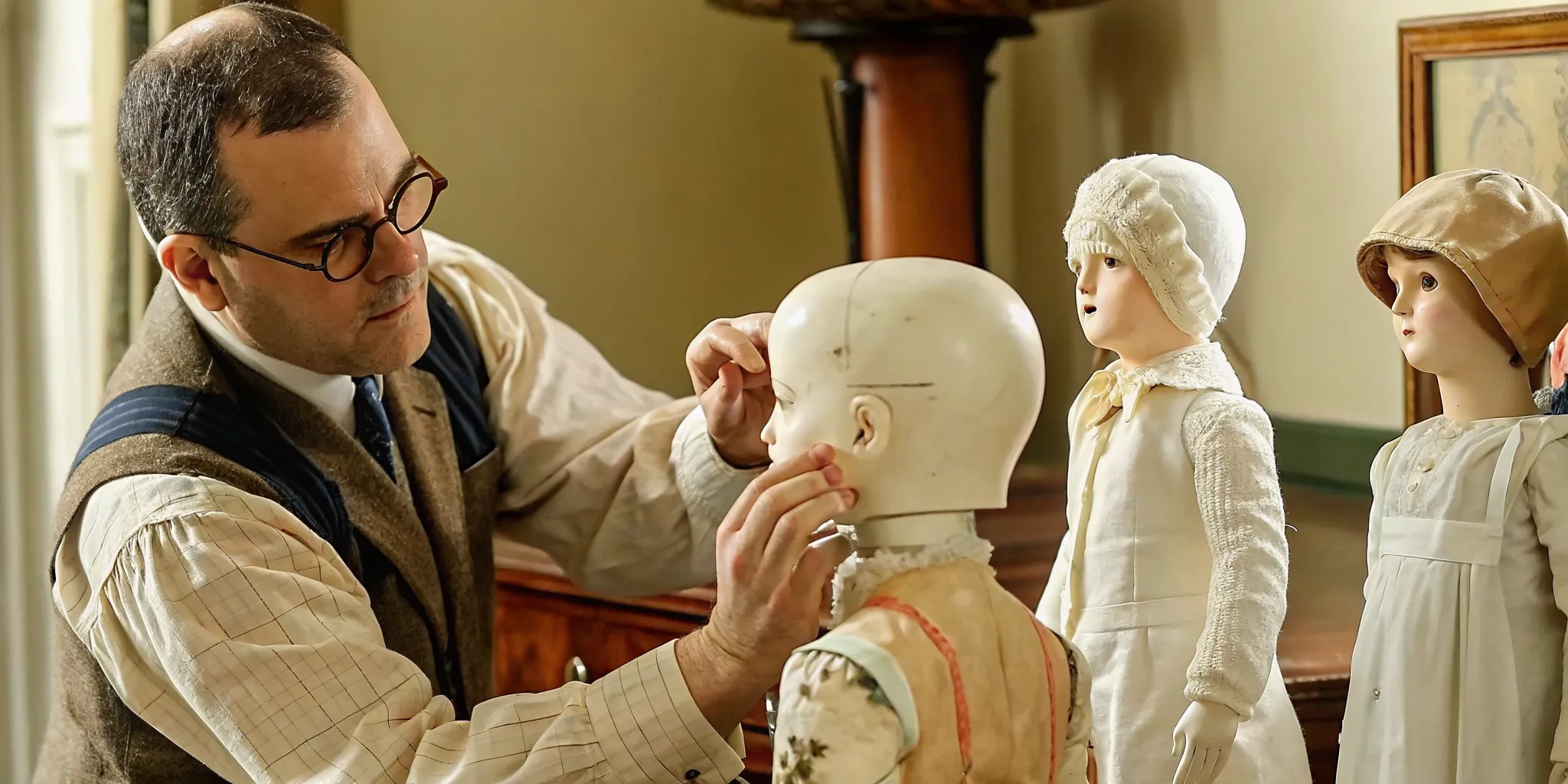
The material and manufacturing era provide essential evidence for dating an old doll and estimating collector demand. China, bisque, composition, hard plastic, and vinyl each have distinctive characteristics, and each material reached the market during a different period. Compare those clues with the maker mark and construction before drawing a conclusion.
Early clay heads
The first dolls often had heads made of china or bisque. China head dolls began in Germany around 1836. They have a shiny glaze and painted hair. Most of these dolls show grown women and have stiff bodies.
They were liked until the late 1800s when new styles took over. Finding a china doll with its first dress can raise the price a lot. Bisque dolls came later, starting in the 1850s in Europe. French makers led this trend with a dull finish that looks like skin.
These dolls often have glass eyes and real hair wigs. Some of the most famous names are Jumeau and Bru. They are now some of the most prized items at sales. People love them for their fine looks and sweet faces.
The rise of plastic
After the big wars, makers switched to new parts. Hard plastic dolls became common after 1942. Brands like Ideal Toy made many of these. Hard plastic was more durable than clay or wood.
It did not break as often, so more dolls from this time still exist today. These dolls often had eyes that could open and close. Later, vinyl dolls like the first Barbie in 1959 changed the hobby. While these are newer, rare models still have high demand today.
A first edition doll in its box can be worth a lot of money. If you have a large group of items, you may need professional antique appraisal services to find their true worth. Pros can check the marks and dates to give you a fair price.
Market demand by era
Age and how rare they are are the biggest drivers of price. A doll from a small set can sell for a lot of money. For one case, a rare doll from 1916 by Albert Marque once sold for $300,000.
Most items on sites like eBay sell for less than $10,000. The market changes based on what people want to buy. Some years, older dolls are the big trend. Other times, toys from the 1950s are the most liked.
To keep value high, you must handle old clothes with care. You should wash your hands before you touch old cloth. Skin oils can harm the doll over time.
Use a clean, flat desk when you look at your dolls. Keep them away from food, drinks, and pens. Safe care helps your group last for many years. This keeps the dolls in good shape for the next group of fans.
| Material | Start Era | Value Clues |
|---|---|---|
| China Head | 1836 | Shiny glaze, molded hair |
| Bisque | 1850s | Dull finish, glass eyes |
| Composition | 1900s | Wood pulp mix, sturdy feel |
| Hard Plastic | 1942 | Lightweight, famous brands |
Ask Lion & Unicorn about selling an inherited doll collection
What condition factors change an old doll’s value?
The state of an old doll is the most vital part of its price. Small flaws can lead to big drops in what a buyer will pay. These dolls have been a part of popular culture for over a century.
Buyers look for items that stay close to their first state. A doll in top shape will always bring more money than one with many signs of wear. Knowing how flaws change the cost is key to finding the right price.
Cracks and surface wear
The head of a doll is the first place a buyer looks. On dolls made of bisque or china, cracks and faint lines called hairlines are big issues. These marks can start at the crown or near the neck.
Even a tiny line can cut the price by half. This defect is a big deal for buyers. For dolls made of wood or pulp, you might see crazing. This looks like a web of tiny cracks on the skin. While some wear is normal, deep cracks will lower the worth of the piece.
Original parts and clothing
A doll keeps its value best when it has all its first parts. This includes the wig, glass eyes, and the body. If someone has swapped the old wig for a new one, the doll is worth less.
The same is true for the eyes. Fixed eyes are less prized than eyes that sleep or move. The body must also be right for the head. A body that does not match is a common flaw that hurts the price.
Clothes are also a key part of the total worth. Old fabric is very frail and can tear easily. You must treat these old items as irreplaceable antique textiles pieces that cannot be replaced.
To keep the value high, avoid stains from food or pens. Always wash your hands well before you touch the old clothes. Clean hands stop skin oils from marking the fabric and bringing dust over time.
A doll’s history, or provenance, also changes its worth. If a doll was owned by someone famous, it may sell for a high price. You should keep any old letters or tags that come with the doll. These papers prove the doll’s past and help build its value.
The cost of repairs and fixing
You might think fixing a broken doll would help its price, but that is rarely true. In the world of old dolls, most buyers want items in their first state. Poor repairs or new paint can hide the true age of the piece.
This makes it hard for experts to give you a fair price. Most pros will tell you that a doll with its first paint is worth more than a doll with a fresh coat.
If you are not sure if a doll has been fixed, you can use professional antique appraisal services. An expert can find hidden cracks or replaced parts. They use black lights to see where new paint has been used.
Knowing the truth about the doll’s state will help you get the best price when you sell it. It also helps you learn how to care for your set for many years to come.
How much are old dolls worth today?
The price of an old doll can change fast. Many people check sites like eBay and see items for sale for thousands of dollars. But an asking price is not the same as a sold price. To get a real antique doll value guide, you must look at what buyers paid. Most dolls on the open market sell for less than $10,000. Some rare ones can reach much higher prices at a live auction, but those are not common. You need to know the facts before you set a price for your item.
Check sold auction results
The best way to find a doll’s worth is to search for sold items. Matching your doll to one that sold lately gives you a fair market price. A scan of auction sites shows that most china dolls sell for between $5 and a few thousand dollars. However, rare items can go for much more. For example, a doll made in 1916 by Albert Marque once sold for $300,000 because it was one of only 100 made. While most dolls will not reach that high, checking realized auction prices is the first step to knowing the true value. This helps you see what people are willing to pay right now.
Look at state and care
State is the key factor in pricing. Even a small crack or a stain on the clothes can drop the price by half. Experts say you should always treat old doll clothes as rare items. You must keep them away from food, drinks, and pens. Before you touch an old doll, you should wash your hands to remove oils that can harm the cloth over time. You should also use clean, flat desks when you look at your set. Avoid using brass pins, newsprint, or tape to mark or store your dolls. These things can cause damage that lowers the value. Buyers will pay much more for a doll that has been kept in a clean and safe place with no marks or tears.
Get an expert review
If you think you have a rare item, you should not guess the price. An expert can look at the maker’s mark and the parts to give you a clear answer. They know the difference between a common toy and a fine art piece. They can also tell if the doll has its first hair and clothes, which adds to the price. Using professional antique appraisal services helps you avoid selling a costly doll for too little. A pro can also help you find the right buyers who look for certain types of dolls from the past. This ensures that you get a fair deal and that the doll goes to a good home where its past is valued.
What should you do before selling an antique doll?
Selling a rare doll requires careful documentation, honest condition reporting, and access to buyers who understand its maker and era. If you are ready to move forward, review Lion & Unicorn’s guide to selling antiques and collectibles and avoid the common mistakes made when selling inherited antiques.
Selling a rare item takes a light touch to keep its worth high. When you use an antique doll value guide, you’ll find that shape is the most vital key. Some porcelain dolls that are 80 to 100 years old or older can hold a very high price. But even a small bit of damage can drop that price in an instant. You must take the right steps to guard your doll before you list it for sale or head to an auction house.
Safe handling and cleaning
Old cloth and parts are often quite weak. You should treat doll clothes with care. The Smithsonian notes that antique textiles are one of a kind and easy to break. Before you touch your doll, wash your hands with soap and water. This simple act removes skin oils that stain old cloth and pull in dust. You should also work on a flat, clean space with plenty of room. Keep food, drinks, and pens far away to avoid spills or ink marks.
Do not try to clean the doll or its clothes with harsh soaps. New cleaners can ruin old paint or rot old silk. If the doll has dust, use a soft brush to gently whisk it away. If you find deep dirt or stains, it is best to leave them alone. Most buyers would rather see a dirty doll in its first state than a clean doll with ruined paint. Expert buyers know how to clean these items and will pay more for a doll that has not been changed.
Finding and listing details
Once your doll is safe, you need to gather facts for a buyer. Look for marks on the back of the head, neck, or shoulders. These marks often show a number or a name that tells you who made the doll and when. You will also want to check the body for stamps or labels. These small clues are key to finding the right date and maker for your doll. If you find a mark, do not try to scrub it to see it better. You might rub the ink or paint right off.
Take clear photos from all angles to show the full shape of the doll. Be sure to show the face, hair, and all marks you found. You also need to show any damage like cracks or chips in the wood or bisque. A buyer wants to know exactly what they are getting before they pay. If the doll has a box or old papers, keep those safe too. These items add a lot of value because they prove where the doll came from and how it was kept.
- Handle with clean hands: Wash with soap to remove skin oils before touching the doll or its clothing.
- Protect the workspace: Use a flat, clear surface and keep liquids and pens away.
- Find maker marks: Check the neck, back, and body for names, numbers, labels, or stamps.
- Document condition: Take clear photos of the face, marks, damage, and accompanying items.
- Inventory original pieces: List shoes, hats, dresses, boxes, and papers included with the doll.
- Request expert guidance: Use professional antique appraisal services to understand a fair market value.
Frequently Asked Questions
How can you tell if a doll is a true antique?
Most experts say a doll must be at least 100 years old to be a true antique. You can find the age by looking at the maker marks on the neck or shoulders. The parts used to build the doll also give clues about when it was made. For example, bisque dolls first came from Europe in the 1850s. If the doll has a head made of hard plastic, it was likely built after 1942. This makes it vintage.
Which factors have the biggest impact on doll value?
The maker and the state of the doll are the key things for the price. Rare names like Jumeau or Bru often sell for much more than common brands. Collectors also want dolls with their first clothes and first boxes. Any chips, cracks, or repairs will lower the worth of the piece. While some dolls sell for a few dollars on eBay, rare and perfect dolls can reach high prices at a big sale or auction.
How do you safely store antique doll clothing?
You must keep old clothes in a clean and dry place to prevent harm. Always use flat surfaces and avoid items that have acid, such as newsprint or low quality tape. Based on the Smithsonian, you should never use brass pins or iron to hold the fabric. These parts can cause rust or stains over time. Wash your hands well before you touch the cloth to keep oils and dirt off the old threads.
What is the most expensive antique doll ever sold?
The rarest dolls can sell for huge sums of money at special sales. Based on The Spruce Crafts, a doll made by Albert Marque sold for $300,000 in 2014. Only 100 of these dolls were ever built, which makes them very hard to find today. Most dolls that are 80 to 100 years old are worth less. However, pieces with a known artist or high quality still hold great value for many fans.
Ready to find the true value of your antique dolls?
Many people keep old dolls for years without knowing what they are worth. This can be a big risk because the market for old items shifts based on what buyers want today. If you wait too long, you might miss a high point in price for some makers. Also, the state of old cloth and paint can change if they are not kept in a safe place. Getting an expert look at your items now makes sure you know just where you stand. You can also read our guide on expert antique appraisal steps to learn more about the work we do. You will feel good knowing the facts and have a clear path to sell your items. This step helps you avoid the stress of guessing or selling for a low price. It is better to act fast so you can get the best result for your collection.
Ready to request an auction evaluation? Call +1 954-866-8044 to talk to a specialist.
Free Consultation
Ready to Sell Your Estate or Collection?
Lion & Unicorn's expert team offers free appraisals and nationwide pickup service.
Over 30 years of experience — Florida's most trusted auction house.