


How to Get Antiques Appraised: Cost, Process, and What to Expect
Free Consultation
Ready to Sell Your Estate or Collection?
Lion & Unicorn's expert team offers free appraisals and nationwide pickup service.
Over 30 years of experience — Florida's most trusted auction house.
Whether you inherited a collection of porcelain figurines, discovered vintage jewelry in an estate, or want to know what that antique furniture in your living room is actually worth, getting a professional appraisal is the smartest first step. A certified antique appraisal gives you an accurate, documented value that protects your interests whether you plan to sell, insure, donate, or divide assets. For inherited carpets and textiles, our Oriental rug value guide explains the origin, weave, and condition details appraisers review.
📖 Related: Hummel figurines value guide
📖 Related: Capodimonte porcelain value guide
📖 Related: Lladró figurines value guide
This guide covers everything you need to know: the different types of antique appraisals, what they cost, how to find a qualified antique appraiser near you, and what to expect during the process.
What Is an Antique Appraisal and Why Does It Matter?
An antique appraisal is a professional evaluation of an item’s authenticity, condition, provenance, and market value. Unlike a casual estimate from a dealer or an online price lookup, a formal appraisal produces a written document that holds up for insurance claims, tax deductions, estate settlements, and legal proceedings.
Here is why getting your antiques professionally appraised matters:
- Accurate valuation for selling. Without a professional appraisal, you risk underpricing a rare piece or overvaluing a common one. An appraiser examines comparable auction results, market demand, and condition to determine what buyers will actually pay.
- Insurance coverage. Homeowners insurance typically does not cover the full replacement value of antiques and collectibles unless you have a scheduled rider. An appraisal documents the replacement cost so your policy covers the real value.
- Estate planning and settlement. When dividing assets among heirs or settling an estate, a certified appraisal provides an impartial valuation that all parties can rely on. This is especially important for IRS reporting when estates exceed the tax exemption threshold.
- Charitable donations. The IRS requires a qualified appraisal for any single item or group of similar items valued at $5,000 or more when claiming a tax deduction.
Types of Antique Appraisals: Which One Do You Need?
Not all appraisals serve the same purpose. The type you need depends on what you plan to do with your antiques.
Fair Market Value Appraisal
This determines what a willing buyer would pay a willing seller, with neither under pressure to complete the transaction. Fair market value appraisals are used for estate settlements, divorce proceedings, charitable donations, and IRS reporting. This is the most commonly requested type for estates and collections.
Insurance (Replacement Value) Appraisal
An insurance appraisal establishes the cost to replace an item with one of similar kind and quality in the current retail market. Replacement values are typically higher than fair market values because they account for retail markup, sourcing difficulty, and the urgency of replacement after a loss.
Liquidation Value Appraisal
This reflects what items would bring if sold quickly, often at auction or through an estate sale. Liquidation values are generally lower than fair market values because the timeline is compressed. If you are downsizing, settling debts, or need to sell a collection quickly, this is the appraisal type your situation calls for.
Verbal (Informal) Appraisal
Many auction houses and antique dealers offer free verbal appraisals as a preliminary assessment. These give you a general idea of value but do not produce a written report. A verbal appraisal is a useful starting point before investing in a formal, written evaluation.
How Much Does an Antique Appraisal Cost?
Antique appraisal costs vary based on the complexity of the item, the appraiser’s expertise, and the type of report you need. Here is a general breakdown: When you are ready to sell, learn how to sell antiques in Florida.
| Appraisal Type | Typical Cost Range | Best For |
|---|---|---|
| Verbal / informal estimate | Free to $50 | Quick initial valuation |
| Single-item written appraisal | $50 to $300 | Insurance, selling, donations |
| Hourly rate (complex items) | $100 to $300/hour | Rare, high-value, or unusual pieces |
| Estate or collection appraisal | $300 to $3,000+ | Full estates, large collections |
Several factors influence the final cost:
- Item complexity. A mass-produced Depression-era glass piece requires less research than a signed Tiffany lamp or an unsigned 18th-century oil painting.
- Purpose of the appraisal. IRS-compliant appraisals for charitable donations or estate tax filings require additional documentation and adherence to USPAP (Uniform Standards of Professional Appraisal Practice) standards, which takes more time.
- Number of items. Many appraisers offer volume discounts for collections or full estates. Bundling items saves money compared to appraising each piece individually.
- Travel requirements. In-home or on-site appraisals may include travel fees, especially for large collections that cannot be transported easily.
How to Find a Qualified Antique Appraiser Near You
Finding the right antique appraiser is about credentials, specialization, and reputation. Here is how to locate a trustworthy professional:
Check Professional Credentials
Look for appraisers who hold designations from recognized organizations:
- ASA (American Society of Appraisers) — Requires demonstrated competence through education and experience, plus adherence to USPAP standards.
- AAA (Appraisers Association of America) — Focused on fine and decorative arts appraisals.
- ISA (International Society of Appraisers) — Provides certification for personal property appraisers across multiple specialties.
These credentials ensure the appraiser follows ethical standards, maintains current market knowledge, and produces reports that are accepted by the IRS, insurance companies, and courts.
Match Specialization to Your Items
Antiques cover a vast range of categories. A generalist can handle common items, but specialized pieces demand a specialist:
- Fine art (paintings, sculptures, prints) — Look for appraisers with art history background and gallery experience.
- Furniture — Period furniture requires knowledge of construction techniques, wood types, and regional styles across centuries.
- Jewelry and watches — Gemological training (GIA certification) is essential for accurate gem and precious metal evaluation.
- Ceramics and pottery — Knowledge of marks, glazes, and production techniques across manufacturers like Lladro, Royal Doulton, or Capodimonte.
- Silver, coins, and militaria — Each category has its own grading standards and market dynamics.
Where to Search
- Auction houses. Full-service auction houses like Lion and Unicorn employ specialists across multiple collecting categories. Many offer complimentary initial evaluations as part of their consignment process.
- Professional association directories. The ASA, AAA, and ISA all maintain searchable member directories filtered by location and specialty.
- Estate attorneys and financial advisors. Professionals who handle estate settlements regularly work with appraisers and can provide referrals.
- Local antique shows and events. Attending shows is a way to meet appraisers in person, see their work, and ask questions before hiring one.
What to Expect During the Appraisal Process
Understanding what happens during an antique appraisal helps you prepare and ensures you get the most value from the experience.
📖 Related: identifying valuable coins
Step 1: Initial Consultation
The appraiser will ask about the items you need evaluated, the purpose of the appraisal, and any documentation you already have. This is also when you discuss fees and timeline.
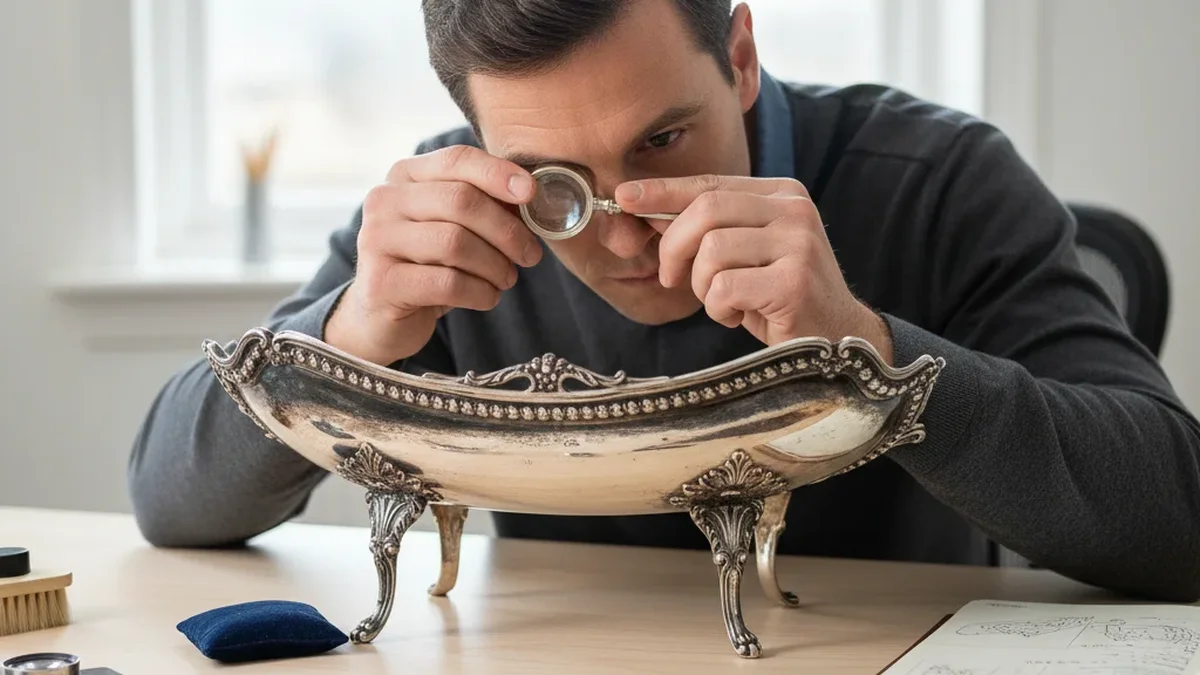
Step 2: Physical Examination
The appraiser inspects each item in detail, examining:
- Condition — chips, cracks, repairs, missing parts, wear patterns
- Marks and signatures — maker’s marks, hallmarks, stamps, labels, or signatures
- Construction and materials — wood type, metal composition, fabric, glass technique
- Provenance — any documentation of ownership history, purchase receipts, or certificates of authenticity
Step 3: Research and Comparable Sales Analysis
The appraiser researches comparable items that have sold recently at auction and through private sales. This “comp” analysis is the foundation of an accurate market-based valuation. Databases like LiveAuctioneers, Invaluable, and internal auction house records provide the sales data.
Step 4: Written Report
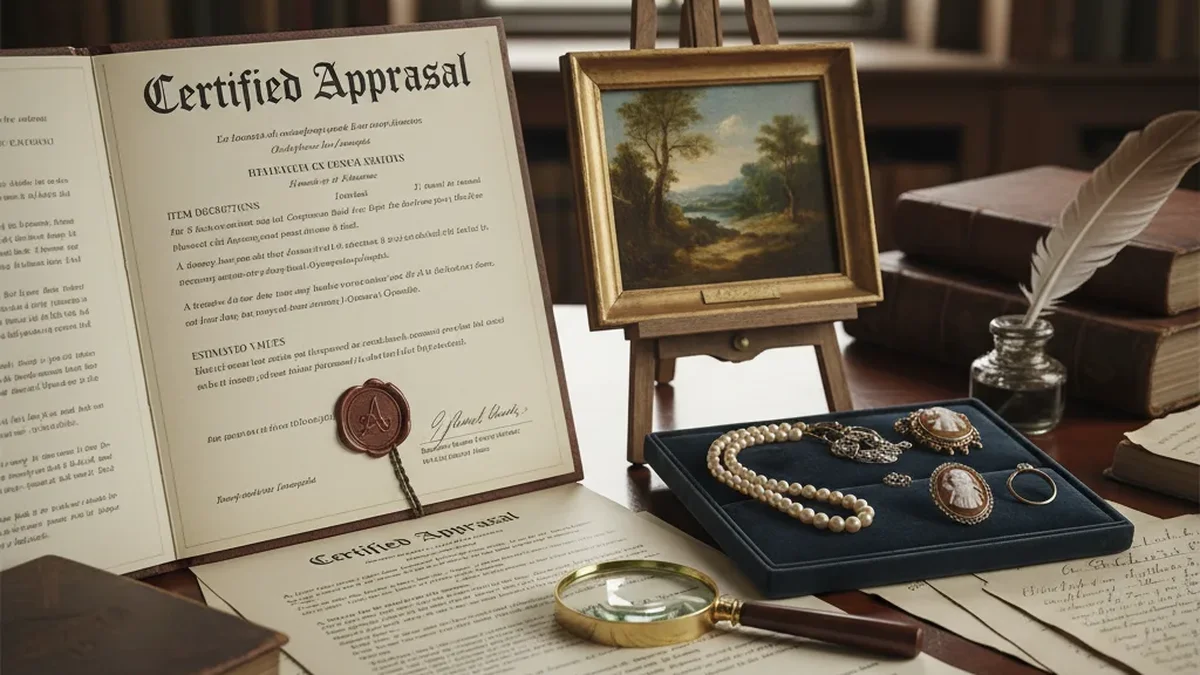
A formal appraisal report includes:
- Detailed description of each item (dimensions, materials, age, condition)
- Photographs
- The appraiser’s value conclusion with the methodology used
- The purpose and intended use of the appraisal
- The appraiser’s credentials and signature
For IRS purposes, the report must comply with USPAP standards and include specific declarations.
How to Prepare for Your Antique Appraisal
A little preparation goes a long way in making the appraisal process efficient and thorough: You may also find our most valuable antiques helpful.
- Gather documentation. Collect any receipts, certificates of authenticity, previous appraisals, provenance records, or family history notes related to your items.
- Do not clean or restore items. Well-intentioned cleaning can damage patina, remove original finishes, or obscure marks that affect value. Let the appraiser see the item in its current state.
- Photograph your items. Take clear photos from multiple angles, including any marks, damage, or labels. This helps with initial consultations, especially if you are contacting appraisers remotely.
- Make a list. Organize your items by category (furniture, art, jewelry, ceramics, etc.) and note anything you already know about each piece.
- Know your goal. Be clear about whether you need the appraisal for insurance, selling, estate settlement, or donation. The purpose determines the type of value the appraiser reports.
What Happens After the Appraisal?
Once you have a professional appraisal in hand, your next steps depend on your goals:
- Selling at auction. An appraisal gives you a realistic expectation of what your items will bring at auction. A full-service auction house handles everything from cataloging and photography to marketing your items to a global audience of qualified buyers. Lion and Unicorn, for example, manages the entire process: sell your antiques and collectibles through our consignment services, including nationwide pickup, packing, and transport.
- Updating insurance. Provide the appraisal report to your insurance agent to schedule your antiques on your policy. Reappraise valuable items every three to five years as market values shift.
- Estate settlement. Share the appraisal with the estate attorney and heirs. For IRS filings, ensure the report meets qualified appraisal requirements.
- Liquidating a full estate. If you need to sell an entire estate, estate sales consultants can manage the process from appraisal through sale, handling logistics and maximizing returns across all item categories.
Once you have your appraisal, the next decision is how to sell; our estate sale vs auction compares the options.
📖 Related: Sell your antique collection with ease
Understanding current market values helps inform appraisal expectations; see our what sells at estate sales for 2026 pricing data.
Frequently Asked Questions
How do I get antiques appraised for free?
Many auction houses offer free verbal appraisals as part of their consignment evaluation process. Local antique shows sometimes host free appraisal events as well. Keep in mind that free appraisals are verbal estimates, not formal written reports. For insurance, tax, or legal purposes, you will need a paid, written appraisal from a certified professional.
How much do antique appraisers charge?
Most antique appraisers charge between $100 and $300 per hour, or a flat fee of $50 to $300 per item for written appraisals. Full estate appraisals involving dozens or hundreds of items may range from $300 to $3,000 or more, depending on the collection’s size and complexity. Learn more about antique appraisal costs.
Where can I find an antique appraiser near me?
Start with professional directories from the ASA, AAA, or ISA, which let you search by location and specialty. Local auction houses are another strong option since they employ specialists across multiple categories. If you are in Florida, Lion and Unicorn offers certified antique appraisal services in Florida with offices in Hollywood, Palm Beach, Orlando, Miami, and Naples.
How often should you get antiques reappraised?
For insurance purposes, reappraise every three to five years. The antiques market shifts with collector trends, economic conditions, and auction results. Items that have appreciated significantly or pieces you plan to sell soon should be reappraised to capture current market value.
Can I get an antique appraised online?
Yes. Many appraisers offer preliminary online evaluations based on photographs and descriptions you provide. Online appraisals work well for initial assessments, but high-value items and pieces requiring authentication typically need an in-person examination for a definitive valuation.
What is the difference between an appraisal and an estimate?
An estimate is an informal opinion of value, often given verbally. An appraisal is a formal, documented evaluation following professional standards (USPAP), produced by a credentialed appraiser, and defensible for insurance, legal, and tax purposes.
Get Your Antiques Appraised by Experts with 30+ Years of Experience
Whether you are settling an estate, preparing to sell a collection, or simply want to know what your antiques are worth, working with experienced professionals makes all the difference. Lion and Unicorn has spent over three decades helping clients across the country with certified appraisals, estate liquidation, and auction services.
Our specialists evaluate fine art, jewelry, furniture, ceramics, crystal, silver, coins, memorabilia, and dozens of other collecting categories. We offer nationwide service, including in-home evaluations for large collections, plus complimentary initial consultations.
📖 Related: Swarovski crystal value guide
Ready to find out what your antiques are worth? Call us at 954.866.8044 or tell us about your collection to get started.
After appraisal, Lion & Unicorn can help you sell antiques and collectibles through a specialist-led auction process.
Have antiques, art, or collectibles you’re ready to sell? Contact Lion and Unicorn to speak with our team.
Free Consultation
Ready to Sell Your Estate or Collection?
Lion & Unicorn's expert team offers free appraisals and nationwide pickup service.
Over 30 years of experience — Florida's most trusted auction house.