


Estate Sale Tips for Sellers: How to Maximize Your Return
Free Consultation
Ready to Sell Your Estate or Collection?
Lion & Unicorn's expert team offers free appraisals and nationwide pickup service.
Over 30 years of experience — Florida's most trusted auction house.
Whether you are downsizing, settling a loved one’s estate, or simply ready to part with a lifetime of collected treasures, an estate sale can turn a houseful of belongings into real money. The difference between an average result and a truly profitable one comes down to preparation, pricing strategy, and knowing when to call in professionals.
Below are practical, proven estate sale tips drawn from over 30 years of experience handling estate liquidations at Lion & Unicorn.
What Is an Estate Sale and Who Needs One?
An estate sale is an organized event where the contents of a home are sold to the public, typically over one to three days. Unlike a casual garage sale, an estate sale usually involves a much larger inventory and can include high-value items such as fine art, antiques, jewelry, and collectibles.
People hold them for many reasons. You may be managing the belongings of a family member who has passed away, going through a divorce and dividing assets, downsizing to a smaller home, or simply liquidating possessions you no longer need. Regardless of the reason, the goal is the same: sell as much as possible for the best possible price.
Understanding how an estate sale works before you start planning can save you weeks of confusion and help you avoid costly mistakes.
Start Planning Early: Build a 4–6 Week Timeline
The single biggest mistake sellers make is rushing the process. Give yourself at least four to six weeks of lead time before the sale date. That buffer allows you to inventory items properly, research values, arrange appraisals for high-end pieces, and market the event effectively.
Here is a practical timeline to follow:
- Weeks 4–6: Walk through every room, closet, attic, garage, and storage unit. Separate items into categories: sell, keep, donate, and discard.
- Weeks 2–4: Research pricing, get professional appraisals for anything that might be valuable, and begin advertising.
- Week 1: Stage the home, finalize signage, and confirm logistics like payment processing and parking.
Skipping this planning phase is how sellers leave money on the table. A well-organized sale with properly priced items will consistently outperform a rushed weekend event.
Get Professional Appraisals for High-Value Items
One of the most important estate sale tips is this: never guess on the value of antiques, fine art, jewelry, or collectibles. A piece of pottery sitting in a cabinet might be a $50 decorative item or a $5,000 collectible, and the untrained eye cannot tell the difference.
Certified appraisals give you documented valuations that protect you from underpricing and give buyers confidence. At Lion & Unicorn, our appraisal team regularly identifies items that sellers had no idea were valuable, from signed artwork and rare coins to vintage designer pieces and historical memorabilia.
Even if you plan to handle the sale yourself, investing in professional appraisals for your best items is one of the smartest moves you can make.
Price Strategically, Not Emotionally
Pricing is where most DIY estate sales fall apart. Sellers either overprice items based on sentimental attachment or underprice them because they just want everything gone. Neither approach maximizes your return.
Follow these guidelines:
- General household items: Price at 20–30% of original retail value. A lamp that cost $200 new should be priced around $40–60 at an estate sale.
- Furniture: 25–40% of retail depending on condition and demand. Mid-century modern and solid wood pieces hold value better than mass-produced items.
- Antiques and collectibles: Base pricing on comparable recent sales, not on what you hope they are worth. Check completed listings on auction platforms for realistic market values.
- Jewelry and watches: Always get an appraisal first. Estate jewelry can vary wildly in value.
Use a progressive pricing strategy: set fair prices on day one, offer 20–25% off on day two, and go to 50% off in the final hours. This creates urgency and brings bargain hunters back for the close.
📖 Related: estate sale vs auction house comparison
📖 Related: Sell your antique collection with ease
For a deeper dive, read our guide on how to price items for an estate sale.
Stage the Home Like a Pop-Up Store
Presentation directly impacts how much buyers are willing to spend. A clean, well-organized home with clearly priced items creates a shopping experience that encourages purchases.
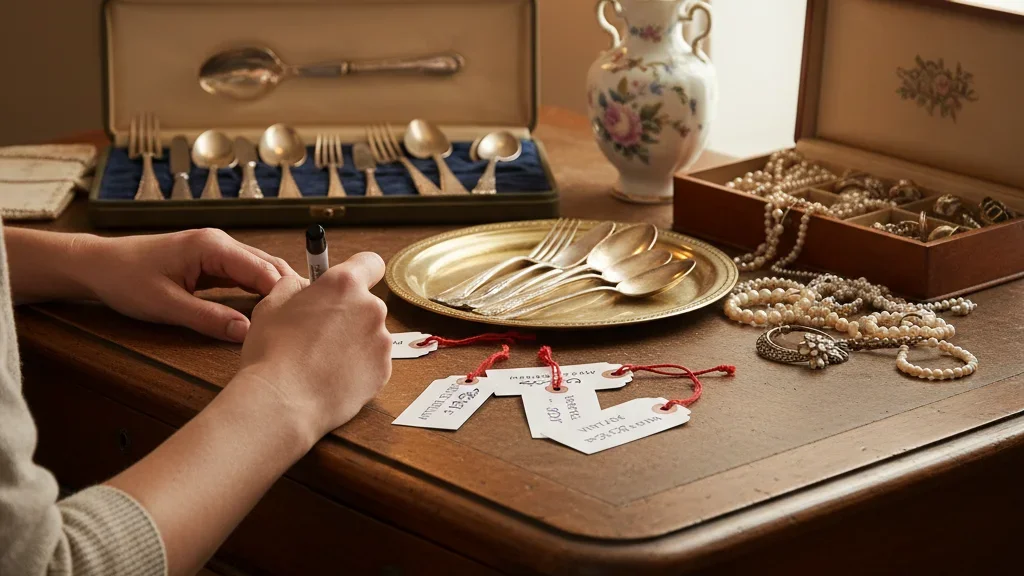
Staging tips that work:
- Clean everything. Dusty items sell for significantly less than clean ones. Wipe down furniture, wash glassware, and polish silver.
- Group items by category. Create clear sections: kitchen, artwork, furniture, collectibles, tools, and so on. This makes it easy for buyers to find what they are looking for.
- Use good lighting. Open curtains, turn on every light, and add extra lamps in dim areas. Buyers need to see what they are buying.
- Mark items clearly. Use price tags on every item. Shoppers who have to ask for prices buy less.
- Secure valuables. Keep high-value items like jewelry, coins, and small collectibles in a staffed area near the checkout.
Think of the home as a retail space for the weekend. The better the presentation, the higher the average sale price.
Advertise Across Multiple Channels
Even the best-staged estate sale will underperform if nobody knows about it. A strong marketing push in the two weeks before your sale is essential.
Effective advertising strategies include:
- Listing sites: Post on EstateSales.net, EstateSales.org, and Craigslist. Include clear photos of your best items.
- Social media: Share the listing on Facebook Marketplace, local community groups, and neighborhood apps like Nextdoor.
- Signage: Place directional signs at major intersections near the sale location. Make sure they include the address and dates in large, readable text.
- Email lists: If you are working with a professional company or auction house, they will have an existing database of buyers and collectors to notify.
Include photos in every listing. Buyers browse listings looking for items that interest them, and a text-only post will get a fraction of the attention that one with photos receives.
Know What Sells Best (and What Does Not)
Not everything in a home is worth the effort of selling. Understanding what sells best at estate sales helps you focus your energy on the items that will generate the most revenue.
High-demand items: – Fine art and signed prints – Antique and vintage furniture – Gold and silver jewelry – Sterling silver flatware and serving pieces – Coins and currency collections – Mid-century modern decor – Designer brand items (handbags, watches, clothing) – Vintage tools and workshop equipment – Sports memorabilia and trading cards
Items that typically sell poorly: – Outdated electronics (tube TVs, old computers) – Encyclopedias and mass-market paperbacks – Used mattresses and pillows – Worn or stained upholstered furniture – Generic dishware and everyday kitchenware
Knowing where to focus your pricing research and staging effort saves time and increases your overall return.
DIY vs. Hiring a Professional: An Honest Comparison
One of the first decisions you will face is whether to handle the estate sale yourself or hire a professional estate sale company.
Going DIY gives you full control and lets you keep all the proceeds. However, it requires significant time, effort, and knowledge. You handle inventory, pricing research, staging, advertising, staffing the sale days, and dealing with unsold items.
Professional estate sale companies typically charge 25–40% commission but handle everything from setup to cleanup. They bring pricing expertise, established buyer networks, and experience managing crowds and negotiations. For estates with valuable collections, that expertise often pays for itself through better pricing and higher attendance.
When to go professional: – The estate contains antiques, fine art, or collectibles that require expert valuation – You live far from the property or cannot manage a multi-day event – The volume of items is overwhelming – You need the property cleared on a specific timeline
When DIY might work: – The estate is mostly general household items with limited high-value pieces – You have time, help, and are comfortable with pricing research – You are local and can manage setup, sale days, and cleanup
Consider the Auction Alternative
Here is something most guides will not tell you: a traditional in-home sale is not always the best way to maximize your return, especially for high-value items.
Consigning items to an auction house puts your valuables in front of a global audience of qualified collectors and buyers. Where an estate sale attracts local foot traffic, an auction reaches bidders nationwide, and competitive bidding can drive prices well above what a single buyer at an in-home sale would pay.
At Lion & Unicorn, we handle everything from pickup and packing to cataloging, photography, and marketing. Our online auctions regularly draw thousands of registered bidders for categories like fine art, antiques, jewelry, and collectibles.
The best approach for many estates is a hybrid strategy: hold an estate sale for general household items and consign high-value pieces to auction where they can reach the right buyers and command top prices.
Timing Matters: When to Hold Your Estate Sale
The timing of your sale can significantly impact attendance and revenue.
- Best days: Thursday through Saturday. Weekend days draw the biggest crowds.
- Best months: Spring (March through May) and fall (September through November) tend to perform best. In Florida, the winter “snowbird” season (January through March) also brings a surge of buyers.
- Avoid: Holiday weekends, the week between Christmas and New Year’s, and the peak of summer when many potential buyers are traveling.
Start early in the morning. Serious estate sale shoppers begin lining up before opening, and the first few hours typically generate the highest sales volume.
📖 Related: Florida estate sales guide

Frequently Asked Questions
How much does the average estate sale make? Returns vary widely depending on the quality and quantity of items. A typical whole-home estate sale generates between $5,000 and $25,000. Estates with valuable antiques, art, or collectibles can exceed $50,000 or more.
How much do estate sale companies charge? Most professional estate sale companies charge a commission of 25–40% of total sales. The exact rate depends on the company, location, and estimated value of the estate.
Can I hold an estate sale in a gated community? Yes, but check your HOA rules first. Many gated communities require advance notice, restrict signage, and may limit the hours or days the sale can operate.
What should I do with unsold items? Donate items to local charities for a tax deduction, consign remaining valuables to an auction house, or arrange for a junk removal service to clear the property.
Is it worth having an estate sale for a small estate? For smaller estates with limited high-value items, an auction consignment or online sale may be more cost-effective than a full in-home estate sale. Contact a professional for guidance on the best approach.
Your Next Step
Whether you choose to manage the sale yourself or bring in professionals, preparation is the key to maximizing your return. Every hour spent on pricing research, staging, and marketing translates directly into higher revenue on sale day.
If you have an estate in Florida or anywhere in the United States and want expert guidance, Lion & Unicorn’s estate sales consultants are here to help. With over 30 years of experience, certified appraisals, and a global network of buyers, we make the process smooth and profitable.
Call us at (954) 866-8044 or contact our estate sales team to discuss your estate.
For households with antiques, art, jewelry, coins, or collectibles, Lion & Unicorn also provides full-service estate liquidation support.
Have antiques, art, or collectibles you’re ready to sell? Contact Lion and Unicorn to speak with our team.
Free Consultation
Ready to Sell Your Estate or Collection?
Lion & Unicorn's expert team offers free appraisals and nationwide pickup service.
Over 30 years of experience — Florida's most trusted auction house.