


Kosta Boda Glass Value: Identification Guide
Free Consultation
Ready to Sell Your Estate or Collection?
Lion & Unicorn's expert team offers free appraisals and nationwide pickup service.
Over 30 years of experience — Florida's most trusted auction house.
Kosta Boda Glass Value: Identification Guide
A signature hidden beneath a colorful Swedish vase can separate everyday giftware from a sought-after collector piece. Knowing the exact Kosta Boda glass value helps serious collectors bid, insure, or sell with confidence.
Request an expert Kosta Boda glass valuation
Kosta Boda glass value depends on several key factors like the designer, age, and overall condition of the piece. Rare items made by artists like Vicke Lindstrand or Elis Bergh often sell for much higher prices than mass produced glassware. You can find authentic marks and signatures that help date the piece and prove it is real. Most collectors look for items with no chips or cracks because flaws can drop the price by half. Expert auction houses use large sales databases to find the current market price for rare glass. According to Carter’s Price Guide to Antiques, Kosta Glassworks is the oldest glassworks in Sweden and started way back in 1742. This history means there is a wide range of values to explore today.
Many new collectors ask what they should look for when buying or selling Swedish crystal. You may wonder if a specific mark or color makes a piece more rare. To get the best price, you need to understand the factors that distinguish collectible art glass from common giftware. The path begins with the designer, rarity, condition, provenance, and current demand.
What determines Kosta Boda glass value?
Kosta Boda glass value is determined primarily by the designer, rarity, condition, provenance, identifying marks reviewed by specialists, and recent demand for comparable pieces.
This Swedish firm has a long past that began in 1742. Since it has made so many items over the years, some pieces are worth much more than others. Buyers look at who made the piece, how rare it is, and its state to find a fair price.
- Designer or artist attribution
- Edition size and rarity
- Condition and completeness
- Signatures, labels, and provenance
- Recent comparable auction results
The role of makers and artists
The artist who made a piece is often the biggest part of its worth. Top names like Vicke Lindstrand and Elis Bergh changed the way glass looked in the mid-1900s. Lindstrand was the art head for many years and his work is prized now. Pieces with a clear mark or name from a top maker often sell for a high price. Many buyers track the work of one artist to build their sets. When a piece is part of a small run, it is rare and the price goes up. You can often find a maker’s name on the bottom of the glass. Makers often etch their name and a set number on the base. If you need help finding these marks, specialists in Swedish art glass can often find them for you.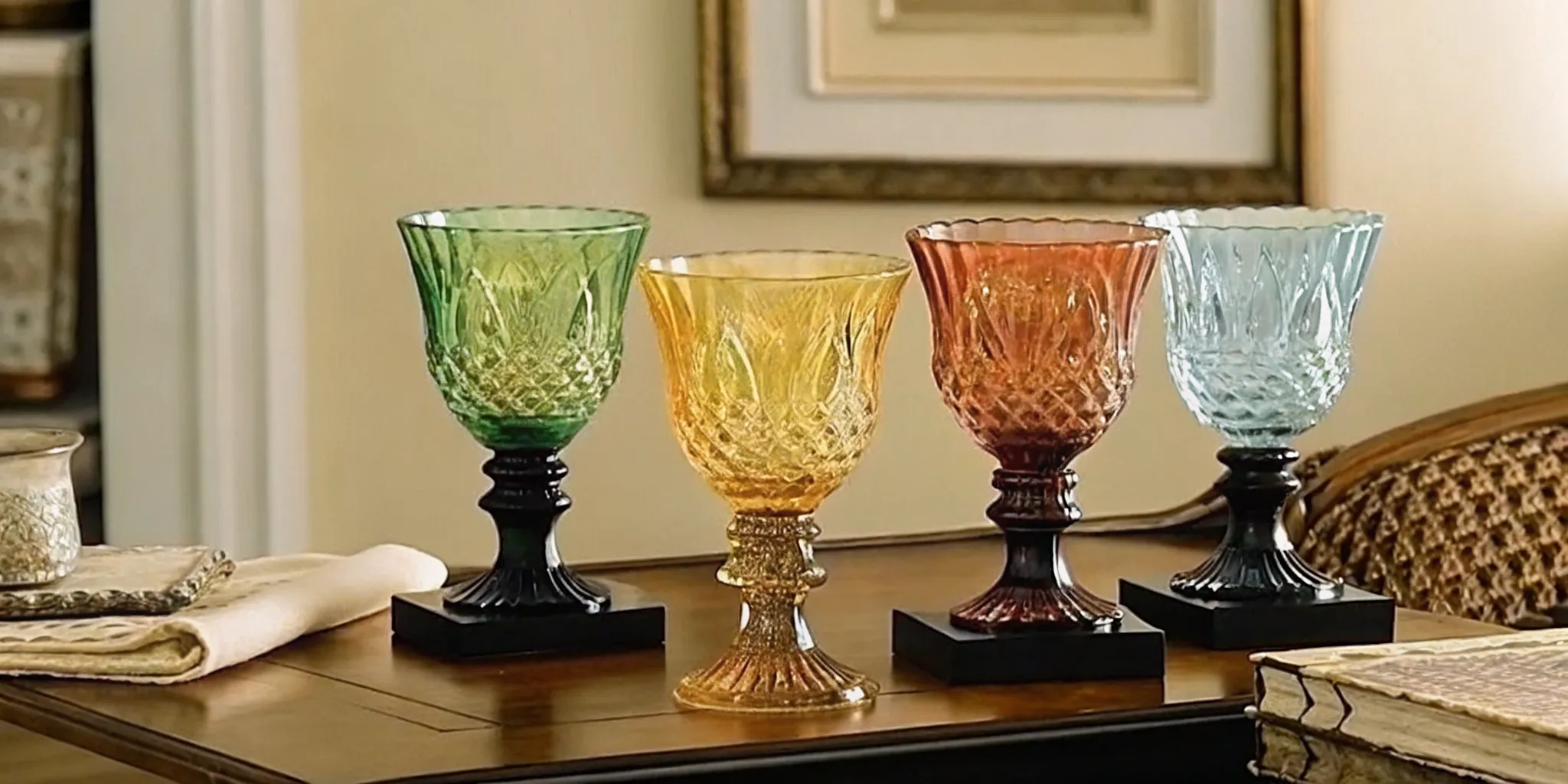
How state and age change worth
The shape and state of a piece will change its price a lot. Even a small chip or a deep scratch can cut the price of art glass by a large amount. Rare pieces from the 1920s to the 1950s are some of the most sought after items. As one case, a cut crystal vase from 1929 shows the high skill of early Kosta makers. Age alone does not always mean a high price. But old pieces in a perfect state are hard to find. Buyers also look for first paper labels or stickers. These marks help prove the piece is real and show when it was made. Knowing who owned the piece in the past can also add to its worth. If a piece has its first box or papers, the price can stay high even in a slow market.Market demand and sale data
Real sale prices come from what people want to pay now. Auction houses use a large sales list to see what pieces like yours sold for in the past. This helps them give a good guess for the price of a piece. High demand for some colors or shapes can drive prices up fast. Using an Online Bidding Platform lets you see these price changes as they happen. Some small items like glass votives may sell for less than one hundred dollars. Large, rare art glass pieces can sell for many hundreds or even thousands of dollars. Always check recent sales to know the current trends in the glass market.| Part | Gift Glass | Artist Glass |
|---|---|---|
| Who made it | Factory staff | Top makers |
| How rare | Mass made | Small runs |
| Marks | Stickers only | Full names |
| Price | Low to mid | High to very high |
| Demand | Home use | Pro buyers |
How can you identify authentic Kosta Boda glass?
Identify authentic Kosta Boda glass by examining engraved base signatures, model numbers, labels, design style, weight, clarity, and age-consistent wear, then compare the evidence with examples from a trusted auction house.
Knowing if your glass is real is key to finding the right Kosta Boda glass value. Since the works started in 1742, they have made many types of art glass. Finding real pieces takes a close look at the base and the work itself. Most experts use a few steps to check a piece before they sell it. This helps them find the age and the artist of the item.
Marks and labels on the glass
One of the best ways to find out if a piece is real is to check the base. Many pieces from the 1920s to the 1950s have special marks that people love to find. You can often see a hand-signed name or a mark on the bottom of the glass. These marks often include the artist’s name and a model number. If you see a name like Elis Bergh, you may have a piece from the middle of the last century. High-quality pieces from this era can be seen in museum collections like the McClung Museum. Labels are another big clue for age and type. Newer pieces often have clear plastic stickers with the company name. Older pieces might have paper labels that have worn down over time. While a missing label does not mean the glass is fake, a real label helps prove its history.
Artist style and handmade craft
Kosta Boda has worked with many famous artists over the years. Each artist had a unique style that can help you find out if a piece is real. For example, the bold colors and shapes of some series are very easy to spot. You can look at archives to see if the colors and shapes of your glass match what the artist made. This kind of check is part of a full review that art glass authentication experts do when they see new glass. Knowing the artist helps you understand the history and style of your piece. It also makes it easier to find its price in a guide. Real Kosta Boda is handmade in Sweden and feels heavy and solid in your hand. This handmade touch is a sign of true craft that low-cost fakes often lack.
Guide to finding real pieces
If you want to be sure about your piece, follow these steps to check for clues. Experts often use large sales lists to see how the state of a piece affects its price. Most high-end art glass will have some wear on the base from sitting on a shelf for years. This wear is a natural sign of age.
- Inspect the base for hand-signed or etched marks that show the brand or artist name clearly.
- Find the model or series number, which you can use to look up the piece in old sale books.
- Search for any paper or plastic stickers that might still be on the side or the base of the item.
- Review the design style and color to see if they match known works from the right time period.
- Check the weight and clarity of the glass to make sure it meets high Swedish craft standards.
- Look for signs of use like base wear that show the piece has some age and history.
- Compare your piece with photos from a trusted online auction house to find items that look the same.
Be sure to check for chips or cracks, as these can hurt the Kosta Boda glass value quite a bit. Small bubbles in older glass might be normal, but the finish should still be smooth and clear. You should also look for signs of wear that match the age of the piece. Authentic pieces show a level of skill that is hard for others to copy. A clear view of the glass and its history will help you set its value.
Designers and series collectors look for
Collectors commonly seek attributed pieces by notable designers such as Elis Bergh and Vicke Lindstrand, along with recognizable limited or artist-led series.
- Look for a clearly etched artist name or identifying code.
- Compare the form and colors with documented examples from the same series.
- Confirm whether the piece came from a limited run or a common production line.
Famous glass designers
The name behind a piece is a big part of Kosta Boda glass value. Famous artists like Elis Bergh and Vicke Lindstrand helped change the brand in the mid-1900s. Lindstrand led the art team from the 1950s to 1973. His work made the firm a world leader in art glass. Collectors often look for items from this time because of the unique styles. Glass by a known artist often sells for more than pieces with no mark at all.
Credit is the key to demand. When an expert can link a piece to a top name, the price tends to rise. Artists like Hanna Hansdotter carry on this work today. They create new styles that appeal to many people. This mix of old and new keeps the market strong. A cut crystal vase by a past leader can be a prize for any fan.
Popular series and lines
Fans also seek out specific series. Common items like the Rock Votive show how simple lines can still be popular. Many of these items are still made by hand in Sweden. This craft adds to the price of new art glass. Rare series often cost more at sale. For example, a large Mirage Vase can sell for about $800. Collectors like these lines because they are easy to spot and collect over time.
Special lines often have a look that sets them apart. Some fans focus on glass from the early 1900s. Others like the bold looks from the 1970s. The merger of Kosta and Boda in 1976 led to many new lines that fans still love today. Each line has its own story and price point. Knowing these details helps you know if you are getting a fair deal.
Checking for real glass
Finding a mark is the best way to find a piece’s price. Most glass by top artists has a signature on the bottom. These marks show the age and if the piece is real. Experts look at these details to check for real pieces. Our team uses a 30-year database to find the right price for your items. We check stickers, stamps, and etched names to be sure of what we have on hand.
A clear history of who owned an item can boost its price. This record is known as provenance. It helps buyers trust that the piece is real. Skilled collectible glass specialists can help you find these records. If you want to sell, using an Online Bidding Platform can help you find more buyers. This is a great way to get a good price for your glass. Expert checks make sure your collection keeps its worth.
Does age make Kosta Boda glass more valuable?
Age can increase value when it is paired with rarity, desirable artist attribution, strong condition, and documented history, but age alone does not guarantee a premium. Reviewing comparable lots on the Lion and Unicorn bidding platform can show how buyers weigh those factors.
Many buyers think that old glass is always worth more. Age can help, but it is not the only thing that sets the price. The Kosta shop started in 1742 and is the oldest in Sweden. Old pieces have history, but worth often comes from the artist. Look at age and the type of piece to find the Kosta Boda glass value.
The shop began making art glass in 1897. This shift helped the brand win awards in 1900. Pieces from these early days are rare, but buyers also love mid-century items. Because the shop has been open for so long, there are many styles to find. Knowing the story of your piece is the best way to start.
Age versus edition type
Some years are more popular than others. Glass made between 1920 and 1950 is often high in demand. One vase from 1929 shows the skill of the cut crystal used then. Vicke Lindstrand led the shop from 1950 until 1973 and made many famous shapes. His work often sells for more than older pieces that have no clear artist.
A new limited piece might cost more than a common old one. Small runs of glass often have a high price because they are hard to find. Some modern pieces can cost $800 or more if they are rare. Always check if your glass is part of a numbered set or a mass-made line. A rare art piece will always be worth more than common giftware.
The role of marks and labels
You can tell how old a piece is by looking at its marks. Kosta Boda marks and labels changed many times over the years. Most artists etched their names or a code on the base of the item. You can look at the bottom of the glass to find these clues. If you are not sure, you can get help from Florida auction specialists who know art glass well.
The shop name changed to Kosta Boda AB in 1976 and joined the Orrefors glass value guide brand in 1989. Each change brought new label styles. Labels can peel off, but marks on the base stay. These marks are the best way to prove the age and the maker. Collectors look for these signs to make sure the glass is real.
Why age alone is not enough
The state of the glass is a big deal. A chip or a crack will drop the price a lot, no matter how old the piece is. Also, the name of the artist matters. Pieces by stars like Vicke Lindstrand or Elis Bergh are often worth the most. Our team at Lion & Unicorn uses a large sales list to check these facts and find the right price.
Papers that show the history of the piece also add to the price. This record is called provenance. If you have the box or the original papers, the glass might be worth more. We use a database of past auction results to help people find a fair price. To get the best price, you must look at the age, artist, and state of the glass together.
How condition and provenance affect auction demand
Strong condition and documented provenance increase buyer confidence, while chips, cracks, missing components, or an uncertain history can reduce auction demand and value.
The state of a piece and its past both play a big role in its price. When you seek the Kosta Boda glass value, you must check every detail. Buyers at auction look for items in great shape and want to know past owners. These facts help set the final price.
Impact of physical condition
Physical flaws can lower the price of art glass. Small chips or deep cracks hurt the worth of a piece. Even light scratches from use can matter to some buyers. Experts check every inch of the glass to find these marks.
Collectors of fine art glass look for items that were well kept. For example, a cut crystal vase should be clear and bright. If the glass is cloudy or has chips on the rim, the price will drop. This helps the expert see the true state of the item.
It is also good to check if the piece is whole. Some items come in sets or have lids. If a part is missing, the value goes down. Most specialists familiar with art glass want complete items that are ready to display.
The role of provenance and records
Provenance is the history of who owned the item. A clear list of past owners helps a sale by showing the item is real. If a famous person owned the glass, the demand may grow. Collectors like to own a piece with a rich story.
Good records help prove when a piece was made. You should keep any old bills, box tags, or letters about the glass. When you use an Online Bidding Platform, these details help buyers feel safe. They bid with confidence when they know the background.
Sometimes, a piece may have been in a museum show. This kind of history adds a lot to the final bid. A piece with a known path from the shop to your home is easier to sell. This removes the doubt many buyers feel when they look at rare glass.
Verifying authenticity and marks
Checking for proof is a key step before any sale. Experts look for signatures and marks on the base to find the artist. These marks also show the age of the glass. A signed piece is usually worth more than one with no marks.
You should also look for factory stickers. While stickers can peel off, they provide proof of where the glass came from. Experts compare your piece with past examples to be sure it is real. This check helps confirm the true worth of the item.
Rarity also drives demand at auction. Limited edition pieces often reach high prices if they were made in small numbers. Knowing the rarity helps you set a fair price. It also helps the auction house find the right buyers for your collection.
How to research current Kosta Boda glass value
Research current value by comparing recent final auction prices for pieces with the same designer, series, size, condition, marks, and provenance. A professional art glass auction team can interpret those comparisons when an exact match is unavailable.
To find the true Kosta Boda glass value, you must look at real sales data. Many people make the mistake of looking at asking prices on sites like eBay. These prices show what a seller wants, not what a buyer will pay. A better way is to use a list of recent auction results.
The most solid numbers come from final prices at auction. These figures show the actual money that changed hands. When you search for your piece, focus on items sold in the last six to twelve months. This short window accounts for shifts in what buyers want.
You can find these details through online bidding platforms that track past sales. Using real data helps you avoid the trap of high list prices that never sell. This is the best way to see the current market state.
Use final prices for truth
Experts often use large sales lists to set values. For instance, some firms have records going back thirty years. This deep data helps them spot long-term trends. If your piece is rare, you may need to look at sales from several years ago.
But for common items, recent data is best. Always check for a buyer’s fee in the final price. This fee is paid to the auction house and is part of the total cost. Most major houses list the final hammer price plus this extra fee.
Match state and maker
Once you have a list of sales, you must match your piece to them just right. Start by looking at the maker’s marks and names. Pieces by famous artists often bring more money. For instance, works by makers like Elis Bergh or Vicke Lindstrand are very liked.
Make sure the names on your glass match the ones in the sale records. Check the base of the glass for etched names or small stickers. These marks prove who made the piece and when. This helps you find the right match in the sale lists.
The state of the glass is just as vital as the maker. A single chip or scratch can cut the value in half. Look closely for flea bites or clouds in the glass. When you compare your item to others, be honest about its state.
If a perfect vase sold for five hundred dollars, a chipped one might only bring two hundred. Also, check for the first box or stickers. These small details can add a small bonus to the price. A full check involves looking at the glass and the mark.
Track market trends
The glass market moves in cycles. What was liked ten years ago may not be as hot today. Many buyers now look for mid-century modern styles. These pieces often feature bold colors and clean lines.
If your Kosta Boda glass fits this look, it may have a higher value. You can talk to professional auction specialists to learn what is selling well right now. They know which colors and shapes are in demand.
Timing also matters for a sale. Some buyers are more active during certain times of the year. For rare or high-end art glass, a major themed auction is often the best choice. This brings the right buyers together at once.
If you are unsure of the value, an expert price check is a wise step. Experts will look at the rarity, age, and artist to give you a fair price. This helps you avoid selling for too little. You can also look at home pages for auction houses to see coming glass sales.
When should you request an expert valuation?
Request an expert valuation when a piece has a notable signature, rare form or color, documented history, exceptional condition, or when you need a defensible estimate for sale or insurance. Experienced antique valuation specialists can connect those details with relevant market evidence.
Knowing the Kosta Boda glass value of your piece helps you make smart choices. If you want to sell a vase or get insurance, you need to know its worth. A simple web search can give a rough idea, but it is not always right. Experts look deep into the past and state of the glass to find its true price.
Signs of high value
Some Kosta Boda items are worth much more than others. Buyers often look for pieces from the mid-20th century. Artists like Elis Bergh and Vicke Lindstrand made glass that many people still want today. Pieces from the 1920s to the 1950s are often very rare.
Based on facts from the McClung Museum, early 20th-century Kosta glass is sought after by those who love art glass. If your glass has a famous artist’s name on the base, it might have a high market value. Rare colors or shapes also drive up the price. Few pieces sell for more at auction than common gifts.
What experts look for
An expert will check many things to find the value. They start by looking at the marks and stickers on the base. These marks help tell how old the piece is and if it is real. Marks changed over time as the company grew and joined with other groups.
The state of the glass is also key, as even small chips or cracks can make the price drop a lot. Experts also look for proof of where the item came from. This is called provenance. They compare your piece with known items to make sure it is real.
The appraisal process
When you work with an auction house, you get a full look at your item. Companies like Lion & Unicorn use large sales lists to find the best price. These tools track what similar glass has sold for over thirty years. Experts can check the glass in person or through clear photos.
They use their deep skill to spot small details. They look at the quality of the cut and how clear the crystal is. This helps you get a fair price when you decide to sell your set through an online bidding platform. Getting an expert view is the best way to protect your money in art glass.
Frequently Asked Questions
What is the general value range for Kosta Boda glass?
Kosta Boda glass spans a wide price range depending on its rarity and type. According to the brand’s current pricing guide, common giftware like the Rock Votive may sell for about $85. In contrast, large art glass pieces such as the Mirage Vase can reach $800 or more. Rare vintage items by famous artists often command much higher prices at auction because they are hard to find in good condition.
Are Kosta Boda Snowball votives valuable?
The Snowball votive is a very popular and iconic item, but its market value is usually modest because many were made. Most standard Snowball votives sell for less than one hundred dollars. However, these pieces still hold value for collectors who appreciate classic Swedish craft. To get the best price for any art glass, ensure the piece has no chips or cracks and retains its original labels or marks.
Does condition affect the resale value of Kosta Boda glass?
Condition is a primary factor in the resale value of any fine art glass. Damage like chips, cracks, or heavy scratches can reduce the worth of a piece by half or more. Experts at Lion & Unicorn perform multi-level inspections to check for these flaws before setting an auction estimate. For the highest return, keep your glass in a safe place and preserve any original boxes or provenance papers.
Where can I find current market values for Kosta Boda pieces?
You can find the most accurate market values by checking recent auction results. Databases like LiveAuctioneers record thousands of sale prices that show what buyers are willing to pay today. Professional auction houses also use proprietary databases of past sales to give experts a clear view of current trends. These records provide a reliable data point for anyone looking to sell or buy authentic Scandinavian art glass pieces.
How does the designer influence Kosta Boda glass value?
The artist behind a piece often determines its long-term collector value. Works by famous makers like Vicke Lindstrand or Elis Bergh are highly sought after by collectors of mid-century Swedish glass. Pieces created by these renowned designers generally command a premium at auction. According to Carter’s Price Guide, the artistic shift toward art glass after 1897 made the designer’s name a vital part of every piece’s history and worth.
Ready to request an expert glass valuation?
An expert valuation connects identification, condition, provenance, and comparable auction evidence to provide a practical estimate for your Kosta Boda glass.
Leaving your glass collection without a clear check can be a big mistake. You might lose out on a lot of money if you sell a rare piece for a low price. Prices for fine glass can change fast, so it is best to know what your items are worth right now. Getting a price check today means you can protect your items with the right insurance. It also helps you decide if it is time to sell your pieces at a live auction. Do not wait until the market shifts or you lose the chance to find a good buyer. Our team of experts is ready to look at your items and give you a clear answer on their real worth. This small step can save you from a lot of stress in the future.
Ready to request an expert glass valuation? Call (954) 866-8044 to talk to a specialist.
Free Consultation
Ready to Sell Your Estate or Collection?
Lion & Unicorn's expert team offers free appraisals and nationwide pickup service.
Over 30 years of experience — Florida's most trusted auction house.