


Orrefors Glass Value: Signatures, Designers, Prices
Free Consultation
Ready to Sell Your Estate or Collection?
Lion & Unicorn's expert team offers free appraisals and nationwide pickup service.
Over 30 years of experience — Florida's most trusted auction house.
Rare Orrefors glass can command strong auction prices, but value depends on more than the name etched into the base. Designer attribution, date code, technique, condition, rarity, and recent comparable sales must all be considered together.
Contact Lion and Unicorn for a specialist Orrefors glass evaluation.
Orrefors glass value is shaped by the designer, signature and date code, technique, rarity, condition, and recent comparable sales. Signed Graal, Ariel, and engraved works by sought-after designers often lead the market. Chips, polishing, cloudiness, or repairs can substantially reduce value.
These factors offer a reliable starting point, but establishing a defensible market value requires careful identification and comparison with recent sales.
What determines Orrefors glass value?
Orrefors glass value depends most on designer attribution, production technique, rarity, condition, and documentation. A signed studio piece by a major designer will generally attract more collector interest than unsigned production glass, while damage or restoration can sharply narrow the buyer pool.
Orrefors glass value has a few main parts. Since the mid-1920s, Swedish glass has been a mark of top skill and design in the world market. Many things can change the price. When you are selling fine crystal, you must look at the art and the past of the piece. Collectors want items that show the best work from the brand’s long past. A few main things set the market price for these items:
- The name and fame of the artist.
- The skill needed for the glass method.
- The age and rarity of the piece.
- The state of the glass.
- The presence of clear marks and signs.
How glass methods drive prices
The way a piece was made is another key part of its worth. Orrefors is famous for its new and hard glass methods. The Graal method is one of the most complex ways to make glass. It uses many layers to build deep patterns inside the walls of a vase. A Simon Gate Graal vase can have a price tag of $12,000. These items are hard to find and take a lot of skill to produce. This makes them very valuable to people who love fine art.
Ariel glass is another style that commands a high price. Edvin Ohrstrom made these vases famous in the mid-20th century. An Ariel vase in clear and gray glass can sell for as much as $9,500. These pieces use trapped air to create stunning visual effects. Because they are so hard to make, there are not many of them on the market. This low supply and high demand keep the prices for these pieces very high.
How to read Orrefors signatures and date codes
Begin by photographing every etched mark under angled light. An Orrefors name, designer initials, and model or date code can help establish attribution and production period, but codes should be interpreted together with shape, technique, and documented examples.
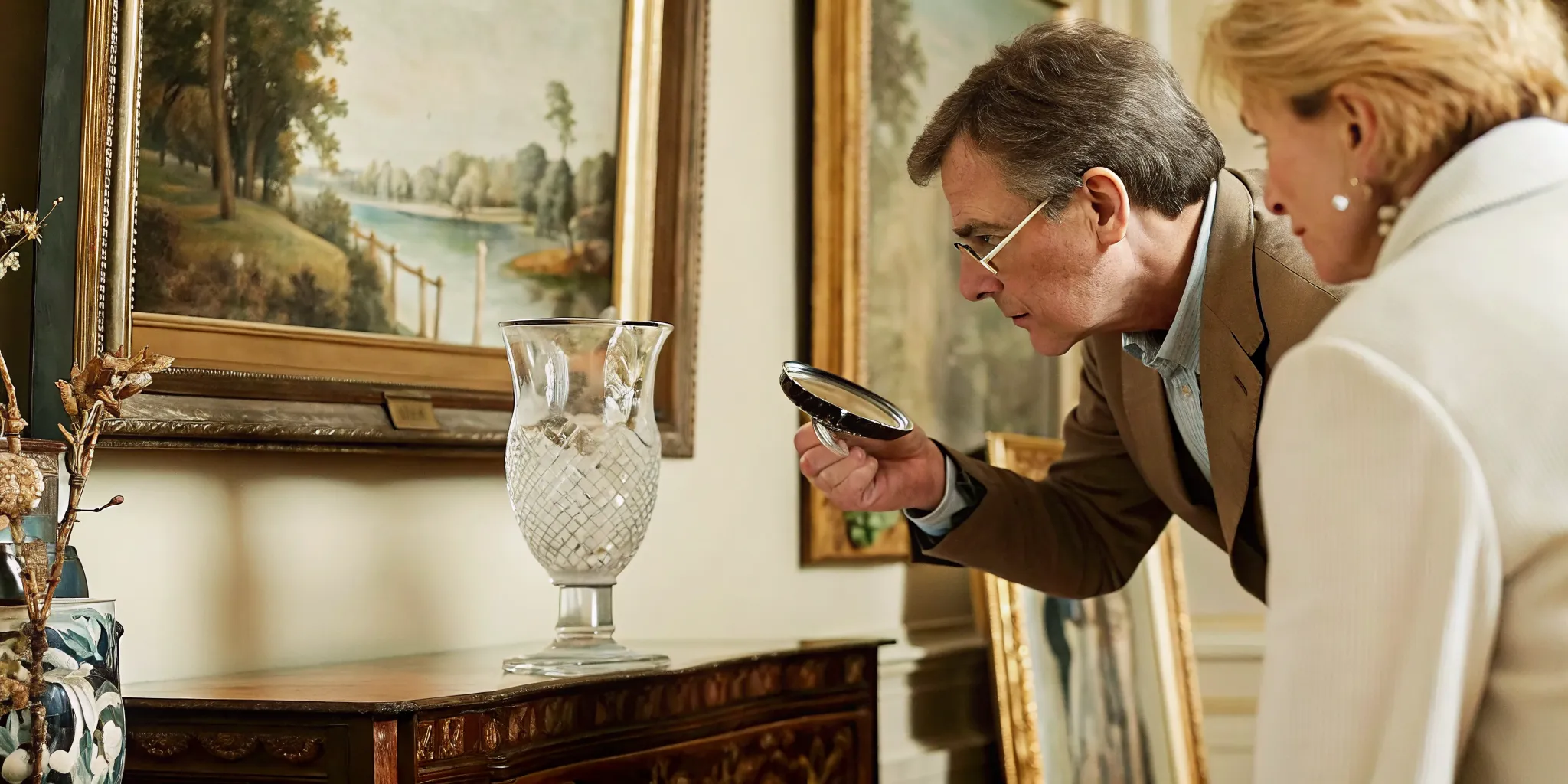
To find the true Orrefors glass value, you must start at the bottom. Most fine Swedish glass has a hand-etched mark on the base. These marks are the key to knowing if a piece is a rare work of art or a common glass. Makers in Sweden have used these marks since the mid-1920s to show excellence in design and skill. A clear mark usually includes the maker’s name and the name of the artist.
You might also see a string of letters and numbers. These codes tell the story of when and how the glass was made. When you are identifying and selling crystal, a clear mark makes the process much faster. It proves the piece is real and helps buyers trust the item. If you have a large set, checking each base is the first step in finding out what you own.
Common marks on the base
The most common mark is the word “Orrefors” cut into the glass. Next to it, you will often find the first letters or full name of a known artist. Names like Edvard Hald, Simon Gate, or Ingeborg Lundin are very common on older pieces. These names can add a lot of value to a piece. For example, a Graal vase by Simon Gate can sell for thousands of dollars in the right market. Knowing the artist’s name is key when finding crystal makers for your set.
Sometimes the mark is very faint. You may need to tilt the glass to see it. If the piece is very old, the mark might be worn down from years of use. Do not worry if you can only see part of the name. Even a small part of a known mark can help an expert find the maker. This is why you should always be gentle when you clean the base of your glass to avoid more wear.
Decoding letters and numbers
Orrefors used a system of letters to show the way the glass was made. A letter “P” might mean the piece was made in a certain glass house. Numbers usually show the year or the model of the item. These codes help fans track the past of the glassworks. A piece with a rare code can be worth much more than one without it. Knowing how to read these codes is a great way to find hidden gems.
- Clean the base of the glass with a soft, dry cloth to remove dust and oil.
- Place the piece under a bright lamp so the light hits the glass from the side.
- Look for the etched name of the maker or the artist near the outer edge.
- Write down any letters or numbers you find next to the name.
- Search for any small paper stickers that might still be on the glass.
- Take clear photos of the marks for your records or for an appraisal.
If you find a code you do not know, do not guess. Small changes in a code can mean a big change in price. It is best to talk to an expert who knows the past of Swedish glass. They can help you find the exact date and model of your piece. This helps you get the best price when you decide to sell your set.
Which Orrefors designers attract collectors?
Collectors closely follow Orrefors works by Simon Gate, Edvard Hald, Vicke Lindstrand, Edvin Ohrstrom, and Ingeborg Lundin. Designer reputation matters most when a piece also has a verifiable signature, desirable technique, strong form, and convincing provenance.
The name of the artist often sets the value of Orrefors glass. People look for pieces from certain years and artists who shaped Swedish glass history. When you find a name on a piece, it helps show when and how the item was made. This proof is key to finding the right price for consigning signed crystal.
The early leaders
Simon Gate and Edvard Hald were the first main artists at Orrefors. They started working there in the early 20th century. These two men helped make Swedish glass a symbol of high quality and good design by the mid-1920s. They used new ways to work with glass that few had seen before.
Simon Gate is famous for the Graal technique. This method creates deep patterns inside the glass walls. Some of his Graal vases can sell for over ten thousand dollars at auction.
Edvard Hald focused on etched designs and thin glass. His work showed a modern style that buyers still love today. Both men set the stage for the brand’s global fame.
Mid-century stars
In the middle of the 1900s, new artists brought fresh ideas to the shop. Edvin Ohrstrom created the Ariel vase, which is well known now.
These vases use air bubbles trapped in the glass to make art. Many people find that Ariel pieces get high bids because they are hard to make. The hard work needed to create these items keeps their prices high.
Nils Landberg and Sven Palmqvist also made big marks on the brand. Landberg is known for his Tulip vases, which are tall and thin.
Palmqvist made the Kraka and Ravenna lines. Each of these lines uses unique colors and shapes. Buyers often hunt for these certain sets to complete their homes.
The Apple Vase and later icons
Ingeborg Lundin was one of the most famous women to work for Orrefors. Her most known work is the Apple Vase.
This piece has a simple, round shape that looks like the fruit. Some large versions of this vase are worth thousands of dollars today. It shows how a clean, basic design can hold its worth for many years.
Finding which artist made your glass is the best way to judge its price. Modern pieces from the late 20th century are also widely sold.
But the early and mid-century art glass remains the top choice for serious buyers. If you have a signed piece, you should look for the artist name and the model number to see what it truly is.
For collectors comparing leading Swedish makers, our Kosta Boda glass identification guide explains the marks and design details that help distinguish another major Scandinavian glassmaker.
Sought-after Orrefors patterns and techniques
Graal, Ariel, engraved crystal, and other technically demanding Orrefors works often bring the strongest interest. Scarcity alone does not guarantee value: collectors also weigh designer, subject, visual quality, scale, condition, and how similar examples performed at auction.
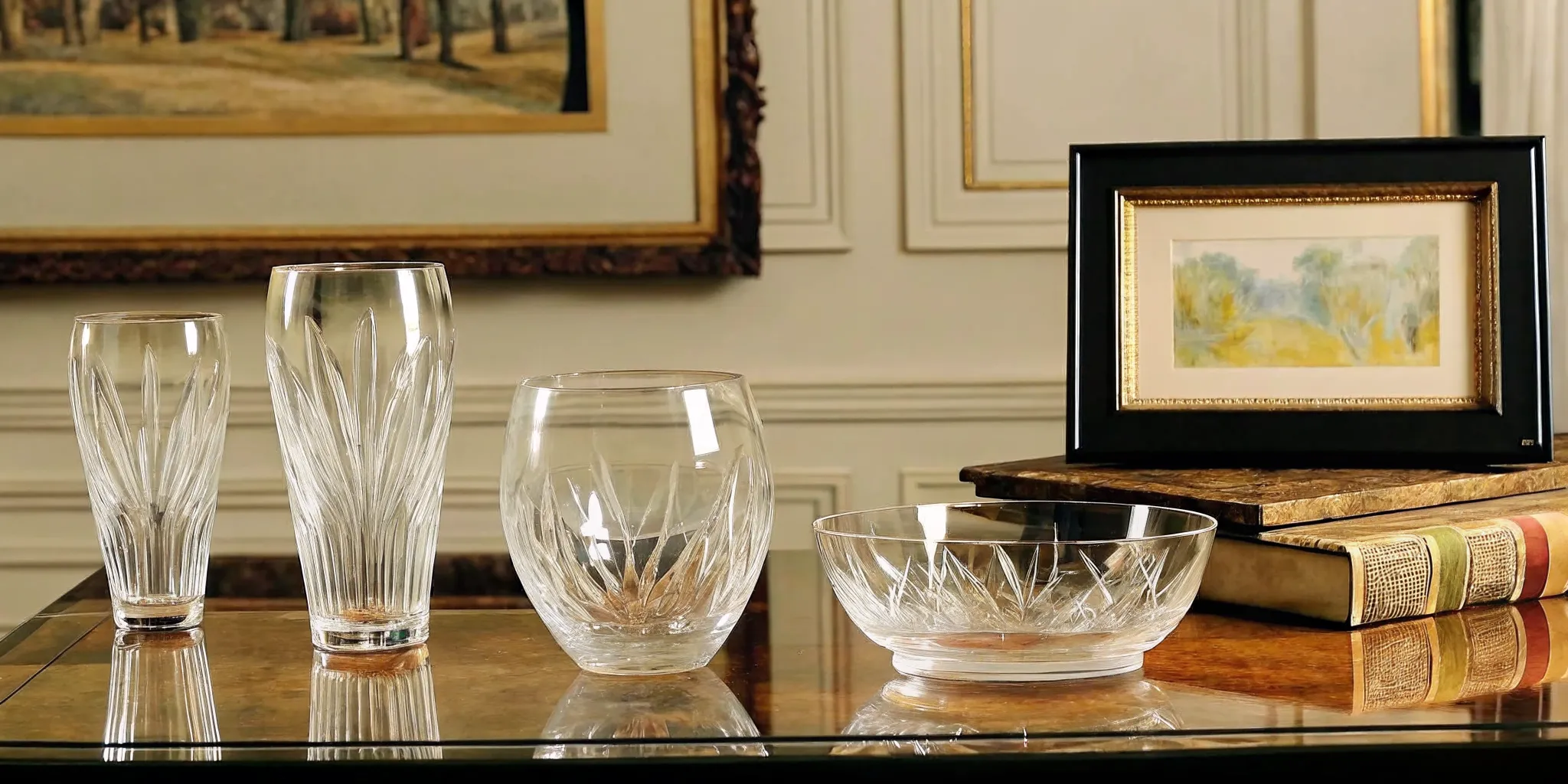
The value of Orrefors glass depends on the skill used to make it. While many people know the brand name, collectors look for specific methods and patterns. Some pieces were made in large groups, while others are rare works of art. Knowing these facts is key to finding what your glass is worth.
The artistry of Graal and Ariel glass
The most prized items often use the Graal or Ariel methods. The Graal technique was a major step for the brand in the 1910s. It involves several layers of glass that create deep visual effects. Masters like Simon Gate and Edvard Hald used this path to make Swedish glass a symbol of excellence in design and skill. A rare Graal vase can sell for more than ten thousand dollars today.
Ariel glass is another top choice for those who buy and sell fine glass. This method leaves air bubbles inside the glass walls to form patterns. Edvin Öhrström made many of the most famous Ariel pieces. These vases are thick and heavy but look light because of the trapped air. Because these items are hard to make, they often have a very high market price.
Famous Orrefors series and designers
Not all Orrefors glass is the same. Some series became famous for their shape and color. The Apple Vase by Ingeborg Lundin is a great example. It is simple and smooth, but its size and tint make it stand out. Collectors also look for pieces marked by the designer and the year they were made. Knowing who made your piece can help you when bringing fine crystal to auction at auction.
Sven Palmqvist also created stunning patterns for Orrefors. His Kraka and Ravenna series use bold colors and complex mesh designs. Kraka pieces look like they have a net or lace pattern trapped in the glass. Ravenna items often use deep blues and reds with small gold or colored squares. These styles added a new look to the brand and are still loved by collectors today.
| Technique | Key Feature | Main Designer | Rarity Level |
|---|---|---|---|
| Graal | Multi-layered patterns | Simon Gate | Very High |
| Ariel | Trapped air bubbles | Edvin Öhrström | Very High |
| Ravenna | Bright glass patterns | Sven Palmqvist | High |
| Kraka | Fine mesh patterns | Sven Palmqvist | High |
| Standard Crystal | Clear, cut glass | Various | Moderate |
How rarity impacts market price
Skill and rarity matter more than the name on the base. A standard bowl might be beautiful, but it lacks the rarity of a studio piece. Rare patterns were often made in small runs. This makes them hard to find and keeps the price high. If you have a piece with a unique color or a complex design, its value could be much higher than basic stemware.
Condition also plays a big role in the final price. Even the best Graal vase will lose value if it has chips or deep scratches. Collectors want glass that is clear and free of wear. When you look at your collection, check for marks that show who made it. These marks can help experts give you a better price when you decide to sell.
How condition changes Orrefors glass value
Condition can materially change Orrefors glass value. Chips, cracks, bruises, cloudiness, polishing, and restoration can reduce demand, especially when they affect a signature or focal decoration. Original wear may be acceptable, but every flaw should be documented before valuation.
The state of a piece of Orrefors glass is a top factor in its worth. Even small flaws can change the Orrefors glass value by a large amount. Buyers look for pieces that stay in the best shape possible. This is because Swedish glass has long been known for its top design and skill. Flaws break the way light moves through the crystal and can ruin the look of the art.
Common types of surface damage
Chips and cracks are the most common issues that lower value. A chip on the rim or base of a vase makes it worth much less to a buyer. These marks often happen from poor storage or rough use over many years. You should also look for “flea bites,” which are tiny nicks that you may only feel with a nail. While small, these flea bites still count as damage in a pro check.
Deep scratches on the surface also hurt the price. Most glass will have some “shelf wear” on the bottom where it sits. This is normal for older items and usually does not hurt the value. But scratches on the side of a piece can be bad. They distract from the design and make the glass look dull or worn out.
The impact of repairs and sick glass
Some owners try to fix chips by polishing the glass down. While this makes the piece look smooth again, it changes the shape. A pro buyer can often spot a rim that is not even or a base that is too thin. These fixes usually lower the price because the piece is no longer in its first state. It is often better to keep a piece with a small flaw than to change it in a way that can not be undone.
Another issue is “sick glass,” which looks like a cloudy film inside the piece. This happens when the glass reacts with water or harsh soaps over a long time. It is hard to clean and often stays for good. Cloudy glass is a major problem for buyers. It hides the clear beauty of the crystal and makes it much harder to sell for a high price.
Tips for a safe check
You should check your Orrefors glass in a room with bright, clear light. Hold the piece by its strongest part, such as the base or a thick wall. Turn it slowly to see how the light hits every side. This helps you find hidden cracks or repairs that are hard to see at first. Always use a soft cloth or gloves to avoid leaving oily marks from your skin on the crystal.
If you find a mark and are not sure what it is, do not scrub it. Use a soft brush and mild soap if the piece is safe to wash. Some old glass can be brittle, so you must be gentle. If the mark does not come off, it may be a scratch or a stain in the glass. A pro can tell you if the mark is damage or just a sign of age.
How to research recent-market pricing
Use recent sold results, not asking prices alone. Compare pieces with the same designer, technique, form, size, signature, and condition. Adjust for buyer’s premium, sale location, and date, then treat any range as a current market estimate rather than a guarantee.
Checking the current Orrefors glass value starts with looking at what people pay now. Market prices change based on who is buying and where they shop. To find a fair price, you should look at more than one source. High-end art glass like the Simon Gate Graal vase can sell for as much as $12,000 at top galleries, but common stemware often sells for much less.
Check sold auction prices
Auction houses provide clear data on what buyers pay in real time. Do not just look at what a seller asks for a piece. Look at the final price after the gavel falls. Public sales data from groups like The Bard Graduate Center shows that Swedish glass gained fame for its craft in the 1920s. This history still drives high demand and high prices for older, signed works.
When you check auction records, remember to include the buyer’s fee. This cost is usually 20% to 25% of the hammer price. If a rare Edvin Ohrstrom Ariel vase sells for $9,500, the buyer likely paid over $11,000 in total. This total cost is the true market value of the piece at that moment. You can also look into selling collectible glass through specialized houses to reach these high-paying collectors.
Review dealer asks and gallery lists
Dealers often set higher prices than what you see at auction. This is because they offer a curated set of items and a guarantee of the item’s state. A gallery might list an Ingeborg Lundin Apple vase for $6,800. While this shows what a collector might pay, a quick sale price would likely be lower. Dealers have high costs for storage and show space, which they add to the price.
Compare these retail prices with online sale sites. Use a value guide for fine glassware to see how Orrefors stacks up against other brands. Keep in mind that condition is key for any piece. Any chip or cloudiness can cut the price of a piece by half or more. Professional shops check for these flaws before they set a price list.
Track changing demand
The market for art glass moves in cycles. A designer who was popular last year might see lower prices this year. It is smart to watch sales over six months to see which way the market moves. Larger estate sales can also flood the market with one type of glass, which drops the price for a short time. If you have a large collection, you might need help appraising vintage glassware collections to get the best view of the current market.
When should you seek an Orrefors glass evaluation?
Seek specialist input when a piece has a difficult-to-read signature, a rare technique, an important designer attribution, notable provenance, or possible restoration. A focused evaluation is also useful before insurance, estate planning, consignment, or sale.
Ask Lion and Unicorn to review your signed Orrefors glass and current market options.
Seek a specialist evaluation when a piece has an engraved designer name, a traceable model number, an uncommon technique, or a strong ownership history. Expert input also helps when condition issues or conflicting online listings make comparisons hard.
Checklist for a glass review
Before you talk to an auction house, you should get your facts ready. This helps the specialist give you a better idea of the price. Use this list to prepare for your meeting:- Take clear photos from many angles, including the bottom.
- Write down the size and weight of the piece.
- Look for chips, cracks, or cloudy spots in the crystal.
- Find any history or papers that show where the glass came from.
- Check for a signature or a small sticker from the factory.
Why specialist input matters
Different needs call for different reports. An auction evaluation focuses on likely sale results, while insurance, tax, or estate needs may require a formal appraisal. Be clear about your goal when you contact a specialist.
A specialist can also spot later glass, altered marks, or details that photographs may hide. Using a value guide for fine glassware is a useful start, but a focused review gives you stronger evidence before deciding what to do next.
Frequently Asked Questions
How can I determine the value of my Orrefors glass?
Finding Orrefors glass value needs you to look at the maker, style, and how rare the piece is. Some old items are worth a lot of money. One case is a Graal vase by Simon Gate that sold for about $12,000 on the market. You should look for names and numbers on the bottom to find the right date and artist.
Which Orrefors designers are most sought after by collectors?
People often look for work by famous artists like Edvard Hald, Simon Gate, and Ingeborg Lundin. Pieces like the purple apple vase by Ingeborg Lundin can sell for near $6,800. Work by Edvin Ohrstrom, mainly his Ariel vases, is also worth a lot. These makers helped make Swedish glass a sign of great design and skill for many years.
How do signatures and date codes affect Orrefors glass value?
Marks and signs are key to proving that a piece is real. Most Orrefors glass has the name of the maker and a model number on it. Based on the official Orrefors site, these marks help find the date when the item was made. A clear and real mark makes a piece worth more to buyers because it shows the item is a true work.
How does condition impact the resale value of Orrefors glassware?
The state of your glass is a big part of its final price. Any chips, cracks, or deep marks will lower the value a lot. Cloudiness in the crystal can also make a piece look less good to buyers. As noted by Orrefors, items that have no damage at all will always get the best prices when you try to sell them.
Where can I get a professional appraisal for Orrefors crystal?
You should find a trained expert to get a real value for your crystal. Lion & Unicorn offers expert help and has over 30 years of work in the auction field. They give certified appraisals that meet high rules. Getting an expert view is the best way to find the true market value of your fine art glass and crystal.
Ready to get a professional price check for your glass?
Waiting to sell your Orrefors glass can be a risk because market prices for vintage crystal change over time. If you do not know the current price, you might miss a high point in the market. This can lead to a loss in the long run. Acting now allows you to lock in a price while these glass items remain in high demand among global buyers and serious fans. A quick price check gives you the facts you need to make a smart choice for your collection. Our team has thirty years in the art market and a guide on auctioning an Orrefors collection. We can help you get the best result for your rare patterns or signed items. Starting today ensures that your glass finds the right home while the value is at its peak.
Ready to request a price? Visit our contact page to contact Lion and Unicorn for an auction evaluation.
Free Consultation
Ready to Sell Your Estate or Collection?
Lion & Unicorn's expert team offers free appraisals and nationwide pickup service.
Over 30 years of experience — Florida's most trusted auction house.