


Limoges Porcelain Value Guide: Marks, Makers & Prices
Free Consultation
Ready to Sell Your Estate or Collection?
Lion & Unicorn's expert team offers free appraisals and nationwide pickup service.
Over 30 years of experience — Florida's most trusted auction house.
Limoges Porcelain Value Guide: Marks, Makers & Prices
A Limoges porcelain value guide begins with a truth every collector should know: the word “Limoges” identifies a French region, not a single maker or guaranteed price. Value emerges from the combination of an authentic factory mark, accomplished decoration, rarity, condition, and evidence from comparable recent sales. A delicate hand-painted plate by a recognized maker may command serious attention, while a common transfer-decorated piece may remain modestly priced.
Request a free appraisal from Lion and Unicorn’s porcelain specialists.
Quick answer: To estimate Limoges porcelain value, identify every factory and decorator mark, distinguish hand painting from transfer decoration, inspect for chips and restoration, then compare the piece with recent sales of the same maker, form, and pattern.
Limoges porcelain value guide: start with identification
Knowing how to spot real Limoges porcelain is the first step in finding its true worth. Many people think Limoges is the name of one single shop or brand. In fact, it refers to a whole area in France. This region, known as Limousin, has been home to high-quality ceramics since the late 1700s. To start your check, look for the word France on the bottom of the piece.
Check the region and the clay
Limoges porcelain is famous for its pure white color and thin, hard body. This comes from the local kaolin clay found in the Limousin area. Real French porcelain feels smooth and looks bright when you hold it to the light. Many shops in this region made items for world markets, so pieces can vary in look. But they all share the same fine clay that makes them stand out from other types of dishes.
When you start authenticating Limoges porcelain, you must first be sure the item is from France. Some newer pieces from other places might try to look like Limoges. True pieces will often feel lighter than they look. They should also not have any thick or heavy spots in the clay. If the piece feels too heavy or the white color looks dull, it might not be from the right area.
Read the marks on the bottom
The marks on the bottom of a piece tell the story of where and when it was made. Most Limoges items have at least two marks. One is the factory mark, which the maker puts on under the glaze. The second is often a mark from the artist who painted the design. You can find many of these specific marks listed in books or online guides from major groups like the Smithsonian.
One famous name to look for is Haviland. They made many shapes and used trademarks that collectors still track today. If you see a mark that looks like it was printed over the glaze, it might be a later addition. Real marks are usually clear and neat. If the mark is blurry or hard to read, you should look closer at the piece to see if it is real. Experts often use big books to match the mark to a set year or shop.
- Underglaze marks: These are put on by the factory before the piece is fired.
- Overglaze marks: These marks show who painted the piece or which shop sold it.
- The word France: This is a key sign of a piece made for export after 1891.
- Artist signs: Hand-painted pieces often have a small sign or name from the painter.
- Peint Main: This French phrase means the piece was painted by hand.
Check the skill of the maker
Since many makers worked in the same region, their styles can change. Some focused on dinner sets while others made small boxes. Each shop had its own way of marking its work. Knowing these makers helps you know if your item is scarce. Some shops closed long ago, which can make their items more hard to find. A guide can help you link a mark to a set maker and see how it fits into the past of the area.
You should also look for signs of hand work. Small boxes often have metal rims and clasps. These parts should fit the porcelain well. If the metal is loose or looks cheap, the piece might be a copy. Fine Limoges work always shows a high level of skill. Each part of the piece, from the clay to the paint, should look like it was made with great care.
How do you read Limoges porcelain marks?
Quick answer: Read the underglaze factory mark first, then the overglaze decorator mark. Country-of-origin wording, stamp color, typography, and consistency with the decoration help narrow the date and reveal mismatched or suspicious marks.
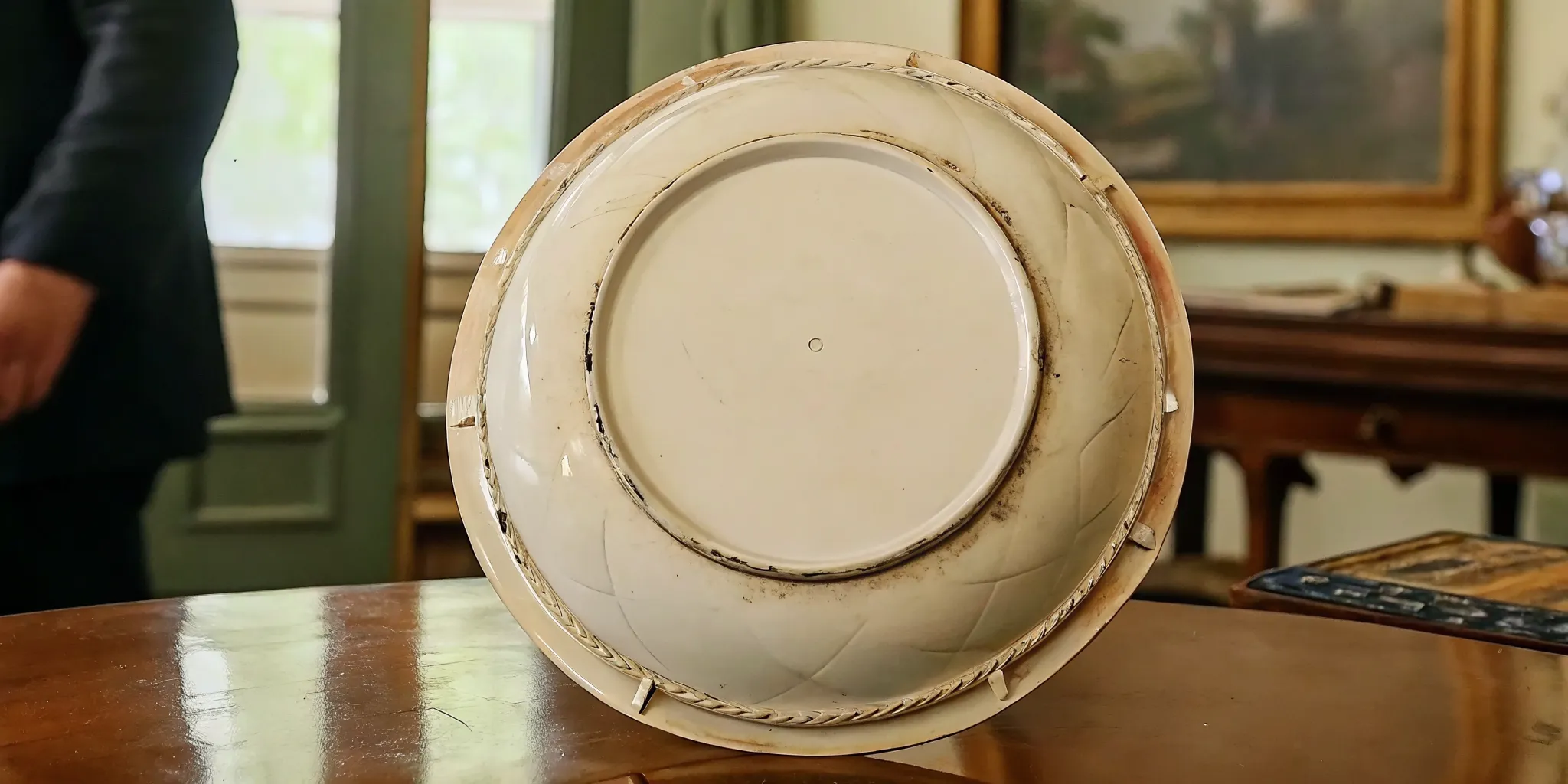
Every piece of fine French porcelain tells a story through its marks. These small stamps found on the base or inside a piece are the first things an expert looks for during a check. In a Limoges porcelain value guide, the mark is the most vital proof of where and when a piece was made. Most real items have at least two marks, and knowing how to read them helps you find the true worth of your set.
Factory and design marks
There are two main types of stamps to know: factory marks and design marks. A factory mark is mostly put on the white clay before the first firing or glaze. It is often green and sits under the clear glaze. This mark shows which firm made the porcelain body itself. You can find more about these expert pottery marks through major museums and study groups. These stamps are a key part of your check when authenticating Limoges porcelain for your home or sale.
The second stamp is the design mark. This is added after a piece is painted or gilded. It sits on top of the glaze and may be a different color like red, gold, or blue. Not all pieces were painted at the same place where they were made. Some smaller art studios bought plain white pieces from big firms and added their own art. Both marks must match the style and age of the piece for it to hold its full value. If one mark looks very old and the other looks new, that is a big red flag.
Key signs of age and place
Old Limoges often has the word France or the name of a city. After the year 1891, the McKinley Tariff Act made it a rule for imports to show their country of birth. If a piece just says France, it likely dates from 1891 to the early 1900s. Later pieces might say Made in France. These small words help you track the age of a maker like Haviland or Bernardaud. Seeing these marks is a big step in any Limoges porcelain value guide to find out if a set is rare or common.
The font used in the stamp can also give you clues. Early marks were often done by hand or with small stamps. Later marks look more like machine print. Some makers also used specific shapes for their marks during certain years. For example, Haviland used distinct stamps between 1850 and 1860. Matching these shapes to known records is the best way to date your items with care.
Watch for red flags
Not every mark that says Limoges is real. Some modern pieces use fake marks to look old and rare. A real mark should look crisp and neat, not blurry or smeared. Be wary of marks that only say Limoges China in a plain font. Real stamps often have the full name of the maker or a unique logo. If the art on top looks low grade but the mark says it is from a top studio, it may be a fake. Always check that the wear on the base matches the age the mark claims.
- Look at the bottom of the piece under a bright light. Clean away any dust so you can see every detail of the stamp with ease.
- Find the underglaze mark first to see which factory made the white porcelain body. This is usually a green stamp beneath the smooth glaze.
- Search for a second overglaze mark that shows who did the painting and gold work. This mark will feel slightly raised if you run your finger over it.
- Check for the country name or the words Made in France to get a rough idea of the date. If those words are missing, the piece may be from before 1891.
- Compare your marks to a trusted list of maker logos and dates. This will help you find the exact year and the artist who made the work.
Major Limoges makers collectors recognize
Quick answer: Haviland, Theodore Haviland, Charles Field Haviland, Bernardaud, and GDA are among the names collectors frequently recognize. A maker name matters most when the mark, form, decoration, and period all agree.
Limoges porcelain comes from many small and large shops in France. For over a hundred years, these shops have built names that people still trust today. A piece from a top shop can bring more eyes and a better price. Knowing the main names helps you build a strong set. See the Meissen porcelain value guide for comparison. It is the first step in any Limoges porcelain value guide.
The Haviland family legacy
Haviland is the biggest name in this field. David Haviland was a man from New York who moved to France in the 1840s. He wanted to make fine china for people in the United States. His sons later ran their own shops. You can find Haviland stamps from the mid-1800s on many old sets. These marks help you find the age of a piece and if it is real.
Theodore Haviland started his own firm in the 1890s. His work is known for soft flower art. Many people love these pieces for their grace and light colors. Theodore pieces are a big part of the trade today. They are easy to find but still hold their worth well. Buyers often look for the “Theodore Haviland” mark to find these exact items.
Charles Field Haviland also ran a major shop. He used other marks that you should know. His shop was later taken over by other owners. This split in the group created many new stamps. Each one tells a part of the past of French china. Knowing these marks is vital for any Limoges porcelain value guide.
Bernardaud and GDA factories
Bernardaud is another name that stands for high quality. This firm began in 1863 and still makes fine goods today. They use new ideas while keeping old skills. This mix makes their work well loved in modern homes. When you are checking Limoges porcelain, look for the Bernardaud mark to ensure quality and age.
The Bernardaud group has kept the firm running for many years. They often work with great artists to make new shapes. This keeps their pieces in high demand. Even older sets from this maker are known for their strong build and fine finish. They are a must for any real buyer in the United States.
GDA is a group that took over the Charles Field Haviland shop. The letters stand for Gerard, Dufraisseix, and Abbot. They are famous for using a lot of gold and bright paint. Their work is often ornate. Buyers look for these marks when they want pieces with a bold look. GDA sets often show up at high-end sales.
Why maker names matter for value
The name on the bottom of a plate tells a story. Some shops were small and only worked for a few years. Others were large and made goods for kings. This past changes how much people will pay. A name like Bernardaud shows a long past of fine art. Lesser names might not bring the same crowd at a sale. Demand often follows the most known firms.
You should use a list of pottery marks to check any piece you find. Some marks are for the maker of the white plate. Other marks are for the person who painted it. Knowing the gap is key to find the true value of your items. A piece with both marks is often worth more to a buyer.
| Maker Name | Year Started | Known Style | Market Role |
|---|---|---|---|
| Haviland & Co. | 1842 | Classic patterns | Trade leader |
| Theodore Haviland | 1893 | Soft florals | Top choice |
| Bernardaud | 1863 | Fine designs | Luxury brand |
| GDA | 1881 | Gold and paint | High-end decor |
Which decoration types tend to add value?
Quick answer: Detailed hand painting, accomplished artist signatures, raised paste gold, jeweled accents, and unusual subjects can add value. Quality and condition matter more than decoration alone.
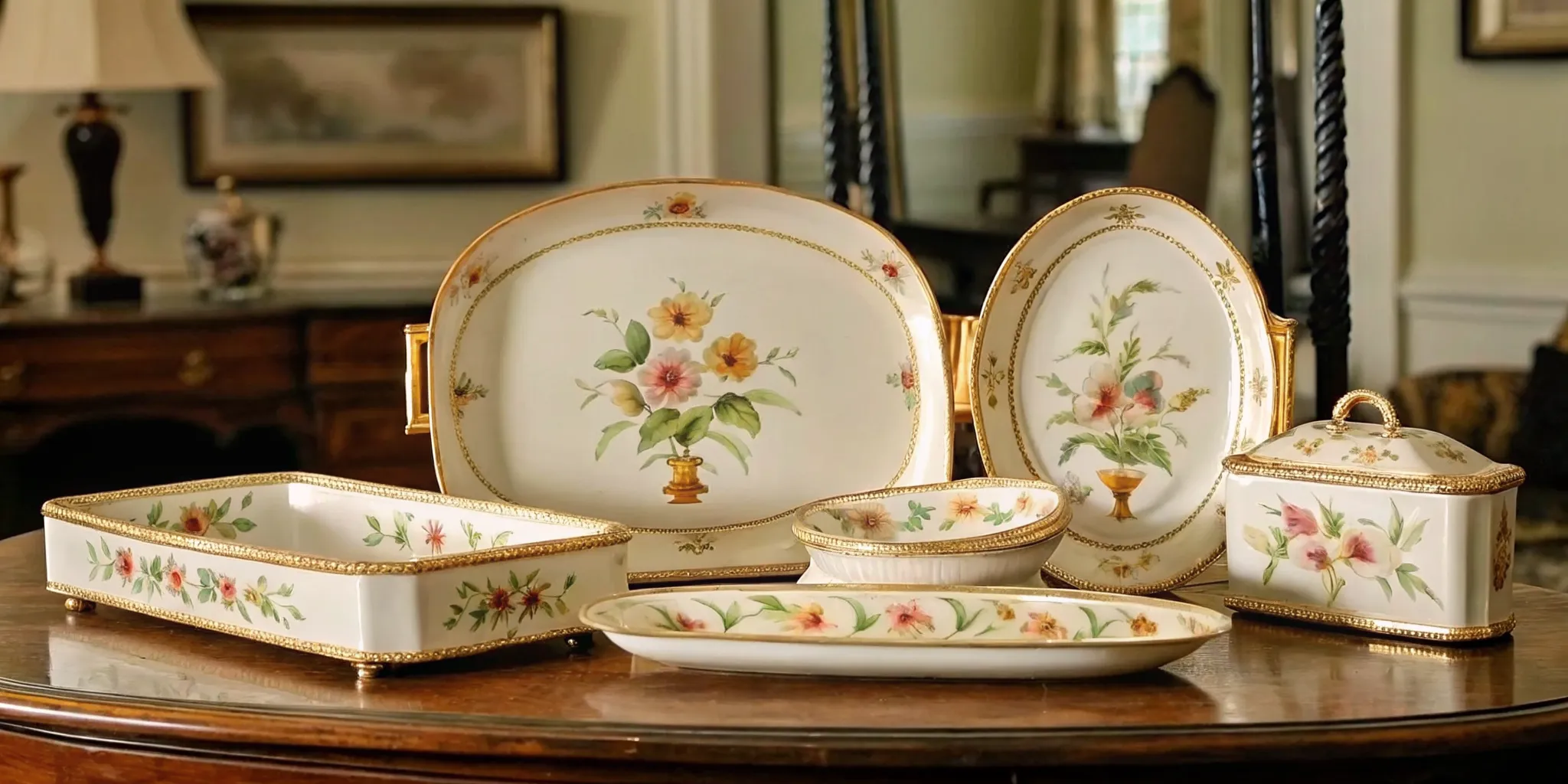
When you use a Limoges porcelain value guide, you will see that how a piece is made matters a lot. Hand work and art skill are main factors that set the price for these fine items. Top art often leads to a higher market value for those who buy and sell. The number of colors used can also change what an item is worth. Collectors often pay more for pieces that show a high level of care.
Hand-painted versus transfer designs
Most experts look for hand-painted work first. Artists used small brushes to paint scenes or flowers by hand. This takes more skill and much more time than other ways. You can often tell it is hand-painted if you see small brush marks or paint that is not quite flat. Portraits and scenes of life in the country are well liked. These pieces are rare and often sell for more than items with plain designs. They show the true skill of the maker and the art of the time. Collectors who appreciate fine handwork also compare these pieces to Herend porcelain patterns and prices, since Herend remains one of the few manufacturers still hand-painting every piece.
Transfer designs are different. A shop prints a pattern on the face instead of painting it. This was a fast way to make many items at once for more people to buy. Some transfers are old and nice, but they mostly have a lower value. You should check for specific maker marks to help you tell them apart. It is a key step for any new buyer to learn as they build a set. A transfer may look perfect, but it lacks the soul of a hand-painted piece.
The impact of gilding and fine details
Gilding is the use of real gold to decorate the edges, rims, or handles. Thick or heavy gold trim often adds to the beauty and cost of an item. Fine gold patterns show that the maker spent a lot of time on the piece. If the gold is worn off from too much use, the price may drop. The state of the gold is a big deal in the world of fine art. A piece with bright, intact gold will always be worth more than one with dull or thin trim.
- Raised paste gold: This is a way to make the gold thick so it has a 3D feel that you can touch.
- Acid etching: This makes a flat pattern in the gold for a rich and deep look.
- Beading: Small dots of gold or bright paint that add a new feel to the work.
- Jeweled accents: The use of small drops of enamel that look like real gems on the surface.
Artist names and rarity
A piece with a name is often a prize for a collector. Top artists often signed their best work to show they made it. Finding a name can show the piece was made with great skill and care. When authenticating Limoges porcelain, always look for these marks near the base or in the art. A rare name from a famous artist can double the price of a piece at a sale. It adds a layer of history that people love.
Some items were sold as blanks. These were plain white pieces that were decorated at other shops outside the main factory. The quality of this outside work can vary, but top shops still add great value. Pieces with many colors and odd shapes also tend to be more rare. Rarity is a big part of any value guide because fewer items mean more people want the ones that are left. If you find a shape or color that is not common, it may be the gem of your whole set.
Have a marked Limoges piece? Ask Lion and Unicorn for an expert appraisal.
How condition changes collector value
Quick answer: Chips, cracks, hairlines, restoration, staining, and worn gilding generally reduce value. Rare forms may remain desirable with minor flaws, but condition must always be disclosed.
In the world of fine art, the state of a piece often sets its price. For this Limoges porcelain value guide, we must look at how flaws change what a buyer will pay. A small mark can drop the price by half. Collectors want items that look like they just left the kiln in France.
Common types of porcelain damage
Porcelain is strong but brittle. It can break or wear down over many years. You should check for chips on the edges and tiny cracks called hairlines. Hairlines are hard to find but they hurt the piece’s strength. You may also see crazing, which is a web of fine lines in the glaze. While crazing happens with age, it still lowers the item’s grade.
Wear to the gold trim or “gilding” also matters. Limoges pieces often have real gold paint on the rims and handles. If this gold is worn off from too much washing, the value goes down. Deep stains inside cups or teapots can also be a problem. These flaws suggest the piece was not kept well by past owners.
- Chips: Small bits of clay missing from the rim or base.
- Cracks: Breaks that go through the body of the piece.
- Hairlines: Thin cracks that do not go all the way through.
- Crazing: Small lines in the outer glaze layer.
- Worn Gilding: Loss of gold paint or trim.
Rarity and how it offsets flaws
Not all damage is a deal-breaker. If a piece is rare, a collector might buy it even with a small chip. For example, old Haviland Limoges shapes from the mid-19th century are hard to find. A rare shape might keep its value better than a common plate with the same flaw. Rarity gives the item a “buffer” against minor damage.
But for common sets, even a small crack can make the piece worth little. Most buyers want “mint” items for their homes. If they can find the same plate in perfect shape, they will skip the broken one. This makes authenticating Limoges porcelain and checking its state vital. You must know if the item is one of a kind or easy to replace.
Missing parts and expert fixes
Sets are worth more when they are full. A teapot with no lid loses much of its charm and price. If you have a set of twelve plates, having only eleven makes the group less useful to a serious buyer. Always try to keep lids, stands, and first boxes together. These small parts add to the total value of the lot.
Some people try to fix breaks with glue or paint. A poor fix can hurt the value more than the original crack. High-end collectors look for pieces that were never broken. If a piece was fixed by an expert, you must tell the buyer. Hiding a fix is a bad move that can hurt your trust in the market. A clear and honest report on the item’s state is always best for a fair sale.
How to estimate current Limoges porcelain value
Quick answer: Use recent sold results, not asking prices. Compare the same maker, form, pattern, dimensions, condition, and completeness before assigning a realistic market range.
To find out what your Limoges porcelain is worth, you must look at the right data. Many people make the mistake of looking at list prices on web shops. But those prices only show what a seller wants to get. They do not show what a buyer will give. You need to find recent sold records to know the true market rate.
You should also look for papers or boxes that came with the piece. These items can add a lot of value for some buyers. A Limoges box that has its first box and its papers is worth more. These papers prove the item is real and show its history. Keep all these items in a safe spot to keep the value high.
Search for sold records
The best way to guess a price is to look at what people paid for the same item. Search for sold listings from the last six months. This time frame keeps the data fresh. Use sites that track auction sales to see a wide range of results. These lists show you the high and low end of the market. They act as a helpful Limoges porcelain value guide for your home set.
When you find a match, look at the date of the sale. Prices can go up and down based on how many people want a certain style. One key step is checking pottery marks to be sure the maker is right. This helps you sort out real items from fakes and ensures your data is sound.
Compare like with like
You must be very picky when you compare items. Even a small change in the gold trim or the flower pattern can shift the price. Check the size of your piece and compare it to others. Large serving bowls often fetch more than small tea cups. Look for the same maker and the same year it was made.
The state of your porcelain is also a top factor. A piece with no chips or wear will always sell for more. If you are authenticating Limoges porcelain, use a bright light to check for thin cracks. Items in mint shape are the most prized by serious buyers. A full set of dishes in good repair is a great find for any set.
When to hire a pro
The venue you choose plays a big part in your final take home pay. Large web sites reach many buyers, but they also charge high fees. You may pay for the listing and a cut of the sale. Also, you must think about the cost of shipping. Packing fine porcelain takes time and a lot of care to do well.
There are times when a self-check is not enough. If your items have a long past or belonged to someone famous, you need a pro. Experts can find the source of the piece and prove it is real. This proof is key if you want to sell at a high-end sale. It also helps if you need to file a claim with your insurance firm.
Auction houses offer price checks for estates and large groups of items. They use deep sales records that are not open to the public. This view gives you a clear look at the current market for fine art. A pro will look at the art work and the rarity of the piece to give you a fair quote. This is the best way to handle a large and costly set.
What to do before selling or appraising Limoges
Quick answer: Photograph all sides and marks, record dimensions, keep lids and related pieces together, avoid amateur repairs, and gather provenance before requesting an appraisal.
Selling your Limoges porcelain starts with clear steps to protect its value. Proper care and good records help experts give you a fair price. You should treat every piece with care to avoid new chips or cracks before a sale.
Photograph and document your items
Good photos are vital for a correct valuation. You must take clear pictures of the top, sides, and base of each piece. Focus on the specific manufacturer and decoration marks found on the bottom. These stamps prove where and when your items were made. If you find small chips or worn gold trim, take close-up shots of those spots too. Knowing the exact state of your set helps you get a more accurate Limoges porcelain value guide estimate from buyers.
Preserve the original condition
Do not try to fix or glue broken pieces yourself. Amateur repairs often lower the market price. Keep your porcelain in a safe, padded spot where it will not move. If your item has old paper labels or original boxes, do not remove them. These small details add to the history and worth of the piece. Expert identification of pottery marks shows that original parts matter to serious collectors.
Research your history and provenance
Knowing where your item came from can boost its price. Write down any family stories or records of when it was bought. Measure the width, height, and weight of each piece. These facts help specialists find your pattern in historical books. A full record makes it easy for an auction house to place your items in the right sale. Accurate details help you find out if antique dealers in Florida can help you reach the best global buyers.
Ready to understand your collection? Request a free porcelain appraisal.
Frequently Asked Questions
Is Limoges porcelain worth anything?
Yes, Limoges porcelain is worth quite a bit to collectors today. Older pieces from the 1800s can sell for high prices at auctions. Experts at Limoges Collector state that fine boxes often sell for hundreds of dollars. The total price depends on who made the piece and its current state. Many small items like pill boxes are worth more than dinner plates because they are rare. They also show great skill and care in their design.
What factors affect the value of Limoges porcelain?
Many things help set the price for a piece of Limoges porcelain. The most vital parts are the shape, the art style, and how many colors the artist used. Limoges Collector says that rarity is also a huge part of its market value. A piece that is hard to find will cost much more. You must check the marks on the bottom to be sure it is real. This helps confirm the piece is of high quality.
How much do Limoges boxes typically sell for?
In today’s market, prices for real French Limoges boxes change based on their age and detail. Views from experts show that a good box in 2024 often sells for between 250 and 450 dollars. These items have seen a large rise in sales over the last twenty years. Rare shapes or hand-painted scenes can make the cost much higher. Collectors look for items with bright colors and hinges that still work well. They want pieces that look like new.
How do I know if my Limoges is real?
You can tell if your piece is real by looking at the maker’s marks. Most real items from this area have a stamp that says they were made in France. The Smithsonian Institution states that these marks are key to finding the maker. Look for clear stamps on the bottom of the piece. Some marks tell you who made the item, while others show who painted it. Real pieces also feel thin and let light pass through them.
Ready to value and sell your Limoges porcelain?
Keeping fine china in a box without knowing its worth can lead to missed sales or harm to your pieces. The market changes fast, so start by authenticating Limoges porcelain to ensure you get the best price. Acting now helps you see what your collection is worth before the items lose their luster or get broken.
Ready to contact Lion and Unicorn about an auction appraisal or consignment? Our team is here to help with your estate. We know how to handle rare and fragile items. You can rely on our 30 years of experience. Get the maximum return on your collection. Call +1 (954) 866-8044 to get a free consultation and talk to a specialist today.
Limoges Porcelain Value Guide: Marks, Makers & Prices
A Limoges porcelain value guide begins with a truth every collector should know: the word “Limoges” identifies a French region, not a single maker or guaranteed price. Value emerges from the combination of an authentic factory mark, accomplished decoration, rarity, condition, and evidence from comparable recent sales. A delicate hand-painted plate by a recognized maker may command serious attention, while a common transfer-decorated piece may remain modestly priced.
Request a free appraisal from Lion and Unicorn’s porcelain specialists.
Quick answer: To estimate Limoges porcelain value, identify every factory and decorator mark, distinguish hand painting from transfer decoration, inspect for chips and restoration, then compare the piece with recent sales of the same maker, form, and pattern.
Limoges porcelain value guide: start with identification
Knowing how to spot real Limoges porcelain is the first step in finding its true worth. Many people think Limoges is the name of one single shop or brand. In fact, it refers to a whole area in France. This region, known as Limousin, has been home to high-quality ceramics since the late 1700s. To start your check, look for the word France on the bottom of the piece.
Check the region and the clay
Limoges porcelain is famous for its pure white color and thin, hard body. This comes from the local kaolin clay found in the Limousin area. Real French porcelain feels smooth and looks bright when you hold it to the light. Many shops in this region made items for world markets, so pieces can vary in look. But they all share the same fine clay that makes them stand out from other types of dishes.
When you start authenticating Limoges porcelain, you must first be sure the item is from France. Some newer pieces from other places might try to look like Limoges. True pieces will often feel lighter than they look. They should also not have any thick or heavy spots in the clay. If the piece feels too heavy or the white color looks dull, it might not be from the right area.
Read the marks on the bottom
The marks on the bottom of a piece tell the story of where and when it was made. Most Limoges items have at least two marks. One is the factory mark, which the maker puts on under the glaze. The second is often a mark from the artist who painted the design. You can find many of these specific marks listed in books or online guides from major groups like the Smithsonian.
One famous name to look for is Haviland. They made many shapes and used trademarks that collectors still track today. If you see a mark that looks like it was printed over the glaze, it might be a later addition. Real marks are usually clear and neat. If the mark is blurry or hard to read, you should look closer at the piece to see if it is real. Experts often use big books to match the mark to a set year or shop.
- Underglaze marks: These are put on by the factory before the piece is fired.
- Overglaze marks: These marks show who painted the piece or which shop sold it.
- The word France: This is a key sign of a piece made for export after 1891.
- Artist signs: Hand-painted pieces often have a small sign or name from the painter.
- Peint Main: This French phrase means the piece was painted by hand.
Check the skill of the maker
Since many makers worked in the same region, their styles can change. Some focused on dinner sets while others made small boxes. Each shop had its own way of marking its work. Knowing these makers helps you know if your item is scarce. Some shops closed long ago, which can make their items more hard to find. A guide can help you link a mark to a set maker and see how it fits into the past of the area.
You should also look for signs of hand work. Small boxes often have metal rims and clasps. These parts should fit the porcelain well. If the metal is loose or looks cheap, the piece might be a copy. Fine Limoges work always shows a high level of skill. Each part of the piece, from the clay to the paint, should look like it was made with great care.
How do you read Limoges porcelain marks?
Quick answer: Read the underglaze factory mark first, then the overglaze decorator mark. Country-of-origin wording, stamp color, typography, and consistency with the decoration help narrow the date and reveal mismatched or suspicious marks.
Every piece of fine French porcelain tells a story through its marks. These small stamps found on the base or inside a piece are the first things an expert looks for during a check. In a Limoges porcelain value guide, the mark is the most vital proof of where and when a piece was made. Most real items have at least two marks, and knowing how to read them helps you find the true worth of your set.
Factory and design marks
There are two main types of stamps to know: factory marks and design marks. A factory mark is mostly put on the white clay before the first firing or glaze. It is often green and sits under the clear glaze. This mark shows which firm made the porcelain body itself. You can find more about these expert pottery marks through major museums and study groups. These stamps are a key part of your check when authenticating Limoges porcelain for your home or sale.
The second stamp is the design mark. This is added after a piece is painted or gilded. It sits on top of the glaze and may be a different color like red, gold, or blue. Not all pieces were painted at the same place where they were made. Some smaller art studios bought plain white pieces from big firms and added their own art. Both marks must match the style and age of the piece for it to hold its full value. If one mark looks very old and the other looks new, that is a big red flag.
Key signs of age and place
Old Limoges often has the word France or the name of a city. After the year 1891, the McKinley Tariff Act made it a rule for imports to show their country of birth. If a piece just says France, it likely dates from 1891 to the early 1900s. Later pieces might say Made in France. These small words help you track the age of a maker like Haviland or Bernardaud. Seeing these marks is a big step in any Limoges porcelain value guide to find out if a set is rare or common.
The font used in the stamp can also give you clues. Early marks were often done by hand or with small stamps. Later marks look more like machine print. Some makers also used specific shapes for their marks during certain years. For example, Haviland used distinct stamps between 1850 and 1860. Matching these shapes to known records is the best way to date your items with care.
Watch for red flags
Not every mark that says Limoges is real. Some modern pieces use fake marks to look old and rare. A real mark should look crisp and neat, not blurry or smeared. Be wary of marks that only say Limoges China in a plain font. Real stamps often have the full name of the maker or a unique logo. If the art on top looks low grade but the mark says it is from a top studio, it may be a fake. Always check that the wear on the base matches the age the mark claims.
- Look at the bottom of the piece under a bright light. Clean away any dust so you can see every detail of the stamp with ease.
- Find the underglaze mark first to see which factory made the white porcelain body. This is usually a green stamp beneath the smooth glaze.
- Search for a second overglaze mark that shows who did the painting and gold work. This mark will feel slightly raised if you run your finger over it.
- Check for the country name or the words Made in France to get a rough idea of the date. If those words are missing, the piece may be from before 1891.
- Compare your marks to a trusted list of maker logos and dates. This will help you find the exact year and the artist who made the work.
Major Limoges makers collectors recognize
Quick answer: Haviland, Theodore Haviland, Charles Field Haviland, Bernardaud, and GDA are among the names collectors frequently recognize. A maker name matters most when the mark, form, decoration, and period all agree.
Limoges porcelain comes from many small and large shops in France. For over a hundred years, these shops have built names that people still trust today. A piece from a top shop can bring more eyes and a better price. Knowing the main names helps you build a strong set. It is the first step in any Limoges porcelain value guide.
The Haviland family legacy
Haviland is the biggest name in this field. David Haviland was a man from New York who moved to France in the 1840s. He wanted to make fine china for people in the United States. His sons later ran their own shops. You can find Haviland stamps from the mid-1800s on many old sets. These marks help you find the age of a piece and if it is real.
Theodore Haviland started his own firm in the 1890s. His work is known for soft flower art. Many people love these pieces for their grace and light colors. Theodore pieces are a big part of the trade today. They are easy to find but still hold their worth well. Buyers often look for the “Theodore Haviland” mark to find these exact items.
Charles Field Haviland also ran a major shop. He used other marks that you should know. His shop was later taken over by other owners. This split in the group created many new stamps. Each one tells a part of the past of French china. Knowing these marks is vital for any Limoges porcelain value guide.
Bernardaud and GDA factories
Bernardaud is another name that stands for high quality. This firm began in 1863 and still makes fine goods today. They use new ideas while keeping old skills. This mix makes their work well loved in modern homes. When you are checking Limoges porcelain, look for the Bernardaud mark to ensure quality and age.
The Bernardaud group has kept the firm running for many years. They often work with great artists to make new shapes. This keeps their pieces in high demand. Even older sets from this maker are known for their strong build and fine finish. They are a must for any real buyer in the United States.
GDA is a group that took over the Charles Field Haviland shop. The letters stand for Gerard, Dufraisseix, and Abbot. They are famous for using a lot of gold and bright paint. Their work is often ornate. Buyers look for these marks when they want pieces with a bold look. GDA sets often show up at high-end sales.
Why maker names matter for value
The name on the bottom of a plate tells a story. Some shops were small and only worked for a few years. Others were large and made goods for kings. This past changes how much people will pay. A name like Bernardaud shows a long past of fine art. Lesser names might not bring the same crowd at a sale. Demand often follows the most known firms.
You should use a list of pottery marks to check any piece you find. Some marks are for the maker of the white plate. Other marks are for the person who painted it. Knowing the gap is key to find the true value of your items. A piece with both marks is often worth more to a buyer.
| Maker Name | Year Started | Known Style | Market Role |
|---|---|---|---|
| Haviland & Co. | 1842 | Classic patterns | Trade leader |
| Theodore Haviland | 1893 | Soft florals | Top choice |
| Bernardaud | 1863 | Fine designs | Luxury brand |
| GDA | 1881 | Gold and paint | High-end decor |
Which decoration types tend to add value?
Quick answer: Detailed hand painting, accomplished artist signatures, raised paste gold, jeweled accents, and unusual subjects can add value. Quality and condition matter more than decoration alone.
When you use a Limoges porcelain value guide, you will see that how a piece is made matters a lot. Hand work and art skill are main factors that set the price for these fine items. Top art often leads to a higher market value for those who buy and sell. The number of colors used can also change what an item is worth. Collectors often pay more for pieces that show a high level of care.
Hand-painted versus transfer designs
Most experts look for hand-painted work first. Artists used small brushes to paint scenes or flowers by hand. This takes more skill and much more time than other ways. You can often tell it is hand-painted if you see small brush marks or paint that is not quite flat. Portraits and scenes of life in the country are well liked. These pieces are rare and often sell for more than items with plain designs. They show the true skill of the maker and the art of the time. See Herend porcelain patterns and prices.
Transfer designs are different. A shop prints a pattern on the face instead of painting it. This was a fast way to make many items at once for more people to buy. Some transfers are old and nice, but they mostly have a lower value. You should check for specific maker marks to help you tell them apart. It is a key step for any new buyer to learn as they build a set. A transfer may look perfect, but it lacks the soul of a hand-painted piece.
The impact of gilding and fine details
Gilding is the use of real gold to decorate the edges, rims, or handles. Thick or heavy gold trim often adds to the beauty and cost of an item. Fine gold patterns show that the maker spent a lot of time on the piece. If the gold is worn off from too much use, the price may drop. The state of the gold is a big deal in the world of fine art. A piece with bright, intact gold will always be worth more than one with dull or thin trim.
- Raised paste gold: This is a way to make the gold thick so it has a 3D feel that you can touch.
- Acid etching: This makes a flat pattern in the gold for a rich and deep look.
- Beading: Small dots of gold or bright paint that add a new feel to the work.
- Jeweled accents: The use of small drops of enamel that look like real gems on the surface.
Artist names and rarity
A piece with a name is often a prize for a collector. Top artists often signed their best work to show they made it. Finding a name can show the piece was made with great skill and care. When authenticating Limoges porcelain, always look for these marks near the base or in the art. A rare name from a famous artist can double the price of a piece at a sale. It adds a layer of history that people love.
Some items were sold as blanks. These were plain white pieces that were decorated at other shops outside the main factory. The quality of this outside work can vary, but top shops still add great value. Pieces with many colors and odd shapes also tend to be more rare. Rarity is a big part of any value guide because fewer items mean more people want the ones that are left. If you find a shape or color that is not common, it may be the gem of your whole set.
Have a marked Limoges piece? Ask Lion and Unicorn for an expert appraisal.
How condition changes collector value
Quick answer: Chips, cracks, hairlines, restoration, staining, and worn gilding generally reduce value. Rare forms may remain desirable with minor flaws, but condition must always be disclosed.
In the world of fine art, the state of a piece often sets its price. For this Limoges porcelain value guide, we must look at how flaws change what a buyer will pay. A small mark can drop the price by half. Collectors want items that look like they just left the kiln in France.
Common types of porcelain damage
Porcelain is strong but brittle. It can break or wear down over many years. You should check for chips on the edges and tiny cracks called hairlines. Hairlines are hard to find but they hurt the piece’s strength. You may also see crazing, which is a web of fine lines in the glaze. While crazing happens with age, it still lowers the item’s grade.
Wear to the gold trim or “gilding” also matters. Limoges pieces often have real gold paint on the rims and handles. If this gold is worn off from too much washing, the value goes down. Deep stains inside cups or teapots can also be a problem. These flaws suggest the piece was not kept well by past owners.
- Chips: Small bits of clay missing from the rim or base.
- Cracks: Breaks that go through the body of the piece.
- Hairlines: Thin cracks that do not go all the way through.
- Crazing: Small lines in the outer glaze layer.
- Worn Gilding: Loss of gold paint or trim.
Rarity and how it offsets flaws
Not all damage is a deal-breaker. If a piece is rare, a collector might buy it even with a small chip. For example, old Haviland Limoges shapes from the mid-19th century are hard to find. A rare shape might keep its value better than a common plate with the same flaw. Rarity gives the item a “buffer” against minor damage.
But for common sets, even a small crack can make the piece worth little. Most buyers want “mint” items for their homes. If they can find the same plate in perfect shape, they will skip the broken one. This makes authenticating Limoges porcelain and checking its state vital. You must know if the item is one of a kind or easy to replace.
Missing parts and expert fixes
Sets are worth more when they are full. A teapot with no lid loses much of its charm and price. If you have a set of twelve plates, having only eleven makes the group less useful to a serious buyer. Always try to keep lids, stands, and first boxes together. These small parts add to the total value of the lot.
Some people try to fix breaks with glue or paint. A poor fix can hurt the value more than the original crack. High-end collectors look for pieces that were never broken. If a piece was fixed by an expert, you must tell the buyer. Hiding a fix is a bad move that can hurt your trust in the market. A clear and honest report on the item’s state is always best for a fair sale.
How to estimate current Limoges porcelain value
Quick answer: Use recent sold results, not asking prices. Compare the same maker, form, pattern, dimensions, condition, and completeness before assigning a realistic market range.
To find out what your Limoges porcelain is worth, you must look at the right data. Many people make the mistake of looking at list prices on web shops. But those prices only show what a seller wants to get. They do not show what a buyer will give. You need to find recent sold records to know the true market rate.
You should also look for papers or boxes that came with the piece. These items can add a lot of value for some buyers. A Limoges box that has its first box and its papers is worth more. These papers prove the item is real and show its history. Keep all these items in a safe spot to keep the value high.
Search for sold records
The best way to guess a price is to look at what people paid for the same item. Search for sold listings from the last six months. This time frame keeps the data fresh. Use sites that track auction sales to see a wide range of results. These lists show you the high and low end of the market. They act as a helpful Limoges porcelain value guide for your home set.
When you find a match, look at the date of the sale. Prices can go up and down based on how many people want a certain style. One key step is checking pottery marks to be sure the maker is right. This helps you sort out real items from fakes and ensures your data is sound.
Compare like with like
You must be very picky when you compare items. Even a small change in the gold trim or the flower pattern can shift the price. Check the size of your piece and compare it to others. Large serving bowls often fetch more than small tea cups. Look for the same maker and the same year it was made.
The state of your porcelain is also a top factor. A piece with no chips or wear will always sell for more. If you are authenticating Limoges porcelain, use a bright light to check for thin cracks. Items in mint shape are the most prized by serious buyers. A full set of dishes in good repair is a great find for any set.
When to hire a pro
The venue you choose plays a big part in your final take home pay. Large web sites reach many buyers, but they also charge high fees. You may pay for the listing and a cut of the sale. Also, you must think about the cost of shipping. Packing fine porcelain takes time and a lot of care to do well.
There are times when a self-check is not enough. If your items have a long past or belonged to someone famous, you need a pro. Experts can find the source of the piece and prove it is real. This proof is key if you want to sell at a high-end sale. It also helps if you need to file a claim with your insurance firm.
Auction houses offer price checks for estates and large groups of items. They use deep sales records that are not open to the public. This view gives you a clear look at the current market for fine art. A pro will look at the art work and the rarity of the piece to give you a fair quote. This is the best way to handle a large and costly set.
What to do before selling or appraising Limoges
Quick answer: Photograph all sides and marks, record dimensions, keep lids and related pieces together, avoid amateur repairs, and gather provenance before requesting an appraisal.
Selling your Limoges porcelain starts with clear steps to protect its value. Proper care and good records help experts give you a fair price. You should treat every piece with care to avoid new chips or cracks before a sale.
Photograph and document your items
Good photos are vital for a correct valuation. You must take clear pictures of the top, sides, and base of each piece. Focus on the specific manufacturer and decoration marks found on the bottom. These stamps prove where and when your items were made. If you find small chips or worn gold trim, take close-up shots of those spots too. Knowing the exact state of your set helps you get a more accurate Limoges porcelain value guide estimate from buyers.
Preserve the original condition
Do not try to fix or glue broken pieces yourself. Amateur repairs often lower the market price. Keep your porcelain in a safe, padded spot where it will not move. If your item has old paper labels or original boxes, do not remove them. These small details add to the history and worth of the piece. Expert identification of pottery marks shows that original parts matter to serious collectors.
Research your history and provenance
Knowing where your item came from can boost its price. Write down any family stories or records of when it was bought. Measure the width, height, and weight of each piece. These facts help specialists find your pattern in historical books. A full record makes it easy for an auction house to place your items in the right sale. Accurate details help you find out if antique dealers in Florida can help you reach the best global buyers.
Ready to understand your collection? Request a free porcelain appraisal.
Frequently Asked Questions
Is Limoges porcelain worth anything?
Yes, Limoges porcelain is worth quite a bit to collectors today. Older pieces from the 1800s can sell for high prices at auctions. Experts at Limoges Collector state that fine boxes often sell for hundreds of dollars. The total price depends on who made the piece and its current state. Many small items like pill boxes are worth more than dinner plates because they are rare. They also show great skill and care in their design.
What factors affect the value of Limoges porcelain?
Many things help set the price for a piece of Limoges porcelain. The most vital parts are the shape, the art style, and how many colors the artist used. Limoges Collector says that rarity is also a huge part of its market value. A piece that is hard to find will cost much more. You must check the marks on the bottom to be sure it is real. This helps confirm the piece is of high quality.
How much do Limoges boxes typically sell for?
In today’s market, prices for real French Limoges boxes change based on their age and detail. Views from experts show that a good box in 2024 often sells for between 250 and 450 dollars. These items have seen a large rise in sales over the last twenty years. Rare shapes or hand-painted scenes can make the cost much higher. Collectors look for items with bright colors and hinges that still work well. They want pieces that look like new.
How do I know if my Limoges is real?
You can tell if your piece is real by looking at the maker’s marks. Most real items from this area have a stamp that says they were made in France. The Smithsonian Institution states that these marks are key to finding the maker. Look for clear stamps on the bottom of the piece. Some marks tell you who made the item, while others show who painted it. Real pieces also feel thin and let light pass through them.
Ready to value and sell your Limoges porcelain?
Keeping fine china in a box without knowing its worth can lead to missed sales or harm to your pieces. The market changes fast, so start by authenticating Limoges porcelain to ensure you get the best price. Acting now helps you see what your collection is worth before the items lose their luster or get broken.
Ready to contact Lion and Unicorn about an auction appraisal or consignment? Our team is here to help with your estate. We know how to handle rare and fragile items. You can rely on our 30 years of experience. Get the maximum return on your collection. Call +1 (954) 866-8044 to get a free consultation and talk to a specialist today.
Free Consultation
Ready to Sell Your Estate or Collection?
Lion & Unicorn's expert team offers free appraisals and nationwide pickup service.
Over 30 years of experience — Florida's most trusted auction house.