


Val Saint Lambert Crystal Value Guide
Free Consultation
Ready to Sell Your Estate or Collection?
Lion & Unicorn's expert team offers free appraisals and nationwide pickup service.
Over 30 years of experience — Florida's most trusted auction house.
Collectors prize Val Saint Lambert crystal for its saturated colors, precise cuts, and distinguished place in Belgian decorative arts. Authenticated examples with desirable signatures, forms, and condition can command strong auction prices.
Request a professional evaluation of your Val Saint Lambert crystal.
Val Saint Lambert crystal value reflects nearly two centuries of Belgian crystal making that began at an abbey site in 1826. Collectors examine maker’s marks and signatures from noted artists such as Louis Leloup to establish a piece’s origin and period. Market prices vary with color saturation, cut complexity, rarity, and form. Condition has a decisive effect on the final price. According to the Smithsonian, this firm was the first and only crystal maker in Belgium when it started. Learning these key facts is the best way to find what a piece is worth in today’s active market.
What determines Val Saint Lambert crystal value?
The total Val Saint Lambert crystal value of a piece depends on three main things: age, the artist who made it, and its state today. High-end vases and paperweights can sell for hundreds of dollars to more than $1,000. Rare pieces that carry a famous name or mark can even go for over $10,000 at auction. A professional fine art and antiques appraisal can place your crystal within this range using comparable sales and specialist knowledge.
Age and rare styles
Val Saint Lambert started making crystal in 1826 at an old abbey in Belgium. It was the first and only maker of its kind in the country at that time. Pieces from the early 1800s or the Art Deco era of the 1930s often fetch high prices because they are hard to find. Buyers love these old styles for their past and craft. You can see many of these works in famous groups like the Art Institute of Chicago museum.
Some items were made for set markets far away. For example, the firm made pressed glass for India during the 1800s. These older items show how the maker grew from a small local shop to a world name. The age of a vase is one of the first things an expert will check to set a price.
The impact of artist names
A piece with a clear artist mark or name will be worth much more than a plain one. Signed works by top names like Louis Leloup or Martin Szekely are popular. For instance, a Szekely vase from 1989 might sell for thousands of dollars because of its short run. These pieces often have a mark cut into the glass or a special stamp from the studio.
It is wise to look for marks like “Studio Crystal” or a year carved into the base. These signs help distinguish authentic examples from look-alikes, while an estate appraisal can provide a more complete attribution. If a piece is not signed, an expert can still tell it is a Val Saint Lambert by the pattern. But a real mark is always the best way to get the most money for your item. You can ask for an expert appraisal to be sure of what you have.
State and unique colors
The state of the glass is key for its price. Chips, cracks, or cloudy spots will pull the value down fast. A clear piece in top shape will always bring in the best offers. The color of the crystal also plays a big part. While clear glass is common, shades like mauve, emerald green, and pink swirl are more rare. These rare hues often catch the eye of serious buyers.
- Millefiori patterns: Deep paperweights with colored glass rods are highly prized.
- Special sets: Items like sweetmeat jars or large vases can be more rare than common ashtrays.
- Maker marks: A clear label or carved name adds a layer of trust for the buyer.
Val Saint Lambert adapted traditions with deep European roots. Millefiori, for example, originated in Venice before becoming part of the Belgian firm’s decorative vocabulary. That combination of established technique and finely made crystal continues to attract collectors. You can learn more about the history of paperweights through the Smithsonian’s collection record.
To compare a different French art-glass tradition, see our Daum Nancy glass value guide for cameo-glass identification and value considerations.
How to identify Val Saint Lambert marks and labels
Finding the right marks is the best way to know the true Val Saint Lambert crystal value, especially before you sell an antique collection. Most pieces from this Belgian maker carry some form of proof. You might find a name cut into the glass or a small sticker on the base. Knowing what to look for helps you tell a real piece from a copy. It also helps you learn about the story of your item. Most pieces from this maker come from a long line of skill that began two hundred years ago.
Signatures and incised marks
Most items made after the mid-20th century have a signature cut into the base. This is often the full name of the company. On rare or special items, you may see the name of a lead artist. For example, vases from the 1970s often carry the name of designer Louis Leloup. These signed works tend to have a higher price on the resale market. Some items from the late 1980s show both a name and a set date. These pieces may also have a number, which shows the piece was part of a small set.
Some modern items use a different style for their marks. You might see the words “Studio Crystal” followed by the year it was made. Many of these vases or bowls also have a small set of letters or a logo. These marks prove the item came from the main studio in Belgium. The Smithsonian Institution states that the glassworks started in 1826 at an old monastery. It was the only crystal maker in the country for many years. This long history is why so many different marks exist today.
Labels and foil stickers
Not all marks are cut into the glass itself. Val Saint Lambert also used paper or foil labels for many years. These are often gold, silver, or blue. They usually show the company name and a small crown or a shield logo. Labels are helpful for quick checks but they are easy to remove or lose. A piece with its first label still in place is often more prized by buyers. It acts as extra proof that the item is real. But you should always look for a cut mark too, as labels can be moved from one piece to another.
If you find a label, look at the print quality. Real labels have sharp lines and clear text. Some labels from the late 20th century also include the words “Hand Made” or “Made in Belgium.” If a label looks faded or the ink is blurry. You should look for other signs of quality. You can always ask for expert help with appraisals if you are not sure. Expert help is the best way to confirm a find when the marks are hard to read or missing.
How to prove it without a mark
Some early pieces do not have any marks at all. This is common for items made in the 19th century or for some large sets. In these cases, you must look at the style and the weight of the crystal. Val Saint Lambert is known for its heavy feel and deep, clean cuts. The color should be rich and even through the whole piece. If the glass feels light or the edges of the cuts are soft, it might not be real. High quality is a mark of its own in the world of fine crystal.
Collectors often look for specific patterns to prove where a piece came from. You can compare your item to known pieces in museum lists. The Art Institute of Chicago keeps many examples in its collection. If your item has no mark, its value will depend on its state and how well it matches these known styles. Expert eyes can often find the truth even when a signature is gone. They look at the base wear and the way the glass glows under the light.
Designers, patterns, and periods collectors seek
The worth of Val Saint Lambert glass often comes from its long history and the skill of its makers. People who buy these items look for exact times in history when the glassworks made its most famous art. Pieces from certain eras or those made by top artists often sell for high prices on the resale market.
Leading artists and makers
The name of a famous artist can raise the Val Saint Lambert crystal value by a large amount. Louis Leloup is one of the most well-known names from the 1970s. His signed glass vases often have a high price tag at auction. In some cases, a vase by Leloup can sell for more than $1,400. You should look for a maker’s mark on the base to prove who made it.
Other modern makers also worked with the firm late in the 20th century. Martin Szekely made the “Nord” vase in 1989. This piece has clear marks and dates that make it easy for experts to find. These modern works show how the brand moved from old styles to new art. Pieces with a known maker or a clear signature are often worth more than unattributed items. Owners considering a sale can explore Lion & Unicorn’s approach to selling collectibles at auction.
Eras that buyers love
Some time periods are more popular with buyers than others. Art Deco items from the 1930s are highly prized today. These pieces have the sharp lines and bold looks of that time. You can also find items from the mid-20th century, such as vases from the 1950s and 1960s. These often show bright colors and unique shapes that fit the style of those decades.
Early items from the 19th century are also worth a lot of money. The glassworks started in 1826 at an old monastery in Belgium. By the mid-1800s, the firm made ornate paperweights that many people wanted to own. The Smithsonian Institution notes that these paperweights showed a love for hand work. They were made during a time when many goods came from big shops. These early pieces link the brand to the history of fine glass in Europe.
Famous patterns and colors
Patterns play a big role in how much a piece is worth. The Millefiori style is a top choice for many fans. This way of making glass uses small bits of colored rods set inside clear crystal to look like flowers. This style has roots in old glass work from Venice. You can find these patterns in paperweights made as far back as the mid-19th century.
Color is another key factor for buyers. The firm used many shades, such as emerald green, mauve, and pink. A pink crystal vase from the 1950s with a swirl pattern can sell for over $500 today. Other items like clear cut crystal and mauve glass also show the high level of skill used by the makers. If you want to know the true worth of your glass, you may need a pro crystal appraisal to check the mark and the style.
The firm did not just make vases. They also made things people could use every day, such as ashtrays and jars for sweets. Many of these items are now in museums like the Art Institute of Chicago. This proves that even items made for the home are now seen as works of art. Finding these museum-quality pieces is a goal for many top collectors.
How color, cut quality, and form affect value
Color and casing
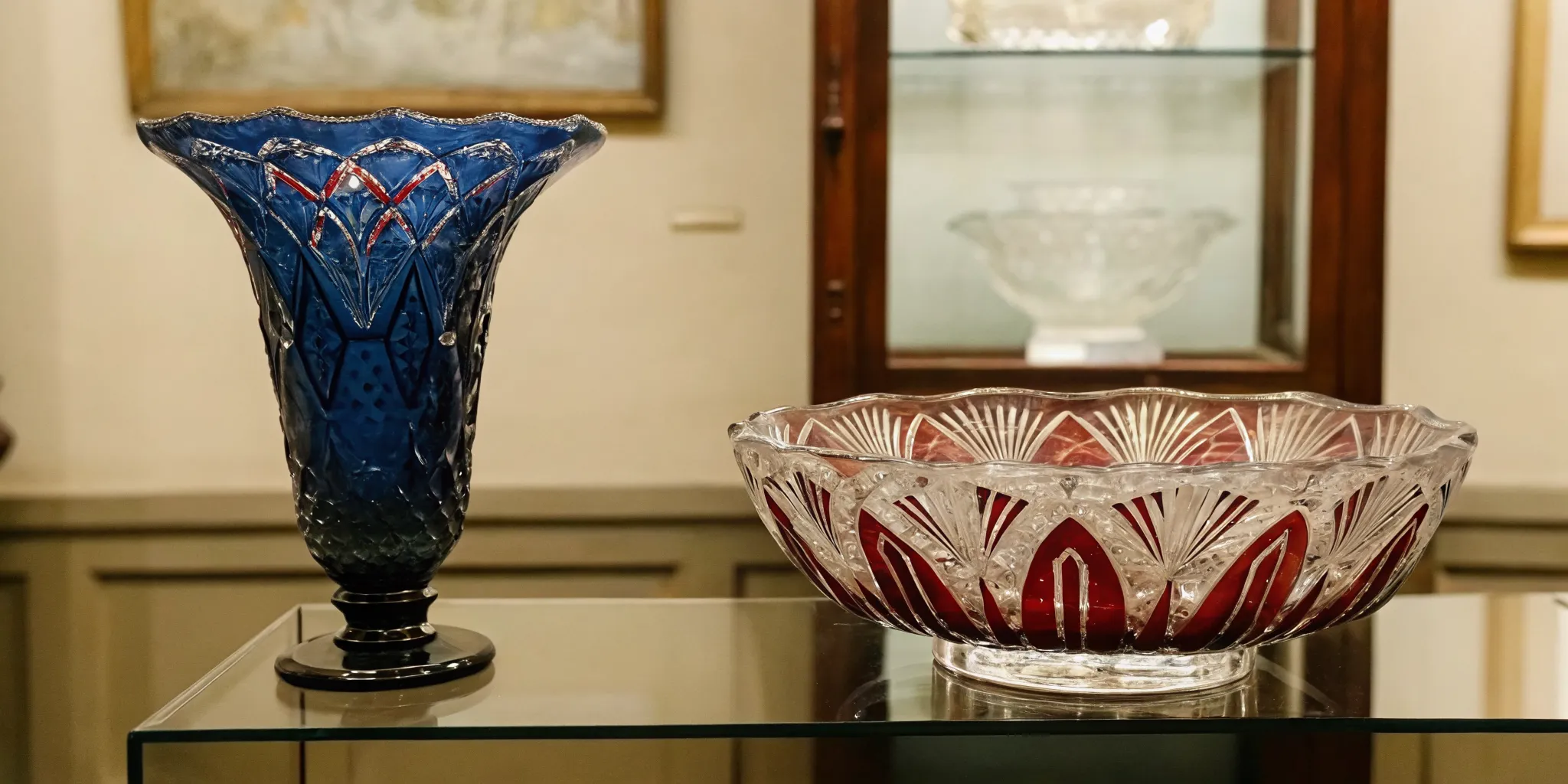
Val Saint Lambert is famous for its bright use of color. Many of their best pieces use a “cased” glass style. This way of making glass puts a layer of colored crystal over a clear core. When an artist cuts into the piece, the clear crystal shows through the color. This creates a bold look that buyers love. Rare colors can greatly raise the Val Saint Lambert crystal value of a vase or bowl. While green and mauve are common, some rare shades are very hard to find.
The glassworks was started in 1826 at an old site in Belgium. From the start, they focused on high-end crystal. Some of their most detailed items are paperweights. These items often use a millefiori rod style which has origins in Venice. These paperweights hold tiny rods of colored glass inside clear crystal. The more rods and colors used, the higher the price. Buyers look for these old pieces because they show the high skill of the mid-1800s.
Cut detail and size
The depth and detail of the cuts on a piece are key to its value. Deep cuts that catch the light show a high level of work. A plain bowl will not sell for as much as one with a complex star or diamond pattern. Size also plays a big role in the market price. Large vases and tall lamps tend to cost more than small items like ashtrays or jars. Yet a small, rare piece with perfect cuts can often out-sell a large, simple one.
Proving a piece is real is vital when looking at value. Pieces with a clear maker’s mark or signed name are easier to price and sell. Many items from the 1900s have marks like “Studio Crystal” or “Val St. Lambert” etched on the base. A mark proves the piece is real and helps experts know its age. If a piece is not signed, it may be linked to the firm by its style. These items still have value but often sell for less than signed ones. Experts check the patterns and weight to be sure of the maker.
Rare shapes and famous names
Some glass shapes are much rarer than others. Most people know the brand for its vases, but they also made items like jars and lamps. These rarer forms are hard to find in good state. Because they are so rare, they are often seen in museum sets around the world. These items are valued for their place in the past as much as for their beauty. Owning a piece that is also in a museum can be a point of pride for a buyer.
Works made with famous artists also bring top prices. Artists like Louis Leloup and Martin Szekely created unique shapes and styles. For example, the “Nord” vase from 1989 is a well-known modern piece. These artist-led works are often part of a small set. They may have a date, a number, and a hand-signed name. Because they are rare and have a known artist, they can sell for thousands of dollars at auction.
| Feature | Standard Pieces | Artist Series |
|---|---|---|
| Markings | Basic etched name or label | Hand-signed and dated |
| Run Size | Mass made for retail | Small, numbered sets |
| Cut Style | Set patterns and forms | Unique, bold art shapes |
| Market Value | A few hundred dollars | Thousands at auction |
How to inspect condition before estimating value
You must check the state of your crystal to find its true worth. A small chip can change the price by a large amount. Expert buyers inspect every surface before making an offer, and owners of multiple pieces may benefit from professional estate appraisal services. You should do the same to get the best Val Saint Lambert crystal value for your items.
Surface checks for crystal damage
The first step is to look for wear and tear. Use a soft cloth to clean the piece first. Dust and dirt can hide small flaws that lower the price. Once it is clean, hold the glass under a bright light. Look for small nicks along the edges. Buyers call these small marks “fleabites.” While they are tiny, they still hurt the total Val Saint Lambert crystal value.
- Clean the glass. Use mild soap and warm water to remove grime. This helps you see the true state of the crystal. Do not use harsh cleaning materials that might scratch the surface.
- Feel the edges. Run your finger along the rim and base. You might feel a sharp spot before you see it. These small chips often happen on the sharp parts of the cut glass.
- Look for scratches. Heavy marks on the bottom are normal for old pieces. But deep marks on the side of a vase can be a problem. These flaws show that the piece was not handled with care.
- Find the maker’s mark. Many pieces carry a name or a mark. This mark is a key factor in proving the piece is real. You can find more about how we help with selling your collectibles on our main site.
- Look for fixes. Some owners try to fix chips by grinding the glass down. Look for rough spots or dull spots. A fix often leaves a mark that experts can spot quickly.
- Search for clouding. This is also called glass sickness. It looks like a white film that you cannot wash away. This happens when water sits in the glass for too long. This film will lower the price a lot.
Maker’s marks and artist names
A clear mark helps you find the age and artist of the piece. Val Saint Lambert started making fine glass in 1826 in Belgium. Pieces from the 1970s often have marks from famous names like Louis Leloup. These signed items are worth much more than plain ones. You can find these marks on the base of most vases and bowls.
The Smithsonian Institution says this shop was founded at an old monastery. This long past adds to the charm of each piece. If the mark is worn, it may be hard to see. Use a lens to check for small marks. Some pieces only had a paper label that might be gone now. In these cases, you must look at the style and color to prove it is real.
Deep fixes and glass film
Fixes can be hard to find but they change the value a lot. Check if the glass looks too thin in one spot. This might mean someone polished out a chip. Also, look for glue marks on parts like handles or stems. A piece that has been glued back together is worth much less than a whole one. Buyers want items that are in their first state.
Shine is also a big part of the price. Fine crystal should be clear and bright. If the glass looks dull or has a grey tint, it might be a lower grade. Val Saint Lambert is known for its clear, bright glass. Pieces from the 1930s Art Deco era should still shine if they were kept well. Checking these points helps you set a fair price before you sell.
How to research current market prices
To find the real Val Saint Lambert crystal value, you must look at what people really pay. Market trends change often. You need the most recent data to set your price goals. Many factors like age, shape, and mark can move the price up or down. A well-informed buyer or seller starts with verifiable facts and relevant comparable sales. For assistance interpreting those results, Lion & Unicorn’s auction specialists can evaluate the piece in its market context.
Check sold auction results
The best way to find a fair price is to look at sold listings. Auction results show the real cash value of a piece at a fixed time. You should search for items that match yours in size, color, and pattern. Look for sales from the last six to twelve months to get the most recent data. Sites like eBay or top auction houses are great places to start. These platforms list what buyers paid, not just what sellers asked for.
When you look at these sales, check the state of the items. A piece with chips or cracks will sell for much less than one in mint state. Cloudiness in the glass can also drop the price. The Smithsonian Institution notes that Val St. Lambert began making high-quality crystal in 1826. Since then, the brand has made many styles that people still want today. Use these past details to help find the name of your piece. Knowing the age or maker will help you find the right price match.
Asking price vs. sale price
Many people make the mistake of looking at asking prices on retail sites. These numbers often show a “safety value” for insurance. They also show the high hopes of a seller. These prices do not show what a buyer will really pay. A vase might be listed for $1,000 but sit on a shelf for years. If a similar vase sold for $600 last month, that $600 is the real market price. This gap between the ask and the sale is common in the art world.
Price guides can also give you past data. These books and lists show how prices have shifted over the years. Some mid-century modern designs have seen a rise in value lately. You can find these works in places like the Art Institute of Chicago. Seeing these fine pieces helps you see why some items get a high price. It also helps you see which ones are more common. Rare colors or large sizes often bring in more money.
The role of expert reviews
For rare or very large items, you may need an expert to look at them. A pro can spot small marks that change the value. They know which patterns are rare and which ones are easy to find. This help is key if you have a unique studio piece or a signed work. Experts can also tell if a mark is real or a fake. This keeps you safe when you buy or sell.
If you are ready to sell, you should work with a trusted team. You can sell your antique collection through an auction house. This helps you reach the right buyers who know the brand’s worth. A pro will look at the market and find the best way to get a good return. They handle the risks of shipping and storage too. This saves you time and keeps your crystal safe. Finding the right partner makes the process much easier for you.
Preparing your crystal for appraisal or sale
You must prepare your items well before you seek an expert appraisal. Proper prep helps you get the most Val Saint Lambert crystal value. Start by cleaning each piece with a soft cloth and mild soap. Do not use harsh soaps that could harm the glass. Then, find a bright spot to look for small details. Look for marks that show where the piece came from and who made it.
Noting maker’s marks
The maker’s mark is one of the strongest indicators when pricing Belgian glass. Most Val Saint Lambert crystal has a mark or a label. Some pieces from the late 1900s use a Studio Crystal mark. Others have signatures cut into the glass. You might see names like Louis Leloup or Martin Szekely on your item. These signed works often sell for more money than standard pieces. Take clear photos of every mark you find from many angles. This proof helps experts confirm that your crystal is real and not a copy. The Smithsonian Institution notes that these marks show the high level of hand skill from that time.
Checking the state of the piece
The state of your crystal is also vital for its final sale price. Small chips, cracks, or deep scratches can lower the price by a lot. Look at the edges and the base of your vase, ashtray, or bowl. Check for cloudiness inside the glass that will not wash away. How rare it is also plays a big part in the full value. Old items from the 1800s or Art Deco pieces from the 1930s are hard to find today. If you have the first box or any papers from the store, keep them with the item. These things add to the history and help prove the age of the piece. The Art Institute of Chicago keeps such items in its collection due to their art value.
Taking good photos
Clear photos are a must for any online or remote review. Use a plain background like a white or grey sheet to make the crystal stand out. Make sure there is enough light but avoid harsh glare that hides the color. Take photos of the front, back, and bottom of the piece. If you find a tiny flaw, take a photo of that too. Being honest about the state of the item builds trust with buyers. Good photos show the true beauty of the crystal and the skill of the makers.
Working with auction experts
Once you have your photos and notes, you should talk to an expert. A skilled team can help you find the right buyer for your pieces. They know the current market for fine glass and rare antiques. You can sell your antique collection through a trusted auction house to get a fair price. Lion and Unicorn has years of work with high-end crystal and fine art. They can help you list your items in a global auction. This is often the best way to reach people who really want rare Belgian crystal. Good prep makes the sale process much faster and easier for you.
Frequently Asked Questions
How do I identify Val Saint Lambert crystal?
Finding the maker often starts with looking for a mark or label on the piece. Many items have a signed name like “Val Saint Lambert” or the name of the designer. Some pieces made later in the 20th century may also show a monogram or a “Studio Crystal” mark. According to Pamono, some items are linked to the company based on their patterns and styles. Checking for clear cut glass and colors like emerald green can also help you find the maker.
What is the market value of Val Saint Lambert crystal?
The price of these crystal pieces can change based on how old or rare they are. Small items like ashtrays might sell for a low price while large vases can reach much higher costs. Pieces made by famous artists often hold more value than plain items. According to data from Invaluable, rare signed vases can even sell for thousands of dollars at auction. The state of the piece and having a clear mark also help set the final price.
Is Val Saint Lambert crystal high quality?
Yes. Val Saint Lambert crystal is recognized for refined craftsmanship, intricate cutting, and rich color. The company was Belgium’s only crystal maker when it began in 1826. Its artisans became known for techniques including millefiori and sharply defined cut patterns. As noted by the Art Institute of Chicago, many pieces are part of major museum groups today. This shows that the items have high value and are built to last for many years.
Where is Val Saint Lambert crystal produced?
This crystal has a long history in Belgium. The firm was first started in 1826 at an old monastery in the city of Seraing. This place is near Liege and became a main hub for fine glass making in Europe. According to the Smithsonian Institution, the company was started by a chemist and an engineer. They built the firm to be the top crystal maker in the country. It still holds a strong name for Belgian craft today.
Are you ready to get a professional Val Saint Lambert auction evaluation for your fine crystal collection and learn what your items are worth today?
Leaving your fine crystal in storage for too long can lead to chips that lower its worth while you miss out on peak collector interest. You can view our contact page to see how we help people like you get the best price for their rare art glass items now. Getting a professional look today means you can stop guessing about what you have and start the process of a successful auction sale right away.
Ready to sell? Call +1 954-866-8044 to contact Lion and Unicorn about an auction evaluation and find out what your pieces are worth today.
Free Consultation
Ready to Sell Your Estate or Collection?
Lion & Unicorn's expert team offers free appraisals and nationwide pickup service.
Over 30 years of experience — Florida's most trusted auction house.