


Daum Nancy Glass Value: Authenticity and Prices
Free Consultation
Ready to Sell Your Estate or Collection?
Lion & Unicorn's expert team offers free appraisals and nationwide pickup service.
Over 30 years of experience — Florida's most trusted auction house.
A genuine Daum Nancy vase can command serious collector interest, but a signature alone does not establish authenticity or price. Daum Nancy glass value begins with the pattern, glassmaking technique, age, condition, and evidence that the mark belongs on the piece.
Contact Lion and Unicorn for expert guidance on your Daum Nancy glass.
Daum Nancy glass value depends on several key factors, including the pattern, rarity, and the detail of the glasswork. While size is often a factor, smaller vases with fine cameo designs can sometimes be worth more than larger, simpler pieces. Collectors focus on the Art Nouveau era, when the Nancy, France studio produced its most popular works. The three-layered cameo technique and the presence of real signatures greatly influence what a buyer is willing to pay. According to experts at DaumNancy.com, the pattern is often the most important factor in determining the final price. Because many fakes exist, professional appraisals are necessary to confirm that a piece is real and ensure you get a fair hammer price.
Whether you want to sell a piece or grow a collection, you must know what makes these items valuable. Many specific details can change the final price of a piece at auction.
What determines Daum Nancy glass value?
The Daum Nancy glass value depends on a mix of art skill and market demand. While size is a factor, it is rarely the most vital one. Instead, people who buy and sell look at the style of the piece. A small vase with a rare pattern often sells for more than a large piece with a plain look. Knowing these facts helps you set clear goals when you buy or sell art glass.
Key physical factors
The pattern is often the single most vital factor for Daum pieces. Early works from the Art Nouveau period stay in high demand. These pieces often use complex ways of making glass, like three-layered cameo glass. This takes great skill to build. The more colors and layers a piece has, the higher its worth. Height also counts, but it is not a fixed rule for price. A six-inch vase can sometimes cost more than a twenty-inch vase if the small one has a rare pattern.
Market value and auction price
It is key to know the different types of price. The hammer price is the final bid at an auction. It does not include fees or tax. This price shows what a buyer was willing to pay at one point in time. Market values for art glass can change and are often a matter of opinion. As historical glass and crystal shows, the era of the work changes how people see its worth. Ten honest dealers might give ten different prices for the same vase.
| Price Type | Definition | Primary Use |
|---|---|---|
| Hammer Price | Final bid at auction. | Tracking real sales. |
| Retail Price | Price in a shop. | Buying from dealers. |
| Insurance Value | Full cost to replace. | Protecting a collection. |
| Fair Market Value | Price agreed for sale. | Tax or estate needs. |
The role of appraisal
Because prices change so much, getting a professional antique appraisal is the best way to check what you have. Experts can see if a mark is real and judge the quality of the glass work. A certified report helps you know the true worth for a future sale. This step takes the guess work out of identifying art glass value. It also ensures your items have the right protection.
How to read authentic Daum Nancy signatures and marks
Finding a name on a vase does not always mean the piece is real. Many fakes carry forged marks to trick buyers. To find the true Daum Nancy glass value, you must look at how the artist made the mark. Real marks change based on the date and the type of glass work.
Common signature styles
Most real pieces from the Art Nouveau era feature the name Daum Nancy with a Cross of Lorraine. This cross has two bars and honors the region in France where the glass was made. You might find marks that are etched or painted with gold enamel. Pieces like three-layered cameo glass often have the name cut directly into the surface. You can see examples of these historic works at the National Museum of American History.
Signs of a fake mark
Fake marks often look too perfect or appear in the wrong spot. On real Daum Nancy art glass, the mark is part of the design and is not just a label added later. Poorly made fakes might have marks that feel rough or sit on top of the glass. If the name looks like it was scratched on with a modern tool, it is likely not an original piece. You should also check the bottom of the piece for wear that matches its age.
The role of expert review
Because names are easy to copy, they are not the only thing that proves a piece is real. You must also check the quality of the glass and the pattern. Since market prices for this glass can change a lot, you should get a professional antique appraisal before you buy or sell. Experts look at the mark, the weight, and the way the colors blend to find the true hammer price.
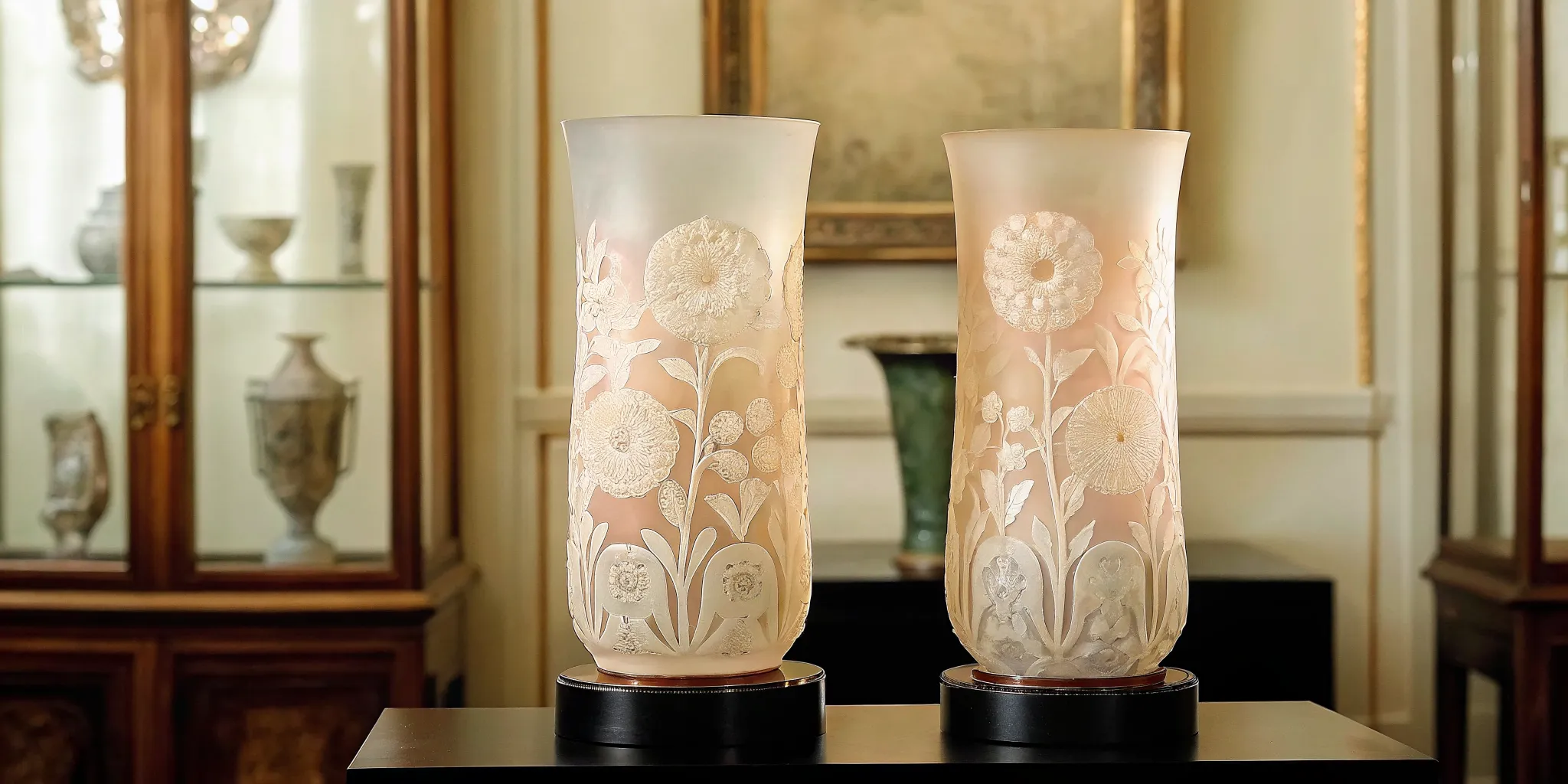
Why cameo-glass technique matters to collectors
The beauty of Daum Nancy art glass comes from how it is made. Buyers look for pieces that show great skill and deep colors. The way a vase is built changes the Daum Nancy glass value in a big way.
Most pieces come from the Art Nouveau era. In this time, artists used glass to copy nature. These items are more than just jars. They are works of art that took many hours to finish.
Layers and depth in glass
A key part of Daum glass is the use of many layers. Artists often used three layers of glass to create a sense of depth and life. Each layer had a different color. By cutting through the top layers, the maker could show the shades below.
This three-layer cameo technique gave the glass a rich look that plain pieces lack. These layers let light pass through in a way that changes how the piece looks all day.
Buyers pay more for pieces with sharp lines and smooth color shifts. If the layers are thin or the colors run together, the price will be lower. The skill of the work is a main factor in how much a person will pay.
Rare colors like deep red or violet often get a higher hammer price at auction. This is more than common greens or browns.
Acid etching and fine carving
Artists used acid to eat away parts of the glass. This made the first rough shape of the design. After the acid bath, the piece went to a cutter.
These men used small wheels to add fine parts to the glass. They could carve tiny veins in leaves or the soft wings of a bird. This mix of acid and wheel work is what sets Daum apart from other brands.
The skill shown in these parts is a big part of Daum Nancy glass value. You should look for pieces where the carving is deep and the edges are sharp. Some vases also have gold paint or enamel added after the carving.
This adds one more step to the work. It makes the item even more rare. Top-grade pieces feel heavy and solid. This is because of the many layers and thick glass needed for deep carving.
Patterns and market value
The pattern on a piece of glass is often the main thing for its worth. Some themes, like winter scenes or forest views, are liked a lot. These scenes are hard to make well.
Since people want them, they often sell for much more than simple flower shapes. When you check Daum Nancy glass value, look at how rare the pattern is. Small vases can be worth more than big ones if the work is better.
Getting an expert antique appraisal is the best way to know what you have. Pros can tell the gap between a real Daum Nancy piece and a fake. They check the mark on the bottom.
They also check the build of the glass. Since market prices can change fast, a recent check is good for safety or sale. Knowing the past of your glass helps you find the right price for it.
For comparison with another European luxury-glass tradition, review our Val Saint Lambert crystal value guide for its identifying marks and collector considerations.
Which Daum periods and subjects are most desirable?
Finding the right period and subject is the first step to knowing Daum Nancy glass value. The factory in Nancy, France, made many styles for over a hundred years. Most collectors focus on the early days when the Daum brothers led the shop. This era shows the best work in art glass.
The Art Nouveau era
Most of the most wanted pieces come from the Art Nouveau period. During this time, the shop used new ways to make art. They were known for three-layered cameo glass. This method used layers of colors that were cut or etched to show a design. You can find these items in major museums like the Smithsonian. The Art Nouveau style uses flowy lines and natural shapes. These pieces often reach a high hammer price at auction because they are rare and beautiful.
Popular subjects and patterns
Pattern is the most important factor for many who buy these pieces. Scenes from nature are the most common and most liked. Collectors look for flowers, trees, and landscapes. Some of the best patterns show the seasons or specific times of day. A small vase with a rare pattern can be worth more than a large one with a common look. If you want to get the best price for Daum Nancy, you should look for complex scenes that show many colors and layers.
Form, rarity, and size
Size does not always tell you the price. A six-inch vase can be worth more than a twenty-inch vase if the small one is rare. The shape and how hard it was to make also matter. For example, a five-inch vase in one shape might sell for about $6,000. An eleven-inch version of that same shape might reach $12,000. But if the pattern is special, the small one could win out. To be sure of what you have, you should get a professional antique appraisal. This helps you find the true worth for insurance or a sale.
How can you spot reproductions and altered pieces?
Buying art glass can be a big step. You want to make sure your piece is real. Fakes can hurt the Daum Nancy glass value of your set.
Many fakes try to mimic the look of the Art Nouveau time. But most copies fail to reach the high grade of the work from Nancy, France. You must look for small traits that show a piece is real.
The need for a close look
Finding a fake takes time and a sharp eye. Modern fakes use plain glass and quick ways. They do not have the depth of real pieces made by the Daum brothers.
Real pieces use a three-layered cameo glass style. This method creates a rich look that is hard to copy. If the glass feels light or looks flat, it might not be real.
You should also look for signs that someone changed the piece later. Some sellers might grind down a chip to hide it. This makes the piece look better, but it lowers the price.
A piece that was cut or polished too much will have a different shape than it should. You can find more tips in our guide on identifying art glass value for your set.
- Check the mark for signs of acid etching or cutting that looks too new or lacks the right style for the time.
- Look at the glass layers to see if they show the three-layer cameo build common for real Daum work.
- Look for grind marks on the rim or base that might hide chips or show that the piece was changed from its first form.
- Judge the art to see if the colors and details match the high goals of the Art Nouveau movement.
- Search for proof of the past of the piece, such as old sales notes or owner history, to back up its start.
- Bring the piece to an expert to get a professional antique appraisal that follows strict rules.
Why history and owner trails matter
History is a key part of price for any antique. A piece with a clear trail of owners is safer to buy. This history is called provenance.
It shows where the glass has been since it left the shop in France. This trail is vital for proving it is real. Most real pieces have been part of large sets for years.
If a seller cannot tell you where a piece came from, you should be wary. Real Daum glass was part of the Art Nouveau time and is well-known in the art world.
Marks are the most common area for fakes. Some people add a Daum Nancy mark to a plain piece of glass. This is done to trick buyers into paying more.
A real mark should look like it was part of the making of the piece. It should not look like it was scratched on later.
When you sell your antiques and collectibles, you will need to prove the mark is real to get the best price.
Expert help for your set
To keep your set safe, always get help from a pro. An expert can spot things that most people miss. They know how to find the valuable art glass that is worth the money.
They can also tell you the current hammer price for pieces like yours. This helps you know if you are getting a fair deal or if you are looking at a copy.
How does condition affect Daum Nancy glass value?
The state of a piece is a big part of Daum Nancy glass value. Buyers want items that look like they just left the shop. Any flaw can lower the price you get at a sale. Even small nicks or light scratches matter to those who collect. A mint piece will always bring the most money. If you want to sell, you must be honest about any marks you find. People will pay more for glass that has been kept in a case.
Finding glass damage
Damage comes in many forms for old glass. Chips on the rim or base are very common. These tiny nicks often happen during cleaning or moving. Cracks are a bigger problem because they can grow over time. Even a hair-line crack can cut the price in half. Inside cracks called bruises happen from hard drops or hits. Large losses to glass flowers or leaves also hurt the hammer price. Applied parts are thin and easy to break off.
You should also check for sick glass. This is glass that looks cloudy or stained from water. It often happens in vases that held flowers for too long. This haze is a change in the glass itself. It can be very hard to fix. This issue will drive away many keen buyers who want clear colors. Always look at the glass in a bright room to see the true color and look. Dark rooms can hide many of these flaws.
Impact of repairs and polishing
Owners sometimes fix damage to save the Daum Nancy glass value. Polishing can hide small chips on the rim or foot. But this change to the shape means the piece is no longer as it was made. A pro can spot a rim that is too thin or a base that is too flat. Major repairs with glue or fills are easy to find under a UV light. Most buyers prefer a piece with a tiny chip over one that was ground down. Untouched glass is always worth more than a fixed piece.
The Smithsonian Institution notes that Daum cameo glass uses many layers to create its look. This complex build makes repairs very hard to hide from a pro. If the glass has a metal mount, check it for rust or grime. Bends in the metal or loose parts will also lower what a buyer pays. Make sure the mount is real and from the same time as the piece. A new mount on an old vase is a major red flag for many.
Safe handling and check-up tips
You must be careful when you check art glass for flaws. Always hold the piece with two hands over a soft pad or cloth. Never lift a heavy vase by the rim or a weak handle. These parts can snap under the weight of the base. Use a bright light to look through the glass for hidden cracks or bubbles. Run your finger slowly along all edges to feel for rough spots. Sharp bits often mean a chip is there, even if you cannot see it.
You should also check the signature for signs of wear or grinding. A ground-down signature can mean a major repair took place to hide a break. If you are not sure about a piece, get a professional antique appraisal to be safe. An expert will help you get the best price for Daum Nancy by finding all flaws first. They use special tools like black lights to find fixes that the eye might miss. This helps you know the true state of your set.
How to research a credible value range
Finding a fair Daum Nancy glass value needs more than a quick web search. The market for fine art glass is complex and can shift fast. If you ask ten people to value the same vase, you might get ten different answers. To get a real sense of what your piece is worth, you must look at facts and past sales. This process helps you avoid the trap of high asking prices that do not show the true market.
Look at hammer prices
Many people start their search on sites like eBay or Etsy. These shops show asking prices, but these numbers are not proof of value. A seller can ask for any price, but that does not mean a buyer will pay it. Instead, you should look for the hammer price from recent auctions. This is the actual price a buyer paid when the auction ended. Auction data is the best way to see what buyers will spend right now.
Market trends change over time and vary by region. The same vase might sell three times in ten years for $2,000, $1,400, and then $3,200. These shifts show why market timing and current demand matter so much. Always check sales from the last year or two to find the best price range. If you see a piece like yours on a shop shelf for a high price, remember that it might stay there for years without a buyer.
Check the physical details
The physical traits of the glass play a big part in its price. You should look at the technique used to make the piece. Many Daum Nancy works use three-layered cameo glass to create deep colors and textures. This complex method adds more value than simpler designs. A piece with many layers and fine details will often fetch a much higher price.
Do not assume that a bigger vase is always worth more money. In many cases, a small six-inch vase can be worth more than a twenty-inch vase. Factors like rarity, the pattern, and the age of the piece are often more important than size. A rare Art Nouveau floral scene will often beat a large, plain bowl in the auction room. You must also check for a clear signature, as this confirms the piece came from the Daum factory.
Seek an expert check
The state of the glass is also vital to its worth. Even a small chip or crack can cut the value by half. You must look for signs of wear under a bright light and feel the edges for tiny nicks. Beyond condition, you should also look for provenance. This is the history of who owned the piece. A clear record of past owners can prove the piece is real and raise its worth at sale.
To find the true worth of your items, you may need a professional antique appraisal. Experts can check the glass quality to be sure it is not a fake. A certified report helps you set a firm price and gives buyers peace of mind. This step is a must if you plan to sell or insure a high-value collection. Taking the time to research ensures you do not leave money on the table.
Valuation disclaimer: Values discussed here are educational estimates, not guarantees or formal appraisals. Actual value and sale results depend on direct inspection, authenticity, condition, provenance, current demand, venue, and buyer participation.
Talk with Lion and Unicorn before you sell or consign your Daum Nancy glass.
Frequently Asked Questions
What is the hammer price for Daum Nancy glass?
The hammer price refers to the final bidding amount reached at an auction before any buyer fees or taxes are added. For Daum Nancy pieces, this price can change a lot based on who is bidding and the current market trend. For example, according to DaumNancy.com, an identical vase might sell for $2,000, $1,400, and $3,200 over a ten-year span. This shows how much market conditions affect the final sale cost of art glass.
Can a small Daum Nancy vase be worth more than a large one?
Yes, size is not the only thing that sets the price of art glass from Nancy, France. A small vase with a rare pattern or complex cameo work often has a higher market value than a large piece with a plain look. Experts note that there are many six-inch vases worth more than twenty-inch ones. Collectors place a high price on the skill and detail of the work rather than the pure weight or height of the piece.
How can you verify that a Daum Nancy piece is real?
Verifying a piece takes a close look at the glass quality and the mark. Real pieces often use a three-layered cameo glass technique that is very hard for fakes to copy. Because many fakes exist, you should get a certified appraisal that meets USPAP rules. This helps you prove that the work is real for insurance or a sale. Professional experts can find signs of age and craft that show a piece was made by the Daum brothers.
What is the most important factor in Daum Nancy glass value?
The pattern is often the single most vital factor in the price of these glass pieces. Collectors look for specific scenes, like the winter landscapes or rare floral views, which were made during the Art Nouveau era. According to dealer data, ten different honest experts might give ten different values for the same piece because of how they judge the pattern. Rarity and the complexity of the art on the glass are the main things that drive the final cost.
Ready to find the real market value of your Daum Nancy glass?
If you wait too long to sell your glass, you might miss the chance to get a great price while the market is still strong. Starting the process right now helps you get your funds fast and ensures that you do not leave any money on the table. An expert antique appraisal gives you the clear facts you need to feel very good about your next step toward a great sale.
Ready to sell? Call 954-866-8044 to contact Lion and Unicorn about consigning or selling Daum Nancy glass. Our expert team is here to help you with your rare glass items and your fine art collection right now.
Free Consultation
Ready to Sell Your Estate or Collection?
Lion & Unicorn's expert team offers free appraisals and nationwide pickup service.
Over 30 years of experience — Florida's most trusted auction house.