


Who Buys Antiques Near Me? Selling Options Explained
Free Consultation
Ready to Sell Your Estate or Collection?
Lion & Unicorn's expert team offers free appraisals and nationwide pickup service.
Over 30 years of experience — Florida's most trusted auction house.
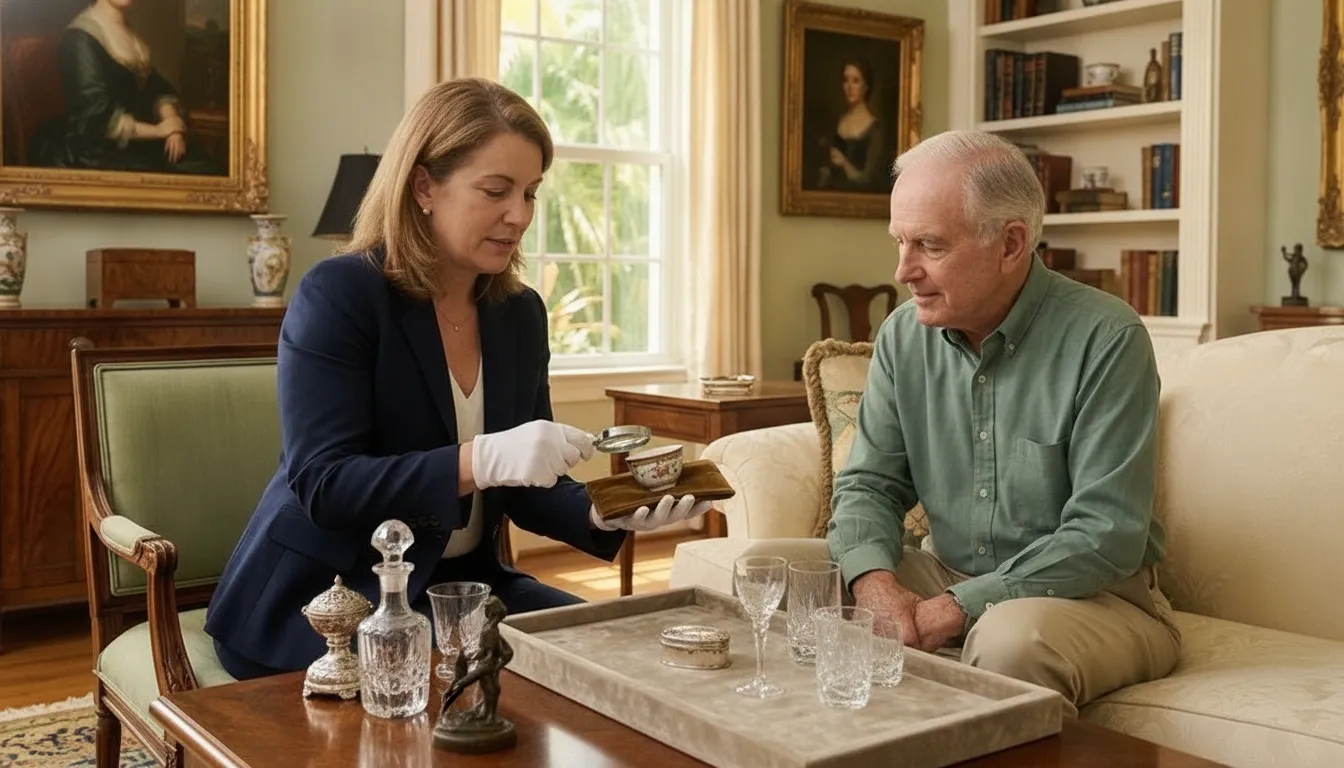
Who buys antiques near me? Antique dealers, auction houses, estate liquidators, private collectors, and online marketplaces all buy or help sell antiques. The best route depends on what you own, how much you need to sell, and whether you value speed, convenience, expert handling, or access to serious collectors.
Talk with Lion & Unicorn about selling your antiques and get a clear next step for your collection.
When you inherit a collection, downsize a home, or decide it is time to sell, the first question is often where to begin. If you are searching for who buys antiques near me, the best answer depends on what you own and how much you need to sell. It also depends on whether you value speed, convenience, expert handling, or access to serious collectors.
Antique dealers, auction houses, estate liquidation companies, private collectors, and online marketplaces all buy or help sell antiques. A dealer may purchase selected pieces directly, while an auction house can offer professional evaluation, cataloging, marketing, and access to competitive bidders. For a complete household or major transition, estate liquidation may be more practical than selling one item at a time.
Before accepting an offer, compare how each option evaluates condition and authenticity, handles transport, explains fees, and reaches potential buyers. This guide explains the main routes, what to ask, and how to prepare your items for a more informed conversation.
Who buys antiques near me?
Several types of buyers may be appropriate for antiques. The right fit is shaped by the category, condition, size, and market interest of your items. It also depends on whether you want a direct purchase, a consignment arrangement, or a managed sale that reaches a larger audience.
| Buyer or service. | Usually best for. | How the sale works. | What to clarify. |
|---|---|---|---|
| Antique dealer. | Individual pieces or focused collections. | May make a direct offer or accept selected items on consignment. | Specialty, condition assessment, offer basis, and resale terms. |
| Auction house. | Distinctive pieces, grouped lots, and collections. | Items are evaluated, cataloged, marketed, and offered to bidders. | Seller commission, timing, shipping, insurance, and payment schedule. |
| Estate liquidator. | Household contents connected to death, divorce, downsizing, or relocation. | Organizes a larger inventory for an orderly sale or multiple channels. | Scope of work, transport, sorting, fees, and unsold property. |
| Private collector. | Rare or highly specialized items. | Usually a direct purchase negotiated between seller and buyer. | Payment, records, shipping responsibility, and fair market evidence. |
| Online marketplace. | Common items that are easy to photograph and ship. | Seller creates a listing, communicates with buyers, and fulfills the sale. | Platform fees, fraud protection, packing, shipping, and returns. |
Antique dealers
A dealer can be a practical starting point when you have a manageable number of items and want a focused opinion. The strongest match is usually a dealer who regularly handles your category, whether that means porcelain, crystal, furniture, jewelry, paintings, coins, or another collectible area. A specialist may recognize a maker, period, or construction detail that a general buyer overlooks.
Dealers may buy outright, accept selected pieces on consignment, or refer items that do not fit their inventory. A direct purchase is usually simpler, but the offer reflects the dealer’s need to cover operating costs and resale risk. Ask whether the quote is a purchase offer or a consignment estimate. For more questions about expertise and written terms, see this guide to finding trusted antique dealers near you.
Auction houses
An auction house can make sense when your items are distinctive, valuable, specialized, or likely to attract more than one interested buyer. The auction team may evaluate the collection, group suitable objects into lots, photograph and catalog them, promote the sale, and manage bidding. Competitive bidding can expand market exposure beyond the closest local buyer.
The tradeoff is timing and structure. An auction usually involves a scheduled sale, a consignment agreement, marketing and handling, and payment after the auction. Read the terms carefully. Ask about the seller’s commission, any reserve or withdrawal rules, insurance, storage, shipping, buyer’s premium, and when proceeds will be paid. Learn more about how auction houses work before choosing this route.
Estate liquidation companies
Estate liquidators are designed for larger and more complicated transitions. They can be useful after a death, divorce, downsizing project, relocation, or home sale when the challenge involves an entire property rather than a single heirloom. The service may include sorting, staging, pricing, marketing, pickup, packing, transport, and coordination across several selling channels.
Convenience is valuable, but the scope and fees must be clear. Ask what the company will handle, which items it expects to sell, how it treats donations or unsold property, and whether transport and disposal are included. Heavy furniture, fragile porcelain, artwork, and several rooms of contents may require more planning than a seller can reasonably manage alone. Review questions to ask an estate liquidation company before signing an agreement.
Private collectors and online buyers
A private collector can be a good fit when you have a rare or highly specialized item and already know the relevant collecting community. The direct relationship may be efficient, but the audience is limited. One interested person does not necessarily establish fair market value. Keep a written record of the item, payment terms, pickup or shipping responsibility, and any representations about condition.
Online marketplaces provide control over the listing, price, photographs, communication, and timing. They can work for common pieces with clear descriptions and manageable shipping requirements. The seller, however, must manage buyer screening, packing, payment, delivery, returns, and disputes. A fast message is not the same as a strong offer, so compare the full workload and net proceeds before choosing convenience.
Which selling option fits your antiques?
The right buyer is determined by more than age. Consider the item’s maker, category, condition, completeness, provenance, size, and likely audience. Also consider the size of the collection and how much involvement you want in the sale.
Choose a dealer for a focused group
A dealer may be appropriate for a small number of recognizable pieces or a narrow collection. This route can be personal and straightforward, especially when the dealer has a strong specialty match. Ask how the dealer reached the offer, whether the offer is firm, and whether the dealer is purchasing or taking the item on consignment.
Choose an auction house for market exposure
An auction house may be a better fit for items that need specialist attention or could appeal to several types of collectors. Cataloging, photography, and marketing can help present the objects accurately. The process is less immediate than a direct purchase, but it may reach qualified bidders beyond your local area. Review the agreement and expected net proceeds rather than focusing only on the hammer price.
Choose estate liquidation for a complete transition
Estate liquidation is often the practical choice when a property must be cleared and the inventory includes a mix of valuable, useful, sentimental, and ordinary contents. A managed service can reduce the burden of sorting and coordinating removal. Make sure you understand which items are included, how valuable pieces are separated from general contents, and what happens after the sale.
Choose online selling for manageable items
Online selling can be reasonable when you have a few items, good photographs, accurate descriptions, and the ability to pack and ship safely. It is less suitable for fragile, oversized, highly valuable, or poorly documented pieces unless you already have the expertise and insurance to manage the risks.
How do you know what your antiques are worth?
There is rarely one fixed value for an antique. Condition, maker marks, provenance, completeness, rarity, current demand, and the chosen selling channel all affect the amount a buyer may offer. A documented history can add context, while chips, cracks, repairs, missing components, fading, or alterations may affect the assessment.
An asking price is not proof of market value. Online listings often show what a seller hopes to receive, not what a buyer has paid. Compare completed sales when possible, and use examples that match the maker, material, size, condition, and completeness of your item. Avoid treating a broad price guide or automated estimate as a formal appraisal.
Record identity, condition, and provenance
Before contacting a buyer, photograph the front, back, sides, underside, signatures, maker marks, labels, damage, and accessories. Note what you can verify about the item’s history. Keep receipts, prior appraisals, auction records, certificates, family notes, and exhibition information together. Separate documented facts from assumptions or family stories that still need confirmation.
Do not aggressively clean, polish, refinish, or repair an antique before receiving advice. An unsuitable treatment can remove an original surface or obscure evidence that helps an expert evaluate the item. Honest condition information is more useful than an item that has been altered to look newer.
When a professional appraisal is appropriate
A formal appraisal may be appropriate when you need a documented valuation for a defined purpose. Such as a serious sale, estate planning, insurance, tax matter, or equitable distribution. Ask what type of value is being assessed, what the report includes, and whether the appraisal is appropriate for your intended use. An appraisal is an opinion supported by research, not a promise that an item will sell for that amount.
Lion & Unicorn describes USPAP-compliant appraisal services as one way to establish market value before deciding whether to sell privately, consign, or use an auction. Explore the company’s professional antique appraisal services when you need a more informed starting point.
What should you do before contacting a buyer?
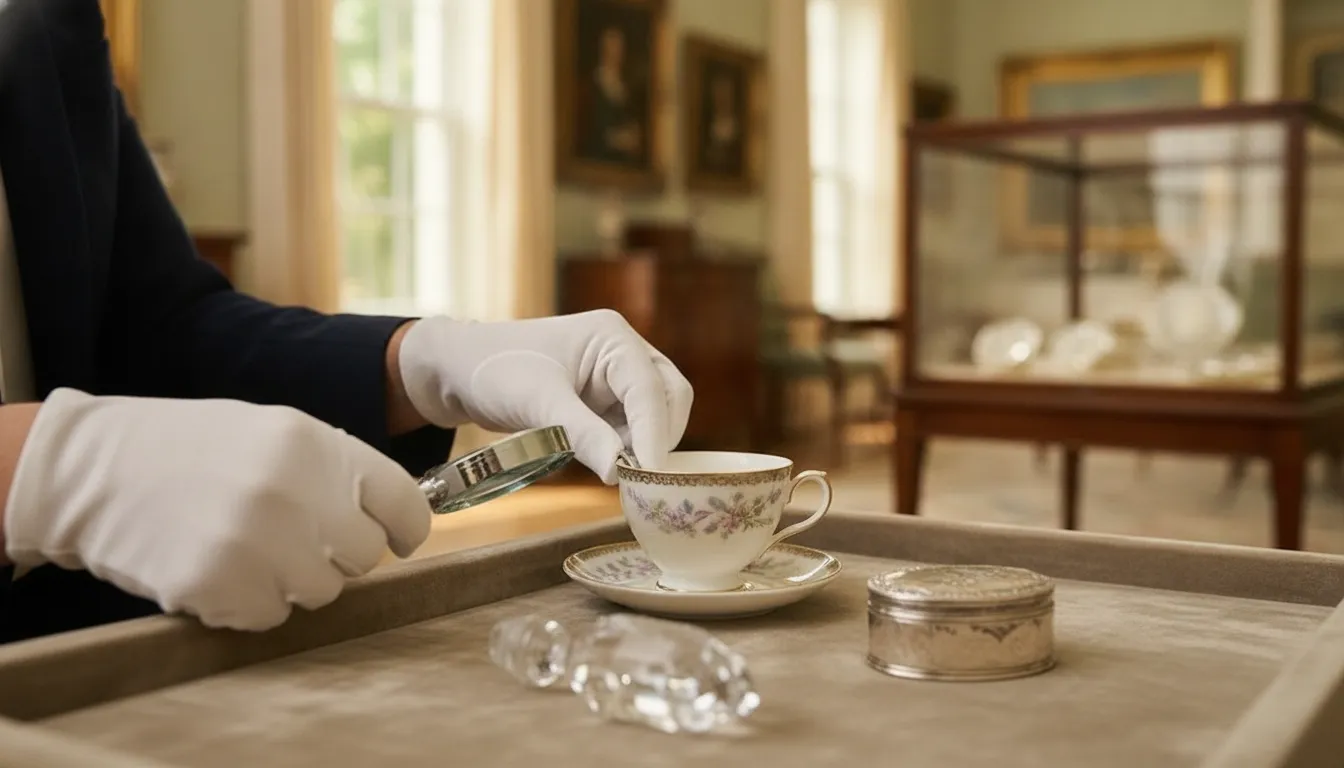
A buyer can make a better initial assessment when the collection’s story is organized. Preparation does not mean deciding what everything is worth. It means providing enough information to understand the scope, condition, history, location, and practical requirements of the items.
- Group related items. Keep matching sets together, including lids, stands, boxes, and accessories. Group porcelain, crystal, silver, furniture, art, jewelry, coins, and other categories separately so a specialist can see the collection clearly.
- Take safe photographs. Use even light and photograph multiple angles, marks, damage, repairs, and included parts. Do not stack fragile objects or move heavy furniture without help.
- Gather documentation. Collect receipts, prior appraisals, auction records, certificates, and family history. Record names, dates, and locations when you know them, but do not present an unverified story as proof.
- Describe condition honestly. Note chips, cracks, stains, missing parts, replaced hardware, fading, and repairs. Avoid cleaning or restoring pieces until an expert has advised you.
- Build a basic inventory. List the description, quantity, approximate dimensions, location, condition, and photo reference. Mark fragile, heavy, restricted-access, or especially important pieces.
- Plan access and transport. Note stairs, elevators, narrow doorways, parking limitations, building rules, loading restrictions, and your preferred timeline. Ask who will pack, insure, pick up, and transport the property.
When you contact someone who buys antiques near me, send a concise overview with representative photographs, the inventory, known documentation, condition notes, and the location. Keep the original records, and be transparent about what remains uncertain. A prepared submission supports a useful conversation without forcing you to make an unsupported price estimate.
How can you choose a trustworthy antique buyer?
The closest buyer is not automatically the best buyer. Look for clear communication, relevant expertise, a documented business presence, and written terms. A trustworthy buyer should explain how the item will be evaluated, where it may be sold, what you will pay, and what happens if it does not sell.
Check expertise and independence
Ask what categories the buyer regularly handles and who performs the evaluation. If a formal appraisal is offered, ask whether the appraiser is independent of the purchase decision and whether the report is appropriate for your purpose. An appraisal and an offer are not the same thing. The buyer should explain that distinction plainly.
Get important terms in writing
Before releasing property, request an agreement that identifies the items, selling method, expected timeline, and responsibilities. For consignment, confirm when ownership transfers, how reserves work, how unsold items are handled, and when payment is expected. Ask who is responsible for cataloging, photography, marketing, insurance, packing, and return transport.
Understand commissions and premiums
Ask for an example showing how a sale price becomes your expected net proceeds. Confirm the seller’s commission, buyer’s premium where applicable, storage, transportation, insurance, photography, and administrative charges. A reputable auction house should explain these terms before you commit, not after the sale.
Watch for pressure or vague promises
Be cautious when someone pressures you to decide immediately, refuses to identify the selling method. Gives no written terms, or promises an unusually high result without examining the item. You can ask for time to review the agreement and compare another qualified opinion. A careful process protects both the collection and the seller.
Discuss your antiques with Lion & Unicorn before choosing a buyer and get help comparing the next steps.
Frequently Asked Questions About Selling Antiques
Who buys antiques near me if I have a whole house to clear?
For a whole house, an estate liquidation company or full-service auction house may be more practical than contacting individual dealers. Ask whether the service evaluates the complete inventory, separates specialist items, coordinates packing and transport, and explains how unsold property is handled. The best choice depends on the contents, location, timeline, and terms.
Should I sell antiques directly or use an auction?
A direct sale may be faster and simpler for selected pieces. An auction may provide broader exposure and competitive bidding for distinctive or specialized items. Compare the expected timeline, commissions, marketing plan, shipping arrangements, and estimated net proceeds. Do not compare only the initial offer or advertised hammer price.
Should I get an appraisal before selling inherited antiques?
An appraisal can be useful when an estate includes valuable, unusual, disputed, or poorly documented items. Ask what type of value the report provides and whether it fits your purpose. A professional assessment can help you compare offers, but it does not guarantee a specific sale price.
What fees should I ask about before consigning antiques?
Ask about seller commission, buyer’s premium, transportation, handling, storage, insurance, photography, reserves, withdrawal rules, and payment timing. Request a written example of expected net proceeds and confirm who is responsible for unsold property. Keep the agreement with your inventory and condition records.
How should I prepare antiques for a buyer’s evaluation?
Make a basic inventory, photograph each item from several angles, record marks and provenance, and note visible damage or repairs. Do not aggressively clean or restore an item before receiving advice. For heavy or fragile pieces, ask who will manage packing, pickup, insurance, and transport.
Start a conversation about selling your antiques with Lion & Unicorn when you are ready to compare your options.
Who Buys Antiques Near Me? Selling Options Explained
Who buys antiques near me? Antique dealers, auction houses, estate liquidators, private collectors, and online marketplaces all buy or help sell antiques. The best route depends on what you own, how much you need to sell, and whether you value speed, convenience, expert handling, or access to serious collectors.
Talk with Lion & Unicorn about selling your antiques and get a clear next step for your collection.
When you inherit a collection, downsize a home, or decide it is time to sell, the first question is often where to begin. If you are searching for who buys antiques near me, the best answer depends on what you own and how much you need to sell. It also depends on whether you value speed, convenience, expert handling, or access to serious collectors.
Antique dealers, auction houses, estate liquidation companies, private collectors, and online marketplaces all buy or help sell antiques. A dealer may purchase selected pieces directly, while an auction house can offer professional evaluation, cataloging, marketing, and access to competitive bidders. For a complete household or major transition, estate liquidation may be more practical than selling one item at a time.
Before accepting an offer, compare how each option evaluates condition and authenticity, handles transport, explains fees, and reaches potential buyers. This guide explains the main routes, what to ask, and how to prepare your items for a more informed conversation.
Who buys antiques near me?
Several types of buyers may be appropriate for antiques. The right fit is shaped by the category, condition, size, and market interest of your items. It also depends on whether you want a direct purchase, a consignment arrangement, or a managed sale that reaches a larger audience.
| Buyer or service. | Usually best for. | How the sale works. | What to clarify. |
|---|---|---|---|
| Antique dealer. | Individual pieces or focused collections. | May make a direct offer or accept selected items on consignment. | Specialty, condition assessment, offer basis, and resale terms. |
| Auction house. | Distinctive pieces, grouped lots, and collections. | Items are evaluated, cataloged, marketed, and offered to bidders. | Seller commission, timing, shipping, insurance, and payment schedule. |
| Estate liquidator. | Household contents connected to death, divorce, downsizing, or relocation. | Organizes a larger inventory for an orderly sale or multiple channels. | Scope of work, transport, sorting, fees, and unsold property. |
| Private collector. | Rare or highly specialized items. | Usually a direct purchase negotiated between seller and buyer. | Payment, records, shipping responsibility, and fair market evidence. |
| Online marketplace. | Common items that are easy to photograph and ship. | Seller creates a listing, communicates with buyers, and fulfills the sale. | Platform fees, fraud protection, packing, shipping, and returns. |
Antique dealers
A dealer can be a practical starting point when you have a manageable number of items and want a focused opinion. The strongest match is usually a dealer who regularly handles your category, whether that means porcelain, crystal, furniture, jewelry, paintings, coins, or another collectible area. A specialist may recognize a maker, period, or construction detail that a general buyer overlooks.
Dealers may buy outright, accept selected pieces on consignment, or refer items that do not fit their inventory. A direct purchase is usually simpler, but the offer reflects the dealer’s need to cover operating costs and resale risk. Ask whether the quote is a purchase offer or a consignment estimate. For more questions about expertise and written terms, see this guide to finding trusted antique dealers near you.
Auction houses
An auction house can make sense when your items are distinctive, valuable, specialized, or likely to attract more than one interested buyer. The auction team may evaluate the collection, group suitable objects into lots, photograph and catalog them, promote the sale, and manage bidding. Competitive bidding can expand market exposure beyond the closest local buyer.
The tradeoff is timing and structure. An auction usually involves a scheduled sale, a consignment agreement, marketing and handling, and payment after the auction. Read the terms carefully. Ask about the seller’s commission, any reserve or withdrawal rules, insurance, storage, shipping, buyer’s premium, and when proceeds will be paid. Learn more about how auction houses work before choosing this route.
Estate liquidation companies
Estate liquidators are designed for larger and more complicated transitions. They can be useful after a death, divorce, downsizing project, relocation, or home sale when the challenge involves an entire property rather than a single heirloom. The service may include sorting, staging, pricing, marketing, pickup, packing, transport, and coordination across several selling channels.
Convenience is valuable, but the scope and fees must be clear. Ask what the company will handle, which items it expects to sell, how it treats donations or unsold property, and whether transport and disposal are included. Heavy furniture, fragile porcelain, artwork, and several rooms of contents may require more planning than a seller can reasonably manage alone. Review questions to ask an estate liquidation company before signing an agreement.
Private collectors and online buyers
A private collector can be a good fit when you have a rare or highly specialized item and already know the relevant collecting community. The direct relationship may be efficient, but the audience is limited. One interested person does not necessarily establish fair market value. Keep a written record of the item, payment terms, pickup or shipping responsibility, and any representations about condition.
Online marketplaces provide control over the listing, price, photographs, communication, and timing. They can work for common pieces with clear descriptions and manageable shipping requirements. The seller, however, must manage buyer screening, packing, payment, delivery, returns, and disputes. A fast message is not the same as a strong offer, so compare the full workload and net proceeds before choosing convenience.
Which selling option fits your antiques?
The right buyer is determined by more than age. Consider the item’s maker, category, condition, completeness, provenance, size, and likely audience. Also consider the size of the collection and how much involvement you want in the sale.
Choose a dealer for a focused group
A dealer may be appropriate for a small number of recognizable pieces or a narrow collection. This route can be personal and straightforward, especially when the dealer has a strong specialty match. Ask how the dealer reached the offer, whether the offer is firm, and whether the dealer is purchasing or taking the item on consignment.
Choose an auction house for market exposure
An auction house may be a better fit for items that need specialist attention or could appeal to several types of collectors. Cataloging, photography, and marketing can help present the objects accurately. The process is less immediate than a direct purchase, but it may reach qualified bidders beyond your local area. Review the agreement and expected net proceeds rather than focusing only on the hammer price.
Choose estate liquidation for a complete transition
Estate liquidation is often the practical choice when a property must be cleared and the inventory includes a mix of valuable, useful, sentimental, and ordinary contents. A managed service can reduce the burden of sorting and coordinating removal. Make sure you understand which items are included, how valuable pieces are separated from general contents, and what happens after the sale.
Choose online selling for manageable items
Online selling can be reasonable when you have a few items, good photographs, accurate descriptions, and the ability to pack and ship safely. It is less suitable for fragile, oversized, highly valuable, or poorly documented pieces unless you already have the expertise and insurance to manage the risks.
How do you know what your antiques are worth?
There is rarely one fixed value for an antique. Condition, maker marks, provenance, completeness, rarity, current demand, and the chosen selling channel all affect the amount a buyer may offer. A documented history can add context, while chips, cracks, repairs, missing components, fading, or alterations may affect the assessment.
An asking price is not proof of market value. Online listings often show what a seller hopes to receive, not what a buyer has paid. Compare completed sales when possible, and use examples that match the maker, material, size, condition, and completeness of your item. Avoid treating a broad price guide or automated estimate as a formal appraisal.
Record identity, condition, and provenance
Before contacting a buyer, photograph the front, back, sides, underside, signatures, maker marks, labels, damage, and accessories. Note what you can verify about the item’s history. Keep receipts, prior appraisals, auction records, certificates, family notes, and exhibition information together. Separate documented facts from assumptions or family stories that still need confirmation.
Do not aggressively clean, polish, refinish, or repair an antique before receiving advice. An unsuitable treatment can remove an original surface or obscure evidence that helps an expert evaluate the item. Honest condition information is more useful than an item that has been altered to look newer.
When a professional appraisal is appropriate
A formal appraisal may be appropriate when you need a documented valuation for a defined purpose. Such as a serious sale, estate planning, insurance, tax matter, or equitable distribution. Ask what type of value is being assessed, what the report includes, and whether the appraisal is appropriate for your intended use. An appraisal is an opinion supported by research, not a promise that an item will sell for that amount.
Lion & Unicorn describes USPAP-compliant appraisal services as one way to establish market value before deciding whether to sell privately, consign, or use an auction. Explore the company’s professional antique appraisal services when you need a more informed starting point.
What should you do before contacting a buyer?
A buyer can make a better initial assessment when the collection’s story is organized. Preparation does not mean deciding what everything is worth. It means providing enough information to understand the scope, condition, history, location, and practical requirements of the items.
- Group related items. Keep matching sets together, including lids, stands, boxes, and accessories. Group porcelain, crystal, silver, furniture, art, jewelry, coins, and other categories separately so a specialist can see the collection clearly.
- Take safe photographs. Use even light and photograph multiple angles, marks, damage, repairs, and included parts. Do not stack fragile objects or move heavy furniture without help.
- Gather documentation. Collect receipts, prior appraisals, auction records, certificates, and family history. Record names, dates, and locations when you know them, but do not present an unverified story as proof.
- Describe condition honestly. Note chips, cracks, stains, missing parts, replaced hardware, fading, and repairs. Avoid cleaning or restoring pieces until an expert has advised you.
- Build a basic inventory. List the description, quantity, approximate dimensions, location, condition, and photo reference. Mark fragile, heavy, restricted-access, or especially important pieces.
- Plan access and transport. Note stairs, elevators, narrow doorways, parking limitations, building rules, loading restrictions, and your preferred timeline. Ask who will pack, insure, pick up, and transport the property.
When you contact someone who buys antiques near me, send a concise overview with representative photographs, the inventory, known documentation, condition notes, and the location. Keep the original records, and be transparent about what remains uncertain. A prepared submission supports a useful conversation without forcing you to make an unsupported price estimate.
How can you choose a trustworthy antique buyer?
The closest buyer is not automatically the best buyer. Look for clear communication, relevant expertise, a documented business presence, and written terms. A trustworthy buyer should explain how the item will be evaluated, where it may be sold, what you will pay, and what happens if it does not sell.
Check expertise and independence
Ask what categories the buyer regularly handles and who performs the evaluation. If a formal appraisal is offered, ask whether the appraiser is independent of the purchase decision and whether the report is appropriate for your purpose. An appraisal and an offer are not the same thing. The buyer should explain that distinction plainly.
Get important terms in writing
Before releasing property, request an agreement that identifies the items, selling method, expected timeline, and responsibilities. For consignment, confirm when ownership transfers, how reserves work, how unsold items are handled, and when payment is expected. Ask who is responsible for cataloging, photography, marketing, insurance, packing, and return transport.
Understand commissions and premiums
Ask for an example showing how a sale price becomes your expected net proceeds. Confirm the seller’s commission, buyer’s premium where applicable, storage, transportation, insurance, photography, and administrative charges. A reputable auction house should explain these terms before you commit, not after the sale.
Watch for pressure or vague promises
Be cautious when someone pressures you to decide immediately, refuses to identify the selling method. Gives no written terms, or promises an unusually high result without examining the item. You can ask for time to review the agreement and compare another qualified opinion. A careful process protects both the collection and the seller.
Discuss your antiques with Lion & Unicorn before choosing a buyer and get help comparing the next steps.
Frequently Asked Questions About Selling Antiques
Who buys antiques near me if I have a whole house to clear?
For a whole house, an estate liquidation company or full-service auction house may be more practical than contacting individual dealers. Ask whether the service evaluates the complete inventory, separates specialist items, coordinates packing and transport, and explains how unsold property is handled. The best choice depends on the contents, location, timeline, and terms.
Should I sell antiques directly or use an auction?
A direct sale may be faster and simpler for selected pieces. An auction may provide broader exposure and competitive bidding for distinctive or specialized items. Compare the expected timeline, commissions, marketing plan, shipping arrangements, and estimated net proceeds. Do not compare only the initial offer or advertised hammer price.
Should I get an appraisal before selling inherited antiques?
An appraisal can be useful when an estate includes valuable, unusual, disputed, or poorly documented items. Ask what type of value the report provides and whether it fits your purpose. A professional assessment can help you compare offers, but it does not guarantee a specific sale price.
What fees should I ask about before consigning antiques?
Ask about seller commission, buyer’s premium, transportation, handling, storage, insurance, photography, reserves, withdrawal rules, and payment timing. Request a written example of expected net proceeds and confirm who is responsible for unsold property. Keep the agreement with your inventory and condition records.
How should I prepare antiques for a buyer’s evaluation?
Make a basic inventory, photograph each item from several angles, record marks and provenance, and note visible damage or repairs. Do not aggressively clean or restore an item before receiving advice. For heavy or fragile pieces, ask who will manage packing, pickup, insurance, and transport.
Start a conversation about selling your antiques with Lion & Unicorn when you are ready to compare your options.
Free Consultation
Ready to Sell Your Estate or Collection?
Lion & Unicorn's expert team offers free appraisals and nationwide pickup service.
Over 30 years of experience — Florida's most trusted auction house.