


Who Buys Sports Memorabilia Near Me? A Seller’s Guide
Free Consultation
Ready to Sell Your Estate or Collection?
Lion & Unicorn's expert team offers free appraisals and nationwide pickup service.
Over 30 years of experience — Florida's most trusted auction house.
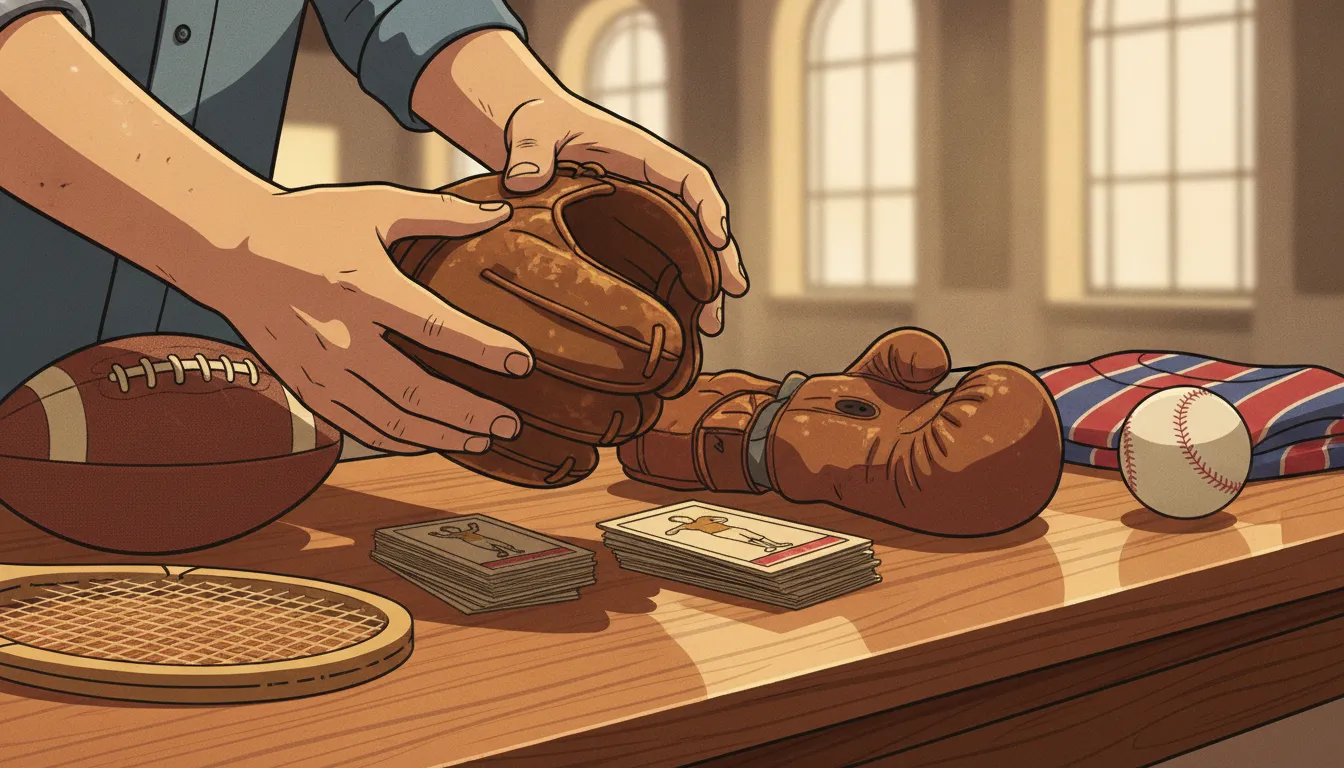
Sports memorabilia can carry personal meaning and meaningful market value, but finding the right buyer takes more than choosing the closest search result. A signed jersey, vintage card, championship ring, or game-used item may suit a specialty dealer, auction house, consignment arrangement, or broader estate process. The right path depends on condition, documentation, and your timeline.
When researching who buys sports memorabilia near me, compare the buyer’s relevant category experience, appraisal or review process, location, appointment requirements, handling procedures, and written terms. A local buyer is not automatically a qualified buyer, and an appraisal is an opinion of value, not necessarily an offer or final sale price.
Start by identifying what kind of transaction you actually need. The best path may be a direct purchase for convenience or a specialist review for unusual material. A professionally managed auction may help when broader bidder access and documented presentation matter.
Discuss your collection with Lion & Unicorn to explore appraisal, auction, consignment, or estate-liquidation options.
Who buys sports memorabilia near me? Start with the buyer type
A local search can lead to several different kinds of businesses, and each one may handle a collection differently. A specialty memorabilia dealer may focus on signed jerseys, trading cards, game-used equipment, trophies, rings, or other sports collectibles. A pawn shop or direct buyer may offer a faster evaluation and a possible purchase, but its process and category experience can vary. Coin and jewelry buyers sometimes accept broader collectible categories, especially when they already work with estates, precious metals, or other valuables.
Auction houses are another route. Rather than buying every item outright, an auction house may evaluate the collection, recommend consignment, and present suitable pieces to a larger group of bidders. This can be useful when the collection includes items with uncertain demand or when you want a documented selling process. It is different from an appraisal, which is an opinion of value for a stated purpose, not automatically an offer or guaranteed sale price.
What to check before choosing a nearby buyer
Proximity is convenient, but a nearby result is not automatically a qualified buyer. Before carrying a collection to an address, ask how the business handles your category and whether the evaluation is scheduled, documented, and based on the individual items. A practical first screen includes:
- Relevant experience: Can the business explain how it reviews autographs, cards, game-used material, team context, condition, and provenance?
- A clear route to sale: Is the proposal an outright purchase, consignment, auction, or something else?
- Written terms: Will you receive the fees, commissions, custody details, and payment timing in writing?
- Secure handling: Who is responsible for packing, transport, storage, and insurance while the items are in its care?
For South Florida sellers, the right conversation may involve more than a single item. Heirs, executors, downsizers, and collectors may need help separating sports memorabilia from a larger household or estate collection. In that situation, look for a professional with a clear intake process and the ability to discuss several selling pathways without pressuring you into an immediate decision. Gather photos, signatures, certificates, purchase records, and any family history before the appointment. Good documentation helps the buyer understand what you have and helps you compare options on more than location alone.
Which selling option fits your sports memorabilia?
The best route depends on what you value most: a quick decision. Access to a broad collector audience, control over the asking process, or help with a larger household collection. A signed jersey, vintage card group, game-used equipment, and an inherited estate may all call for different treatment. Before searching for who buys sports memorabilia near me, decide whether you want an outright sale, professional marketing, or a complete liquidation plan.
| Option | How it works | Best fit | Tradeoffs to consider |
|---|---|---|---|
| Direct purchase | A buyer evaluates the items and makes an offer for selected property. | Sellers who prioritize speed, simplicity, and a defined transaction. | You have less control over the selling audience and should distinguish an offer from an independent appraisal. |
| Specialty dealer | A dealer reviews relevant pieces and may purchase or place them with collectors through an established network. | Individual items or focused groups with clear collector appeal. | The audience may be narrower, and the dealer’s interests and terms should be explained in writing. |
| Auction | Items are cataloged, marketed to bidders, and sold during a scheduled live or online sale. | Material that may benefit from competition and broad collector exposure. | Timing is set by the sale calendar. Ask about seller commission, other charges, settlement timing, and how condition is documented. |
| Consignment | A professional retains the items for sale and pays the owner after the agreed transaction, less documented fees. | Sellers who want expert handling and audience access without an immediate outright sale. | Payment depends on a completed sale. Confirm the term, reserve or pricing process, insurance, custody, and unsold-item procedure. |
| Estate liquidation | A specialist inventories and coordinates the sale of a broader collection or household, using the appropriate route for different items. | Heirs, executors, downsizers, or families facing a move and needing logistics as well as valuation. | This is a larger project than selling one collectible. Confirm scope, packing, transport, documentation, and how proceeds are reported. |
Lion & Unicorn offers live and online auctions, certified appraisals, consignment, and estate liquidation. That makes a conversation useful when a collection includes both sports memorabilia and other art, antiques, or collectibles. The appropriate route may also vary within one collection: a few standout pieces could be auctioned while lower-demand material is handled through another plan.
If you are comparing a local auction house with a dealer or direct buyer, compare local auction houses by asking about relevant evaluation, written terms, secure custody, marketing, and pickup. A local address alone does not establish that a buyer is equipped to handle your collection carefully.
How can you tell whether memorabilia is valuable and authentic?
Begin with a careful inventory before contacting anyone who buys sports memorabilia near me. Record the sport, team, player, item type, manufacturer, edition or production details, and approximate date. Photograph each piece from several angles, including signatures, labels, serial numbers, inscriptions, damage, framing, and storage materials. A signed baseball, trading card, jersey, trophy, ring, or piece of game-used equipment may need a different review process, so avoid grouping everything together under one assumed value.
Separate a signature from its supporting evidence
An autograph is only one part of the story. Note where and when it was obtained, who owned it, and whether you have receipts, event records, correspondence, photographs, a certificate of authenticity, or a grading record. A certificate can be useful, but it should still be evaluated alongside the issuing organization, item details, and chain of custody. The U.S. Postal Inspection Service warns that forged signatures have appeared on cards, photographs, and baseballs, and recommends researching sellers and authenticity claims before relying on them. You can review its consumer guidance on sports memorabilia fraud risks.
Provenance, game-used claims, and condition affect the result
Provenance is the documented history of ownership. For a purported game-used jersey, bat, ball, or other equipment, the history should support the claim rather than simply repeat a seller’s description. Ordinary merchandise can be misrepresented as game-worn, so ask what evidence connects the item to a particular player, team, season, or event. Condition matters too. Cracks, fading, stains, trimmed cards, replaced parts, restoration, loose stitching, and poor storage may change both desirability and the practical selling route. Keep original packaging and do not clean, polish, reframe, or repair an item before it has been examined.
Comparable auction results may help establish context, but an online asking price is not the same as a completed sale. A professional appraisal is an opinion of value for a stated purpose. It is not automatically an offer, an auction estimate, or the final amount an item will realize. An outright buyer may present an offer after inspection. An auction estimate forecasts a possible range, while the final sale result depends on bidding, catalog presentation, condition, provenance, and buyer demand. If you need a documented valuation for an estate, insurance, or selling decision, get a professional appraisal. If you need help assessing qualifications and documentation, find a certified appraiser, while confirming that the professional’s expertise matches sports memorabilia rather than assuming antique credentials cover sports authentication.
What should South Florida sellers expect from a professional buyer?
A professional evaluation should begin with a conversation about the collection, your goals, and the practical circumstances behind the sale. You may be a collector reducing an accumulation, an heir handling an inherited group, or an executor working against a property deadline. A reputable firm should explain whether an outright purchase, consignment, auction, or broader estate-liquidation plan is the most appropriate route. An appraisal is an opinion of value for a stated purpose. It is not automatically an offer, a promise to buy, or a final sale price.
For South Florida sellers, Lion & Unicorn operates from its main gallery and production studio in Hollywood, with service coverage that includes Miami, Palm Beach, Orlando, and Naples. The company has operated for more than 30 years in the art, antiques, and collectibles market. That background can be useful when a sports-related collection includes materials that overlap with other collectible categories, such as artwork, trophies, jewelry, decorative objects, or vintage furnishings. Sports memorabilia should still be discussed item by item rather than treated as a guaranteed specialty or purchase program.
Expect documentation before a recommendation
A careful professional will want to see the inventory, not just hear a general description. Gather names, dates, signatures, certificates, team or player context, photographs, receipts, and any known provenance. Condition matters, too. Note fading, creases, water damage, repairs, odors, frame wear, or storage issues. Do not clean, reframe, or alter valuable items before they have been reviewed. Those changes can remove useful evidence and may affect how the material is assessed.
Ask what will be documented and when. For an auction or consignment, that may include an inventory, lot details, photographs, descriptions, provenance notes, and condition reporting. Request written terms that explain custody, fees, insurance, transport, timing, and how proceeds are calculated. Buyer premiums and seller charges are separate concepts, so make sure you understand which costs apply to your agreement and which are paid by the winning bidder.
Plan for careful handling and regional logistics
Handling is part of the service, particularly when a collection contains framed pieces, fragile objects, or many individual items. Lion & Unicorn’s documented estate services include inventory documentation, professional packing, transport, and insurance during transport. For sellers outside South Florida, coordinated nationwide logistics may be available, but the arrangements should be confirmed for the collection and location rather than assumed.
If you are comparing sell collectibles through auction options, ask how the firm will receive the items, protect them in transit, present them to potential buyers, and report the result. A clear process will not guarantee a particular outcome, but it should leave you knowing what happens next and who is responsible at each stage.
How does selling sports memorabilia through an auction work?
An auction gives a collection a structured path from review to public sale. Instead of accepting an immediate offer, you work with the auction house to determine whether the material is suitable. Document it carefully, present it to bidders, and account for the final proceeds. That process can be useful when you want informed market exposure and a clear record of how each item was handled.
- Start with an intake review. Gather the items in one place and provide any information you have about their history. Mention known signatures, team or player associations, game use, certificates, purchase records, and storage conditions. An auction professional may review photographs first, then arrange an appointment or inspection. This initial conversation helps determine whether individual pieces, a group of related items, or a broader collection is the most sensible route.
- Choose the valuation route. The reviewer considers condition, provenance, rarity, demand, and the quality of supporting documentation. An appraisal is an opinion of value for a stated purpose. It is not automatically an offer or a guaranteed sale price. Ask whether the recommendation is for auction, consignment, or another arrangement, and make sure you understand what the proposed route means for timing and net proceeds.
- Prepare the lots. Items accepted for auction are organized into lots and assigned lot numbers. Professional cataloging may include multiple-angle photos, a detailed description, provenance information, and condition reporting. These details give prospective bidders a more reliable basis for deciding what to pursue. Do not clean, repair, reframe, or remove signatures from memorabilia before review. An apparently minor alteration can affect condition or the evidence attached to an item.
- Market the collection. The auction house publishes the catalog and promotes the sale through its available channels. Relevant details can include maker or athlete attribution when supported, item type, dimensions, condition, provenance, and any authentication documentation supplied by the seller. Review the descriptions and photographs promptly. Corrections are easier before bidding opens than after a lot has received attention.
- Let bidders participate. Depending on the sale, bidding may take place in person, online, by phone, or through absentee bidding. Online listings may appear on the auction house’s own platform and partner marketplaces. If you are learning the process, learn how live and online auction bidding works from the buyer’s perspective. The winning bid becomes the hammer price, subject to the sale’s published terms.
- Review the fee language. A buyer’s premium is paid by the winning bidder in addition to the hammer price. The stated buyer’s premium is 30 percent of the hammer price. That is not the seller’s commission. Your agreement should separately explain any seller commission, expenses, reserves, insurance, and the calculation of net proceeds. Read the written conditions before authorizing the sale.
- Complete settlement and collection logistics. After the sale, the auction house reconciles sold lots, bidder payments, applicable deductions, and the amount due to the seller. Ask when settlement statements and proceeds are supplied. Confirm who handles pickup, packing, transport, and insurance during transport, especially for an inherited collection or a seller outside South Florida. If an auction is not the right fit, you can compare your selling options before committing.
A careful auction process does not guarantee a particular result, but it gives you documented terms. Informed exposure, and a defensible record of how the collection reached the market.
Questions to ask before you hand over a collection
Once you have identified a potential buyer, dealer, or auction house, slow down before moving the collection. A professional conversation should leave you with a clear understanding of the process, the documents involved, and who is responsible for each step. If the answers are vague or pressure is used to make you decide immediately, treat that as a warning sign.
Get the terms and fees in writing
Ask which route is being recommended: an outright purchase, consignment, auction, or estate liquidation. Those options have different timelines and financial arrangements. Request written terms that explain any seller commission, administrative charge, shipping expense, insurance responsibility, or other deduction. If an auction is involved, ask how the hammer price, buyer’s premium, seller proceeds, and final payment relate to one another. Do not assume an appraisal is an offer, or that an estimated value is the amount you will receive.
Confirm custody, condition, and transport
Before the collection leaves your possession, ask how each item will be inventoried and how its condition will be recorded. For signed pieces, cards, jerseys, equipment, trophies, or other memorabilia, the record should identify the item clearly and note relevant signatures, certificates, provenance, damage, repairs, and storage concerns. Ask who may handle the collection, where it will be stored, and when custody formally transfers.
Clarify whether pickup, packing, transport, and insurance are included or arranged separately. A responsible professional should be able to explain how items are protected during movement and what happens if an item is lost or damaged. Keep your own photographs, receipts, correspondence, and copies of every signed document.
Ask about timing, payment, and red flags
Ask when the valuation or review will be completed, when the collection could be marketed or sold, and when proceeds are expected to be paid. Confirm the payment method and what event triggers settlement. You can also read what to ask an auction house before an initial consultation.
Be cautious if a provider will not explain fees, refuses to document receipt of the collection. Discourages questions, makes unsupported guarantees, or asks you to surrender original certificates without a written record. A careful process should make it easier, not harder, to understand what you own and what will happen next.
Talk with Lion & Unicorn about your selling options before choosing a buyer, dealer, or auction route.
Frequently Asked Questions
Who buys sports memorabilia for cash?
Specialty dealers, auction houses, pawn shops, and some private collectors may consider sports memorabilia for an outright purchase. Ask whether the buyer evaluates the specific item type, reviews condition and provenance, and provides written terms. A cash offer can be convenient, but compare it with consignment or auction if broader exposure may better suit the collection.
Where can I sell sports memorabilia?
You can approach a reputable specialty dealer, local auction house, online auction platform, or full-service estate liquidation company. The right route depends on the collection’s contents, your timeline, and how much help you need with valuation, cataloging, packing, and transport. Local sellers in South Florida may also work with a firm that coordinates logistics beyond the immediate area.
What is the best way to sell your sports memorabilia?
There is no single best method for every collection. An outright sale may be straightforward, while consignment or auction can expose items to more prospective buyers but may involve a longer process and seller terms. Review the proposed fees, timeline, marketing plan, custody arrangements, and expected net proceeds before choosing.
How do I find out how much my memorabilia is worth?
Begin with an itemized inventory that records signatures, certificates, provenance, condition, team or player context, edition details, and storage history. A qualified appraiser can provide an opinion of value for a stated purpose. Remember that an appraisal is not automatically an offer or a guaranteed sale price.
Ready to discuss your sports memorabilia collection?
A thoughtful review can help you understand which selling path best fits the items, your timeline, and your goals. Lion & Unicorn can discuss appraisal, auction, consignment, or estate-liquidation options without assuming that one route works for every collection.
Call (954) 866-8044 to discuss your collection with the Lion & Unicorn team.
Free Consultation
Ready to Sell Your Estate or Collection?
Lion & Unicorn's expert team offers free appraisals and nationwide pickup service.
Over 30 years of experience — Florida's most trusted auction house.