


Antique Firearms & Military Memorabilia Value Guide
Free Consultation
Ready to Sell Your Estate or Collection?
Lion & Unicorn's expert team offers free appraisals and nationwide pickup service.
Over 30 years of experience — Florida's most trusted auction house.
A rusty Civil War musket tucked away in an attic might be worth a small fortune. Finding the actual market value of these heirloom pieces protects you from selling a rare treasure for a fraction of its worth.
An antique firearms value guide helps you find the true worth of historic guns. You must check their make, model, age, and condition. According to research from the Library of Congress, the primary drivers of gun values are rarity, artistic appeal, condition, and documented history. True antique guns are generally defined as those made before January 1, 1899. Other military memorabilia like swords and medals gain value based on combat use and proof marks. Our team at Lion and Unicorn helps you check these factors so you do not sell your family items for too little. By using a trusted pricing guide, you can confidently identify rare pieces and prepare them for auction.
But how do you know if your specific item meets the legal and historical standards of an antique? Before you can begin to price your items, you must learn What Counts as an Antique Firearm or Military Collectible? The path begins with
What Counts as an Antique Firearm or Military Collectible?
To qualify as an antique firearm, the weapon must have been manufactured before January 1, 1899, under United States federal law. Antique military collectibles, such as swords, uniforms, and medals, are valued based on historical rarity, combat use, and documented provenance, distinguishing them from modern black powder replicas.
Federal Law and the Pre-1899 Cutoff
Under federal law, the age of a gun is the key detail. According to a Library of Congress research guide, guns are mostly grouped as antiques if they were made before January 1, 1899. These older weapons do not face the same sales laws as modern guns. This makes them much easier to sell, but you must prove the date of build first.
Many people find old guns in an attic or a closet. They often do not know if the gun was made in 1898 or 1901. A small gap in years can make a huge shift in price. Knowing the exact year is why you may need professional estate appraisal services to check your items.
Identifying Military Memorabilia
Military memorabilia includes many old items from past wars. You may find swords, medals, uniforms, or war documents. Unlike guns, these items do not have a single federal cutoff date. Instead, their worth comes from their ties to the past and how rare they are.
For example, a sword from the Civil War is worth more than a standard dress uniform. Buyers look for pieces that tell a story. If an item has the owner’s name or unit carved into it, the price goes up. Proof of who carried the item into battle can turn a common piece into a prize.
Spotting Modern Reproductions
Not every old looking gun is a true antique. Many companies make copies of old black powder guns with other production methods. To spot a copy, look for a serial number. Serialization of black powder replicas began around 1959, marking the difference between real antiques and modern reproductions.
When we check a real gun, we look at its condition grade. Real antiques are graded as Good, Fine, Very Fine, or Excellent. A replica from 1960 might look perfect, but it will not have the same value. If you want to know what your old weapons are worth, our team can help you find out.
Key Factors That Determine Antique Firearm Value
The market value of an antique firearm is determined by its manufacturer, model rarity, physical condition, historical provenance, and artistic appeal. Original finishes and matching serial numbers are critical, while documented combat history can exponentially increase the value of historic weapons at auction.
Condition and Blue Book Standards
A weapon’s condition is often the main driver of its price, and it can outweigh historical age. Collectors use a standard scale from the Blue Book to judge each piece. This scale grades guns from Good to Fine, Very Fine, and Excellent. You can read more about these standards in the Library of Congress guide to antique firearms.
A small scratch or a replaced part can drop the price by half. Original finish matters just as much as the age of the gun. If someone polished the metal or repaired the wood, the value will fall. It is always best to keep the gun in its original state.
Rarity and Historic Provenance
Rarity is a key value factor in the market where common models sell for far less than rare versions with a known past. Sometimes, a maker made only a few guns with a specific barrel length or caliber. These small differences make a gun highly sought after by collectors. Even a small stamp or a different sight can double a gun’s price.
History and provenance can increase the market value of military memorabilia exponentially. If you can prove a soldier used the gun in a famous battle, the price will soar. Collectors pay a premium for verified letters, logbooks, and purchase receipts. Much like determining value for antique collectibles, having solid proof of an item’s history is the best way to secure a high price.
Artistic Appeal and Regional Demand
Artistic appeal also plays a major role in setting the price. Custom engraving, gold inlays, and unique stock carving can enhance the value of antique swords and military firearms. These features show the skill of the maker and turn a weapon into a work of art. Many collectors buy these pieces just for their beauty.
Finally, regional demand and local collector interests can shift market prices. A certain model might sell for more in the South than in the North because of local ties. At Lion & Unicorn, we track these shifts to help you get the most for your items. Knowing where and when to sell is key to a successful auction.
How to Identify and Authenticate Antique Firearms
To authenticate an antique firearm, inspect proof marks and manufacturer stamps on the receiver or frame, verify the serialization and action type, and evaluate original finishes against signs of refinishing. Professional appraisal is highly recommended to positively identify rare variants and ensure historical accuracy.
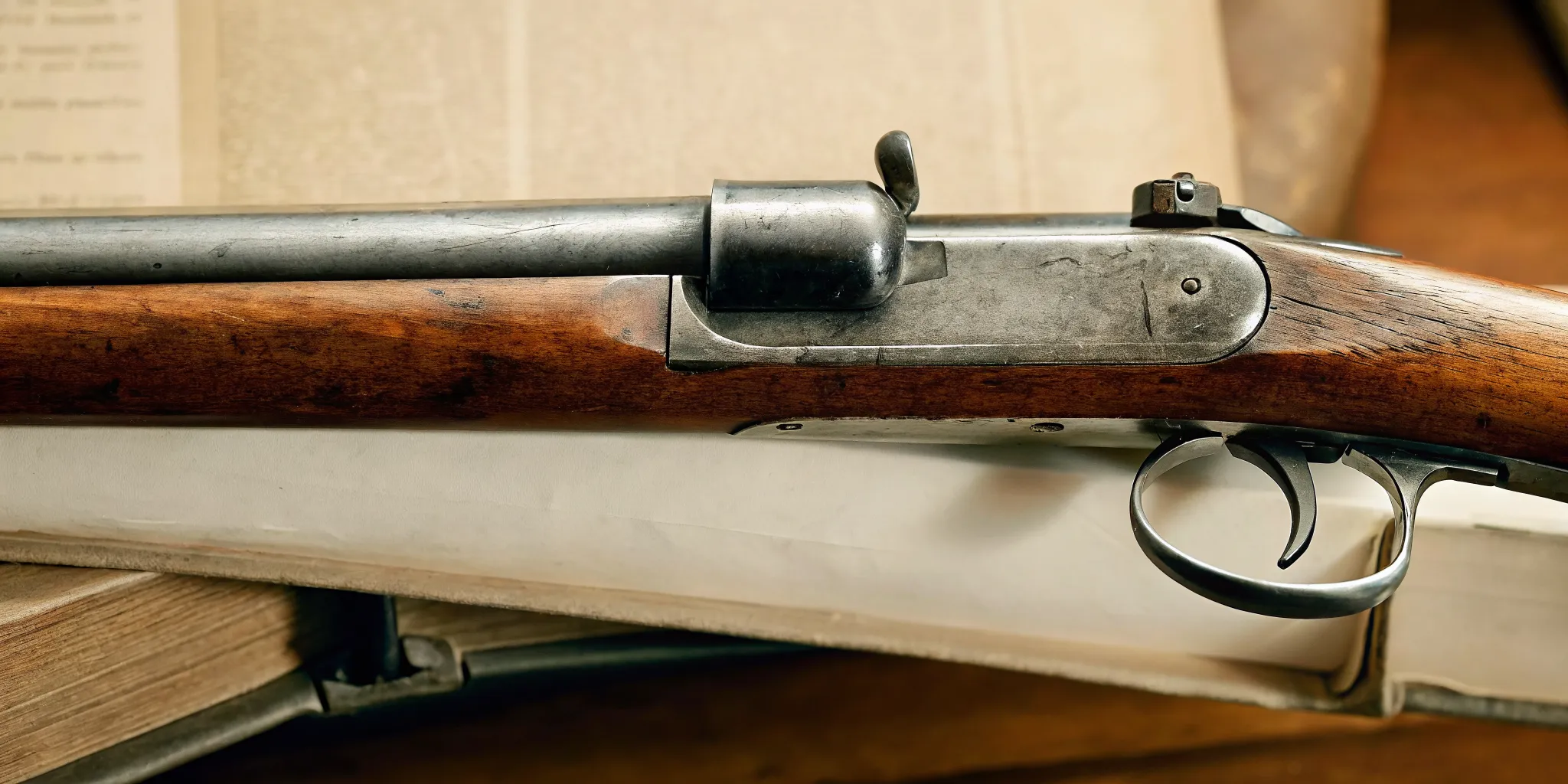
The Role of Maker Markings
Every authentic antique gun has markings that tell where and when it was made. Collectors must inspect these stamps with care.
Proof marks are official stamps that show a specific national authority tested the gun for safety. Finding the true age of these items involves checking these marks and serial numbers to verify their era and origin. These details help experts track the gun back to its maker and year of production.
Determining Preservation Quality
Condition is a major factor in finding a gun’s value. You must check the metal and wood to see if they are original.
Finding the correct original finish on an old gun is just as important as finding the model itself. If a past owner cleaned or replated the metal, the value can drop by a large amount. To grade a gun, experts often look at standard rating systems. The NRA condition standards rate guns on a scale from excellent down to fair or poor. Keeping the original wood finish and metal bluing intact is key to a high grade.
Core Valuation Steps
If you want to know the true worth of your items, you should take a structured approach.
These five steps will help you start your research. We suggest doing this before you seek professional estate appraisal services.
- Check proof marks and serial numbers. Look for small stamps on the receiver or frame. These marks tell you which national government tested the weapon and where it was made.
- Inspect the barrel and receiver for maker stamps. Look for names, dates, or patent marks. These details show who made the gun and help you verify its model.
- Compare original finishes against signs of refinishing. Check if the metal bluing or wood varnish is original. A gun that has been re-blued or sanded will lose most of its value.
- Verify the action type and mechanism. Test if the hammer, trigger, and block move as they should. The type of system, like a rolling block or flintlock, helps confirm the gun’s age.
- Compare markings against reference guides. Use official books or museum records to verify your gun. Cross-checking these details ensures you do not mistake a replica for a rare piece.
Antique Firearm Values by Era: Revolutionary War, Civil War, and WWII
Antique firearm values are heavily influenced by their historical era, with Revolutionary War flintlocks, Civil War rifles, and World War II service weapons drawing the highest collector demand. Documented combat provenance and unit markings are crucial value drivers across all historical periods.
Revolutionary War flintlocks and muskets
Guns from the Revolutionary War are rare and prized. But written proof of where a gun has been can push its worth much higher. A musket with a soldier’s name or a known battle record can sell for far more than one without such papers. As the Library of Congress notes, history and provenance are major factors that set the price of a weapon. Documentation that links a gun to a specific soldier or unit creates the strongest value lift.
Civil War rifles and revolvers
The Civil War brought mass-made guns like Springfield and Enfield rifles, plus Colt revolvers. Because makers produced so many, value comes from small details. Rarity is often found in special variants, such as weapons made for one specific unit or under short-term contracts. The Library of Congress shows that knowing a maker’s history and production numbers helps gauge how rare a model is. This type of rarity can turn a common-looking gun into a collector’s find, especially when a factory ran only a small batch for a single contract.
Unit marks stamped on a stock or barrel provide direct proof that a gun served in a known regiment. This type of provenance lifts price by linking the weapon to real combat history. When you need help reading these marks, professional estate appraisal services can decode them. A proper reading of one unit mark can change what a gun is worth by thousands.
World War models and rising values
The World War eras also draw strong demand from today’s buyers. Guns like the M1 Garand, the Luger, and the Colt 1911 pistol are all in high demand. These firearms are prized for their role in history and their solid build quality. Buyers want original parts, matching serial numbers, and clear proof marks that confirm the gun’s age and origin.
Among 1900s models, the 1911 pistol has shown the most striking price gains. According to market data, the 1911 has seen its value rise 32.67% over just six years. This rise shows that interest in military arms from the World War periods is still strong. For anyone with a handed-down collection, tracking these trends is key to knowing what each piece is worth. A 1911 that a grandparent brought home from the war could be worth much more today than its owner expects.
Antique Swords and Edged Military Weapons: Valuation Essentials
Valuing antique swords and edged weapons requires assessing blade preservation, hilt and grip originality, and the presence of unit engravings. Verified historical provenance, such as documented combat use at significant battles, exponentially increases the market value of military blades compared to standard-issue specimens.
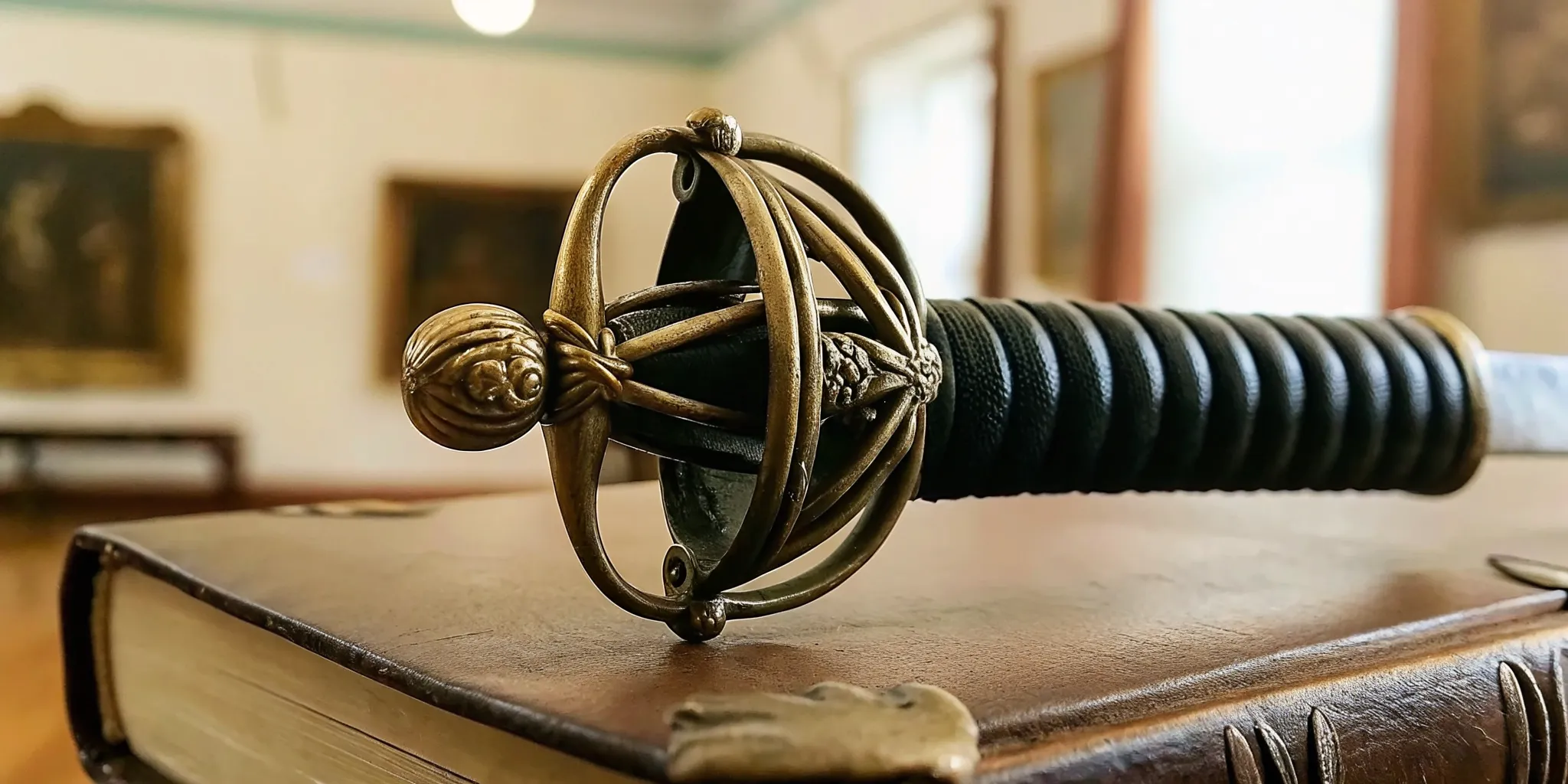
Condition and Originality in Sword Valuation
When evaluating edged military weapons, condition is paramount. A sword’s value is deeply tied to the preservation of its blade and the originality of its hilt. Collectors look for blades free of deep pitting, rust, or modern polishing, as improper cleaning can destroy historic value. The hilt, including the wire wrapping, leather grip, and guard, must also be original and intact. At Lion & Unicorn, we advise sellers to keep their pieces in as-found state before obtaining an expert assessment.
The Role of Historical Provenance
Edged weapons are historical artifacts. Much like using an antique firearms value guide, military memorabilia gains significant value from documented combat use. History and provenance are major factors influencing the price of a weapon, especially when linked to a specific conflict or historical figure. A sword with a documented trail showing it saw use at a major battle like Gettysburg will skyrocket in desirability. Without written proof, such as letters, diaries, or official registry entries, even a beautifully preserved weapon remains a standard specimen. Our team at Lion & Unicorn can help research these links to uncover their true historical potential.
Standard Issue vs. Personal Presentation Items
Collectors must also distinguish between standard-issue items and those issued to specific soldiers. Standard-issue swords, though historically interesting, were mass-produced in large numbers and lack the personal connection that drives elite collector demand. Conversely, custom presentation swords gifted to officers or soldiers for heroic deeds hold a much higher premium. These often feature intricate engraving, gold plating, or the recipient’s name directly on the blade. As highlighted in the Library of Congress antique records, matching the item to a specific soldier’s military registry is the gold standard of military sword valuation.
Whether you own a Civil War cavalry saber or a rare officer’s sword, understanding the market is essential to getting a fair price. Appraising military blades is highly complex, which is why working with experienced professionals is so valuable. The team at Lion & Unicorn has the expertise needed to authenticate, appraise, and help you sell your valued pieces to their next caretakers.
How to Research Your Antique Firearm’s Market Value
To research your antique firearm’s market value, consult an established antique firearms value guide, verify historical documentation through museum databases, and reference past auction sales. Evaluating physical condition grades and cross-referencing high-resolution images helps determine authenticity, allowing you to accurately price military memorabilia and historical weapons.
Consulting Authoritative Pricing Guides
Unlocking the true worth of a historic weapon requires a systematic approach. Utilizing a reliable antique firearms value guide is the first step for any collector or enthusiast who’s looking to understand the market. For instance, the Blue Book of Antique Firearms & Values is an invaluable resource that covers nearly 700 manufacturers and 2,100 models. This guide breaks down values across standard condition grades, including Good, Fine, Very Fine/Extra Fine, and Excellent. These pricing guides provide essential past market prices, helping collectors avoid overpaying for new acquisitions. Additionally, the high-resolution images in price guides help collectors perform self-identification of antique military memorabilia, which is crucial when examining intricate markings, manufacturing stamps, and proof marks on the metalwork.
Verifying Historical Provenance
Provenance can dramatically influence value, but you should verify it carefully using credible sources. When you’re looking into a piece’s history, official museum databases and official research guides are more reliable than online forums for verifying the history of antique military pieces. Online forums often contain speculation, whereas institutional databases offer peer-reviewed historical context. For primary source materials and deep historical context, referencing the Library of Congress antique records offers the institutional accuracy needed for rare weapons. Keep in mind that valuation is dynamic, because new historical research can change the recognized value of a previously common model overnight. If a newly discovered military register connects a standard rifle to a specific historic regiment or battle, its market demand can spike immediately.
Navigating the Evaluation Process
While reference books provide a strong baseline, the secondary market is complex and constantly shifting. Collectors often benefit from consulting professional antique valuation guides to understand the broader market for historic collectibles and estate pieces. At Lion and Unicorn, we regularly assist collectors in navigating these subtle valuation shifts, ensuring that every historic weapon or piece of military memorabilia is evaluated with expert precision and care. By combining reliable reference books with professional physical assessments and historical verification, you can confidently determine the actual market demand for your collection, whether you’re looking to sell, buy, or insure it.
Where to Sell Antique Firearms and Military Memorabilia
To sell antique firearms and military memorabilia, you can utilize specialized auction houses, private collectors, and professional estate liquidators. Choosing an experienced partner ensures accurate valuation, legal compliance, and maximum market reach. Preparing proper documentation and obtaining certified appraisals are critical steps to maximize your return and protect your investment.
Understanding Your Selling Options
When you decide to part with historical military assets, navigating the secondary market can feel like a daunting challenge. Choosing the right selling venue is absolutely essential to secure a fair price that reflects the true historical significance of your collection. Many novice sellers initially look at local pawn shops, general dealers, or online forums. However, these platforms often lack the specialized collector audience required for niche military artifacts and historical weapons. For comprehensive collections or estate situations, navigating the antique estate liquidation process is often the most efficient way to manage and sell multiple high-value pieces simultaneously without sacrificing their individual worth.
Specialized auction houses and established specialty dealers offer direct access to dedicated collectors who understand and appreciate the historical importance of your items. If you want to explore the various valuation and selling outlets for antiques, working with an experienced firm like Lion & Unicorn provides the deep expertise and marketing reach necessary to connect with serious buyers globally. An established partner handles the photography, authentication, cataloging, and marketing, making the transition seamless and profitable for you.
The Importance of Documentation and Professional Appraisals
Before placing any item on the market, meticulous preparation is key to achieving a successful sale. Proper documentation and cataloging of a military collection assist in future sales and insurance valuations. This record-keeping process should include historical provenance, purchase receipts, service records, and detailed condition reports. Accurate records do not just verify authenticity; they also build trust with potential buyers who want to understand the unique narrative behind the pieces they purchase.
Furthermore, a professional appraisal is recommended for high-value antique military arms to identify rare features or variants. An expert eye can detect subtle manufacturer markings, inspect proof stamps, or identify minor design variations that a generalist dealer might completely overlook. These seemingly small details can dramatically influence the overall market value of an item within an antique firearms value guide. By taking the time to carefully catalog your items and secure certified professional valuations, you ensure that no historical significance or monetary value is left on the table when it is time to sell.
Frequently Asked Questions
How do I determine the value of my antique firearm?
To find your gun’s value, check the maker, model, rarity, and condition. You can use the Library of Congress resource guides to find old prices and makers. Physical condition is a major factor. Collectors grade weapons using a set scale from good to excellent. Original parts and finishes add a lot of value.
What factors influence military memorabilia appraisal?
Many key factors drive the appraisal of antique military goods. Historical significance and clear proof of combat use add real value. Hand-drawn markings, unit names, or owner engravings also help. Proper paperwork, called provenance, can raise the market price of an item. Bad storage can hurt values, even if a piece has a great story.
Are there specific guides for pricing antique swords?
Yes, pricing guides help collectors find the market value of antique swords. Experts look at blade shape, hilt parts, and custom engravings. You can check the Library of Congress antique guide list for resources on old swords and weapons. These records help you identify rare marks and avoid fake items.
Where is the best place to sell antique firearms?
The best place to sell is through a trusted, full-service auction house like Lion & Unicorn. Working with professionals is much safer than using online forums or small local shops. Experts can run detailed appraisals to identify rare markings or variants. This service helps you get fair market prices, handles the legal steps, and makes the estate sale process smooth.
What year gun is considered an antique?
By United States federal law, guns made before January 1, 1899, are antiques. These firearms do not need the same sales license as modern weapons. However, any guns made after this date are not legal antiques under federal law. Modern replicas built after 1959 also do not count as true antiques, even if they use black powder.
Inheriting a historic collection or looking to sell prized militaria can feel overwhelming without a trusted partner. Whether you are an estate executor managing a diverse inventory, a lifelong collector preparing for a transition, or an heir who recently uncovered a family heirloom, understanding the true worth of your items is essential. This antique firearms value guide is designed to help you navigate the complexities of authentication, condition grading, and historical significance. At Lion and Unicorn, we bring over thirty years of estate buying and certified appraisal expertise to make the valuation process simple, secure, and highly rewarding.
Get a free appraisal for your antique firearms collection
Our specialists provide meticulous, transparent evaluations based on current market demand, rarity, and provenance. We handle everything from single pieces to extensive museum-quality archives, managing packing, transport, and cataloging with the utmost discretion and care. Do not leave the value of your historic pieces to guesswork. Reach out to our specialists today to secure the precise assessment your collection deserves.
Free Consultation
Ready to Sell Your Estate or Collection?
Lion & Unicorn's expert team offers free appraisals and nationwide pickup service.
Over 30 years of experience — Florida's most trusted auction house.