
Free Consultation
Ready to Sell Your Estate or Collection?
Lion & Unicorn's expert team offers free appraisals and nationwide pickup service.
Over 30 years of experience — Florida's most trusted auction house.
Looking for old cameras that could be worth thousands — or even millions? This collector’s guide covers the most valuable antique cameras ever sold, what makes them worth money, and how to sell yours at auction.
Vintage cameras are among the most sought-after collectibles in the antiques market. While most old cameras sitting in closets and attics are worth $20 to $100, certain models from brands like Leica, Hasselblad, and Nikon have sold for hundreds of thousands — and in rare cases, millions — of dollars at auction.
Whether you inherited a camera collection as part of an estate, found an old camera at a garage sale, or have been collecting vintage photography equipment for years, understanding what determines value is the first step to making smart decisions about buying, selling, or insuring these pieces.
This guide breaks down the most valuable antique cameras on the collector’s market, the key factors that affect pricing, and how to get your vintage camera appraised and sold through a reputable auction house.
📖 Related: getting antiques appraised
Most Valuable Antique Cameras Ever Sold at Auction
The most valuable antique cameras are rare prototypes, historically important equipment, space-flown cameras, and exceptional examples with documented provenance. Notable auction results include Leica 0-Series and M3D cameras, a NASA-used Hasselblad, a Leica Luxus I, and an early Daguerreotype. Rarity, history, completeness, condition, and authenticity explain these extraordinary prices.
Some antique cameras have reached staggering prices at auction, driven by extreme rarity, historical significance, and collector demand. Here are the most notable sales that define the upper end of the market.
Leica 0-Series No. 105 — $15.1 Million
The most expensive camera ever sold. This 1923 prototype belonged to Oskar Barnack, the engineer who designed the original Leica and essentially invented 35mm photography. Only about two dozen 0-Series prototypes were ever built. The camera sold in June 2022 with original paperwork and lens caps, making it a cornerstone piece in the history of photography.
Leica M3D “David Douglas Duncan” — $2.2 Million
Only a handful of M3D bodies were ever manufactured, custom-built with special controls and a rapid-wind mechanism for Life magazine photographer David Douglas Duncan. His documented use of this camera during Korean War coverage added immense provenance value. It sold at auction in 2012.
Hasselblad 500 EL Data Camera “Jim Irwin” — $904,200
This NASA-modified Hasselblad was used on the Apollo 15 lunar mission by astronaut James Irwin. Space-flown cameras are exceptionally rare because most were left on the Moon to save weight for rock samples. The combination of space history and Hasselblad engineering made this a landmark sale in 2014.
Leica Luxus I — $962,518
Built around 1929–1931, Leica produced roughly 95 gold-plated “Luxus” cameras with lizard-skin leather coverings. Fewer than a dozen are believed to survive. This model sold in Hong Kong in 2012 and remains one of the most recognizable luxury cameras in collecting circles.
Daguerreotype by Giroux — $900,360
The Daguerreotype camera, first commercially produced in 1839 by Alphonse Giroux under license from Louis Daguerre, is the oldest camera type on this list. Surviving examples are extraordinarily rare, and this one sold at a European auction in 2010 for just over $900,000.
Collectible Camera Brands That Hold the Most Value
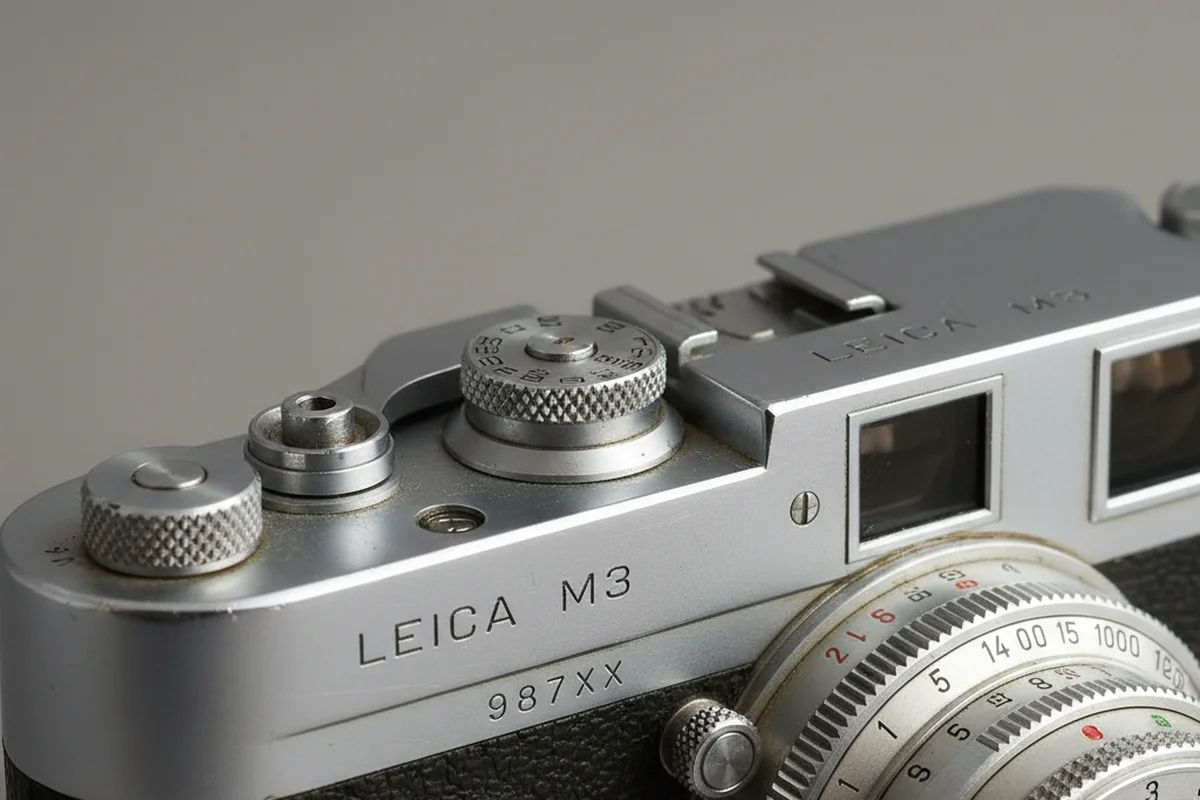
Leica, Hasselblad, Rolleiflex, Nikon, Canon, and Contax are among the collectible camera brands most likely to retain meaningful value. Rare models, prototypes, early rangefinders, space history, premium lenses, limited production, and excellent condition create the strongest demand. The brand is only a starting point, so identify the exact model and configuration.
Not every old camera is valuable. Brand reputation, build quality, and historical significance are the primary drivers of collector demand. These brands consistently command the highest prices.
Leica
Leica dominates the antique camera market. The German manufacturer’s rangefinder cameras — particularly the M-series (M2, M3, M4, M6) and early screw-mount models (I, II, III series) — are the most heavily collected cameras in the world. A Leica M3 in good condition typically sells for $1,500 to $3,000, while rare black-paint versions and prototypes can reach six figures. For expert help, connect with our estate sales consultants.
What makes Leica cameras so valuable is a combination of exceptional engineering, limited production runs for certain models, and a passionate global collector base that has sustained demand for decades.
Hasselblad
Swedish-made Hasselblad medium-format cameras are prized for their optical quality and modular design. The 500-series cameras (500C, 500C/M, 500 EL) are the most collected, with clean examples selling between $500 and $2,500. NASA’s use of Hasselblad cameras on the Apollo missions elevated the brand’s prestige significantly.
Rolleiflex
The twin-lens reflex (TLR) design made Rolleiflex cameras iconic. Models like the Rolleiflex 2.8F and 2.8GX are highly valued, often selling between $1,000 and $7,200 depending on condition and configuration. Their distinctive waist-level viewfinder and Zeiss or Schneider lenses make them both functional tools and display-worthy collectibles.
Nikon
Early Nikon rangefinder cameras, particularly the Nikon I and Nikon SP, are extremely collectible. A Nikon I has sold for over $400,000 at auction. Later Nikon SLR models like the F, F2, and F3 are more affordable collectibles, typically ranging from $200 to $1,500, but are valued for their durability and the quality of Nikkor lenses.
Canon
Vintage Canon rangefinder cameras from the 1950s and early SLR models like the Canon F-1 are solid collectibles. While generally less expensive than comparable Leica or Nikon models, Canon cameras in excellent condition with original accessories still attract serious collectors. Prices typically range from $150 to $2,000 for most collectible Canon models.
Contax
The Contax brand, produced by Zeiss Ikon, represents some of the finest optical engineering in camera history. The Contax IIa and IIIa rangefinders, along with the later Contax G-series autofocus cameras, have strong collector followings. Contax rangefinders in good condition sell between $300 and $2,000.
What Determines the Value of an Antique Camera
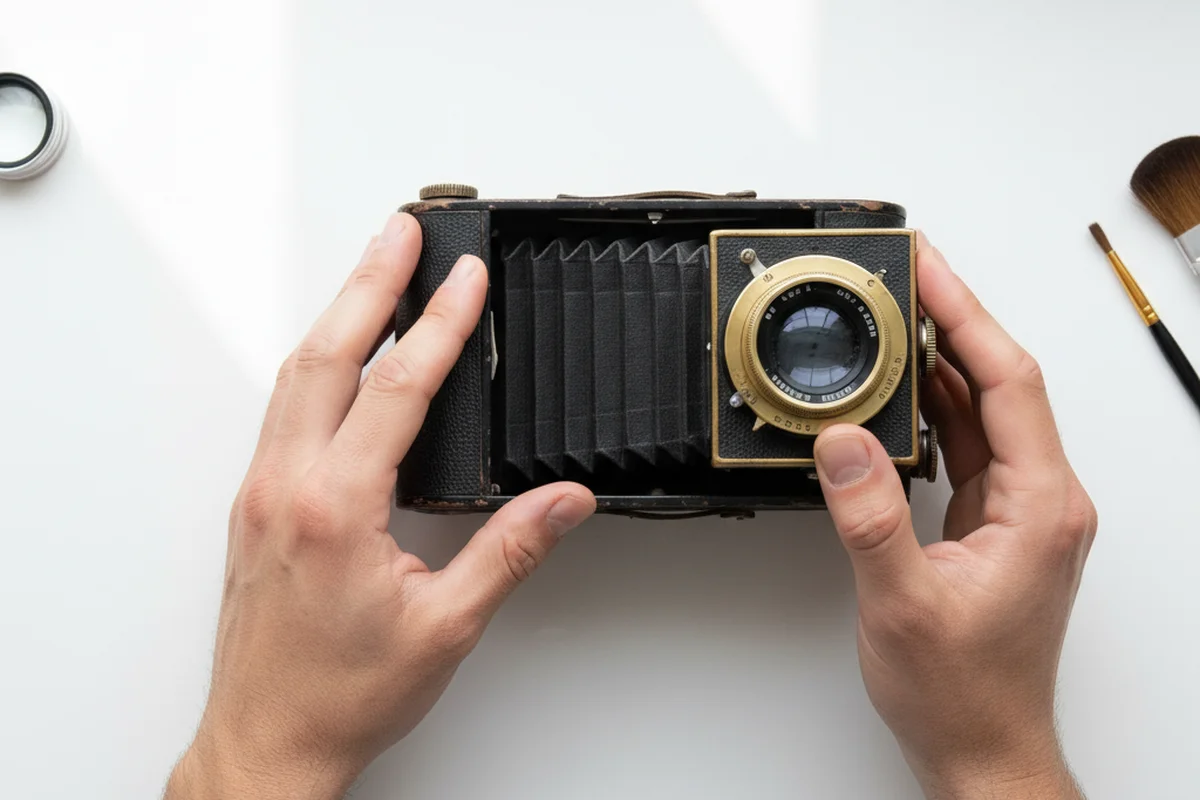
An antique camera’s value is determined by rarity, production numbers, condition, functionality, provenance, historical significance, completeness, original accessories, and usable film format. A limited prototype or historically documented camera can command far more than a common model. Honest condition notes and evidence of ownership history are essential when comparing auction results.
Understanding the factors that drive camera values helps both collectors and sellers make informed decisions. These are the primary elements appraisers and auction specialists evaluate.
Rarity and Production Numbers
Cameras produced in limited quantities command higher prices. Prototypes, pre-production models, military-issue cameras, and special editions are the rarest and most valuable. A camera that was mass-produced in the hundreds of thousands, like the Kodak Brownie, will generally be worth far less than a camera produced in a run of fewer than 1,000 units.
Condition
Condition is one of the most significant value drivers. Cameras are typically graded on a scale:
- Mint / Like New: Shows no signs of use. Original packaging and documentation present. Commands the highest prices.
- Excellent: Very light wear. All functions work perfectly. Minor cosmetic marks only.
- Good: Normal wear consistent with regular use. Fully functional. Some cosmetic wear visible.
- Fair: Moderate wear. May have some functional issues. Significant cosmetic wear.
- Poor / For Parts: Non-functional or heavily damaged. Value is primarily in parts or as a display piece.
A camera in mint condition can be worth two to five times more than the same model in fair condition.
Provenance and Historical Significance
A camera’s history dramatically affects its value. Cameras owned by famous photographers, used in historic events, or connected to significant moments in photographic history sell for multiples of what a standard example would bring. Documentation proving provenance — letters, press tags, engraved names, original purchase receipts — is critical. You may also find our most valuable antiques helpful.
📖 Related: Sell your antique collection
Completeness
Original accessories increase value significantly. Matching lens caps, cases, straps, instruction manuals, and original packaging all contribute to a higher price. A camera sold with its original box and papers can be worth 30% to 50% more than the same model without accessories.
Functionality
Working cameras are almost always worth more than non-functional ones, especially for models still used by film photographers. The resurgence of film photography has created strong demand for usable vintage cameras from the 1960s through 1990s, separate from the purely collector-driven market for older antique cameras.
Film Format Availability
Cameras that use still-manufactured film formats (35mm, 120 roll film, 4×5 sheet film) hold their value better than those requiring discontinued formats. A working camera that takes readily available film has both collectible and practical value.
Antique Camera Price Ranges by Era and Type
Antique camera prices range from about $30 for common folding or late-production models to hundreds of thousands for rare Nikon rangefinders, Leica prototypes, and historically important equipment. Daguerreotypes, early Leicas, Rolleiflex cameras, Hasselblads, and mid-century rangefinders occupy very different tiers. Use era-based ranges as a starting point, not a substitute for model-specific appraisal.
Understanding general price ranges helps set realistic expectations when buying or selling vintage cameras.
Pre-1900 Cameras (Daguerreotypes, Wet Plate, Early Dry Plate)
- Daguerreotype cameras (1839–1860s): $2,000 – $900,000+ depending on maker and condition
- Wet plate cameras (1850s–1880s): $500 – $15,000 for most examples
- Early Kodak box cameras (1888–1900): $300 – $5,000
- Wooden field cameras: $200 – $3,000
Early 20th Century (1900–1945)
- Leica screw-mount cameras (1925–1960): $300 – $50,000+
- Folding cameras (Kodak, Zeiss, Voigtlander): $30 – $500 for most models
- Speed Graphic press cameras: $150 – $800
- Stereo cameras (Stereo Realist, etc.): $50 – $400
Mid-Century (1945–1970)
- Leica M-series rangefinders: $1,500 – $10,000+
- Nikon rangefinders (S, SP): $500 – $400,000+
- Rolleiflex TLR cameras: $300 – $7,200
- Hasselblad 500-series: $500 – $2,500
- Canon rangefinders: $150 – $2,000
Late 20th Century (1970–2000)
- Nikon F-series SLRs (F, F2, F3): $200 – $1,500
- Canon F-1 / A-1: $100 – $800
- Contax G-series: $300 – $2,000
- Medium-format SLRs (Pentax 67, Bronica, Mamiya): $300 – $10,000
How to Tell if Your Old Camera Is Valuable
Are old cameras worth money? They can be, but the brand name alone does not determine value. Start by recording the camera’s identity, checking its condition without altering it, and looking for evidence of rarity, completeness, and history.
If you found an old camera in an attic, inherited it as part of an estate, or bought it at a garage sale, use these checks before cleaning, repairing, or listing it for sale.
Check the Brand, Model, and Format
Read the manufacturer’s name and model markings on the body, lens, and accessories. Leica, Hasselblad, Nikon, Rolleiflex, and Contax models may deserve closer research, but less common brands such as Alpa, Compass, Deardorff, and Graflex can also have collectible examples. Note whether the camera is a rangefinder, folding camera, twin-lens reflex, medium-format model, or another format.
Record Serial Numbers and Other Markings
Photograph the serial number and any production, patent, or lens markings on the top plate, base plate, film compartment, and lens. These details can identify the exact variant and production period. Save the photographs with any paperwork rather than relying on memory when you compare the camera with auction results or ask for an appraisal.
Assess Condition Without Altering the Camera
Describe what you can observe without forcing a stuck mechanism or attempting a repair:
- Does the shutter fire at the speeds you can test safely?
- Is the rangefinder or viewfinder clear and aligned?
- Do the lens elements show fungus, haze, scratches, or separation?
- Does the light meter work, if the camera has one?
- Are there dents, corrosion, heavy brassing, or aftermarket changes?
Confirm Completeness and Provenance
Keep matching lens caps, cases, straps, manuals, original boxes, warranty cards, receipts, and other paperwork with the camera. A documented owner, event, or use history can also matter, especially for a historically important model. Do not discard accessories before an appraisal.
Compare Recent Sales, Not Asking Prices
Look for completed auction sales of the same model and variant in comparable condition. Rarity, originality, completeness, provenance, and working condition can move a camera far above or below a general price range. Online asking prices show what sellers hope to receive, not necessarily what buyers have paid.
Get a Professional Appraisal
A professional appraisal is especially useful when the camera is from a premium brand, appears unusually complete, has documented history, or may be a rare variant. An experienced appraiser can help identify the model, assess authenticity and condition, and provide a realistic market value based on recent auction results.
At Lion & Unicorn, our specialists have over 30 years of experience appraising and selling vintage cameras and photography equipment. You can request a free online estimate or call us at 954.866.8044 to discuss your collection.
Where to Sell Antique Cameras for the Best Price
A reputable auction house is often the best option for valuable antique cameras because specialists can authenticate, photograph, catalog, market, and ship them to competing collectors. Online marketplaces may suit common lower-value models, while dealers offer speed at the cost of a lower price. Get a realistic valuation before choosing convenience over maximum return.
Choosing the right selling venue makes a significant difference in the final price you receive for a vintage camera. You may also want to learn how to identify valuable coins.
Auction Houses
A reputable auction house is consistently the best option for valuable antique cameras. Auction houses attract serious, knowledgeable collectors who are willing to compete against each other, which drives prices higher than fixed-price sales. Full-service auction houses handle photography, cataloging, marketing, and shipping — reducing your workload to zero.
Lion & Unicorn specializes in selling vintage cameras and photography equipment at auction. With a global buyer network and decades of experience in antiques and collectibles, we connect sellers with qualified buyers worldwide. Our services include certified appraisals, professional photography, and nationwide pickup and transport.
Online Marketplaces
Platforms like eBay can work for lower- to mid-value cameras ($50 to $1,000), but they come with higher risks: buyer disputes, shipping damage claims, and fees that can eat into profits. For cameras worth more than $1,000, an auction house typically provides better results and significantly less hassle.
Camera Dealers and Specialty Shops
Dedicated vintage camera dealers (like KEH Camera) offer convenience through instant buyout offers, but their purchase prices are typically 30% to 50% below retail value to account for their profit margin. This option works best when you want a quick, guaranteed sale rather than maximum return.
Camera Shows and Collector Meets
Photography trade shows and collector meetups allow for direct sales to enthusiasts. Prices can be strong because there are no platform fees, but you need knowledge of current market values to negotiate effectively.
Frequently Asked Questions About Antique Camera Values
Are old cameras worth any money?
Yes. Most vintage cameras have at least some value, even if modest. Basic consumer cameras from the mid-20th century typically sell for $20 to $100. However, cameras from premium brands like Leica, Hasselblad, Nikon, and Rolleiflex in good condition can be worth hundreds to thousands of dollars. Rare models and prototypes can reach six or seven figures at auction.
What is the most valuable antique camera?
The most expensive camera ever sold is the Leica 0-Series No. 105, which sold for $15.1 million in 2022. It was a 1923 prototype that belonged to Oskar Barnack, the inventor of the original Leica. Among cameras more realistically found in estates and collections, Leica M-series rangefinders, Nikon rangefinders, and Hasselblad medium-format cameras tend to hold the highest values.
How do I find out what my old camera is worth?
Start by identifying the brand, model, and serial number. Research recent sold prices on auction platforms for the same model in similar condition. For a definitive valuation, contact a certified auction house like Lion & Unicorn for a professional appraisal. Our specialists can evaluate your camera and provide an accurate market value at no cost.
Where can I sell antique cameras near me?
The best option is a full-service auction house that specializes in antiques and collectibles. Lion & Unicorn is based in Hollywood, Florida, with offices in Palm Beach, Orlando, Miami, and Naples — but we serve clients nationwide with pickup, packing, and transportation services. Call 954.866.8044 or tell us about your collection online.
Who buys vintage cameras?
Vintage camera buyers include private collectors, photography enthusiasts, museums, and dealers. The most active buyers are typically found at auction, where competitive bidding drives the best prices. Lion & Unicorn’s global buyer network includes thousands of registered collectors who actively bid on vintage cameras and photography equipment.
Are vintage digital cameras worth anything?
Early digital cameras from the late 1990s and early 2000s are beginning to attract collector interest, but values are still low compared to film cameras. Notable exceptions include certain Kodak DCS professional models and early Nikon/Canon digital SLRs, which can sell for $200 to $1,000 to collectors interested in the history of digital photography. The collectible digital camera market is still in its early stages.
Do you have antique cameras or a photography collection you are considering selling? Contact Lion & Unicorn for a certified appraisal and find out what your vintage cameras are worth. Call 954.866.8044 or request your free online estimate today.
Have antiques, art, or collectibles you’re ready to sell? Contact Lion and Unicorn to speak with our team.
Free Consultation
Ready to Sell Your Estate or Collection?
Lion & Unicorn's expert team offers free appraisals and nationwide pickup service.
Over 30 years of experience — Florida's most trusted auction house.