


Most Valuable Antiques to Look For: Rare Finds Actually Worth Serious Money
Free Consultation
Ready to Sell Your Estate or Collection?
Lion & Unicorn's expert team offers free appraisals and nationwide pickup service.
Over 30 years of experience — Florida's most trusted auction house.
Most Valuable Antiques to Look For: Rare Finds Actually Worth Serious Money
After 30 years of handling estate sales and running thousands of auctions, we can tell you this: most people have no idea what they’re sitting on. A dusty figurine in a box could be worth $50 or $5,000, and the difference often comes down to knowing exactly what to look for.
This guide covers the antique categories that consistently command the highest prices at auction, with real identification tips and current price ranges so you know what’s actually valuable versus what just looks old.
What Makes an Antique Truly Valuable?
Before we get into specific categories, you need to understand the four factors that separate a $20 thrift store find from a $20,000 auction piece:
Rarity. Limited production runs, pieces from makers who operated briefly, or items with unusual variations command premiums. A standard Hummel figurine might sell for $25, but a rare prototype or pre-war piece can bring thousands.
Condition. In the antiques world, condition is king. A mint-condition piece with no chips, cracks, or repairs will sell for multiples of the same piece with damage. Original packaging or documentation adds even more value.
Provenance. Where did the piece come from? Items with documented ownership history, especially connections to notable collections, estates, or historical events, are worth significantly more than identical pieces without a paper trail.
Market demand. Certain categories go through cycles. Right now, mid-century modern furniture has cooled while Victorian-era decorative arts and early 20th-century pieces are surging. Knowing current trends helps you time your buying and selling.
European Porcelain and Ceramics
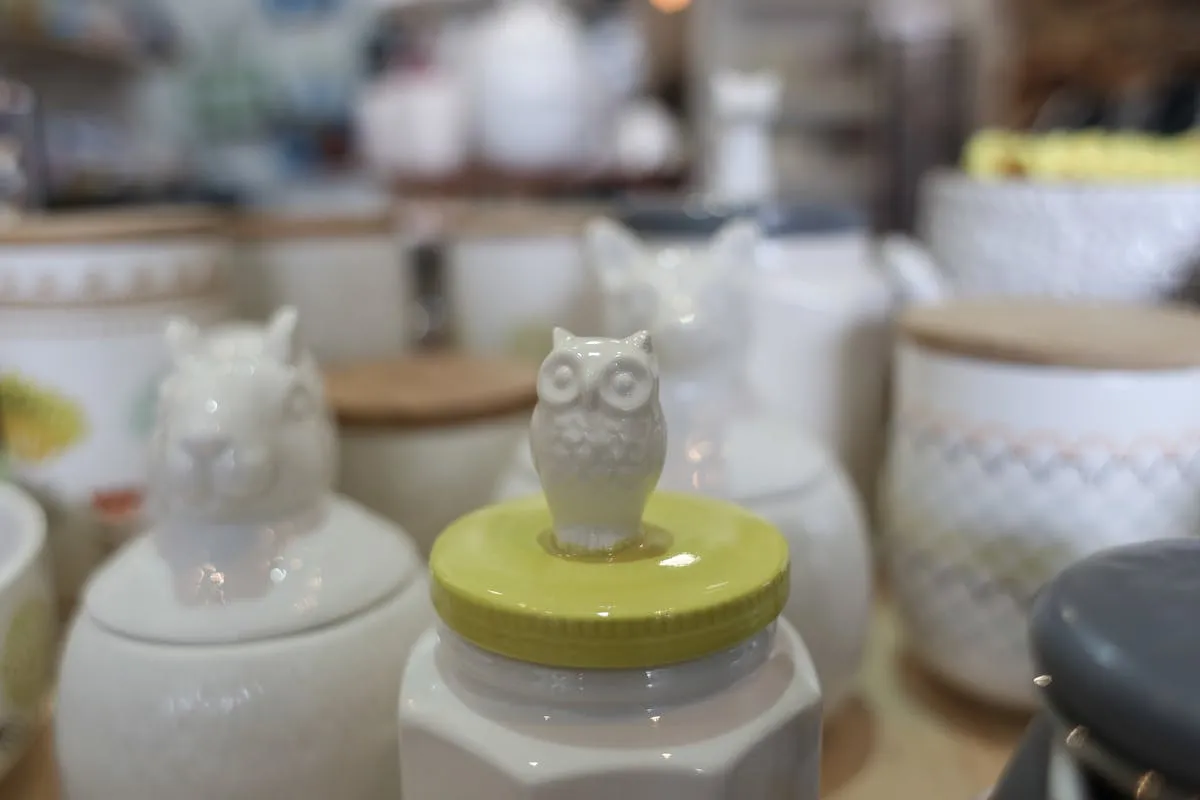
European porcelain consistently ranks among the most valuable antique categories, and for good reason. These are pieces that were expensive when new and have only appreciated with time.
Meissen Porcelain
Meissen holds the distinction of being Europe’s first true porcelain manufacturer, established in 1710 in Saxony, Germany. The crossed swords mark on the base is one of the most recognized maker’s marks in the world.
What to look for: Early pieces (1710-1760) with the crossed swords mark command the highest prices. Figurine groups, especially elaborate court scenes or mythological subjects, regularly sell for $5,000 to $50,000 at auction. Even smaller pieces like cups, saucers, and bowls from the 18th century can bring $500 to $3,000.
Identification tip: The crossed swords mark evolved over time. Earlier marks are simpler and hand-painted with slight irregularities. Later marks are more standardized. Fakes exist, but the quality of painting and the composition of the porcelain itself are difficult to replicate convincingly.
Lladro Figurines
Lladro figurines are a staple of the collectible porcelain market. While common pieces sell for modest amounts, retired and limited-edition Lladro figurines can be surprisingly valuable.
What to look for: Retired pieces from the 1970s and 1980s in perfect condition, limited editions with low production numbers, and larger sculptural groups bring the strongest prices. The “Gres” stoneware line and pieces by specific artists like Juan Huerta command premiums.
Price range: Common pieces sell for $50 to $200, but sought-after retired figurines regularly achieve $500 to $5,000. Exceptional pieces have sold for over $10,000 at auction.
Capodimonte Porcelain
Italian Capodimonte porcelain is prized for its intricate hand-modeled floral work and detailed figurines. The best pieces represent hundreds of hours of skilled handwork.
What to look for: Authentic pieces from the original Naples factory (1743-1759) are museum-quality and extremely rare. Later pieces by manufacturers like Doccia and various Naples workshops from the 19th century are more available and still valuable, particularly elaborate centerpieces and large figural groups.
Price range: Quality 19th-century centerpieces and large groups typically sell for $500 to $5,000. Earlier pieces and exceptional examples can reach $10,000 or more.
Royal Doulton
Royal Doulton figurines and character jugs have a dedicated collector following. Certain pieces from the HN figurine series and the character jug range are highly sought after.
What to look for: Early HN-numbered figurines (pre-1940), Lambeth stoneware by notable artists like Hannah Barlow, and rare character jug variations are the most valuable. Prototype colorways and limited editions consistently outperform standard production pieces.
Price range: Most HN figurines sell for $50 to $300, but rare pieces with low production numbers or early dates can bring $1,000 to $10,000.
Crystal and Art Glass
Fine crystal and art glass represent another category where knowledge pays off. The difference between a decorative piece and a valuable collectible often comes down to the maker and the era.
Lalique
René Lalique’s art glass is among the most collected in the world. His Art Deco vases, perfume bottles, and decorative panels combine artistry with craftsmanship that’s impossible to replicate today.
What to look for: Pre-war (pre-1945) pieces marked “R. Lalique” are the most valuable, as opposed to post-war pieces marked simply “Lalique.” Opalescent glass, colored pieces (especially deep amber, blue, and green), and pieces with complex molded designs command the highest prices.
Price range: Small perfume bottles start around $200 to $800. Large vases and decorative panels regularly sell for $5,000 to $50,000. Museum-quality examples have exceeded $100,000. For expert help, connect with our estate sales consultants.
Waterford Crystal
Waterford crystal remains one of the most recognized names in luxury crystal. While modern production pieces have modest resale value, older and discontinued patterns are increasingly collectible.
What to look for: Pre-1950 hand-blown Waterford with deep, crisp cuts is the most desirable. The factory closed in 1851 and reopened in 1947, making anything from before the closure extremely rare and valuable. Discontinued patterns, master cutter pieces, and large presentation items bring premiums.
Price range: Standard stemware sells for $15 to $50 per piece, but rare pre-closure pieces can reach $500 to $5,000. Complete sets of discontinued patterns bring significantly more than individual pieces.
Swarovski Crystal
Swarovski crystal figurines have become a serious collectible category, particularly retired Annual Edition pieces and early Collector’s Society figures.
What to look for: Annual Edition pieces from the late 1980s and early 1990s, especially those in original packaging with certificates, command the highest premiums. The “Fabulous Creatures” trilogy and early designer collaborations are consistently in demand.
Price range: Common figurines sell for $20 to $100, but sought-after retired pieces regularly bring $200 to $2,000. Rare and early Annual Editions can exceed $5,000.
Royal Bayreuth Porcelain
Royal Bayreuth porcelain from Bavaria, Germany, is one of the most collected European porcelain brands, especially among American collectors. The factory operated from 1794 to 2018, but the most valuable pieces are the figural novelties and Rose Tapestry items produced between 1890 and 1920.
Rose Tapestry pieces (with a cloth-like textured glaze) sell for $100 to $2,500 depending on form, while Devil and Cards figural pitchers bring $100 to $500. Rare Santa Claus figurals have exceeded $1,000 at auction. The factory’s permanent closure in 2018 means no new authentic pieces will be produced, which has stabilized prices for the best examples.
American Art Pottery
American art pottery from the late 19th and early 20th centuries represents some of the most undervalued antiques on the market today. Many collectors focus on European pieces and overlook American makers that produced equally impressive work.
Rookwood Pottery
Rookwood, founded in Cincinnati in 1880, is widely considered America’s finest art pottery. Pieces decorated by known artists are particularly sought after.
What to look for: Artist-signed pieces with detailed underglaize painting, especially landscapes, portraits, and nature scenes, command the highest prices. The Standard Glaze (brown-toned) and Iris Glaze (lighter, more ethereal) lines are most valuable. Look for the Rookwood flame mark on the base, with the number of flames indicating the year of production.
Price range: Simple production pieces start around $100 to $300. Artist-signed pieces typically bring $500 to $5,000, with exceptional examples by top artists like Kataro Shirayamadani reaching $10,000 to $50,000.
Roseville Pottery
Roseville is more accessible than Rookwood but includes pieces of real significance. The company operated in Zanesville, Ohio, from 1890 to 1954.
What to look for: The Della Robbia line (hand-carved and decorated), Futura (Art Deco shapes), and early Rozane lines are most valuable. Unusual shapes, particularly jardinières, floor vases, and wall pockets in sought-after patterns, bring strong prices.
Price range: Common patterns sell for $50 to $200. Rare Futura shapes regularly bring $500 to $3,000, and exceptional Della Robbia pieces have sold for $5,000 to $15,000.
Weller Pottery
Weller operated alongside Roseville in Zanesville and produced some outstanding art pottery, particularly in the early 1900s.
What to look for: The Sicard line (iridescent metallic glazes by Jacques Sicard) is the most coveted. Aurelian, Eocean, and Louwelsa lines with artist-signed decoration are also highly desirable. Large pieces in good condition are increasingly scarce.
Price range: Standard production pieces bring $50 to $200. Sicard pieces typically sell for $500 to $5,000, with exceptional large vases reaching $10,000 or more.
Fine Art and Sculptures
Fine art remains one of the most consistently valuable antique categories, though the market requires knowledge to navigate effectively.
Bronze Sculptures
Bronze sculptures, particularly those from the 19th and early 20th centuries, combine artistic value with material worth. The bronze itself has intrinsic value, and fine foundry work adds substantially more.
What to look for: Signed pieces by recognized sculptors with original patina intact are most valuable. Look for foundry marks alongside the artist’s signature. French bronzes by artists like Auguste Moreau, Pierre-Jules Mêne, and the Barbedienne foundry consistently perform well. Cold-painted Vienna bronzes (Bergman and similar makers) have seen strong appreciation recently.
Price range: Small unsigned bronzes start at $100 to $500. Signed pieces by known artists typically bring $1,000 to $10,000. Major pieces by important sculptors can reach $50,000 or more.
Original Paintings
Paintings remain the highest-value category in antiques overall, though the range is enormous. Regional painters, impressionists, and certain schools consistently attract collector interest.
What to look for: Signature and attribution are everything. A landscape by a recognized American Impressionist might sell for $10,000 to $100,000, while a similar scene by an unknown artist brings $200 to $500. Florida Highwaymen paintings, a regional specialty, have seen strong appreciation and are highly collectible.
Price range: Varies enormously based on artist, subject, size, and condition. Original works by recognized artists rarely sell for under $1,000, with most auction sales falling in the $2,000 to $50,000 range. You may also want to learn how to get antiques appraised.
Coins and Precious Metals
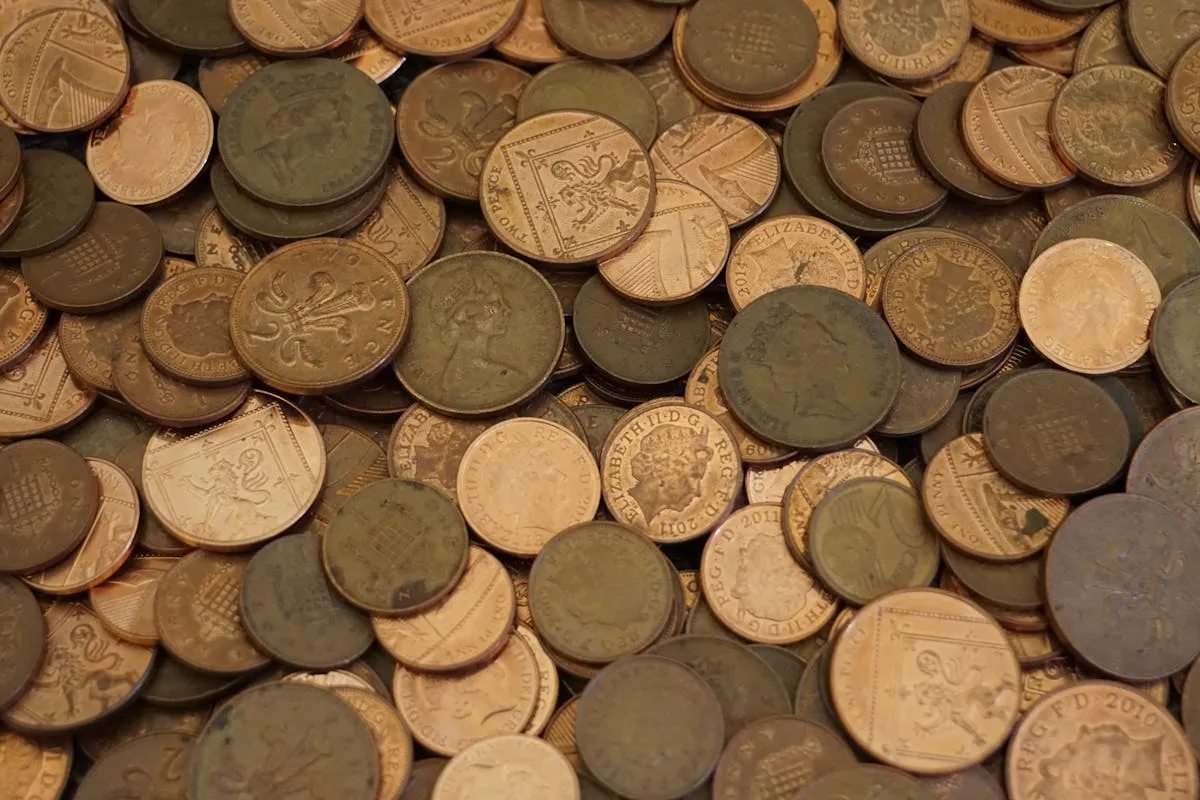
Numismatics is one of the most established collecting fields, with a well-developed grading system and deep market data.
U.S. Coins
Certain U.S. coin types consistently command premiums well above their precious metal content.
What to look for: Morgan Silver Dollars (1878-1921) are the most popular collectible coin series. Key dates include 1893-S, 1889-CC, and 1895 (proof only). Walking Liberty Half Dollars, Indian Head pennies, and gold Liberty coins all have strong collector markets. Condition matters enormously, and even a grade difference of one point on the 70-point Sheldon scale can double or triple a coin’s value.
Price range: Common-date Morgan dollars in circulated condition sell for $30 to $50. Key dates and high-grade examples bring $500 to $50,000 or more. Gold coins carry significant precious metal value plus numismatic premiums.
World and Ancient Coins
Ancient Greek, Roman, and Byzantine coins offer historical significance at often reasonable prices. They represent a growing collector segment.
What to look for: Roman silver denarii and gold aurei with clear portraits and legends. Greek tetradrachms, especially Athenian “Owl” types. Authentication is critical in this category, as forgeries have existed for centuries.
Price range: Common Roman bronze coins start under $50. Silver denarii in good condition typically sell for $100 to $500. Gold coins and exceptional rarities can reach $10,000 to $100,000.
Asian Antiques
Asian antiques, particularly Chinese and Japanese pieces, represent one of the most dynamic segments of the current market.
Chinese Porcelain
Chinese porcelain has been collected in the West for centuries, and the market has expanded dramatically as Chinese collectors have re-entered the market for pieces from their cultural heritage.
What to look for: Reign marks on the base are critical. Pieces from the Ming Dynasty (1368-1644) and early Qing Dynasty, particularly those with Kangxi, Yongzheng, or Qianlong marks, are most sought after. Blue and white pieces, famille rose, and famille verte enameled wares all have strong markets.
Price range: Later 19th-century export porcelain starts at $100 to $500. Genuine Imperial pieces from major reigns regularly sell for $5,000 to $500,000 or more at major auction houses.
Japanese Ceramics and Art
Japanese Satsuma pottery, Imari porcelain, and woodblock prints are all actively collected categories.
What to look for: Satsuma with fine gilding and detailed figural scenes, particularly from the Meiji period (1868-1912). Quality Imari with crisp painting and no damage. Woodblock prints by recognized masters like Hiroshige, Hokusai, and Yoshida.
Price range: Quality Satsuma vases typically sell for $200 to $5,000. Fine woodblock prints by major artists bring $500 to $20,000 depending on rarity and condition.
Jade and Hardstone Carvings
Chinese jade carvings, particularly those in white or celadon jade, are among the most valuable small antiques you can find.
What to look for: Material quality is paramount. Genuine nephrite jade (the traditional Chinese material) and jadeite (the “Imperial jade” prized for vivid green color) should feel cool and heavy for their size. Older carvings with smooth, patinated surfaces and fine detail work command the highest prices.
Price range: Small jade pendants and carvings start at $100 to $500. Important Imperial jade pieces can sell for tens of thousands to millions of dollars.
Specialty Categories Worth Knowing
Beyond the major categories, several niche areas offer surprising value for knowledgeable collectors.
Militaria and Historical Items
Military medals, decorations, uniforms, and equipment have a dedicated collector base. Items with documented provenance, particularly connections to specific battles, campaigns, or notable figures, command significant premiums.
What to look for: Named medals and groupings (multiple medals to the same individual), rare unit insignia, Civil War items, and World War I and II artifacts. Space and aviation memorabilia is a fast-growing subcategory.
Price range: Individual medals typically sell for $50 to $500, but named groupings and rare decorations can bring $5,000 to $50,000.
Antique Cameras
Vintage and antique cameras have seen strong appreciation as both collectibles and functional art objects.
What to look for: Leica cameras (especially M-series and early rangefinders), Hasselblad medium format cameras, and early wooden view cameras are most valuable. Limited editions, prototype models, and cameras with documented notable ownership bring the highest prices. You may also want to learn how to identify valuable coins.
Price range: Common vintage cameras sell for $50 to $200. Collectible Leica models typically bring $500 to $10,000, with rare models reaching $50,000 or more.
Vintage Buttons
It surprises many people, but antique and vintage buttons are a well-established collecting field with real money involved.
What to look for: 18th-century buttons with hand-painted miniatures under glass, Victorian-era picture buttons, Art Nouveau buttons in enamel or art glass, and early Bakelite buttons in unusual shapes. Buttons from notable fashion houses and military buttons with provenance also command premiums.
Price range: Most vintage buttons sell for $1 to $20, but rare 18th-century examples with miniature paintings can bring $200 to $2,000 per button.
Antique clocks are another category where values vary dramatically based on the maker, movement type, and condition. Grandfather clocks, mantel clocks, and carriage clocks all have active collector markets. If you have inherited or found an old clock, our antique clock value guide covers how to identify the maker, read marks, and estimate what your timepiece is worth at auction.
How to Identify Valuable Antiques at Home
You don’t need to be an expert to spot potentially valuable pieces. Here’s a practical approach anyone can use:
Check the bottom first. Maker’s marks, signatures, and date codes are usually on the base or underside of an item. Take clear photos and search for the marks online, or compare them to reference guides.
Look for quality of craftsmanship. Hand-painted details, hand-carved elements, and evidence of skilled workmanship are positive signs. Machine-made items from the 20th century are generally less valuable unless by a recognized manufacturer.
Assess condition honestly. Chips, cracks, repairs, and missing pieces all reduce value, sometimes dramatically. A figurine with a repaired finger might sell for 50% less than one in perfect condition.
Research comparable sales. Check completed auction results (not asking prices) on platforms like LiveAuctioneers and Invaluable to see what similar pieces have actually sold for recently.
Get a professional appraisal. For items you believe may have significant value, a certified appraisal provides the documentation you need. This is especially important for insurance purposes, estate planning, or before selling at auction.
What to Do If You Find Something Valuable
If you’ve identified pieces that may be worth significant money, here’s the smart approach:
-
Don’t clean or restore anything. Well-meaning cleaning can destroy patina and reduce value. Leave conservation to professionals.
-
Document everything. Photograph pieces from multiple angles, including marks, signatures, and any damage. Note any provenance information you have.
-
Get an expert opinion. General antique dealers may not have deep expertise in specific categories. A specialist auction house with experience in your category will give you the most accurate assessment.
-
Consider your selling options carefully. Private sales, consignment to a dealer, and auction all have different advantages. For higher-value items, a specialized auction house typically achieves the best results. Tell us about your collection for a free evaluation. Tell us about your collection for a free evaluation because the competitive bidding process drives prices up.
-
Don’t rush. The antiques market rewards patience. Selling at the right time, to the right audience, through the right channel can mean the difference between getting fair value and leaving money on the table.
If you are ready to sell your collection, our downsizing walks you through the process step by step.
Frequently Asked Questions
What is the most valuable type of antique?
Fine art, particularly original paintings by recognized masters, consistently achieves the highest prices at auction. However, rare Chinese Imperial porcelain, important coins, and exceptional pieces in virtually any category can reach six or seven figures. The “most valuable” antique is always the one with the rarest combination of quality, rarity, condition, and provenance.
How do I know if my antiques are worth money?
Start by identifying the maker, which is usually found in marks on the base or underside. Research comparable auction results for similar pieces. For items you believe may be valuable, a professional appraisal from a certified appraiser provides the most reliable valuation. Many auction houses offer free initial evaluations for potential consignments. Lion and Unicorn provides free online estimates where you can submit photos for a quick assessment.
Are antiques increasing in value?
The market varies by category. Victorian-era decorative arts, early 20th-century pieces (Art Nouveau and Art Deco), and certain porcelain categories are trending upward in 2026. Mid-century modern has cooled from peak prices. Chinese antiques remain strong as collectors from China continue to buy back pieces from their cultural heritage. The best antiques, regardless of category, tend to appreciate over time.
What antiques are hardest to find?
Pre-1800 American furniture in original condition, early Meissen porcelain, Ming Dynasty Chinese ceramics, and pieces with documented provenance to important historical collections are among the scarcest categories. Any antique from a maker with a short production history, like George Ohr pottery or early Martin Brothers stoneware, is inherently rare due to limited output.
Where is the best place to sell valuable antiques?
For items of significant value, a specialized auction house is generally the best option. Auction houses attract motivated buyers who compete against each other, which typically drives prices higher than private sales or dealer offers. Look for an auction house with specific expertise in your category. For example, Lion and Unicorn has deep specialization in European porcelain, crystal, American art pottery, coins, and fine art, with 30+ years of auction experience and a global buyer network.
Lion and Unicorn is a full-service auction house based in Hollywood, Florida, with over 30 years of experience specializing in art, antiques, and collectibles. Our team of certified appraisers handles everything from single-item consignments to complete estate liquidations, with nationwide pickup and shipping services. Tell us about your collection, contact us at (954) 866-8044, or visit our gallery at 200 Oakwood Lane, Hollywood, FL 33020.
Have antiques, art, or collectibles you’re ready to sell? Contact Lion and Unicorn to speak with our team.
Free Consultation
Ready to Sell Your Estate or Collection?
Lion & Unicorn's expert team offers free appraisals and nationwide pickup service.
Over 30 years of experience — Florida's most trusted auction house.