

Royal Copenhagen Figurines Value: Collector Guide
Free Consultation
Ready to Sell Your Estate or Collection?
Lion & Unicorn's expert team offers free appraisals and nationwide pickup service.
Over 30 years of experience — Florida's most trusted auction house.
Finding the specific blue backstamp on your Danish porcelain is the first step toward a professional valuation. Those small marks can separate a widely available example from a scarce issue that deserves closer auction research.
Request a free appraisal of your Royal Copenhagen collection.
What determines Royal Copenhagen figurines value?
Royal Copenhagen figurines value depends on model scarcity, production date, designer, condition, and current collector demand. The backstamp and model number identify the issue, while authentic auction results reveal what buyers have recently paid. Damage, restoration, and factory-second marks can materially reduce an otherwise desirable figurine’s market value.
Begin with the base of each piece. Royal Copenhagen has produced hard-paste porcelain since 1775, but age alone does not guarantee a premium. Specialists weigh the model’s production history, artistic importance, condition, and comparable sales together before setting an estimate. For a related porcelain comparison, see the Royal Doulton figurines value guide.
Scarcity and model numbers
Low production runs often drive the high prices. Rare models or those made for a short time are hard to find and cost more. You can find the model number on the bottom of the piece. This mark helps you find the exact name and series in old books or sales logs.
Large or complex items also hold more value than small ones. Some pieces use many molds to create one figure. These items took more work to make and are often more prized by buyers. It is also good to look for a stamp from a known artist like Gerhard Henning, as signed works often bring more at auction.
Date marks and backstamps
Age is a big factor, but “old” does not always mean “pricey.” To find out how old your piece is, look at the factory mark. The three blue wavy lines stand for the three main waterways in Denmark. The factory added small dots or lines around the crown or name to mark the year.
Expert porcelain valuation involves reading these tiny marks to set a date. A piece from the early 1800s will often bring more than a new one of the same style. But, high demand for mid-century modern looks can sometimes push prices up for later items as well.
Condition and market reality
Condition is the most vital part of the price. Even a tiny chip or a line in the glaze can cut the price in half. Collectors want perfect pieces. At Lion & Unicorn, you can get a condition report before you bid to be sure of the quality. This helps you avoid the risk of buying a damaged item that will not hold its worth. For another collector reference, see the Royal Doulton identification and value guide.
It is also key to know the gap between an asking price and what someone pays. Many sellers list items for high prices on the web, but these are not real values. The table below shows how to judge the true market worth of your collection.
| Price Type | Market Source | Value Weight |
|---|---|---|
| Asking Price | Online Listings | Low (often too high) |
| Hammer Price | Live Auctions | High (real cash paid) |
| Retail Price | Antique Shops | Medium (includes markup) |
| Expert Appraisal | Specialists | High (best for insurance) |
How do you identify Royal Copenhagen backstamps?
Identify a Royal Copenhagen backstamp by examining the underside for three blue wavy lines, a crown or factory name, a model number, and painted or incised control marks. The exact placement of lines, dots, and typography can narrow the production period, but each clue should be read with the others.
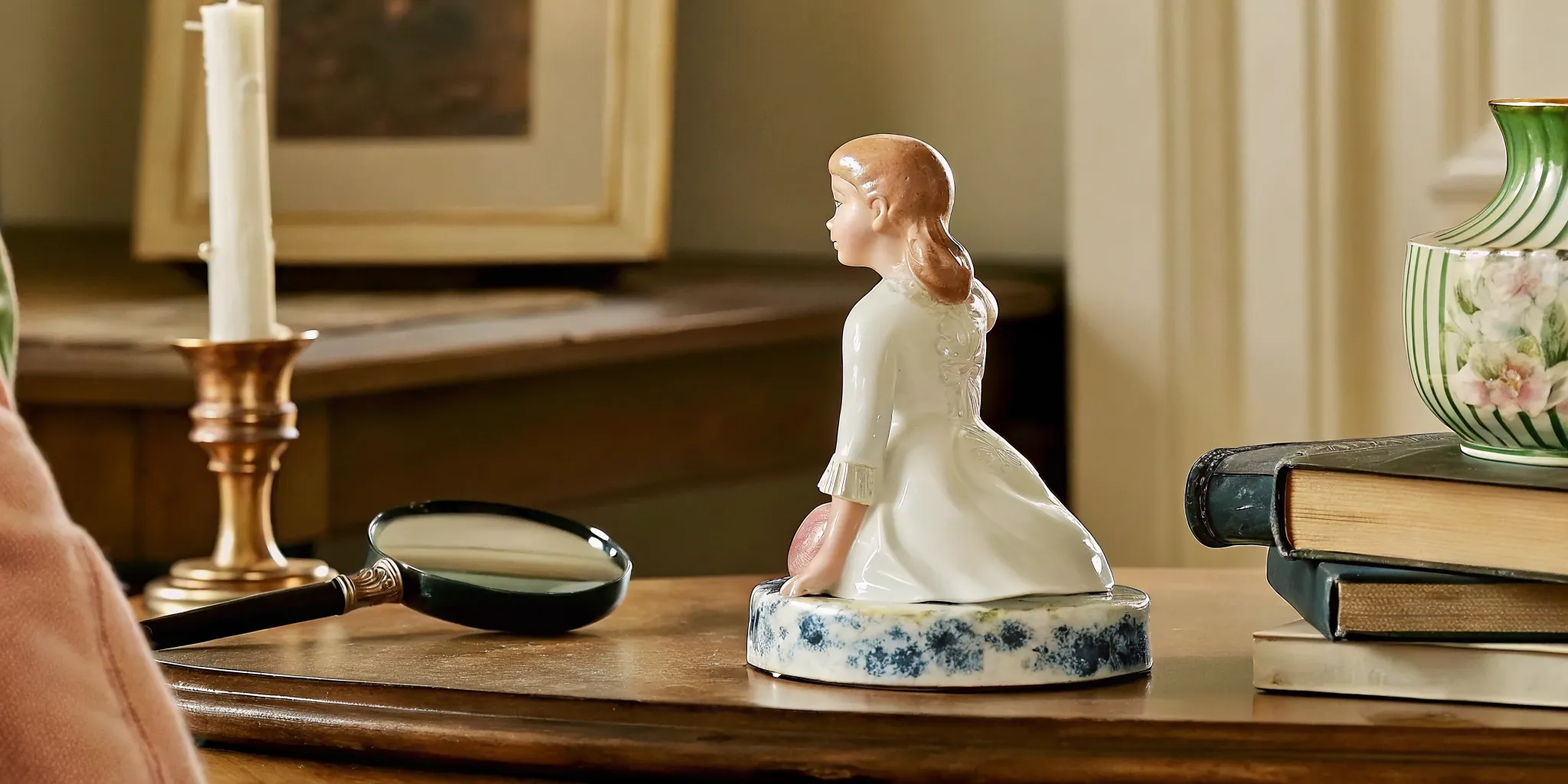
Turn the figurine over on a padded surface and photograph every mark before researching it. Specialists use the complete group of factory, model, and painter marks to establish age and attribution, much as they do when identifying and valuing Lladro figurines.
Look for the three blue waves
The most famous mark is the three blue waves. These waves stand for the three main seas in Denmark. The factory has used this mark since it began in 1775. You will see these waves painted in a deep blue color by hand. They are a sign of real skill. The waves are never exactly the same because an artist draws them. Many people look for this mark first to know if a piece is true Royal Copenhagen. You can learn more about the early days at the Metropolitan Museum of Art, which keeps many old pieces. This mark has stayed the same for over two hundred years.
Check for the crown and numbers
Next to the waves, you will often find a green crown. Most crowns are printed on the surface in green ink. This crown shows that the piece was made for the royal family. The style of the crown has changed a few times over the years. Below the crown, there are usually two sets of factory numbers. The top number is the shape number. It tells you what kind of figure it is. The bottom number is the artist’s mark. It shows who painted the piece. You might also see small letters or initials. These belong to the person who made the item. Knowing these details is a big part of porcelain figurine valuation for any collector. These numbers help you find the exact name of the figure.
Find hidden dates and clay marks
The way the factory spells “Royal Copenhagen” can tell you the year. Look for a small dot or a tiny line near a letter. For example, a dot over the “R” means one year. A dot under the “U” means a different year. These marks are very small. You may need a lens to see them well. This system began in 1935 and is still used today. Before that time, the marks were not as clear. Also, look for marks pressed into the clay while it is wet. A scratch through the waves often means the piece was a “second” with a small flaw. These items are still pretty, but they may have a lower price. Always look at the whole base to find every mark. Do not trust just one sign when you check your figurines.
How can you date a Royal Copenhagen figurine?
Dating a piece of porcelain is vital to knowing its past. It helps you find the porcelain figurine valuation with ease. Royal Copenhagen has made fine porcelain since it was founded in 1775. Over the last two hundred years, the factory marks have changed many times. These marks give you clues about when an item left the factory. When you know the age, you can better judge the royal copenhagen figurines value in today’s market.
The three blue waves
The most famous mark is the three blue waves. These waves stand for three main seas in Denmark. They are the Sound, the Great Belt, and the Little Belt. The waves were the first mark used by the factory. On very old pieces, the waves might look a bit messy. On newer items, they are often very neat. Most pieces also have a crown above the waves. The style of this crown changed every few decades. This helps you narrow down the time frame for each piece. After 1894, the stamp often included the word “Denmark” to show where the item was made.
Dating with the dot system
In 1935, the factory began a new way to mark the year of making. They put a small dot or line over or under a letter in the name. You should look at the words “ROYAL COPENHAGEN” on the base. For example, a mark over the “R” means one year. A mark under the “N” means a different year. This system is very helpful for owners. It lets you find the exact year the piece was made without a lot of guesswork. You can use a date chart to see what each mark means. This is a common way to track the valuing porcelain figurines in a group.
Model and artist marks
Most figurines also have numbers on the bottom. These numbers show the shape and size of the piece. Usually, the top number is the model number. The bottom number might be the size. Some famous artists like Gerhard Henning designed specific models. You can look up these numbers in old factory books to see when a design first came out. The painter also left initials or a mark in blue. These marks show that the piece was painted by hand. All of these details help you tell a real piece from a fake one.
Steps for dating your figure
If you have a piece at home, you can follow these steps to find its age. It is a slow process, but it is very helpful for a collector.
- Clean the base of the figure. Use a soft cloth and a bit of water to wipe away dust. You need to see the blue waves and green stamps clearly.
- Check the crown and the waves. These are the main marks. The crown style can show if the piece is from the 19th century or the 20th century.
- Look for a small line or dot. Use a small lens to check each letter in the words “ROYAL COPENHAGEN.” A tiny mark above or below a letter marks the year.
- Find the model number. This number is usually in green ink. It tells you the shape and design of the figure. Some rare shapes are worth more.
- Review the painter’s mark. Look for small blue initials or symbols near the waves. These show which artist finished the piece.
- Compare the marks with a chart. Use a known guide to match the dot or line with a set year. This will give you the most exact date.
Which Royal Copenhagen series attract collectors?
People who collect fine porcelain often look for certain themes or sets. The Royal Copenhagen plant has made many types of figures since it started in 1775. While some people collect every piece they find, most experts look for items that belong to a clear group. These sets often share a common style or topic. Knowing which sets are in high demand can help you know royal copenhagen figurines value in today’s market.
Animals and Wildlife
Animal figures are some of the most liked items from this maker. These pieces show great skill in showing the spirit of nature. People look for birds, fish, and farm pets. Wild animals like polar bears and big cats also sell for high prices. Many of these designs use soft colors that are a sign of the brand. This style gives the animals a real look that people love.
Some of the most liked animal figures include:
- Sea birds and owls with detailed feathers.
- Polar bears in many ways, from small cubs to large adults.
- Dogs and cats that show certain types.
- Marine life like fish and crabs.
These are popular, but high demand does not always mean a piece is rare. Many animal pieces were made in large lots for years. You should check the form number on the bottom of the piece. This code tells you just which model you have. Some small changes in a pose or size can change the price quite a bit. If you are new to the hobby, you might find valuing porcelain figurines a helpful place to start learning about the market.
People and Social Scenes
Figures of people also hold a top spot in many collections. These often fall into groups like children, workers, or pairs. The “Children of the World” set is a good example of a series that many people try to finish. Job figures show people doing work like fishing, farming, or sewing. These pieces often remind people of a simpler time. They are valued for their charm and the past they show.
Large groups of figures or pairs of people usually have more worth than single items. This is because they are more complex to make. They are also harder to keep in good shape over the years. These larger works often serve as the main part of a show. They show the full talent of the plant’s artists. Royal Copenhagen has kept working for hundreds of years by making these high-quality works. You can find more about their long history at the Metropolitan Museum of Art online.
The Impact of Famous Designers
The name of the artist who made the design is a big part of its worth. Famous names like Gerhard Henning or Christian Thomsen made many of the most famous pieces. Henning is known for his detailed and skilled works that push the limits of porcelain. You can see examples of his style in shows at major art museums around the world. When a famous designer made a piece, it often becomes a prize for serious collectors.
Stopped sets also drive up prices. Once the plant stops making a certain shape, the supply stays the same while the demand may grow. Collectors keep an eye out for these rare finds. They often look for pieces with unique marks or older dates. These details help show that a piece is an early version or part of a small run. Finding a rare piece from a top designer is the goal for many in the trade.
What are true Royal Copenhagen figurine price ranges?
The market for Royal Copenhagen figurines covers a wide range of prices. Since the maker began in 1775, it has made many types of figures. Some items are common and sell for low prices at auction. Other rare works can reach much higher values. When you look at the valuing porcelain figurines like these, you must think about who made the piece and when. The factory is famous for its high quality hard-paste porcelain which buyers still want today. Most prices reflect how rare a piece is and its state of health.
Drivers of figurine value
The artist who designed the work is a key part of its price. Famous names like Gerhard Henning often bring in many bids. Works by a known Danish designer tend to keep their value well over time. Rare colors or shapes also help a piece stand out in a crowded market. If a figure was only made for a short time, its rarity will drive the cost up. Buyers often pay a high cost for pieces that are hard to find in the open market.
The series or theme of the piece also matters for the royal copenhagen figurines value. Some buyers only want animal figures, while others look for human forms. Common items like yearly plates or small birds may have a lower starting price. Large, complex scenes with many figures are often at the top of the price scale. You should also check for special marks on the bottom that show the date of the piece. These small marks can change the price by a large amount if they show the piece is very old.
Auction estimates versus hammer prices
When you buy at auction, you will see a guess and a hammer price. The guess is what the experts think the piece will sell for. The hammer price is the final bid when the sale ends. These two numbers are often unlike. A hot item may sell for much more than the first guess. You should also think about the fees that the auction house adds to the final bid. These fees mean the total cost is higher than just the hammer price.
Retail prices in a shop are usually higher than what you get at auction. A shop has to pay for rent and staff, so they charge more. Auctions show the true market value because people bid what they want to pay. This is why many people use auction results for a porcelain figurine valuation. It shows what buyers are really paying right now in a live sale. This data is the best way to see the true worth of your items.
The role of authentication and condition
Condition is a major factor for anyone finding vintage figurines. Even a small chip or crack can drop the price by a large amount. Experts use a close look to find any repairs that might be hidden. At Lion & Unicorn, you can ask for a full report on the state of a piece. These reports are ready for you up to 24 hours before the sale starts. Getting a report helps you know exactly what you are buying.
Proving that a piece is real is also a key step in setting a price. Experts use a mix of visual checks and past records to check an item. Knowing where a piece came from helps build trust with buyers. If you buy a piece that is not real, you have seven days to make a claim. This safety net helps people bid with more trust. Exact records and expert eyes ensure that the final price reflects the true quality of the work.
How does condition affect collector value?
Condition can determine whether bidders compete aggressively or discount a figurine. Chips, cracks, restoration, glaze crazing, and missing elements generally reduce value, especially on delicate extremities. Factory flaws and second-quality marks require separate interpretation because they originated during production rather than through later damage.
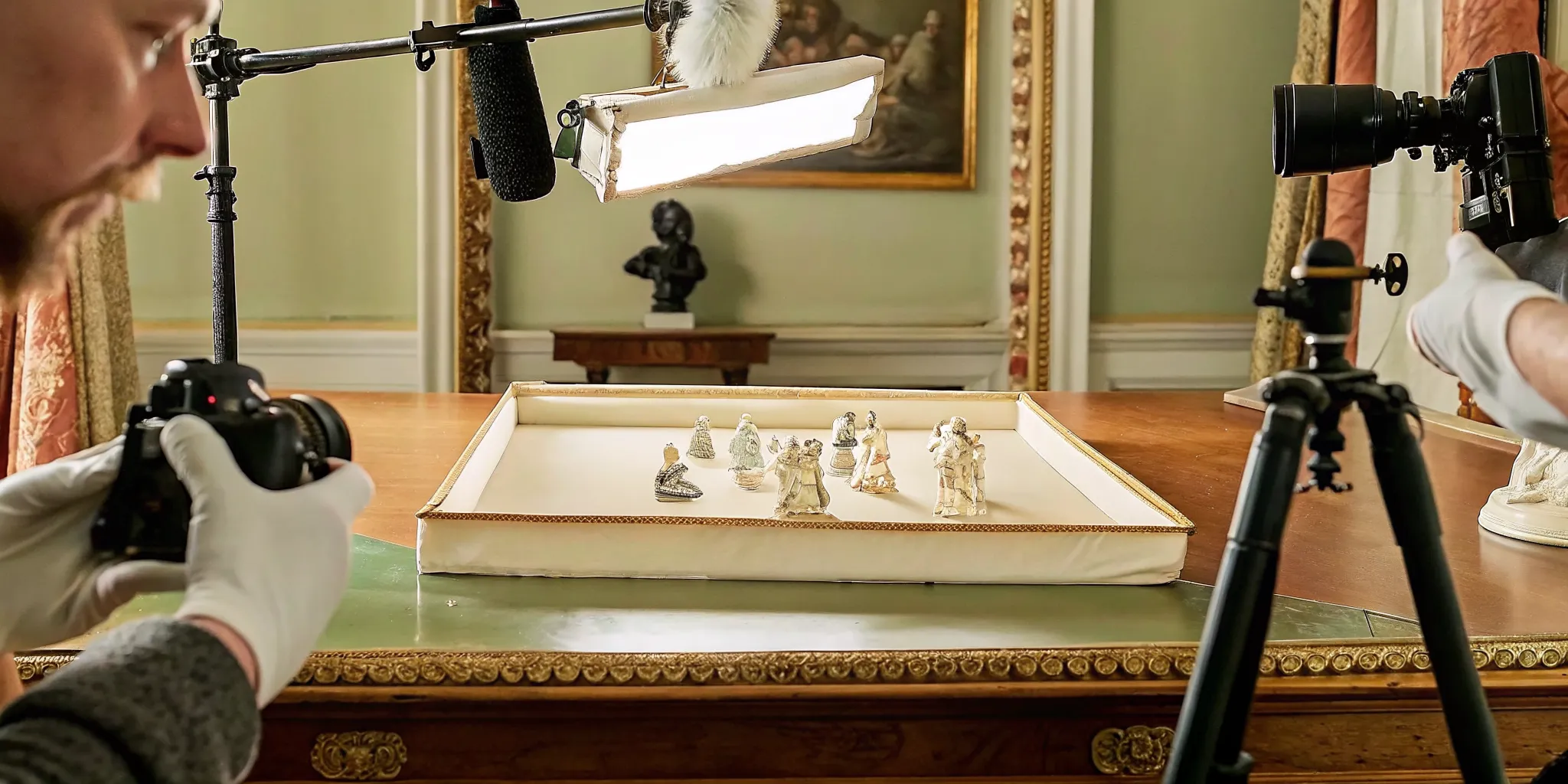
Inspect ears, fingers, flowers, tails, and other projecting details under bright, angled light. Compare findings with the standards used for Boehm porcelain figurine values, and disclose every issue so bidders can price the piece confidently.
Check for chips and cracks
You should first look for chips along the sharp edges of the piece. Check the ears of pets or the fingers of people, as these small parts break often. Use a bright light to find cracks that hide under the glaze. These marks are hard to see but stay a key part of the valuing porcelain figurines task. Look for crazing, which is a web of fine lines on the surface of the glaze. Check the base of the item too. Small chips there can be easy to miss but still hurt the Royal Copenhagen figurines value.
Firing flaws and factory marks
Some marks come from the factory and do not hurt the price as much. Firing flaws happen in the kiln during the build. These are not the same as harm that comes later. Experts use a specialist inspection to show that the hard-paste porcelain remains solid. A kiln mark is a sign of a hand-made piece and can even prove the item is real. A kiln mark shows how the clay reacted to the heat. It is a part of the history of the factory and the work of the artist.
Watch for old repairs
Old fixes can hide big breaks, but they rarely bring back the full price. Shine a black light on the figurine to find spots where the paint or glaze does not match. New paint often glows in a way that is not like the old finish. If a pro fixed a piece, it may still be worth some cash. But it will not reach the top price of a mint item. Always ask for a state report before you buy a high-priced item. A state report will list all known breaks and fixes. This record helps you know if the price is fair for the shape it is in.
Safe check list
When you check your set, follow these simple steps to stay safe. Do not use harsh soaps that can scratch the skin of the porcelain. If you find dirt, use a soft cloth and warm water only. Poor cleaning often does more harm than good and can lower the worth of the piece. Avoid using any hard tools to scrape off dirt or old glue.
- Wash your hands before you touch the item to remove oils.
- Hold the piece by the base, not by the head or arms.
- Use a soft brush to remove dust from small gaps.
- Keep the item away from direct sun to save the colors.
- Store items in a glass case to keep them safe from falls.
By following these rules, you can keep your pieces in top shape for years. A well-kept set will always bring more joy and a better gain when it is time to sell. If you find a break, do not try to fix it at home. Seek a pro who knows how to work with fine art to save the Royal Copenhagen figurines value.
How should you prepare a collection for auction?
Prepare a Royal Copenhagen collection for auction by inventorying model numbers, photographing every backstamp, recording condition, and preserving boxes or provenance. Keep rare models separate until a specialist advises on lotting. Clear records help the auction house authenticate, describe, estimate, and market each figurine to the right collectors.
A careful inventory gives specialists the evidence needed to research comparable sales and recommend whether each figurine should sell individually or in a group.
Ask Lion & Unicorn how to prepare and consign your porcelain collection.
Gather and sort your list
The first step is to make a full list of every piece in your set. For Royal Copenhagen, this means looking for form numbers and marks on the bottom. These marks tell the story of when and where the factory made the piece. Knowing these details is key to porcelain figurine valuation because some years are much rarer than others. Some marks show the work of a famous artist, such as Gerhard Henning, which can raise the price.
As you build your list, group items by their series or type. Put all the Christmas plates in one place and keep animal figures in their own group. This helps you track what you have and ensures nothing gets lost during the move. A clear list also makes it easy for the auction team to start their work. They can quickly see the size and depth of your set. It also helps them find the best slot in their sale plan for your items.
Document condition and history
Buyers want to know exactly what they are getting before they bid. You should take clear photos of each piece from all sides. Be sure to get close-up shots of any marks, stamps, or signs. These photos are the first thing a buyer sees. They help show the high quality of items from the Royal Porcelain Manufactory, which has made fine wares since 1775. Good photos can make a big change in how much interest your items get.
You must also be honest about any chips, cracks, or repairs. Even small flaws can change the price of a piece. If you have the first boxes or sales papers, keep them with the items. This history, or provenance, adds a lot of worth to the set. Experts use these papers and a visual check to authenticate porcelain figurines before they go up for sale. Giving this info early helps the house create a clear report for bidders. It builds trust with people who are ready to spend a lot of money on rare art.
Group pieces for the best return
Choosing how to sell your items can change your total profit. Sometimes, a very rare figure sells best on its own. Other times, a group of like items might draw more interest from new collectors. Your auction house will help you decide the best way to split or group your lots. They look at current trends to see what buyers want right now. This choice is vital to getting the most from your hard-paste porcelain pieces.
The auction house will give you a price range, or estimate, for each lot. This range is based on what like items have sold for in the past. It is not a promise of the final price, but it gives you a good idea of what to expect. After the sale, the house will pay you the final bid price minus their fees. This is why you should look at porcelain value guides to see how other brands perform. Taking these steps to prepare your set ensures the process is smooth and fair for all.
Frequently Asked Questions
Is Royal Copenhagen worth a lot today?
Some Royal Copenhagen figurines command strong prices, but value varies widely by model, date, designer, condition, and demand. A recognizable name or old backstamp alone does not guarantee a high result. Compare the exact model with recent auction sales rather than relying on unsold asking prices.
How do I get an expert price check for my figurines?
Photograph the front, back, base, model number, marks, and any damage, then request a specialist appraisal. An auction expert can identify the issue, research comparable results, assess condition, and recommend a realistic estimate. Request a free art and antiques appraisal to begin.
Does damage or repair lower Royal Copenhagen figurine prices?
Yes. Chips, cracks, missing elements, and restoration usually reduce buyer confidence and value. The effect depends on the defect’s location, visibility, and the figurine’s rarity. A scarce model may still attract bidders with disclosed restoration, while comparable perfect examples generally command a premium.
How do I know if my Royal Copenhagen piece is real?
Examine the underside for the three blue waves, factory marks, model numbers, and production-period details. Then compare the porcelain body, glaze, painting, and form with documented examples. Because marks can be misread or copied, a specialist should assess valuable or uncertain pieces before sale.
Get a Professional Evaluation and Maximize Your Collection Value
Leaving your rare Royal Copenhagen figurines in storage for too long can lead to a drop in their value as market trends shift over time. Storing these porcelain figurines for years also puts them at risk of chips or cracks that will slash the price you get at the next sale. Starting your evaluation now gives our experts the time to find the best buyers from all over the world who want your rare Danish porcelain.
Ready to request a professional auction evaluation? Call +1 954-866-8044 to request a professional auction evaluation and learn about our porcelain value guides. We have helped collectors for over thirty years and look forward to finding the right auction buyers for your set.
Free Consultation
Ready to Sell Your Estate or Collection?
Lion & Unicorn's expert team offers free appraisals and nationwide pickup service.
Over 30 years of experience — Florida's most trusted auction house.