

Vintage Costume Jewelry Value Guide: Identification, Marks, and Pricing
Free Consultation
Ready to Sell Your Estate or Collection?
Lion & Unicorn's expert team offers free appraisals and nationwide pickup service.
Over 30 years of experience — Florida's most trusted auction house.
A forgotten box of old brooches and clip-on earrings in an attic can hold a surprising financial windfall.
Schedule a free vintage costume jewelry appraisal with Lion and Unicorn today to discover the true market value of your inherited pieces.
Our vintage costume jewelry value guide shows that while common unsigned pieces often sell for under twenty-five dollars. Signed designs from top makers can command hundreds or even thousands of dollars. Collectors and appraisers evaluate these items by checking for designer signatures, assessing wear or damage, and identifying historical materials like rhinestones or poured glass. Rare items from premier manufacturers such as Trifari, Miriam Haskell, and Coro remain highly collectible in today’s active estate market. Working with a professional auction house helps you find the true worth of an inherited collection, especially when navigating estate liquidation.
Before you can accurately price an inherited collection, you must understand what makes these non-precious pieces unique. The journey to determining accurate market prices begins with defining the term and its history. Let us look at our first key topic.
What Is Vintage Costume Jewelry?
Vintage costume jewelry is decorative jewelry made from non-precious metals and synthetic materials. Unlike fine jewelry, which uses gold, platinum, and diamonds, costume pieces rely on base metals, glass beads, and rhinestones. It offers a stylish way to wear bold designs without the high cost of rare gems. Over the years, these pieces have built their own rich history, turning everyday items into highly prized collectibles.
A History of Fashion and Glamour
Modern costume jewelry grew popular in the 1920s. During this era, flappers wore long beaded necklaces and ornate brooches to coordinate with their new style of clothing. This trend allowed people to match their accessories to specific outfits, which were then called costumes. When the Great Depression hit in the 1930s, these affordable pieces became even more important. Faux jewels allowed women to enjoy a sense of luxury and style when expensive, fine jewelry was far out of reach.
Wartime Shifts and the Post-War Boom
The industry faced big changes during World War II. Metal rationing forced makers to find other materials, leading to the use of sterling silver, wood, and plastic for patriotic sweetheart jewelry. When the war ended, a major boom began. Famous design companies like Napier, Coro, and Trifari mass-produced stylish, high-quality lines. These classic items are highly sought after by collectors today.
Recognizing True Value
If you have inherited a collection or found old pieces in an estate, you may want to know what they are worth. Many common, unsigned pieces sell for modest prices, but signed items from top designers can be worth hundreds or thousands of dollars. Working with experienced appraisers is the best way to identify maker marks, evaluate condition, and find the true market price of your collection.
How Do You Identify Vintage Costume Jewelry Marks and Signatures?
Identifying vintage costume jewelry starts with reading maker marks, examining materials, and checking construction quality. High-value items from past eras are not just pretty accessories. They are fine works of art that carry specific stamps and signs of real craft. For collectors and estate executors, recognizing maker signatures is the first step toward a correct appraisal.
Here are the essential steps for identifying your vintage costume jewelry:
- Check the back of pins, brooches, and large pendants with a magnifying glass for stamped signatures
- Look at the inside band of rings and bracelets for maker marks or patent numbers
- Examine necklace clasps, hooks, and small metal tags where designer stamps often hide
- Search for copyright symbols added after 1955, which help date a piece
- Use a online database like the USPTO to look up patent numbers and confirm age
Where to Find Maker Signatures and Marks
Maker marks can hide in very small places on vintage jewelry. These stamps may be faint due to age and wear. Checking these spots is a key part of identifying maker signatures in estate items. Learning to spot these subtle details separates casual collectors from serious appraisers.
Common Types of Jewelry Marks
You will find several types of marks when checking vintage jewelry:
- Stamped signatures , Brand names impressed directly into the metal surface
- Copyright symbols , Added after 1955, useful for dating pieces
- Patent numbers , Often stamped as PAT. PEND. or with a full patent number for lookup on the USPTO database
- Design patent marks , Des. plus a number, indicating a registered ornamental design
Finding an exact patent date helps you pin down the year of make and confirms the age of your piece.
Quality Materials and Craft Signs
Fine vintage costume jewelry uses high-grade materials that hold up over time. Look for heavy, prong-set rhinestones rather than glued ones. True vintage items feature poured glass, rich enamel work, and heavy gold-tone or silver-tone metal finishes. You may also find old plastics like Bakelite, a dense early plastic with a distinct weight. High-quality pieces have smooth backs, sturdy joints, and secure pin backs. Checking the metal weight and stone settings helps separate top items from cheap modern copies.
Which Vintage Costume Jewelry Designers Are Most Valuable?
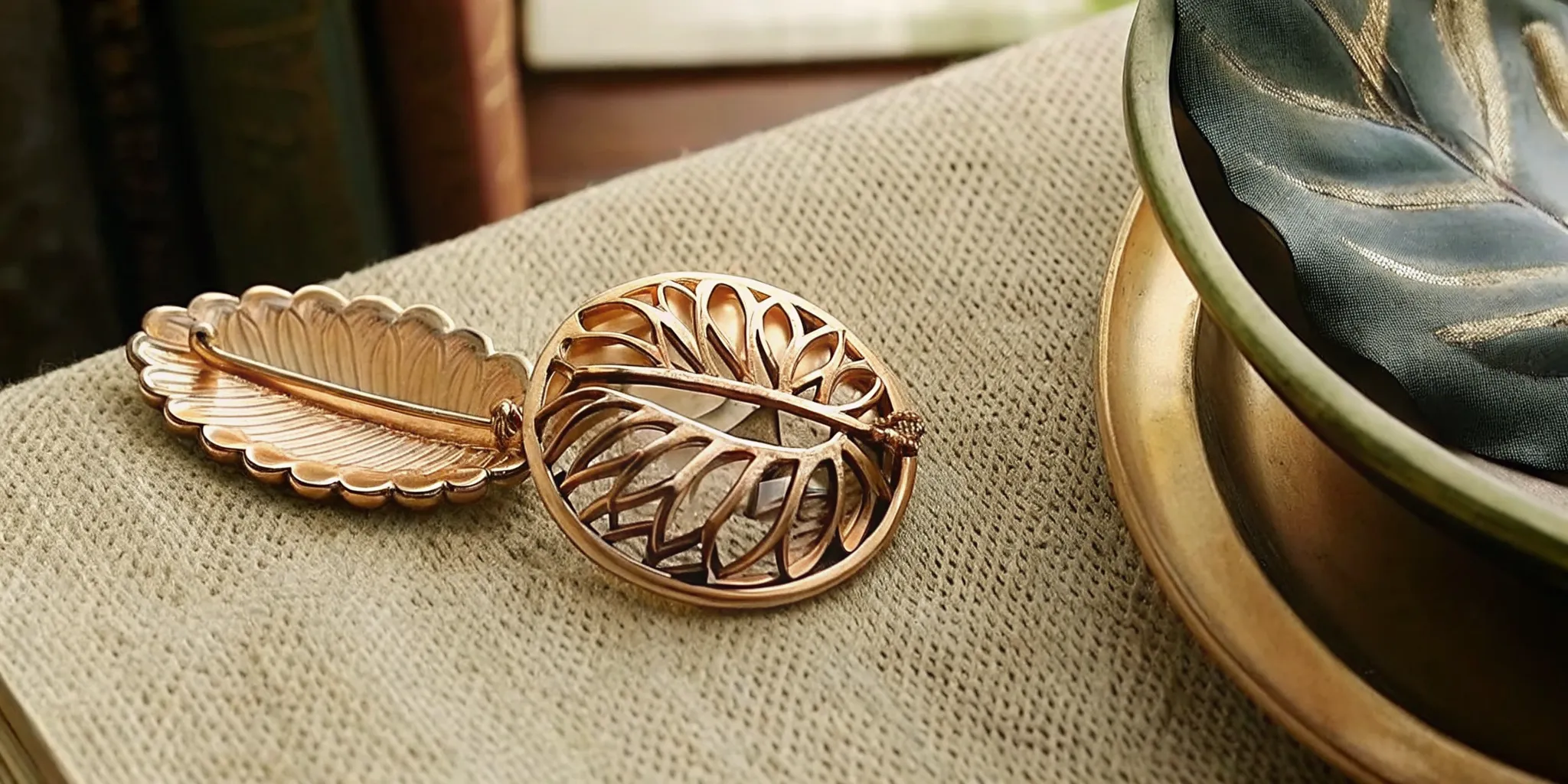
The most valuable vintage costume jewelry designers include Trifari, Miriam Haskell, Coro, Eisenberg, and Chanel, with signed pieces from these makers commanding premium prices at auction. To master your search using a vintage costume jewelry value guide, you must learn to recognize the top designers from the golden era of production. Highly sought-after designers command much higher prices than unsigned jewelry on the secondary market.
Trifari: The Standard of Vintage Glamour
Founded in the early twentieth century, Trifari became one of the most famous names in the industry. The firm is known for its high-quality metal plating, colorful poured glass, and faux pearl settings. Many of their best pieces from the mid-century carry the Trifari crown mark or a simple stamped signature. Collectors look for their classic retro crown pins and jelly belly animal brooches. These iconic pieces are highly collectible and often hold their value well over time.
Miriam Haskell: Intricate Hand-Wired Beads
Miriam Haskell stands out for her highly detailed and purely handmade designs. Unlike other makers who cast metal, Haskell workers wired beads, pearls, and rhinestones by hand onto metal filigree backings. Most signed pieces carry a script signature mark on a small metal tag. Due to the high level of labor, recognizable names like Trifari and Miriam Haskell command higher prices than unsigned pieces. Collectors routinely pay a premium for Haskell items that show no green rust or loose wiring.
Coro: Dual-Purpose Duette Pins and Fine Details
Coro was once one of the largest jewelry makers in the world. They are famous for their convertible pins, known as Duettes, which can be worn as a single large brooch or split into two matching clips. Coro used many marks over the years, including the Coro Craft script and an Indian Chief profile stamp. A Coro Candelabra pin sold for about 110 dollars, while rare items like a Coro Indian Chief brooch reached 383 dollars in public online sales on eBay. These sales show how specific patent designs drive up values.
Monet and Napier: Masters of Tailored Metal
Monet and Napier focused on polished gold-tone and silver-tone metal looks rather than bright rhinestones. Monet began making jewelry in the late 1920s and is famous for its triple-plated finishes that do not wear off. Their pieces usually feature a clean block letter stamp. Napier is known for its bold geometric and modernist metalwork from the 1950s through the 1970s. Both brands offered simple, clean everyday wear, but their large statement necklaces and heavy link bracelets remain highly collectible today.
Eisenberg and Chanel: High-End Luxury Creations
Eisenberg started as a clothing company but became famous for the sparkling crystal rhinestones on its dress clips. These heavy fur clips used fine Austrian crystals that mimic real diamonds. At the top of the luxury scale, rare French designs by Chanel using poured glass from Maison Gripoix can reach 2,500 dollars or more at specialty auctions. For more details on finding the market price of luxury estate items, explore our guide to selling inherited jewelry collections to understand the full appraisal and auction process.
What Makes Vintage Costume Jewelry Valuable?
Several key factors determine the price of vintage costume jewelry: designer signatures, overall condition, material quality, rarity, and historical era appeal. While fine jewelry relies on precious metals and rare gemstones, costume jewelry achieves its value through creative design, historical context, and maker reputation. Understanding these elements can help you evaluate your inherited items and determine if they are worth a professional assessment.
According to the National Endowment for the Arts historical guides at arts.gov, mid-century costume jewelry reflects a unique era of design. Makers used base metals and artificial stones to craft high-fashion looks for the general public. These historic items remain highly collectible today due to their artistry and cultural significance.
Designer Signatures and Maker Marks
One of the most important aspects of valuing vintage costume jewelry is finding a signature or maker mark. Stamped names, logos, or patent numbers prove the origin of a piece and can raise the price. Famous companies like Trifari and Miriam Haskell command premium prices because of their reputation for high design standards. Checking for these marks is always your best starting point. While unsigned pieces can still be beautiful, signed items carry a clear market history that appeals to serious buyers.
Overall Condition and Preservation
The state of a piece of jewelry directly affects its market appeal and price. To get top value, an item must have intact stones, working clasps, and minimal wear on its metal finish. Damage like cloudy rhinestones, chipped enamel, or green metal rust can lower the price. Collectors want items that look as close to new as possible. If you need help checking the condition of a large collection, working with certified jewelry appraisal services can give you an accurate view of what your items are worth.
Rarity, Materials, and Era Appeal
Rarity and the quality of materials also play major roles in determining worth. Pieces made from desirable materials like Bakelite, poured glass, or items with an aurora borealis finish are highly sought after. Limited production runs and unusual shapes from the 1920s Art Deco or 1950s Retro eras are also hot. When a piece has an uncommon design and remains in great shape, collectors will compete to buy it at auction.
Vintage Costume Jewelry Value Guide: Prices by Designer and Type
The secondary market divides costume jewelry into clear price brackets based on maker marks and overall rarity. Unsigned, mass-produced pieces usually sell for one to twenty-five dollars, while signed mid-tier items regularly bring twenty-five to one hundred dollars. Premium signed designs by famous makers range from one hundred to five hundred dollars. And rare museum-quality or exhibition pieces can command five hundred to over two thousand five hundred dollars at specialty auctions.
Market Value Factors
To determine the true worth of any piece, collectors examine the manufacturer name, style, and physical wear. Signed pieces from coveted makers like Trifari or Eisenberg are highly sought after by collectors, which directly impacts their market demand. A clear signature stamp or design patent mark can easily triple the resale value of an item compared to an identical but unsigned piece. Pristine condition is also vital, as heavy metal wear, missing rhinestones, or chipped glass enamel will sharply reduce the price a buyer is willing to pay.
Recent Sales and Realized Prices
Analyzing recent public sales shows how much collectors will pay for specific designers and styles. The table below lists realized prices for popular vintage costume jewelry types from reputable online platforms and antique marketplaces. You can use these real-world data points to estimate the potential resale value of your own inherited estate items.
| Designer | Piece Type | Condition | Sold Price Range | Source |
|---|---|---|---|---|
| Trifari | Crown pin | Excellent | $50-$150 | eBay / Ruby Lane |
| Coro | Duette pin | Good | $75-$125 | eBay |
| Miriam Haskell | Bead necklace | Good | $100-$300 | Ruby Lane |
| Monet | Gold-tone bracelet | Excellent | $30-$80 | eBay |
| Napier | Modernist necklace | Good | $40-$100 | eBay |
| Eisenberg | Fur clip | Excellent | $100-$200 | Ruby Lane |
| Dior | Aurora Borealis brooch | Excellent | $145-$200 | Ruby Lane |
| Chanel / Gripoix | Poured glass brooch | Excellent | $750-$2,500+ | Specialty auction |
Comparing Value Tiers
For a broad look at the market, check the maker marks first. Unsigned pieces represent the largest portion of the estate market, but they are rarely worth more than modest decorative prices. In contrast, signed pieces hold their value much better over time. If you own high-end signed items and need help with the process, consulting a professional auction house is the best way to get a certified valuation. Expert appraisers check condition, verify hallmarks, and consult auction databases to find the true market worth of your collection.
Where Can You Buy and Sell Vintage Costume Jewelry?
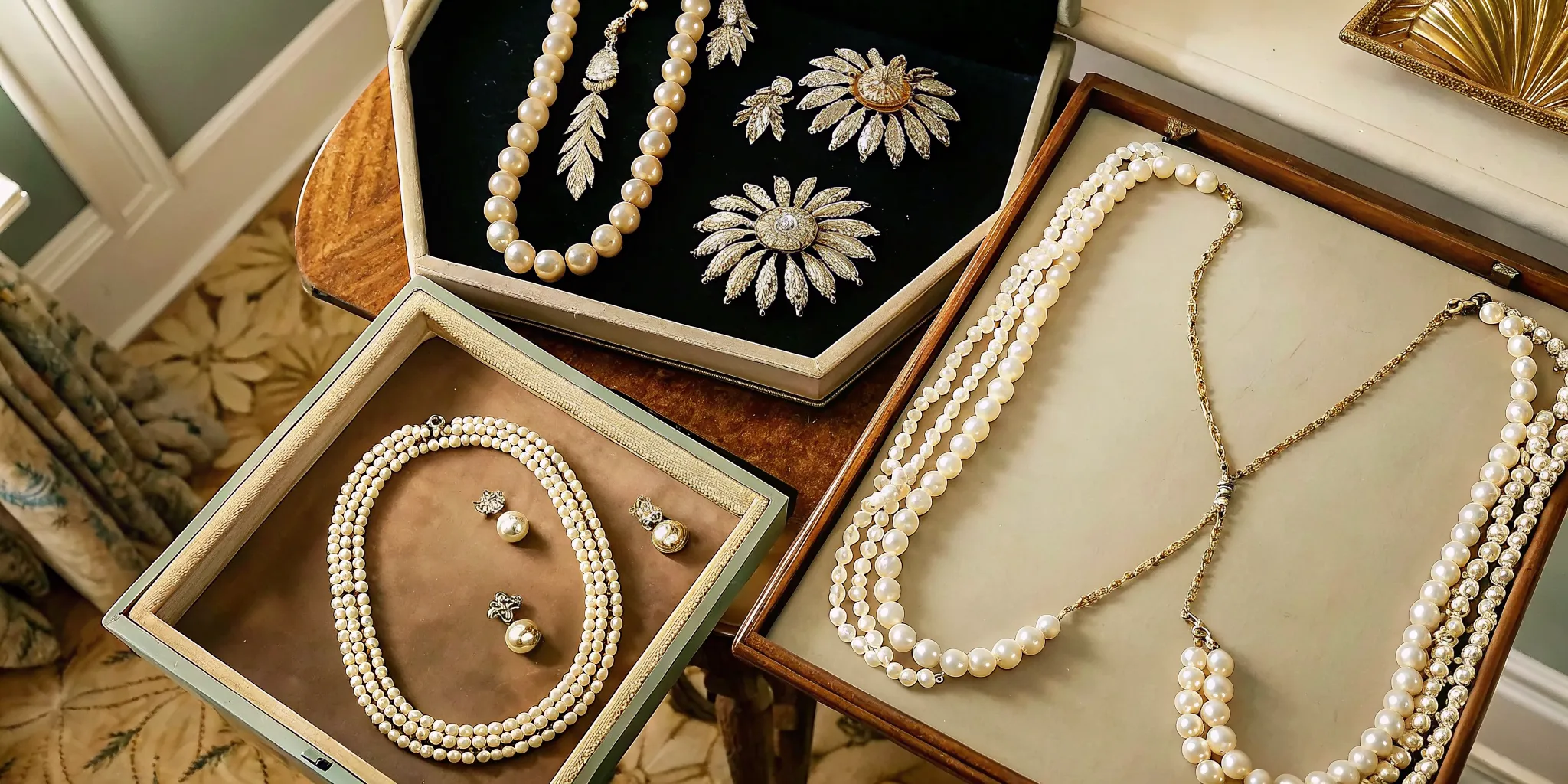
You can buy or sell vintage costume jewelry through online marketplaces like eBay, Ruby Lane, and Etsy, but professional auction houses offer better results for large inherited collections. While online sites offer a broad reach for low-value pieces, professional auction houses provide USPAP-compliant appraisal services. Expert marketing, and direct access to a global network of motivated buyers.
Online Marketplaces for Buyers and Sellers
For casual collectors, digital marketplaces offer the largest search space. The biggest selection of vintage costume jewelry is on eBay, which connects sellers to a massive global audience. This site works well for low-end, unsigned items that usually sell for thirty to seventy-five dollars, according to price data from Instappraisal. However, high-value pieces often get lost in the search results on such large platforms.
If you have signed pieces, Ruby Lane and Etsy are strong options. Ruby Lane is a curated site with strict standards, which helps attract serious collectors who pay more for quality. Etsy combines handmade goods with a large vintage pool. While these sites work well for buying one item at a time. Listing a large inherited estate online requires a massive investment of your personal time, photography, and shipping labor.
Why Professional Auctions Work Best for Estates
If you have inherited a large collection, selling through a professional auction house is the best path. Managing private sales exposes you to pricing mistakes, unpaid items, and online fraud. An auction house removes this work by managing the sale from start to finish.
Partnering with Lion and Unicorn ensures your items get expert care. With thirty years of experience, we specialize in decorative arts and jewelry. We process 1,900 to 3,150 lots weekly, putting your pieces in front of active global buyers. Our team handles every step, from marketing to packing and shipping. For a complete overview of how to manage an entire estate, read our inherited collection liquidation guide.
The Role of Certified Appraisals
Knowing the true worth of your items is the first step to a successful sale. We provide USPAP-compliant appraisals to ensure your jewelry is priced right for the current market. This step is key to the appraisal process, protecting you legally and financially. To learn more about how professional auction houses evaluate estate collections, check our guide on estate liquidation for heirs.
Frequently Asked Questions
How can you tell if vintage costume jewelry is valuable?
You can find the value of old jewelry by checking for designer marks, quality materials, and condition. Signed pieces by sought-after designers are worth much more than unsigned ones. According to industry sales data, signed designer pieces often start at 150 dollars and can reach 500 dollars or more, while common unsigned pieces typically retail for about 30 to 75 dollars.
Which vintage costume jewelry designers are most sought after?
Collectors pay high prices for top brands like Trifari, Coro, Miriam Haskell, Eisenberg, and Chanel. Early designs from these names are highly collectible. For example, signed items from Alfred Philippe’s tenure as lead designer at Trifari from 1930 to 1968. Or elaborate handmade pieces by Miriam Haskell, command premium prices at auction because of their rarity and craft.
Does a designer signature triple the value of costume jewelry?
Yes, a clear maker mark has a major impact on market demand and resale price. Having a verified maker mark is the fastest way to increase the worth of a piece. According to appraisal experts, a clear stamp from premium brands like Trifari, Eisenberg, or Weiss can triple the retail value compared to an identical but unsigned piece.
Are early Miriam Haskell jewelry pieces always signed?
No, early Miriam Haskell jewelry was not stamped with a permanent mark. The company did not use permanent signature metal tags until the late 1940s, relying only on paper tags before then. Expert appraisers identify these early unsigned pieces by examining handmade construction details, such as elaborate box clasps decorated with pearls or beads.
Where is the best place to sell an inherited vintage jewelry collection?
Professional auction houses offer the best results for inherited vintage jewelry collections. They provide certified USPAP-compliant appraisals, professional marketing, and access to a global buyer network. This removes the burden of listing, photographing, and shipping individual pieces yourself while ensuring your items reach serious collectors who pay fair market prices.
Schedule Your Vintage Costume Jewelry Appraisal
Ready to find out what your vintage costume jewelry is worth? Schedule a free consultation with Lion and Unicorn or call (954) 866-8044 to get started.
Leaving vintage costume jewelry sitting in a drawer keeps you from knowing its true market value. Over time, shifts in collector demand can affect what buyers are willing to pay for classic designer signatures. Taking action now prevents these pieces from gathering dust or being sold for far less than they are worth.
Free Consultation
Ready to Sell Your Estate or Collection?
Lion & Unicorn's expert team offers free appraisals and nationwide pickup service.
Over 30 years of experience — Florida's most trusted auction house.