


Capodimonte Porcelain Value Guide: Identify Marks, History, and Worth
Free Consultation
Ready to Sell Your Estate or Collection?
Lion & Unicorn's expert team offers free appraisals and nationwide pickup service.
Over 30 years of experience — Florida's most trusted auction house.
Antique Capodimonte porcelain represents the pinnacle of Italian royal craftsmanship from the mid-eighteenth century. These rare figures and vases show the skill of artists who worked for the Bourbon kings.
Get a free Capodimonte porcelain appraisal from our certified experts. Call (954) 866-8044 today.
Capodimonte porcelain refers to fine ceramics first made in Naples, Italy, during the mid-1700s by royal workers who created fine pieces with soft-paste bodies. Identifying genuine pieces requires checking for maker’s marks. A blue fleur-de-lis or a crowned “N” sign shows the age of the item. Value depends on age, rarity, and fine hand-made details that set these old figures apart from modern copies.
Owners often ask how these beautiful items first came to be and what makes them so special to modern buyers. To truly value these pieces, one must look at how the royal family in Naples first built the factory. Here is how the history of Capodimonte porcelain begins.
How Did Capodimonte Porcelain Originate in Naples?
The story of Capodimonte porcelain began in 1743 in Naples, Italy. King Charles VII and his wife, Queen Maria Amalia of Saxony, started the royal factory on the grounds of their palace. This site sat on a high hill called Capodimonte, which served as the king’s hunting lodge. During its short life from 1743 to 1759, the shop made some of the finest wares in Europe. The Metropolitan Museum of Art notes that the first factory used a soft-paste porcelain for its best work.
The Royal Founding in Naples
King Charles VII wanted to make a local product to match the great porcelain houses of Europe. He found the perfect spot for his new work at his royal palace on Capodimonte hill. The royal hunting lodge gave a private space for the king to watch the work. This factory was a part of the Real Fabbrica and became a symbol of royal rank and taste.
The royal couple played a big part in the early success of the shop. Queen Maria Amalia was the granddaughter of Augustus the Strong, who started the Meissen factory in Germany. When she moved to Naples, her dowry had seventeen full table sets of Meissen porcelain. These pieces served as models for the local artists as they began collecting fine antique porcelain ideas for their own works.
The Secret of Soft-Paste Porcelain
The Naples factory used a unique soft-paste mix, which was not like the hard-paste found in Germany. This material was a blend of white clay and ground glass. It gave the pieces a warm, creamy tone and a smooth, waxy feel. This soft-paste porcelain was hard to fire but allowed for very fine detail in small items.
The soft-paste mix became the main mark of the first Capodimonte years. Artists like Giuseppe Gricci used this mix to make complex scenes and small flower patterns. Because the paste was soft, the glaze fused deep with the body. This made a rich look that collectors still prize today for its depth and soft light.
The Move to Spain in 1759
The great days of the Naples factory ended fast in 1759. When King Charles VII left Naples to take the throne of Spain, he did not want to leave his factory behind. He told his workers to tear down the kilns and pack up all the equipment. He even took the raw goods and the skilled artists with him to Madrid.
Once in Spain, the king started a new factory at the Buen Retiro palace. This move ended the original Naples production period after only sixteen years. While work went on in Spain, the pieces made in Naples during that first age remain the most rare. These early items represent the true birth of the Capodimonte name in fine art.
How to Identify Authentic Capodimonte Marks
Real Capodimonte porcelain is hard to find. Most items with this name were made in the last hundred years. Experts want the old pieces with clear marks. You must look at the bottom of the item. The mark tells you when and where it was made. It also shows if the piece is real or a copy.
The Royal Fleur-de-Lis (1743-1771)
The first mark was a fleur-de-lis, a lily with three petals. It was used from 1743 to 1771. In the first years, artists painted the mark in blue. Sometimes they used gold. They put it under the clear coat. Other times they pressed it into the clay. This mark shows the item is from the early factory in Naples. It was also used in Spain after the factory moved there in 1759.
The early items are soft-paste porcelain. This clay is cream-colored and soft to the touch. You can find out more about early soft-paste porcelain from museum records. Real fleur-de-lis marks often look slightly blurred. They are not perfect lines. This is because artists painted them by hand. If the mark is a stamp, the piece is likely a new copy.
The Crowned N Mark from Naples (1771-1817)
A blue N under a crown is the most famous mark. It was used between 1771 and 1817. This was during the time of King Ferdinand IV. The crown has five points or rays. The N stands for Naples. It was almost always painted in blue. Sometimes artists used red or gold. The mark should be under the glaze. This means the mark was made before the final firing.
It is key to check the shape of the N. Real marks from this era are thin. The crown sits close to the letter. This is a key step in identifying antique porcelain and its age. Modern pieces often have a thick N. The crown may look very big. If the N is inside a circle or shield, it is usually from a later maker. These later items are not from the royal factory.
Spotting Modern Marks and Fakes
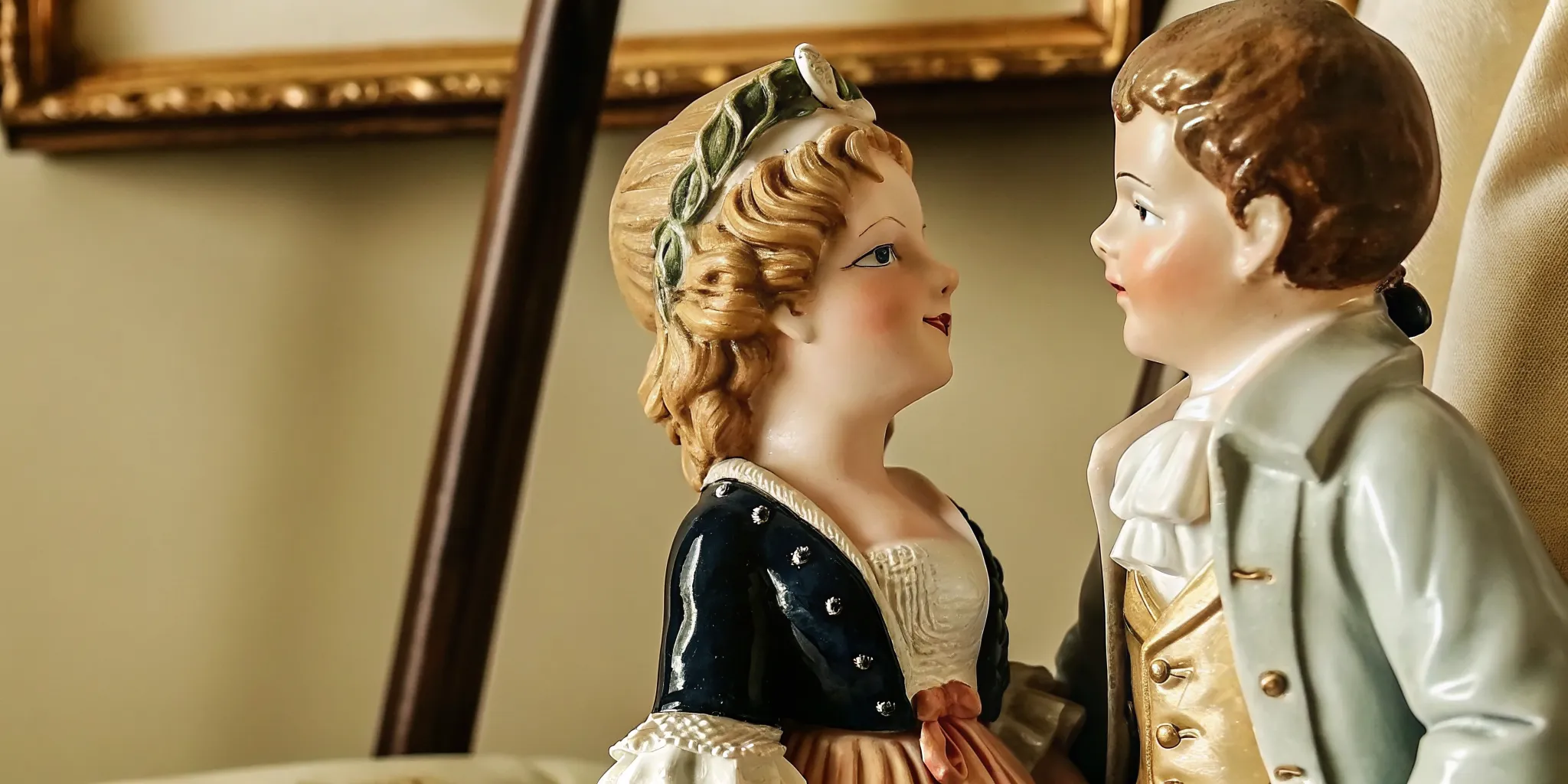
Many people sell new items as old antiques. After 1817, the royal factory closed. Other makers bought the rights to the name. They made many items in the same style. These pieces are often made of hard-paste porcelain. This clay is white and very smooth. The marks on these items are often stamped. They look very clean and sharp.
You can spot a fake by looking at how the mark sits on the clay. Real old marks feel like part of the piece. Fake marks sit on top of the glaze. They can feel rough if you rub them. Some fakes also use names like Ginori or Doccia. While these were good makers, they are not the royal factory. Most items sold as Capodimonte porcelain today are mass-made. They do not have the same value as the royal pieces.
What Factors Determine Capodimonte Porcelain Value?
The price of Capodimonte porcelain depends on a few things. Age, rarity, and the skill of the artist all play a part. Real antique pieces can sell for thousands of dollars at auction. To get the most when you sell your Capodimonte porcelain, you must know what makes it special. Experts look at the clay, the marks, and the past of each piece to find its worth.
The Era of Making
The age of a piece is a main factor in its value. The first years for this porcelain were from 1743 to 1759. These items were made at the Real Fabbrica in Naples, Italy. Collecting fine antique porcelain from this time is a goal for many people. Pieces from the early Naples years are very rare today. Buyers want these early items because they use a soft-paste clay. This clay has a warm, milky look that is hard to find in later works. If you have a piece from the mid-18th century, it is likely worth more than a newer copy. You can use antique porcelain valuation tips to help you date your items well.
Art Detail and Subject Matter
Capodimonte is famous for its very detailed designs. Most items show scenes from nature, daily life, or old myths. The best pieces were made by master makers like Giuseppe Gricci. He was known for making figures that look real and have deep feelings. His work is still a top choice for buyers today. Items with many hand-painted flowers or tiny people are very prized. Each piece was made with great care, and no two items are exactly the same. The more work that went into the detail, the higher the price will be. Large items that show complex scenes often bring the best results for sellers.
Capodimonte Value at a Glance
The table below shows how key factors affect the value of Capodimonte porcelain pieces at auction.
| Factor | High Value | Low Value |
|---|---|---|
| Age | 1743-1759 Naples origin | Post-1900 commercial |
| Mark Type | Hand-painted fleur-de-lis or crowned N | Stamped or machine-made mark |
| Condition | No chips, cracks, or repairs | Visible damage or restoration |
| Artist Known | Giuseppe Gricci or named modeler | Unknown or studio piece |
| Detail Level | Intricate hand-painted scenes | Simple mass-molded design |
| Rarity | Rare subject or unique piece | Common figurine type |
State and Item Type
The state of your porcelain is vital to its final price. Chips, cracks, and old repairs will hurt the value a lot. Even a small mark on a flower petal can lead to a lower offer. Buyers search for items in top shape. If a piece looks like it just left the shop, it will be worth much more. The type of item also sets the price. Large lights and table pieces are liked by many. Rare figures and vases also do well if they are in good shape. Rarity is key to a high price. If only a few of your items were ever made, the price will go up. Always keep your pieces safe to protect their worth over time.
Popular Types of Capodimonte Collectibles
Collectors of fine ceramics often seek out Capodimonte porcelain for its unique beauty and range. This Italian art form covers many items, from small trinkets to large pieces of decor. Most people know these works for their bright colors and deep shapes. The range of items is vast, making it a top choice for those who love antique porcelain.
Fine Porcelain Figurines
Figurines are the most popular items in the world of Capodimonte porcelain. These pieces show high levels of detail and skill. Most sought-after works show scenes of everyday life, old myths, and nature. Artists spent many hours on each piece to make sure every line and color was just right.
When looking at the market, life-like pieces with hand-painted details often fetch the highest prices. Many of these works show people in old dress or figures from classic stories. This focus on detail makes these figures stand out.
If you are a collector, you might also like valuing porcelain figurines from other brands to compare the styles and costs. Each brand has its own way of making life-like shapes. The fine detail in these figures helps them hold their value over time.
Grand Vases and Centerpieces
Large items like vases and centerpieces are also prized. These pieces often feature grand floral designs that look almost real. Makers craft the flowers by hand, leaf by leaf. This work creates a depth that is hard to find in other types of porcelain.
Some centerpieces include deep groups of figures or patterns of fruit and vines. These larger works show the technical range of the makers. Many of these vases were made to be the main focal point of a grand room.
For example, Capodimonte porcelain is often a soft-paste type, which allows for finer detail than hard-paste versions. This soft texture helps the artists create the smooth curves and fine points seen in the best vases. It gives the work a unique look and feel.
Fine Tableware and Chandeliers
Beyond figures and vases, the factory also made tableware and small decorative objects. These items include plates, cups, and bowls with rich patterns. They often feature gold trim and hand-painted scenes that make them more like art than dishes. Some collectors focus solely on these useful items.
If you want to grow your knowledge, reading about antique porcelain valuation tips can help you see how experts judge quality. Knowing what to look for can make your search for new pieces much easier. It helps you find the best items for your home.
Small trinket boxes and mirror frames also fall into this group. These items were often given as gifts in the 18th and 19th centuries. They show the luxury and skill of that time. Chandeliers are another rare but highly prized type of collectible.
While figurines remain the top choice for many, these other objects help round out a full collection. Collectors look for pieces that show the full skill of the royal factory. Each piece tells a story of the long history of this art in Italy.
Can You Spot a Modern Reproduction vs. Authentic Capodimonte?
Paste and Weight
Real antique Capodimonte porcelain uses a soft-paste mix. This makes the piece feel warm and waxy to the touch. It also gives the item a soft, cream color. Most new items use hard-paste porcelain instead. This type of paste feels cold and looks bright white. You can often tell the gap by picking up the piece. Real soft-paste items feel much lighter than new copies of the same size. As the Met Museum notes, the first factory used this soft-paste mix for its best work.
Paint and Detail
You should look at the paint to find real antique pieces. Old work shows fine, hand-painted scenes. Each brush stroke is unique and has a soft look. Many new copies use stencils or stamps to add color. These designs look too sharp and even. They lack the depth of hand-made art. Real pieces often show life scenes or old myths. Look for small gaps in the paint and uneven edges. If the work looks too perfect, it is likely a new copy. Using finding antique porcelain tips can help you judge the grade of the work.
Marks and Glaze
The marks on the bottom are a key clue. Real marks are often pressed into the clay or painted by hand. This leads to small flaws and uneven lines. New fakes use sharp, even marks that look like a stamp. The most known mark is a crowned “N.” But many shops have used this mark for a long time.
Much of what you see for sale today is not from the first royal factory. The factory moved to Spain in 1759 to start a new shop. After the old factory closed, other makers began to use the name for trade goods. You should also look at the glaze. Real pieces have a warm, cream tone. New items look like bright, stark white.
Build and Base
The build of the piece can tell you its age. Real antique items have thick bases that were made by hand. You might see small fabrication marks or slight shifts in the shape. New copies often have thin, flat bases that look machine-cut. The way the piece stands can show its past. Old figures have strong, hand-made bases that feel solid.
If the base feels too thin or light, it might be a copy. You can use an antique porcelain buyer guide to learn more about how old pieces were built. Expert buyers also look for the way the marks sit on the glaze. This warm tone comes from the mix of lead and tin in the glaze.
For a related British ceramics comparison, see the Wedgwood Jasperware value guide.
How to Care for Your Capodimonte Porcelain
Owning rare porcelain requires a duty to proper upkeep. Because Capodimonte porcelain is a fragile soft-paste, it is more prone to breaks than hard-paste types. Using a strict care plan helps you protect your value and keep each piece in top shape for years.
Cleaning Your Porcelain
You should never place antique porcelain in a dishwasher or soak it for long. The heat and water pressure can cause cracks or lift the thin paint. Use these five steps to clean your items safely at home.
- Check the piece for any loose parts or old repairs before you start to clean.
- Remove dust from the surface using a soft, dry cloth or a clean makeup brush.
- Wash the item by hand in a plastic bowl filled with warm water and a drop of mild soap.
- Rinse the piece with clean water to remove any soap film that could dull the shine.
- Place the porcelain on a thick, soft towel and let it dry well before you move it.
Handling and Display
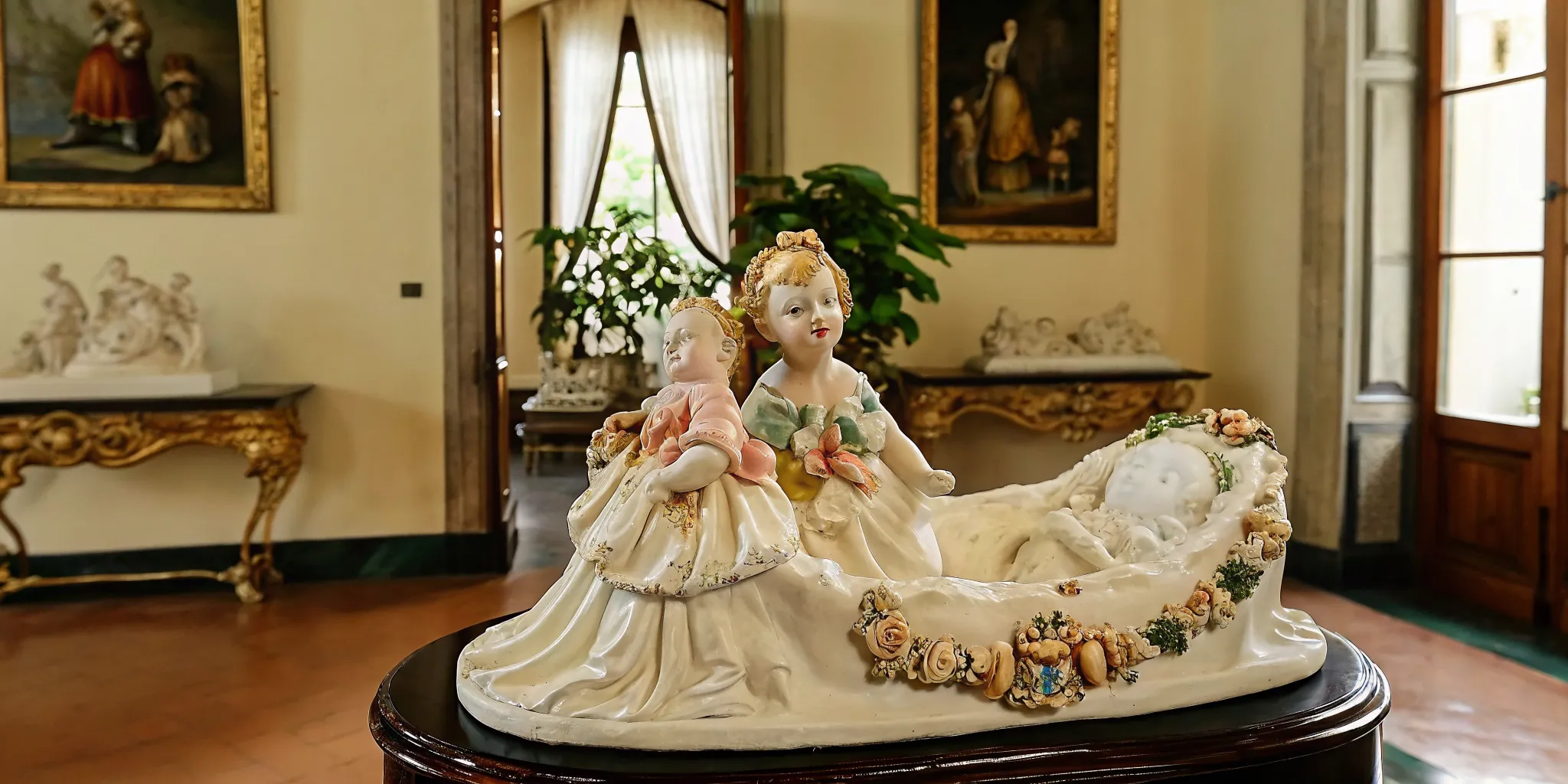
Safe handling is just as vital as cleaning. When you move a piece, always use two hands and support it from the base. Never pick up a vase or statue by its handles or thin flower petals. These parts are the most likely to snap under their own weight.
Where you show your set also matters. Avoid spots with moist air or direct sun, as these can harm the finish over time. Secure glass cases are the best choice for a antique porcelain collector guide to follow. They keep dust away and prevent bumps in busy spots of your home.
Expert Repair
If a piece does chip or crack, do not try to fix it yourself with common glue. Home repairs often fail and can lower the price of the item. Always seek an expert who has the right skills to work on fine pieces. They can help you preserve the history and beauty of your set without causing more harm.
Selling Capodimonte Porcelain at Auction
Selling your Capodimonte porcelain requires a clear plan to reach the best buyers. You might think about selling to a local dealer or using an online shop. But a high-end auction often brings the most money. Auctions build a space where buyers must bid against each other to win. This drive to win can push the final price much higher than a fixed price in a shop.
If you want to learn more about the market, our antique porcelain collector guide shares more tips on fine ceramics. These guides help you learn about the world of rare art.
Choosing the Best Way to Sell
Owners have three main ways to sell their fine porcelain: private sales, web shops, and auction houses. Private sales are fast, but you may get less money. The dealer needs to buy low so they can sell high later. Web shops reach many people, but they bring many risks. You have to pack the items, pay for shipping, and talk to many buyers.
An auction house takes care of all these steps for you. They charge a fee for their work, but their reach helps you get a better price. They have lists of serious buyers who wait for rare pieces to come to market. This help ensures you get the most for your fine items.
The Value of Expert Help
Before you list your items, you must find out their true worth. A pro can help you learn the age and state of your pieces. They look for specific marks when identifying antique porcelain to see if a piece is real. For example, the original Capodimonte factory only made pieces from 1743 to 1759. Items from these years are very rare and sell for much more money.
A professional inspection can find these rare gems in your set. This step ensures you do not sell a rare piece for too little money. Knowing the past of your item helps you set a fair price at auction.
How to Get the Most for Your Items
Good photos and clear records will help you get a better price. You should take clear photos of the marks on the bottom. These marks tell the story of when the item was made. You should also keep any old bills or notes from when you got the piece. This proof of where the item came from builds trust with buyers.
Lion & Unicorn helps owners get the best returns through expert sales. We manage the shipping and the ads so you can relax. Our team offers free first looks at your items to help you get started. We help your rare porcelain find the best new home.
Frequently Asked Questions
Is all Capodimonte porcelain made in Italy?
Not all Capodimonte porcelain comes from Italy. The first royal factory worked in Naples from 1743 to 1759. After this time, the king moved the workers to Spain to build the Real Fabrica del Buen Retiro in Madrid. Today, many firms use the name for new items made in many places. You must check the mark and style to find out where and when a piece was made.
Are Capodimonte figurines valuable?
Many Capodimonte figurines are worth a lot of money. Rare pieces from the 18th century can sell for thousands of dollars at auction. These items are prized for their unique designs that show nature, myths, or daily life. But new items made in this style do not usually hold the same high price. An expert check can help you find out what your own pieces are worth in the current market.
How can I tell if a piece is a modern Capodimonte copy?
You can find a new copy by looking at the mark and the clay. Modern pieces often use a hard clay that feels cold and glass-like. Authentic old pieces use a soft clay with a warm, milky look. According to the Met Museum, the true original period ended in 1759. Many new items have marks that look blurred or stamped. Real antique marks from the 18th century are usually sharp and neat.
Is Capodimonte porcelain the same as Meissen?
Capodimonte and Meissen are not the same, but they have a close link. When Queen Maria Amalia came to Naples in 1743, she brought seventeen Meissen table sets with her. These fine German pieces helped the new factory in Italy find its own style. While Meissen is a hard clay, Capodimonte is famous for its soft clay. Both types are highly prized by buyers who look for the best antique items in the world today.
Ready to get an expert Capodimonte porcelain appraisal?
Keeping your rare antique items in storage without an expert price guide can lead to a loss of value that you might not get back. If you wait too long to set a price, you run the risk of missing out on high demand from buyers who want fine pieces now. By getting an expert review today, you can protect your items from market shifts and ensure that every piece you own gets a fair price. Starting the process today gives you the benefit of a fast auction cycle, which helps you reach the right buyers at the perfect time.
Ready to schedule your appraisal? Call (954) 866-8044 to talk to an expert about your collection.
Free Consultation
Ready to Sell Your Estate or Collection?
Lion & Unicorn's expert team offers free appraisals and nationwide pickup service.
Over 30 years of experience — Florida's most trusted auction house.